
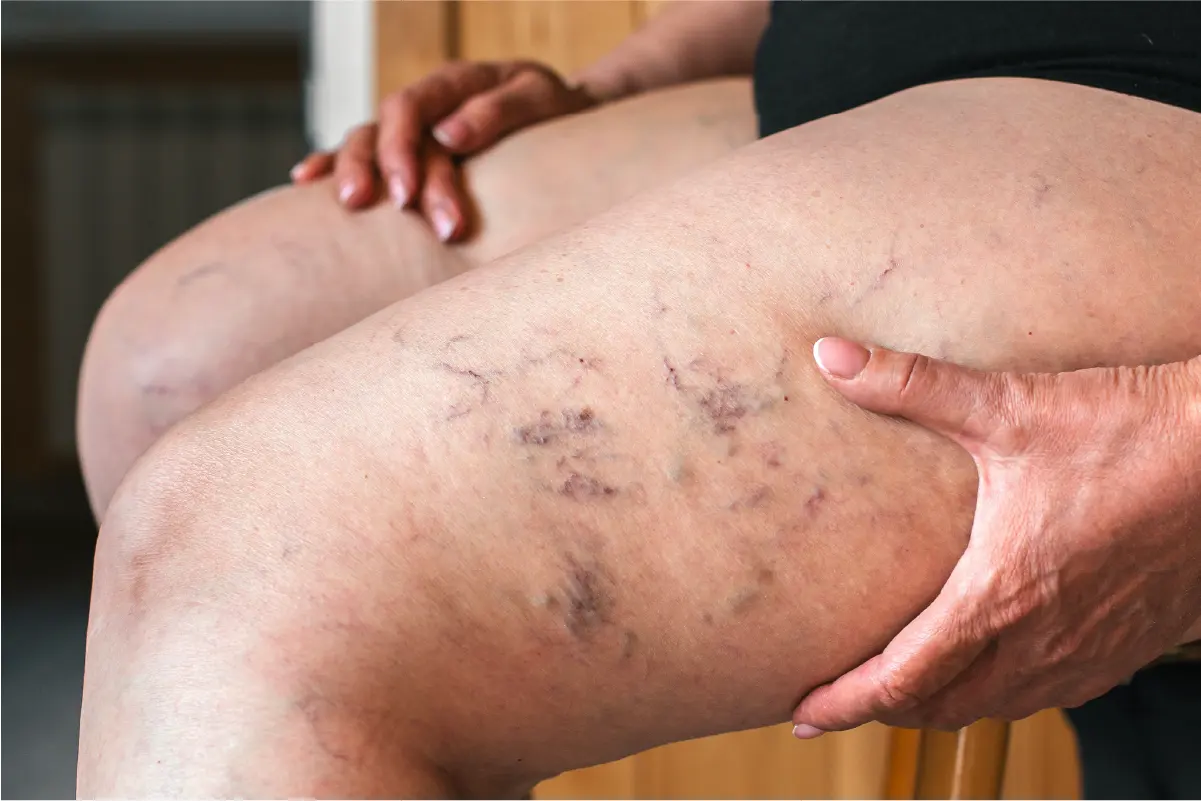
A visible vein may be the first change someone notices, but its impact can extend beyond appearance. Leg heaviness, restless sensations at night, and discomfort during everyday activities can affect how a person feels, sleeps, moves, and dresses.
For Melissa B., one prominent vein running down her leg had become difficult to ignore.
After seeing information about vein concerns on Facebook, Melissa decided to contact United Vein & Vascular Centers in Gilbert, Arizona. What began as a call about a visible vein led to care that Melissa says changed both how her legs felt and how she felt about showing them.
When a Visible Vein Begins Affecting Confidence
Before seeking care, Melissa felt self-conscious about the appearance of her leg. The vein was noticeable enough that it influenced what she felt comfortable wearing, including shorts and bathing suits.
“I had a huge vein that went down my leg,” Melissa shared. “I did not want to wear shorts. I was embarrassed.”
Visible veins are sometimes viewed as only a cosmetic concern. However, they may appear alongside symptoms such as aching, swelling, heaviness, fatigue, cramping, or restless legs. A vein screening can help determine whether changes in the legs may be connected to an underlying circulation problem.
For Melissa, making that first call gave her an opportunity to learn more about her legs and the treatment options recommended for her individual needs.
Melissa’s Vein Treatment Experience
Following her evaluation, Melissa received a treatment plan that included radiofrequency ablation (RFA), VenaSeal™, Varithena®, and ultrasound-guided sclerotherapy.
These minimally invasive vein treatments use different methods to close affected veins. RFA uses controlled radiofrequency energy, VenaSeal™ uses a medical adhesive, and Varithena® and ultrasound-guided sclerotherapy are injectable treatments. Once a targeted vein closes, blood can naturally reroute through healthier nearby veins.
Because every patient’s vein anatomy, symptoms, and ultrasound findings are different, treatment plans may include one procedure or a combination of options. Melissa’s plan addressed both the symptoms she had been experiencing and the prominent vein that first motivated her to seek care.
“It’s been awesome, and I would recommend this place to anybody,” Melissa said.
Feeling More Comfortable While Sleeping, Walking, and Exercising
As Melissa progressed through treatment, she began noticing changes in several areas of her daily life. She said her legs no longer felt heavy and reported that the restless sensations and leg jerking she had experienced at night were no longer affecting her in the same way.
“My legs don’t feel heavy,” she shared. “I feel so much more comfortable when I’m sleeping, especially.” She also said exercising and walking feel more comfortable now.
That added comfort was accompanied by a change in how Melissa viewed her energy, her skin, and the appearance of her legs.
“I feel like I have more energy,” she said. “I feel so much better about my skin and how I look and how I feel.”
The visible vein that had made her reluctant to wear certain clothing was no longer causing the same concern. Melissa said she now feels comfortable wearing shorts or a bathing suit again, giving her back a sense of confidence she had been missing.
Care That Felt Personal from the First Visit
Melissa’s experience was shaped not only by the changes she noticed in her legs but also by the relationships she formed with the Gilbert care team. When asked about the doctor and staff, she became emotional describing how they treated her from the moment she arrived.
“From the time that I walked in here, everybody treated me with kindness,” Melissa said. “They knew my name from the very first day.”
Over approximately two months of visits, she said the team continued to greet her by name, treat her with respect, and share conversations and laughter with her. She described both the doctor and the full staff as amazing.
Melissa remembered feeling especially nervous before her first procedure because her husband was out of town. She said her physician gave her a direct way to reach out if she felt scared or had questions, a gesture that helped her feel supported beyond the time she spent in the clinic.
For patients who feel uncertain before a procedure, knowing whom to contact and feeling comfortable asking questions can make the treatment process feel more manageable.
Why Melissa Encourages Others to Come In
By the time Melissa reached her final treatment session, the idea of saying goodbye to the Gilbert team felt bittersweet. She was grateful for the experience and the changes she had noticed, but she also knew she would miss the people who had cared for her along the way.
“You definitely have to come,” Melissa said when asked what she would tell someone who was undecided. “They take care of you. They just make you feel like you’re a part of their vein family.”
Her recommendation reflects both sides of her experience: feeling more comfortable and confident in her legs and feeling genuinely cared for throughout treatment.
“I’ve had the best experience ever, and I would recommend this place for sure,” she shared. “It’s bittersweet, but thank you so much for everything. I truly appreciate it.”
Why Melissa’s Story Matters
Melissa’s experience shows how a visible vein can affect far more than appearance. Avoiding shorts or bathing suits may be one sign that changes in the legs are influencing confidence, while symptoms such as heaviness or restless legs may also interfere with sleep, exercise, walking, and everyday comfort.
Her story also highlights how a personalized combination of minimally invasive treatments may address different affected veins as part of one care plan. Just as importantly, it reflects the difference a supportive care team can make when a patient feels nervous, has questions, or needs reassurance throughout the process.
If you are experiencing leg heaviness, restless legs, or visible veins, schedule a vein screening with United Vein & Vascular Centers to learn whether vein disease may be contributing to your symptoms and what treatment options may be appropriate for you.