
Chronic Venous Insufficiency (CVI): Symptoms, Causes, & Treatments
What is Chronic Venous Insufficiency?
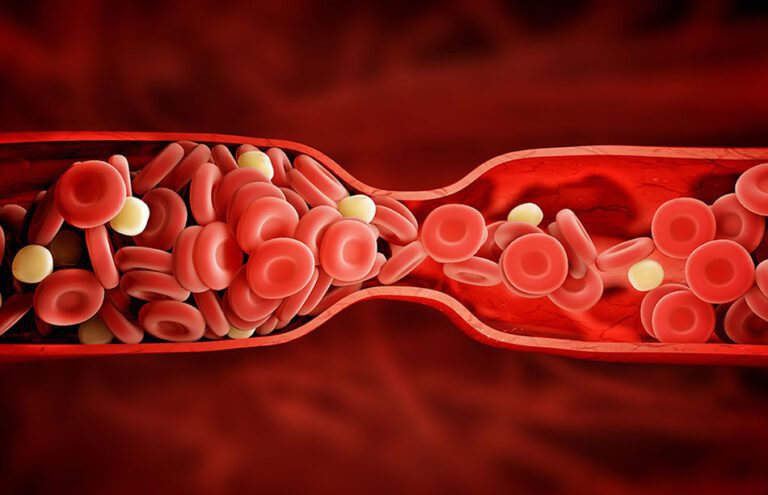
Chronic Venous Insufficiency, also known as CVI, occurs when the valves in your leg veins become weakened or damaged, causing blood to pool instead of flow efficiently back to the heart. Over time, this leads to symptoms such as swelling, heaviness, pain, and visible varicose veins. CVI is one of the most common underlying causes of many vein-related conditions.
What Are the Symptoms of CVI?
- Swelling in the legs or ankles
- Aching, heaviness, or fatigue in the legs
- Skin discoloration or thickening
- Restless legs or cramping at night
- Varicose or spider veins
- Open sores or ulcers (in advanced stages)
If you are experiencing any of the symptoms above, your next step should be to request a quick and easy vein screening with United Vein & Vascular Centers.
Request a Vein Screening
What Causes CVI?
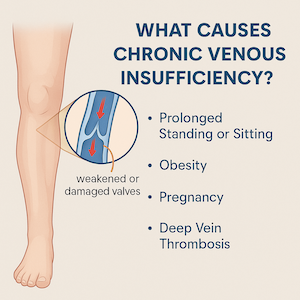
Chronic venous insufficiency develops when vein walls or valves are weakened or damaged. This may result from prolonged standing, obesity, pregnancy, blood clots (DVT), or a family history of vein disease. Aging and hormonal changes can also increase risk.
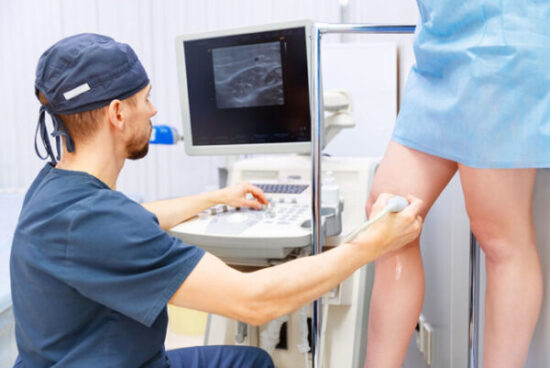
How CVI Is Diagnosed?
A vascular specialist may perform a physical exam and a duplex ultrasound to evaluate blood flow and check for valve dysfunction or reflux. These noninvasive tests help determine the severity of venous insufficiency.

Chronic Venous Insufficiency Treatment Options
Treatment depends on the veins involved, the severity of reflux, the patient’s symptoms, and diagnostic ultrasound findings. Recommendations are individualized and may include lifestyle support, compression, or minimally invasive vein procedures.
Conservative measures may include:
- Wearing compression stockings when recommended
- Elevating the legs
- Walking and moving regularly
- Avoiding extended periods of sitting or standing
- Managing weight when appropriate
Minimally invasive vein treatments may include:
- Radiofrequency Ablation (RFA) – seals off damaged veins
- Sclerotherapy – collapses smaller diseased veins
- VenaSeal™ – a medical adhesive used to seal the diseased vein shut
- Varithena – foam-based treatment for varicose veins
- Microphlebectomy – removes large visible veins
- Lifestyle support – compression stockings, leg elevation, exercise
The right treatment option depends on each person’s specific needs and starts with a simple and painless vein screening.
Is CVI Dangerous?
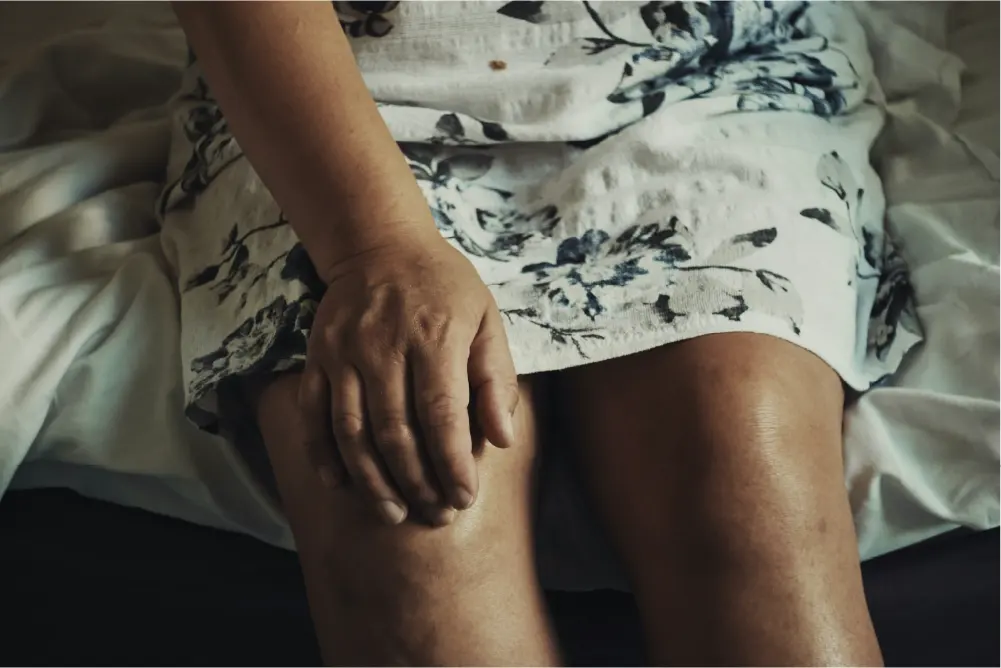
Chronic venous insufficiency is not usually an emergency, but it should not be ignored. CVI is a progressive condition, meaning symptoms and circulation problems may become more significant over time.
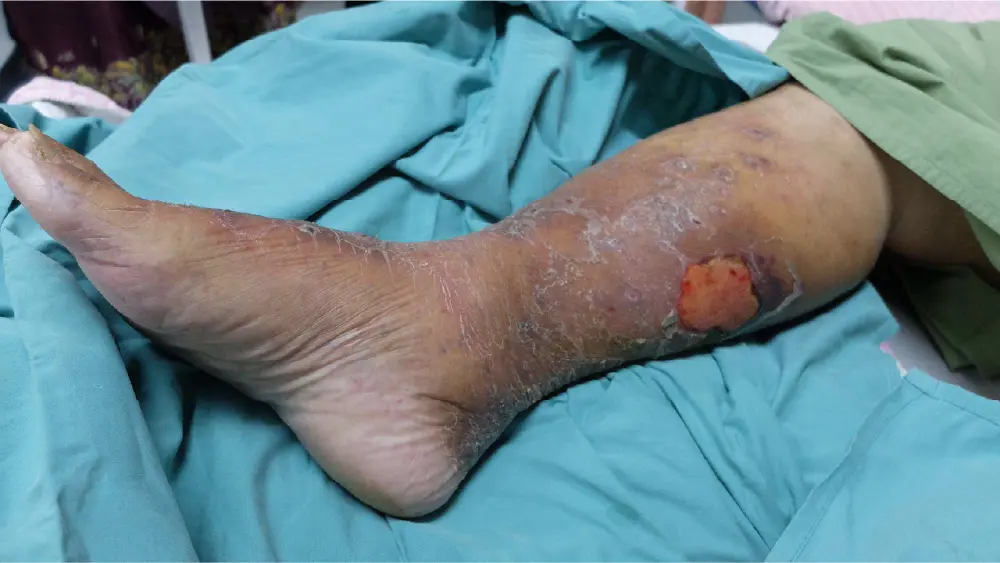
In more advanced cases, ongoing pressure inside the veins can damage the skin and tissue in the lower legs. This may contribute to inflammation, hardened or discolored skin, bleeding from affected veins, or venous ulcers that can be difficult to heal.
Sudden swelling, warmth, redness, or severe pain in one leg may indicate a blood clot or another condition requiring prompt medical evaluation. Chest pain, shortness of breath, or coughing up blood requires emergency care.
What Happens If CVI Goes Untreated?
Untreated chronic venous insufficiency may gradually progress as pressure continues to build inside affected veins. Swelling, aching, heaviness, and leg fatigue may become more frequent or persistent. Varicose veins may also become larger or more noticeable.
Over time, poor venous circulation can affect the skin and surrounding tissue. Possible changes include:
- Increasing ankle or lower-leg swelling
- Brown or reddish skin discoloration
- Itching, dryness, or venous stasis dermatitis
- Thickened or hardened skin
- Recurrent inflammation or infection
- Venous ulcers or wounds that heal slowly
- Chronic pain or reduced ankle mobility
Not everyone with CVI develops advanced complications. An evaluation can help determine the severity of the condition and whether monitoring, symptom management, or treatment may be appropriate.

Can Chronic Venous Insufficiency Be Reversed?
Chronic venous insufficiency cannot usually be reversed in the sense of restoring damaged vein valves to their original function. Once valves become weakened or damaged, they generally do not repair themselves.
However, CVI can often be managed effectively. Lifestyle measures may help reduce swelling and discomfort, while minimally invasive vein treatment can close affected veins and allow blood to reroute through healthier veins nearby. Many patients notice symptom improvement after their first treatment and continues over the following weeks.
Early treatment may also help address venous reflux before more advanced skin and tissue changes develop.
Frequently Asked Questions
While damaged veins cannot be repaired, treatments can reroute blood flow and effectively relieve symptoms long-term.
Varicose veins are often a result of CVI, not the cause.
Yes — untreated CVI can progress to skin breakdown and ulcers.
Adults over 40, women, those with family history, or anyone who stands or sits for long periods.
Related Articles