

Leg Pain
Leg pain can feel like aching, throbbing, cramping, burning, tenderness, or heaviness anywhere from the hip to the foot. It may develop after activity, prolonged sitting or standing, an injury, or without a clear trigger.
Leg Pain at Night
One reason leg pain occurs more at night is because of reduced blood flow when lying down. Gravity no longer aids circulation as it does when you’re up moving around.
As you relax, blood can pool in your legs, leading to discomfort. This might be more pronounced if you have a condition like venous insufficiency.
Symptoms That May Occur Along with Leg Pain
- Swelling, heaviness, or leg fatigue
- Pain in just one leg or both
- Cramping, pulsating, throbbing, burning, or tenderness
- Visible veins, skin color changes, numbness, or tingling
If unexplained leg pain persists or keeps returning, don’t wait. Request a vein screening at United Vein & Vascular Centers today.
Request a Screening

What Causes Leg Pain?
Leg pain can begin in the muscles, joints, bones, nerves, veins, or arteries. Temporary pain may follow overuse or an injury, while recurring discomfort may be connected to an ongoing musculoskeletal, neurologic, or circulation problem. In vein-related cases, weakened valves can allow blood to collect in the legs, increasing pressure and contributing to aching, throbbing, or heaviness. Because different conditions can cause similar symptoms, the location or intensity of leg pain alone may not reveal its source.
Common causes include:
- Muscle strain or overuse
- Muscle cramps
- Sprains, fractures, or other injuries
- Arthritis or other joint conditions
- Sciatica or other nerve-related conditions
- Varicose veins
- Chronic venous insufficiency or venous reflux
- Deep vein thrombosis (DVT)
- Peripheral artery disease (PAD)
An evaluation can help identify the underlying cause and determine whether vein care or another type of medical care may be appropriate.

When to Worry About Leg Pain
While some causes of leg pain are minor and improve with rest, others may indicate an underlying circulation problem that should be evaluated by a healthcare provider. Early assessment can help identify vein disease, artery disease, nerve conditions, or other medical issues before they become more serious.
Seek Immediate Emergency Care If You Have:
- Sudden pain in one leg with swelling, warmth, redness, tenderness, or discoloration
- Leg pain accompanied by chest pain, shortness of breath, fainting, a rapid heartbeat, or coughing up blood
- Sudden severe leg or foot pain with coldness, paleness, numbness, or weakness
Call 911 or seek emergency medical attention if these symptoms occur.
Schedule a Medical Evaluation If You Have:
Even when symptoms are not an emergency, it is important to have leg pain evaluated if you experience:
- Leg pain that persists for more than a few days or keeps returning
- Aching, heaviness, cramping, or throbbing that worsens after prolonged standing or sitting
- Swelling in one or both legs that does not improve with rest
- Varicose veins accompanied by pain, burning, itching, or leg fatigue
- Pain that interferes with walking, exercise, work, sleep, or daily activities
- Burning, tingling, numbness, or weakness in the legs
- Skin discoloration, thickening, or wounds that are slow to heal
- Leg pain that gradually becomes more frequent or severe over time
These symptoms may be associated with chronic venous insufficiency, varicose veins, peripheral artery disease, nerve-related conditions, or other circulatory issues that benefit from early diagnosis and treatment.
Why Early Evaluation Matters
Many circulation-related conditions develop gradually and may not cause severe symptoms at first. Seeking medical evaluation when leg pain is persistent, worsening, or affecting your quality of life can help identify the underlying cause and prevent complications.
How Leg Pain Is Diagnosed
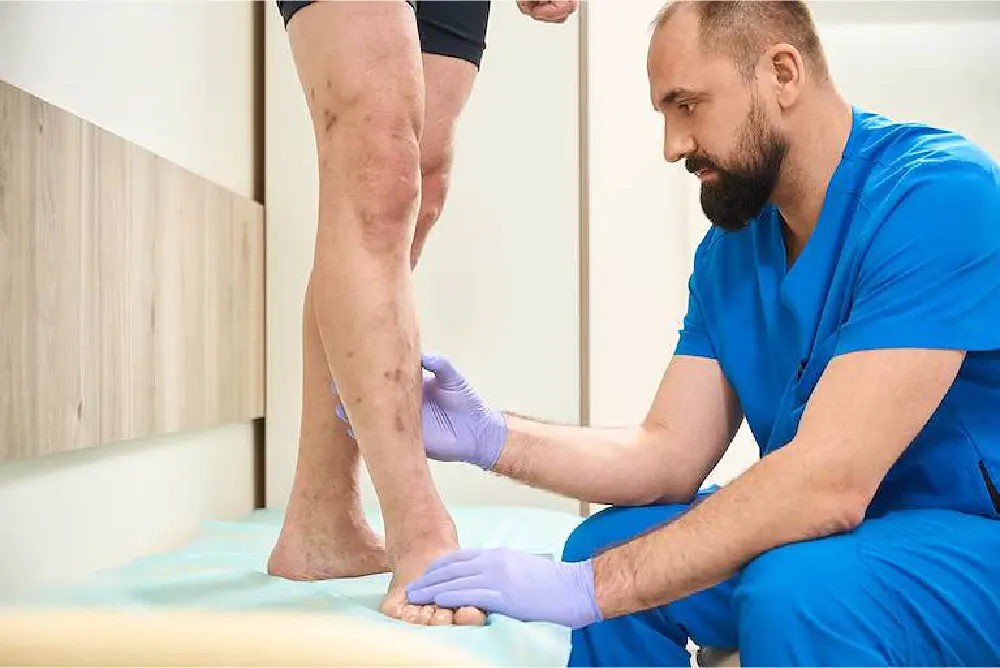
Diagnosing the cause of leg pain begins with the full pattern of symptoms rather than pain alone. A provider may consider where the pain occurs, what it feels like, when it begins, what makes it better or worse, and whether swelling, skin changes, numbness, or weakness are present. Because leg pain may originate in several body systems, testing depends on the suspected cause. If vein disease may be contributing, a duplex ultrasound may be recommended to examine blood flow and vein valve function.
Evaluation may include:
- A review of symptoms, medical history, medications, activity level, and the timing and pattern of pain
- A physical examination of the legs and feet, including areas of tenderness, swelling, skin changes, temperature, and visible veins
- Duplex ultrasound when a vein-related cause is suspected, with other testing or referrals when appropriate
These findings can help determine whether vein care or another type of medical evaluation is appropriate.

Treatment Options for Leg Pain Caused by Vein Disease
Treatment for leg pain depends on its underlying cause. When vein disease is contributing, recommendations are individualized based on symptoms, medical history, ultrasound findings, and vein anatomy. Treatment may focus on managing discomfort, supporting circulation, or closing affected veins that are not circulating blood properly. The appropriate plan may include conservative care, a minimally invasive vein procedure, or a combination of options.
Vein-related treatment options may include:
- Compression therapy and lifestyle recommendations, such as walking, leg elevation, and taking breaks from prolonged sitting or standing
- Radiofrequency ablation (RFA) or VenaSeal™, which close an affected vein using controlled heat or medical adhesive
- Varithena® or ultrasound-guided sclerotherapy, which use an injectable foam or medical solution to close certain affected veins
Because treatment needs and results vary, a vein screening can help determine whether vein disease is contributing and which options, if any, may be appropriate.
Related Articles