

Leg Swelling
Leg swelling is a buildup of fluid in the tissues of the legs, ankles, or feet. It may develop after long periods of sitting or standing and improve with movement or elevation. Swelling that persists, regularly returns, affects only one leg, or appears with pain, heaviness, or skin changes may be connected to a vein condition or another underlying health issue.
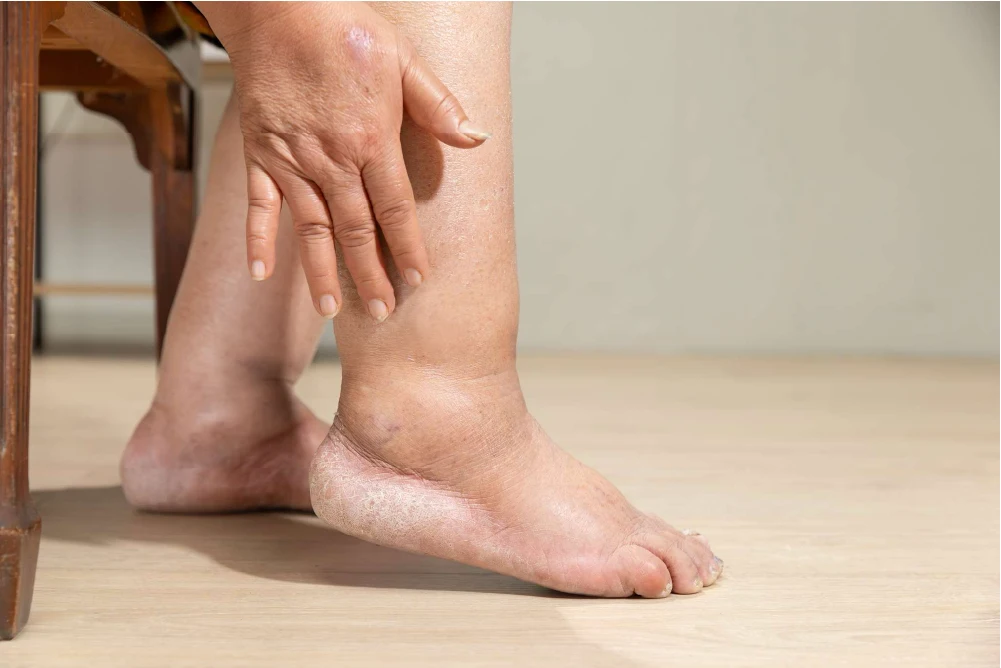
Symptoms That May Occur With Leg Swelling
- Aching, throbbing, cramping, or heaviness
- Tightness, leg fatigue, itching, burning, or restless legs
- Visible varicose veins or skin changes, including discoloration, dryness, irritation, or thickening
If you are experiencing unexplained leg swelling or related symptoms, don’t wait. Request a vein screening at United Vein & Vascular Centers today.
Request a Screening

What Causes Leg Swelling?
Leg swelling, also called edema, develops when fluid collects in the tissues of the lower legs, ankles, or feet. This can happen when the body retains excess fluid, the lymphatic system cannot drain fluid effectively, or circulation is disrupted. In vein-related cases, weakened or damaged valves can allow blood to collect in the lower legs, increasing pressure in the surrounding tissues. Because several conditions can produce similar swelling, the pattern alone may not reveal its cause.
Common causes include:
- Prolonged sitting or standing
- Pregnancy
- Injury
- Certain medications
- Lymphedema
- Heart conditions
- Kidney conditions
- Liver conditions
- Deep vein thrombosis (DVT)
- Chronic venous insufficiency
- Venous reflux
An evaluation can help identify the underlying cause and determine whether vein care or another type of medical care may be appropriate.
When to Seek Immediate Care
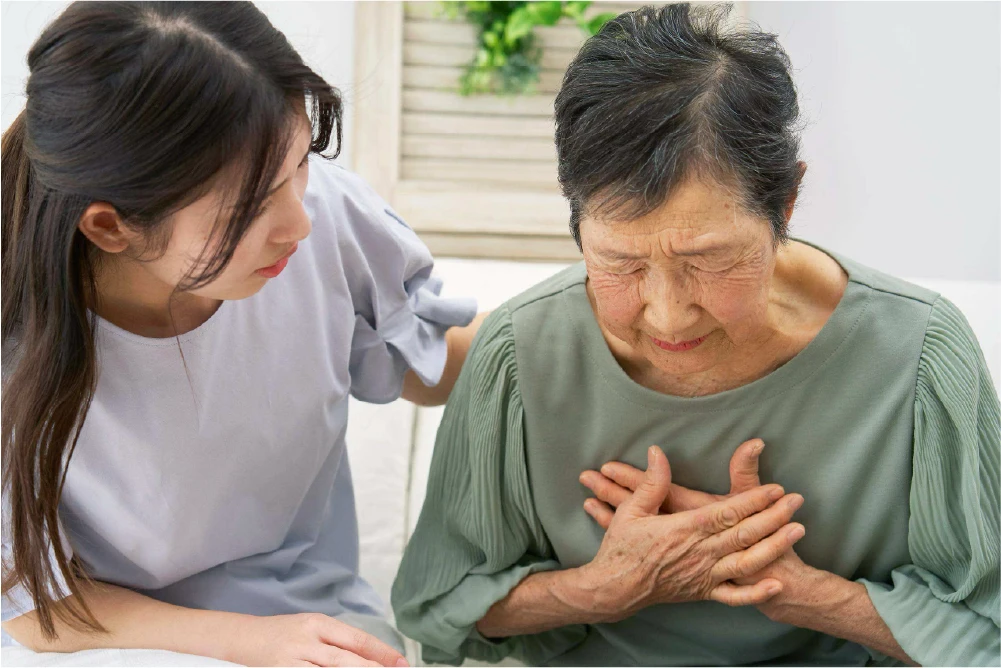
Not all leg swelling is an emergency, but sudden or unexplained changes require prompt attention. Swelling that develops in only one leg may be a sign of deep vein thrombosis (DVT), a blood clot in a deep vein. If a clot travels to the lungs, it can cause a pulmonary embolism (PE), which is a medical emergency. A routine vein screening is not the appropriate next step when these warning signs are present.
Seek urgent or emergency care for:
- Sudden swelling or pain in one leg
- Redness, warmth, tenderness, or discoloration in the swollen leg
- Chest pain, difficulty breathing, fainting, a rapid heartbeat, or coughing up blood
Seek immediate medical attention for possible DVT symptoms and call 911 for symptoms that may indicate a pulmonary embolism.
How Is Leg Swelling Diagnosed?
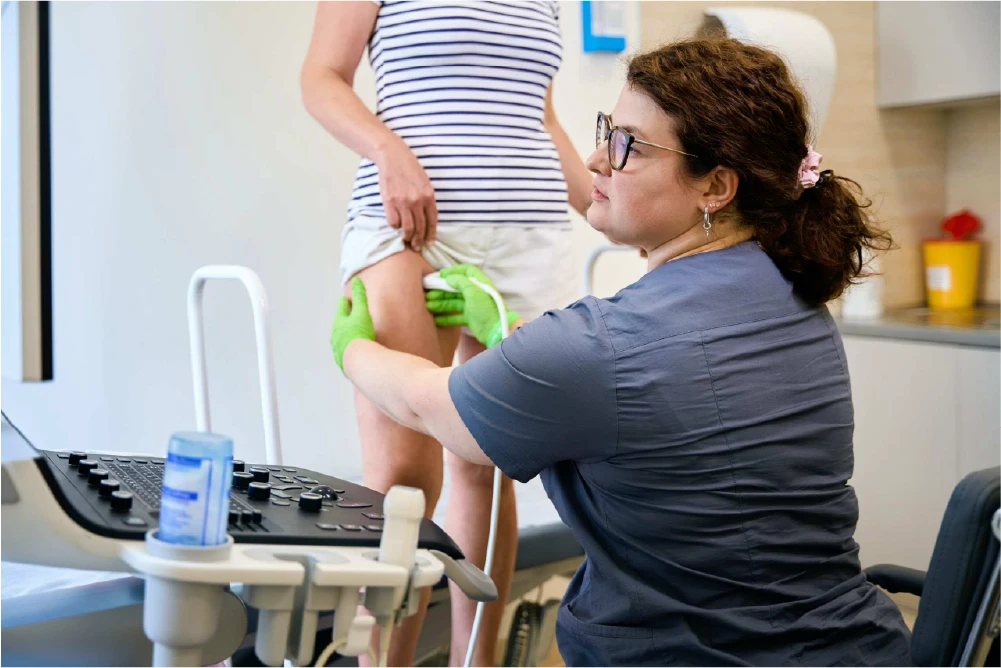
Diagnosing the cause of leg swelling requires looking at the full pattern rather than the swelling alone. Vein disease, lymphedema, medication effects, and other health conditions can produce similar changes. The evaluation is tailored to the patient’s symptoms and medical history. If a vein-related cause is suspected, diagnostic imaging may be recommended to examine blood flow and vein valve function.
Evaluation may include:
- A review of symptoms, medical history, medications, and the timing and pattern of swelling
- A physical examination of the legs, ankles, feet, visible veins, and skin
- Duplex ultrasound when a vein-related cause is suspected
These findings can help determine whether vein care or another type of medical evaluation is the appropriate next step.

Treatment Options for Vein-Related Leg Swelling
Treatment for leg swelling depends on its underlying cause. When vein disease is contributing, recommendations are individualized according to symptoms, medical history, ultrasound findings, and vein anatomy. Treatment may focus on managing swelling, improving circulation, or closing affected veins that are not circulating blood properly. The appropriate approach can include conservative care, a minimally invasive vein procedure, or a combination of options.
Vein-related treatment options may include:
- Compression therapy and lifestyle recommendations, such as walking, leg elevation, and taking breaks from prolonged sitting or standing
- Radiofrequency ablation (RFA) or VenaSeal™, which may be used to close certain affected veins with controlled heat or medical adhesive
- Varithena® or ultrasound-guided sclerotherapy, which may be used to close certain affected veins with an injectable foam or medical solution
Because treatment needs and results vary, a vein screening can help determine whether vein disease is contributing and which options, if any, may be appropriate.
Related Articles