
Contents
- Why the New Year Is a Natural Checkpoint for Vein Symptoms
- Vein Disease is Progressive and Often Underestimated
- New Year Vein Symptom Checklist
- Are Bulging Veins Dangerous?
- Is Vein Treatment Cosmetic or Medical?
- Does Vein Disease Worsen Without Treatment?
- Treatment Options for Symptomatic Vein Disease
- Frequently Asked Questions
- When To Seek Care and How UVVC Can Help
The start of a new year often brings reflection, new goals, renewed routines, and a focus on health. For many people, it’s also when lingering symptoms become harder to ignore. If you’ve been dealing with leg discomfort, swelling, or visible veins, you may find yourself asking: Is it time for vein treatment?
Vein disease is common, progressive, and often misunderstood. Symptoms can start subtly and worsen over time, especially if left untreated. This checklist is designed to help you recognize signs that vein treatment may be worth considering, and when it’s time to speak with a specialist.
Why the New Year Is a Natural Checkpoint for Vein Symptoms
Many people push through vein symptoms during busy months, holidays, or warmer seasons. By the new year, patterns often become clearer.
You may notice:
- Symptoms lasting longer than before
- Discomfort interfering with daily routines
- Leg heaviness or swelling becoming more frequent
- Visible veins becoming more prominent
Vein disease doesn’t typically resolve on its own. Checking in with your symptoms now can help you make informed decisions for the year ahead.
Vein Disease is Progressive and Often Underestimated
Varicose veins and chronic venous insufficiency develop when vein valves weaken, allowing blood to pool in the legs. Over time, this increased pressure damages vein walls and surrounding tissue.
Without treatment, vein disease may progress through stages that include:
- Occasional leg aching or heaviness
- Persistent swelling or fatigue
- Visible bulging veins
- Skin discoloration or dryness
- Inflammation or phlebitis
- Open sores or ulcers in advanced cases
Recognizing early signs can help prevent complications later.
New Year Vein Symptom Checklist
Go through the vein symptoms checklist below to know if it’s time to book a vein screening.

Do your legs feel heavy, tired, or achy?
Leg heaviness or aching, especially at the end of the day, is one of the most common signs of venous insufficiency. Symptoms often worsen after standing or sitting for long periods.
Do you experience swelling in your legs or ankles?
Swelling that improves overnight but returns daily may indicate poor venous circulation. Persistent swelling can stretch the skin and increase discomfort.
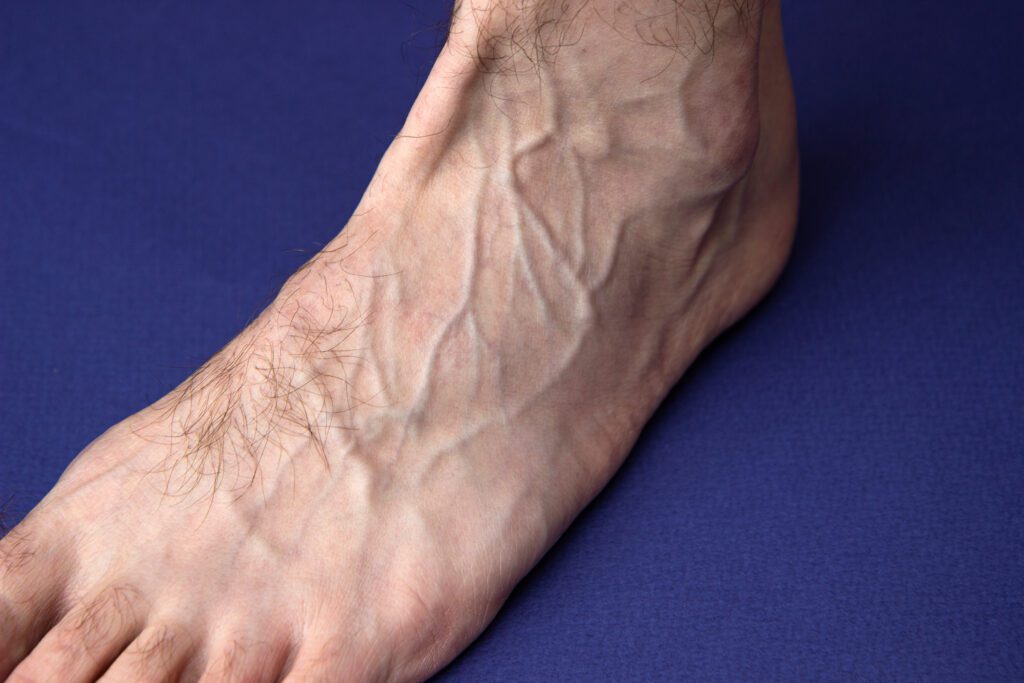
Are your varicose veins becoming more visible or bulging?
Bulging twisted veins are more than cosmetic. They signal underlying vein valve dysfunction and often worsen over time.
Do your symptoms interfere with daily activities?
If leg discomfort limits walking, standing, travel, exercise, or sleep, vein disease may be affecting your quality of life.
Do your legs itch, burn, or cramp?
Unusual sensations including itching, burning, throbbing, or nighttime cramping are common signs of vein irritation.
Do symptoms worsen with heat, cold, or long travel days?
Temperature changes and prolonged sitting can increase vein pressure and highlight circulation problems.
Have you noticed skin changes near your ankles or lower legs?
Dryness, discoloration, thickening, or tenderness around the ankles may signal advancing venous disease.
Do symptoms seem worse than last year?
Progression over time is a key indicator. Vein disease typically worsens without treatment rather than stabilizing.
If you answered “YES” to any of the questions above, it’s time to schedule a vein screening.
Are Bulging Veins Dangerous?
While varicose veins aren’t always immediately dangerous, they are a sign of vein dysfunction. Left untreated, they may lead to:
- Chronic pain or swelling
- Skin changes or infections
- Inflammation (phlebitis)
- Blood clots in superficial veins
- Venous ulcers in advanced cases
An evaluation helps determine severity and appropriate treatment options.
Is Vein Treatment Cosmetic or Medical?
This is one of the most common misconceptions. While some vein concerns are cosmetic, many vein treatments are medically indicated when symptoms are present.
Treatment is often recommended when patients experience:
- Pain, heaviness, or swelling
- Functional limitations
- Skin changes
- Recurrent inflammation
- Progressive symptoms
A diagnostic ultrasound helps determine whether treatment is medically appropriate.
Does Vein Disease Worsen Without Treatment?
In most cases, yes. Vein disease is progressive. Symptoms may fluctuate, but the underlying valve damage typically continues.
Early treatment can:
- Relieve discomfort
- Improve circulation
- Prevent complications
- Reduce the likelihood of more advanced disease
Waiting often leads to more extensive treatment needs later.
Treatment Options for Symptomatic Vein Disease
Modern vein treatments are minimally invasive and performed in-office. Your specialist will recommend options based on vein size, location, and severity.
Radiofrequency Ablation (RFA)
Uses gentle heat to close diseased veins and reroute blood flow to healthier veins. Recovery is quick with minimal downtime.
VenaSeal™
Uses a medical adhesive to seal faulty veins without heat or tumescent anesthesia. Many patients resume normal activity immediately.
Phlebectomy
Removes bulging surface veins through tiny incisions, often combined with other treatments for optimal results.
Frequently Asked Questions
If you experience leg pain, swelling, heaviness, visible veins, or symptoms that worsen over time, a vein evaluation can determine whether treatment is appropriate.
Not always, but they often indicate underlying venous insufficiency that can progress without treatment.
When symptoms are present and treatment is medically necessary, many insurance plans provide coverage. Patients are encouraged to verify benefits with their insurance provider.
Most modern treatments involve minimal discomfort and allow a quick return to daily activities.
If symptoms persist, worsen, or interfere with daily life, or if visible veins continue to progress, it’s time to schedule an evaluation.
Share This Checklist
Many people live with vein symptoms without realizing treatment options exist. Sharing this checklist can help friends or family recognize signs earlier and seek appropriate care.
When To Seek Care and How UVVC Can Help
If this checklist sounds familiar, it may be time to take the next step. Persistent leg symptoms are not something you have to live with, and early evaluation can help prevent progression.
At United Vein & Vascular Centers, our specialists provide comprehensive evaluations, advanced imaging, and personalized treatment plans using minimally invasive techniques.
Find a clinic near you and schedule your consultation today.
Medically reviewed by UVVC National Medical Director, Dr. Domenic Zambuto