
Understanding Chronic Wounds and Poor Circulation
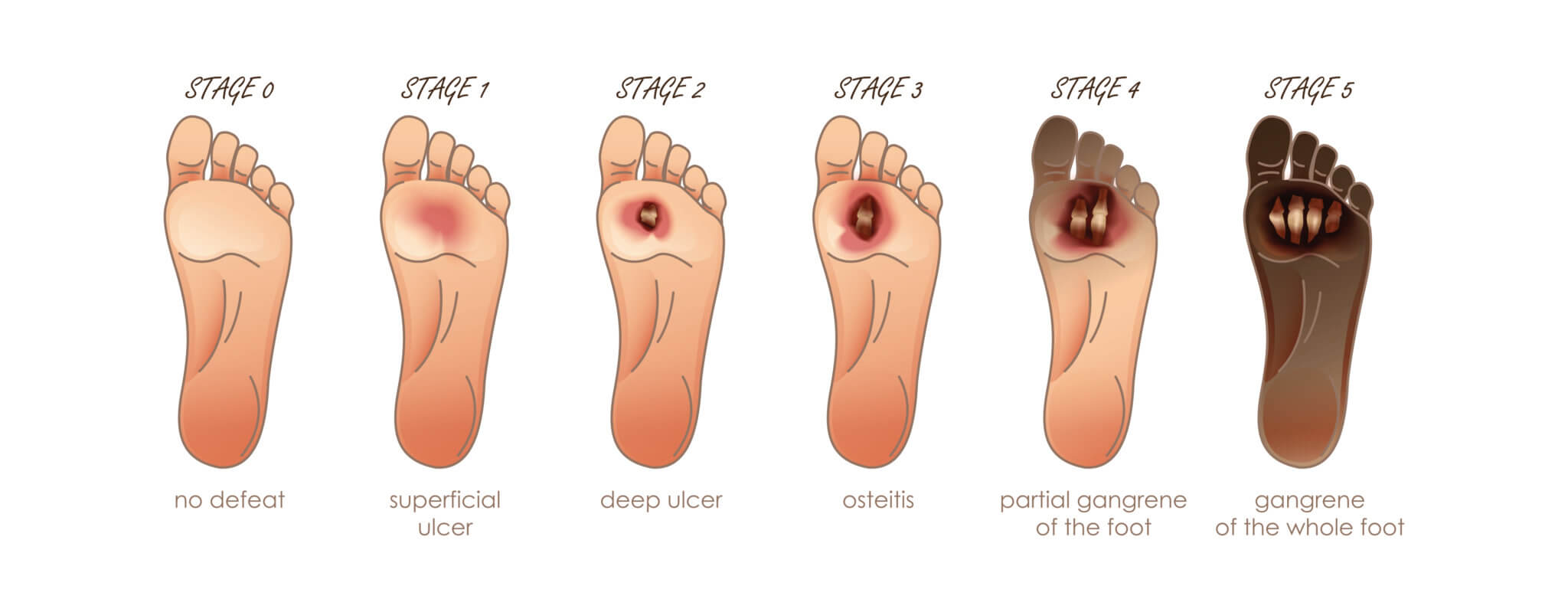
A chronic wound is a sore that does not heal through the normal stages of healing within about four to six weeks. While minor cuts and scrapes typically improve with proper care, chronic wounds remain open or repeatedly reopen because the underlying cause has not been addressed.
These wounds most commonly develop on the feet, ankles, or lower legs and may become painful, swollen, or prone to infection. They can also make walking, exercising, and completing daily activities more difficult.
Poor circulation is one of the most common reasons a wound does not heal properly. When blood cannot efficiently deliver oxygen and nutrients to damaged tissue, the body’s natural healing process slows significantly. Identifying the underlying cause is often the first step toward improving circulation and supporting healing.
Request a Consultation
How Poor Circulation Can Lead to Chronic Wounds
Healthy blood circulation supplies the skin and surrounding tissues with oxygen and nutrients needed for healing. When circulation becomes impaired, even a small injury can develop into a chronic wound.
Two of the most common vascular conditions associated with chronic wounds are chronic venous insufficiency (CVI) and peripheral artery disease (PAD). Although both affect circulation, they do so in different ways and often produce different symptoms.
Venous Disease and Venous Leg Ulcers
Chronic venous insufficiency occurs when the valves inside the leg veins no longer close properly. Instead of moving efficiently back toward the heart, blood pools in the lower legs, increasing pressure inside the veins.
Over time, this increased pressure can damage the surrounding skin and tissues, leading to venous leg ulcers. These wounds most often develop around the ankles and may be accompanied by:
— Leg swelling
— Aching or heaviness
— Varicose veins
— Brown or reddish skin discoloration
— Thickened or hardened skin
— Drainage from the wound
Venous ulcers account for the majority of chronic leg ulcers and often require evaluation of the underlying vein disease to determine the most appropriate treatment plan.
Peripheral Artery Disease and Arterial Ulcers
Peripheral artery disease occurs when plaque builds up inside the arteries, reducing blood flow to the legs and feet. Without adequate oxygen-rich blood, tissues cannot heal normally.
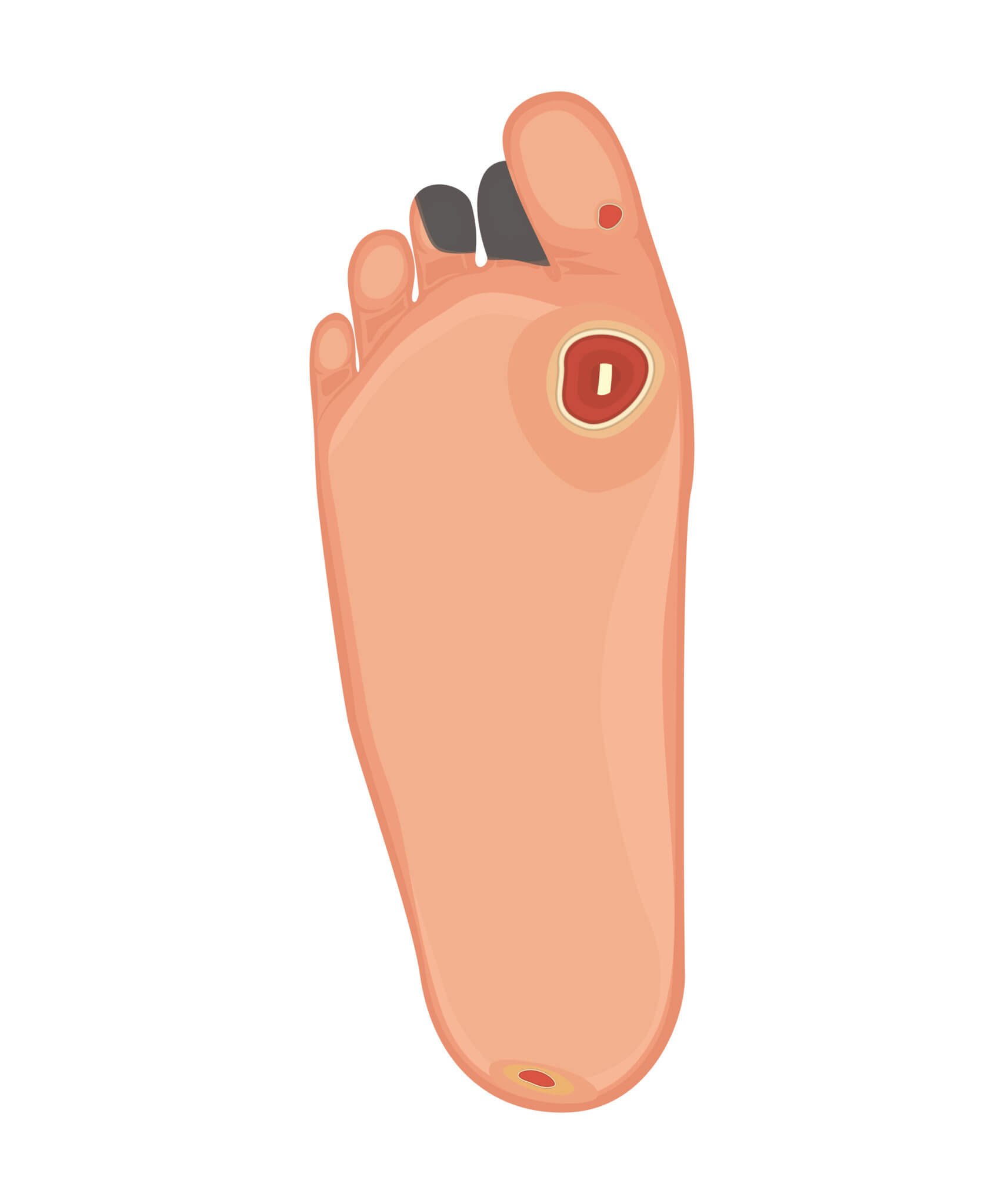
Arterial ulcers are more likely to develop on the toes, heels, or feet and may be associated with:
— Pain while walking that improves with rest
— Pain while resting, especially at night
— Cool or pale skin
— Hair loss on the legs
— Slow-growing toenails
— Blackened tissue or gangrene in severe cases
Because arterial disease can affect overall cardiovascular health, prompt medical evaluation is important whenever poor circulation is suspected.
Risk Factors for Chronic Wounds
Several health and lifestyle factors can increase your risk of developing a chronic wound by affecting circulation or delaying the body’s ability to heal.
You may be at greater risk if you:
— Have chronic venous insufficiency or peripheral artery disease
— Have diabetes
— Have high blood pressure or high cholesterol
— Smoke or use tobacco products
— Are overweight or obese
— Spend long periods sitting or standing
— Are over the age of 60
— Have a family history of vein or arterial disease
While not every chronic wound is caused by poor circulation, these risk factors can significantly increase the likelihood that an underlying vascular condition is contributing to delayed healing.

When Should You Seek Medical Evaluation?
A wound that does not show signs of improvement after several weeks should always be evaluated by a healthcare professional. Early evaluation can help identify whether poor circulation or another medical condition is preventing normal healing.
You should seek prompt medical attention if you notice:
— A wound that has not healed after four to six weeks
— Increasing pain around the wound
— Drainage, odor, or signs of infection
— Increasing redness or swelling
— Skin discoloration around the wound
— Blackened skin or tissue
— Fever or chills
If you are also experiencing symptoms such as leg swelling, varicose veins, heaviness, or pain while walking, a vascular evaluation may help determine whether an underlying circulation problem is contributing to your symptoms.
Request a Vascular Consultation to Get Started
At United Vein & Vascular Centers, our specialists evaluate patients for underlying vein and arterial conditions that may contribute to poor circulation and delayed wound healing. Using advanced diagnostic ultrasound and vascular testing, we assess blood flow to determine whether conditions such as chronic venous insufficiency or peripheral artery disease may be affecting your vascular health.
While we do not provide wound care services, identifying and treating an underlying vascular condition may be an important part of your overall care plan. If appropriate, our specialists work alongside your primary care physician or wound care provider to help ensure your circulation is thoroughly evaluated.
If you have a slow-healing wound along with symptoms of poor circulation, finding the underlying cause may help guide the next steps in your care.