
Contents
- Q: What are varicose veins?
- Q: Can varicose veins cause leg cramps?
- Q: Why do leg cramps often happen at night or while resting?
- Ready to Get Rid of Your Leg Cramps?
- Q: What other symptoms may occur with vein-related leg cramps?
- Q: When may leg cramps signal a vein problem?
- Q: What treatment options may help with vein-related symptoms?
- Frequently Asked Questions
- What’s Next in the Ask the Doc Series
Welcome back to Ask the Doc, an educational series from United Vein & Vascular Centers designed to provide clear, physician-led answers to common questions about vein and vascular health. Each week, a UVVC physician explains everyday symptoms and what they may mean medically.
In this installment, Dr. Michelle Mon answers a question many patients ask when they experience recurring leg cramps, especially at night or while resting:
“Can varicose veins cause leg cramps?”
Q: What are varicose veins?
Dr. Mon:
Varicose veins are enlarged, twisted veins that often appear near the surface of the skin. They may look blue, purple, raised, or rope-like, and they most commonly develop in the legs.
Varicose veins often form when the valves inside the leg veins are not working properly. These valves are meant to help blood move upward toward the heart. When they become weak or damaged, blood can flow backward and pool in the legs. This is known as venous reflux.
Over time, this increased pressure can cause veins to stretch, enlarge, and become visible. For some patients, varicose veins are mainly a visible concern. For others, they can be associated with symptoms such as aching, heaviness, swelling, throbbing, itching, burning, restless legs, or cramping.
Q: Can varicose veins cause leg cramps?
Dr. Mon:
Varicose veins may contribute to leg cramps in some patients, especially when they are connected to underlying vein disease or venous reflux.
When blood is not moving efficiently out of the legs, pressure can build in the veins and surrounding tissues. This can lead to discomfort, heaviness, swelling, throbbing, and, in some cases, cramping.
It is important to remember that leg cramps can happen for many reasons. Dehydration, muscle strain, electrolyte imbalances, certain medications, nerve issues, and other circulation concerns can all play a role. However, when leg cramps happen along with varicose veins, leg swelling, heaviness, aching, or skin changes, it may be worth evaluating whether vein disease is contributing to the symptoms.
Q: Why do leg cramps often happen at night or while resting?
Dr. Mon:
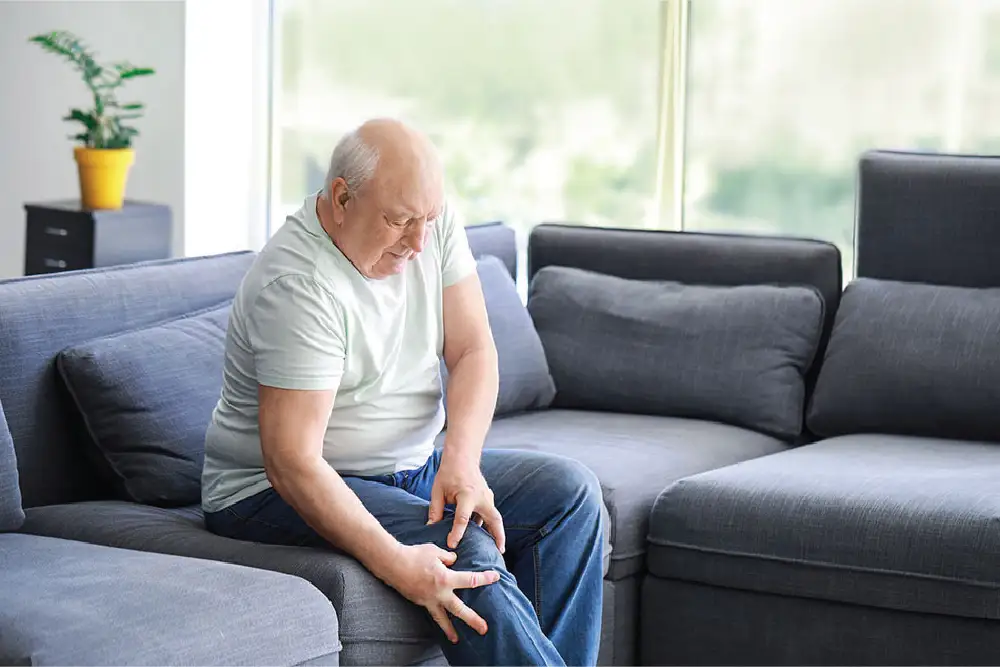
Many patients notice leg cramps at night because that is when symptoms become harder to ignore. During the day, movement helps activate the calf muscles, which support blood flow back toward the heart. When you are resting or lying down, you may become more aware of tightness, aching, throbbing, or cramping sensations.
If vein disease is involved, symptoms may also build throughout the day after long periods of sitting or standing. By nighttime, the legs may feel heavy, tired, swollen, or uncomfortable.
Nighttime leg cramps are not always caused by varicose veins, but they can be part of a larger symptom pattern. If cramps occur along with visible veins, swelling, heaviness, or restless legs, a vein screening can help determine whether venous reflux may be involved.
Ready to Get Rid of Your Leg Cramps?
Request a vein screening with our board-certified vein specialists today to get started.
Q: What other symptoms may occur with vein-related leg cramps?
Dr. Mon:
Leg cramps may occur alongside several other symptoms when vein disease is contributing to the problem. Patients may experience:
- Leg heaviness
- Aching or throbbing
- Swelling in the ankles or lower legs
- Visible varicose veins
- Spider veins with discomfort
- Restless legs
- Itching or burning near affected veins
- Skin discoloration around the ankles or lower legs
- Symptoms that worsen after sitting or standing for long periods
- Symptoms that improve with walking or leg elevation
These symptoms can develop gradually, so patients may not always connect them right away. Some people assume their legs are tired because of age, work, activity level, or a busy routine. But when symptoms keep coming back, it is a good idea to have them evaluated.
Q: When may leg cramps signal a vein problem?
Dr. Mon:
Leg cramps may be more likely to signal a vein problem when they occur with other signs of vein disease. This includes visible varicose veins, leg swelling, aching, heaviness, throbbing, restless legs, or skin changes.
Cramps that worsen after standing or sitting for long periods may also suggest that circulation in the legs is playing a role. Some patients also notice that their symptoms improve when they walk, elevate their legs, or wear compression stockings.
A vein screening can help identify whether symptoms may be connected to venous reflux or chronic venous insufficiency. If additional evaluation is needed, a diagnostic ultrasound may be recommended to assess how blood is moving through the leg veins.
Patients should seek prompt medical attention if leg pain is sudden, severe, associated with significant swelling, or occurs with redness, warmth, shortness of breath, or chest pain. These symptoms may point to a more urgent medical concern.
Q: What treatment options may help with vein-related symptoms?
Dr. Mon:
Treatment depends on the patient’s symptoms, ultrasound findings, vein anatomy, and overall health. If leg cramps are related to underlying vein disease, treating the affected veins may help reduce symptoms for some patients.
At United Vein & Vascular Centers, treatment plans are personalized. Some patients may benefit from conservative steps such as walking regularly, elevating the legs, avoiding long periods of sitting or standing, staying hydrated, and wearing compression stockings if recommended.
When vein disease is confirmed, minimally invasive treatment options may be recommended. These may include radiofrequency ablation, VenaSeal™, Varithena®, or ultrasound-guided sclerotherapy, depending on the veins involved.
The goal of treatment is to address diseased veins so blood can reroute through healthier veins. This may help reduce symptoms associated with venous reflux, including swelling, heaviness, aching, and discomfort.
Frequently Asked Questions
Yes, varicose veins may contribute to nighttime leg cramps when they are connected to venous reflux or underlying vein disease. When blood pools in the legs, it can increase pressure and discomfort, which may become more noticeable while resting or at night.
Leg cramps while resting can happen for many reasons, including dehydration, muscle fatigue, medication side effects, nerve issues, or circulation problems. If cramps occur with varicose veins, swelling, heaviness, aching, or restless legs, a vein screening can help determine whether vein disease may be contributing.
Leg cramps can sometimes be associated with circulation problems, but they are not always caused by poor circulation. When cramps happen with visible veins, swelling, skin changes, or leg heaviness, a vein specialist can evaluate whether venous reflux or another circulation issue may be involved.
If leg cramps are related to underlying vein disease, treating the affected veins may help reduce symptoms for some patients. Results vary, and treatment recommendations depend on your symptoms, ultrasound findings, and overall health.
You should consider seeing a vein specialist if leg cramps are frequent, worsening, disrupting your sleep, or occurring with varicose veins, swelling, heaviness, aching, or skin changes. A vein screening can help identify whether vein disease may be contributing to your symptoms.
What’s Next in the Ask the Doc Series
Leg cramps can be frustrating, especially when they interrupt sleep or happen alongside other symptoms like swelling, heaviness, or visible veins. While cramps can have many causes, understanding the possible connection between varicose veins and vein disease can help patients know when to seek evaluation.
The Ask the Doc series continues to explore common questions about vein conditions, symptoms, and treatment options.
In our next installment, Dr. Arthur James will answer another frequently asked question: are spider veins a sign of venous insufficiency? He’ll explain when spider veins may be more than a cosmetic concern, how they can relate to underlying vein disease, and when patients should consider scheduling a vein screening.
If you’re experiencing leg cramps, varicose veins, swelling, or heaviness in your legs, schedule a vein screening with United Vein & Vascular Centers to learn whether underlying vein disease may be contributing to your symptoms.
Medically reviewed by Dr. Domenic Zambuto, National Medical Director at United Vein & Vascular Centers. Board-certified in vascular and interventional radiology, Dr. Zambuto has more than 20 years of experience treating vascular disease and helping patients manage complex vein and circulatory conditions.