
Contents
- Q: Are spider veins a sign of venous insufficiency?
- Q: What are spider veins?
- Q: What is venous insufficiency?
- Q: When may spider veins signal an underlying vein problem?
- Q: What other symptoms should patients watch for?
- Q: What treatment options may be available if vein disease is found?
- Q: Why is evaluation important before treatment?
- Frequently Asked Questions
- What’s Next in the Ask the Doc Series
Welcome back to Ask the Doc, an educational series from United Vein & Vascular Centers designed to provide clear, physician-led answers to common questions about vein and vascular health. Each week, a UVVC physician explains everyday symptoms and what they may mean medically.
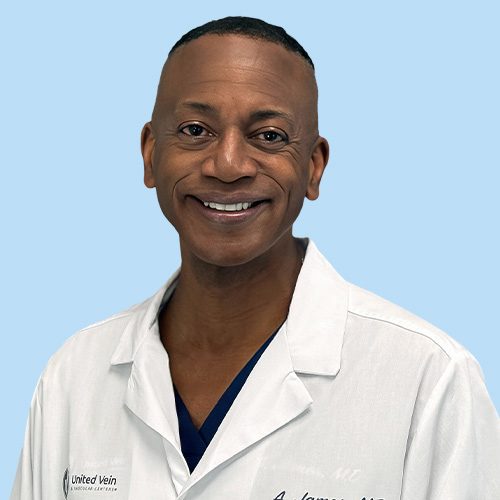
In this installment, Dr. Arthur James answers a question many patients ask when they notice small visible veins on their legs:
“Are spider veins a sign of venous insufficiency?”
Q: Are spider veins a sign of venous insufficiency?
Dr. James:
No, spider veins are not always a sign of venous insufficiency. Some spider veins are isolated and may not be connected to a deeper vein issue.
Spider veins can develop for several reasons, including genetics, aging, hormonal changes, pregnancy, sun exposure, prolonged sitting or standing, and changes in circulation. Some patients may have spider veins without pain, swelling, or other symptoms.
However, spider veins can sometimes appear alongside venous insufficiency or venous reflux. This is why symptoms matter. If spider veins appear alongside other recurring leg symptoms, especially discomfort, swelling, or changes that worsen throughout the day, it may be worth having your vein health evaluated.
A vein screening can help determine whether spider veins are isolated or whether an underlying vein condition may be contributing to your symptoms.
Q: What are spider veins?
Dr. James:
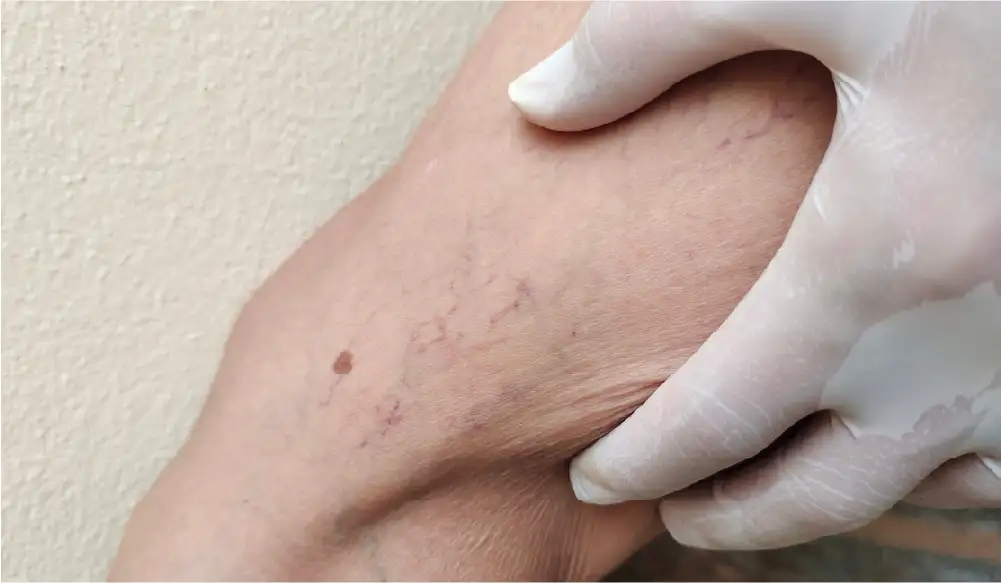
Spider veins are small, visible veins that often appear as thin red, blue, or purple lines near the surface of the skin. They may look like branches, webs, or clusters and are commonly found on the legs, ankles, or face.
For some patients, spider veins are mainly a visible concern. For others, they may appear with symptoms such as aching, heaviness, burning, itching, swelling, or discomfort in the legs.
It is important to understand that spider veins are not always just cosmetic. In some cases, they may appear alongside underlying vein disease, especially when other symptoms are present.
Q: What is venous insufficiency?
Dr. James:
Venous insufficiency is a condition that occurs when the veins in the legs have difficulty moving blood back toward the heart. Healthy leg veins contain one-way valves that help blood flow upward. When these valves weaken or do not close properly, blood can flow backward and pool in the legs.
This backward flow is called venous reflux.
Over time, venous reflux can increase pressure in the veins and surrounding tissues. This may contribute to symptoms like a throbbing feeling in the legs, varicose veins, skin changes, and, in some cases, spider veins.
Chronic venous insufficiency, or CVI, can progress gradually. Many patients do not realize their symptoms may be connected until they begin noticing discomfort, visible vein changes, or swelling that keeps coming back.
Q: When may spider veins signal an underlying vein problem?
Dr. James:
Spider veins may be more likely to signal an underlying vein problem when they occur with other symptoms of vein disease. This can include swelling, heaviness, aching, throbbing, or discomfort that worsens after long periods of sitting or standing.
Patients should also pay attention to spider veins that appear near areas of skin discoloration, irritation, or visible varicose veins. These changes may suggest that pressure in the vein system is affecting the surrounding tissue.
Spider veins may deserve further evaluation if they are associated with:
- Leg heaviness
- Aching or throbbing
- Swelling in the ankles or lower legs
- Burning or itching near visible veins
- Restless legs
- Varicose veins
- Skin discoloration around the ankles or lower legs
- Symptoms that worsen after standing or sitting
- Symptoms that improve with walking or leg elevation
Not every patient with spider veins has venous insufficiency, but these symptoms can provide important clues.
Q: What other symptoms should patients watch for?
Dr. James:
Patients should watch for symptoms that suggest the leg veins may not be moving blood efficiently. These symptoms may develop slowly, so they can be easy to dismiss at first.
Some patients assume their legs feel tired because of age, work, exercise, travel, or long days on their feet. While those factors can contribute to discomfort, recurring symptoms may point to an underlying vein problem.
Symptoms to watch for include leg swelling, aching, heaviness, cramping, throbbing, restless legs, itching, burning, skin discoloration, or skin texture changes. Slow-healing wounds near the lower legs, ankles, or feet should also be evaluated promptly, as they may be related to circulation concerns.
If symptoms are persistent, worsening, or interfering with daily activities, a vein screening can help determine whether venous reflux or chronic venous insufficiency may be involved.
Q: What treatment options may be available if vein disease is found?
Dr. James:
Treatment depends on the patient’s symptoms, ultrasound findings, vein anatomy, and overall vein health. The first step is determining whether spider veins are isolated or connected to an underlying vein condition.
If symptoms or diagnostic findings suggest venous reflux, a vein specialist may recommend treatment to address the affected veins beneath the surface. The goal is to improve how blood moves through the healthier veins and reduce symptoms related to poor vein function.
Treatment options may include radiofrequency ablation, VenaSeal™, Varithena®, ultrasound-guided sclerotherapy, microphlebectomy, or a combination of treatments, depending on the veins involved.
It is important to note that treatment is not the same for every patient. Some spider veins may not require medical treatment, while others may be part of a larger vein issue that should be evaluated. A personalized treatment plan helps ensure care is based on the underlying cause, not just the visible veins.
Q: Why is evaluation important before treatment?
Dr. James:
Evaluation is important because visible veins do not always tell the full story. A patient may have spider veins on the surface, but the underlying issue may be deeper venous reflux. Another patient may have spider veins without a deeper vein problem.
A vein screening allows a specialist to review symptoms, examine visible veins, and determine whether additional testing may be needed. If underlying vein disease is suspected, a diagnostic ultrasound may be recommended to evaluate blood flow and identify veins that are not functioning properly.
This helps guide the treatment plan and ensures that recommendations are based on the patient’s specific condition.
Frequently Asked Questions
Spider veins are not always dangerous and may be cosmetic for some patients. However, they can sometimes appear alongside symptoms of underlying vein disease. If spider veins occur with leg swelling, heaviness, aching, burning, itching, or visible varicose veins, a vein screening may be helpful.
Spider veins can sometimes be associated with circulation issues, especially when they appear with symptoms such as swelling, heaviness, aching, or discomfort. They do not always mean poor circulation is present, but they may be a reason to have your vein health evaluated.
Venous insufficiency often occurs when the valves inside the leg veins weaken or stop working properly. This allows blood to flow backward and pool in the legs. Risk factors may include family history, aging, pregnancy, hormonal changes, prolonged sitting or standing, obesity, and previous blood clots.
You should consider seeing a vein specialist if spider veins are accompanied by leg swelling, aching, heaviness, burning, itching, restless legs, varicose veins, or skin changes. A screening may also be helpful if your spider veins are worsening or if symptoms are affecting your daily comfort.
United Vein & Vascular Centers evaluates spider veins to determine whether they may be connected to underlying vein disease. If symptoms or ultrasound findings suggest venous reflux or another vein issue, a specialist can recommend treatment options based on the patient’s overall vein health.
What’s Next in the Ask the Doc Series
Spider veins are often easy to dismiss, but they can sometimes provide clues about what is happening beneath the surface. While not every spider vein is a sign of venous insufficiency, symptoms such as swelling, heaviness, aching, burning, itching, or visible varicose veins may indicate that a deeper vein issue should be evaluated.
The Ask the Doc series continues to explore common questions about vein conditions, symptoms, and treatment options.
In our next installment, Dr. Conrad Manayan will answer another frequently asked question: does vein restoration work? He’ll explain what physicians may mean by “vein restoration,” how modern vein treatments address diseased veins, and what patients should know about symptom relief, circulation, and long-term vein health.
If you’re concerned about spider veins or symptoms that may be related to underlying vein disease, schedule a screening with United Vein & Vascular Centers to learn whether further evaluation may be right for you.
Medically reviewed by Dr. Domenic Zambuto, National Medical Director at United Vein & Vascular Centers. Board-certified in vascular and interventional radiology, Dr. Zambuto has more than 20 years of experience treating vascular disease and helping patients manage complex vein and circulatory conditions.