Deep Vein Thrombosis (DVT)
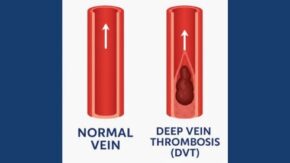
Deep Vein Thrombosis (DVT) is a vein condition that occurs when a blood clot forms in a deep vein, usually in the legs. These clots can restrict healthy circulation and cause pain, swelling, or tenderness.
If left untreated, DVT can lead to serious complications, including chronic venous insufficiency or pulmonary embolism.
Symptoms of Deep Vein Thrombosis
- Swelling in one leg (rarely both)
- Pain or cramping, often starting in the calf
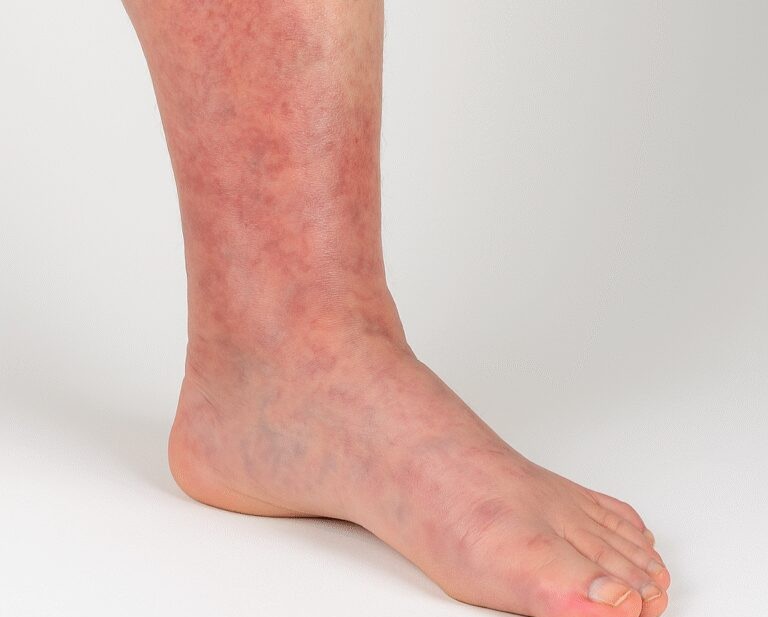
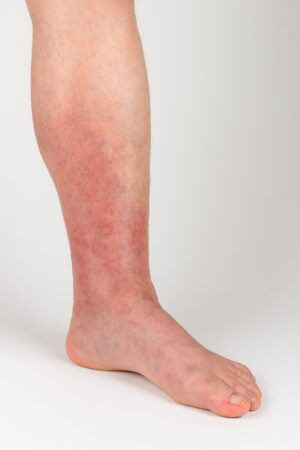
- Warmth or redness over the affected vein
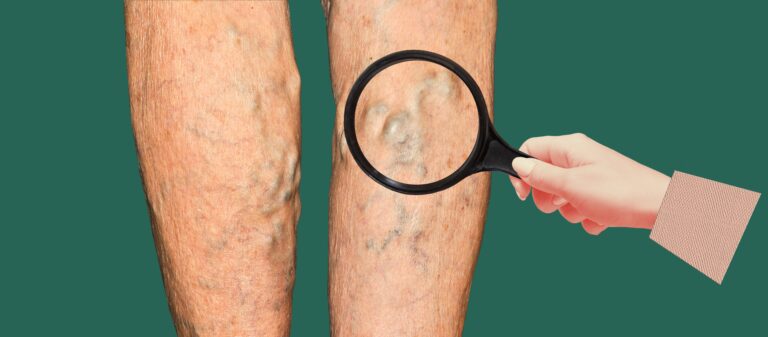
- Skin discoloration or visible surface veins
- Leg heaviness or fatigue
- Sudden shortness of breath or chest pain (emergency — may indicate pulmonary embolism)
Request a Consultation

What causes Deep Vein Thrombosis?
DVT typically develops when blood flow slows or vein walls are damaged, leading to clot formation.
Common causes and risk factors include:
- Prolonged sitting or immobility (e.g., travel, office work, bed rest)
- Recent surgery or injury to the legs
- Pregnancy or postpartum recovery
- Hormone therapy or birth control pills
- Obesity or sedentary lifestyle
- Smoking
- Family or personal history of DVT or vein disease
- Underlying venous reflux or chronic venous insufficiency
How DVT is Diagnosed
Our vein specialists use advanced imaging technology to identify and evaluate DVT quickly.
- Duplex Ultrasound: The most common and non-invasive diagnostic tool to visualize blood flow and clots.
- D-Dimer Blood Test: Detects clotting activity in the bloodstream.
- Venography or MRI: Used when deeper or more complex clots are suspected.
Accurate diagnosis ensures timely treatment to restore healthy blood flow and prevent long-term vein damage.

Treatment Options for DVT
Our clinics provide minimally invasive, in-office treatments designed to relieve symptoms and promote proper circulation.
- Medication Therapy: Anticoagulants (blood thinners) prevent clot growth and new clots from forming.
- Compression Therapy: Custom-fit compression stockings improve venous return and reduce swelling.
- Endovenous Procedures: Catheter-directed thrombolysis or thrombectomy may be used for severe cases.
- Lifestyle Recommendations: Regular movement, hydration, and weight management support long-term vein health.
Our board-certified vein specialists customize each plan to your condition and comfort level.
Frequently Asked Questions
Yes. DVT affects the deep veins and is classified as a serious vein condition requiring medical attention.
Varicose veins affect superficial veins near the skin’s surface, while DVT forms in deeper veins that carry most of your blood flow.
Yes — untreated DVT can lead to chronic swelling, pain, or post-thrombotic syndrome, where damaged veins struggle to return blood effectively.
Yes. Staying active, avoiding prolonged sitting, wearing compression stockings, and maintaining a healthy lifestyle can lower your risk.
Related Articles