
Welcome back to Ask the Doc, an educational series from United Vein & Vascular Centers designed to provide clear, physician-led answers to common questions about vein and vascular health. Each week, a UVVC physician breaks down symptoms patients notice in everyday life and explains what they may mean medically.
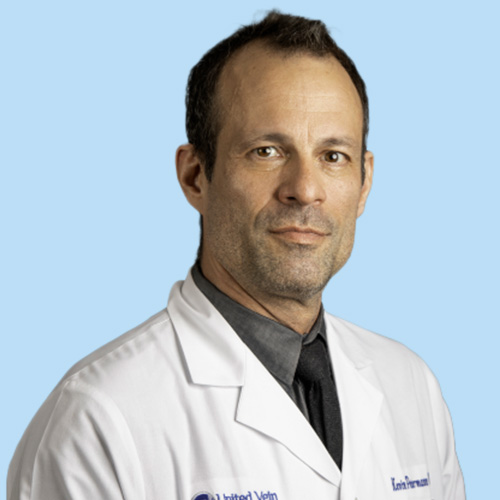
In this installment, Dr. Kevin Petermann addresses a question many patients struggle with:
“Why are my legs swollen and cold, and how do I know if the cause is a vein problem or something else?”
Dr. Petermann:
Leg swelling occurs when fluid builds up in the tissues, and one of the most common causes is poor circulation, leading to chronic venous insufficiency (CVI). In patients with CVI, weakened vein valves allow blood to pool in the legs instead of flowing efficiently back to the heart. That increased pressure forces fluid out of the veins and into the surrounding tissue.
Swelling may:
– worsen throughout the day
– improve overnight, especially early on
– affect one leg more than the other
– feel tight or heavy by evening
While vein disease is a leading cause, swelling can also be related to lymphatic issues, heart conditions, medications, or prolonged inactivity, making proper evaluation essential.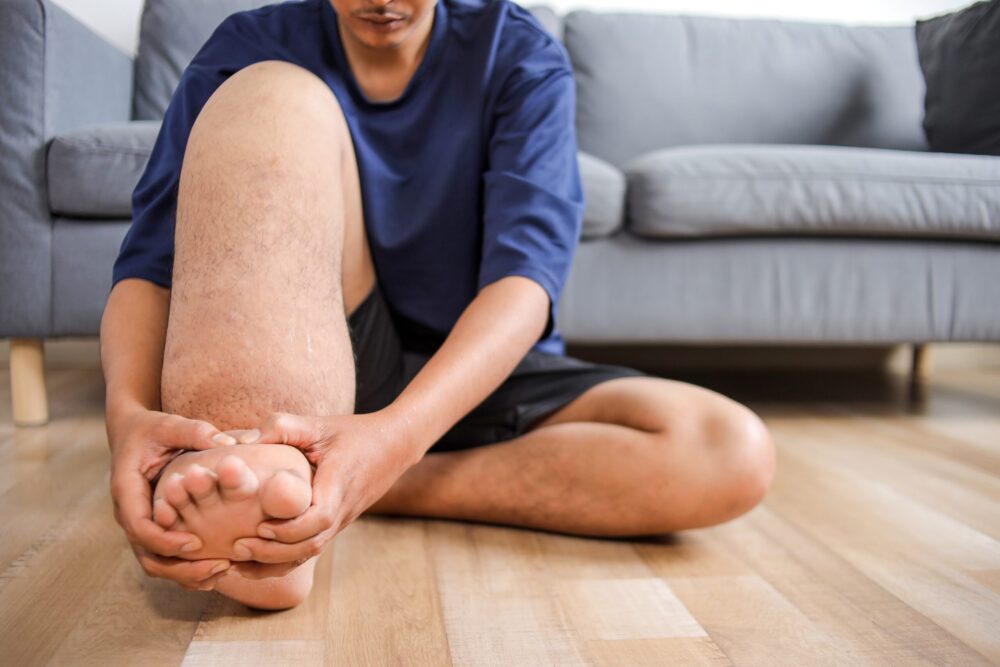
Dr. Petermann:
A cold sensation in the legs doesn’t always mean the skin is physically cold. Many patients describe their legs as feeling cold from the inside, which can be related to circulation or nerve signaling.
Venous disease, arterial disease, and nerve involvement can all contribute to this sensation. When circulation is compromised, tissues may not receive blood efficiently, altering how nerves perceive temperature. That’s why a cold sensation can occur even when the skin feels warm to the touch.
Dr. Petermann:
Vein-related symptoms often follow recognizable patterns. Signs that circulation may be contributing include:
– swelling that worsens after standing or sitting
– heaviness or aching in the legs
– symptoms that improve with elevation
– visible veins or skin changes
– discomfort that’s worse at night
If swelling or cold sensations occur alongside these symptoms, vein disease becomes a strong possibility, but it’s not the only one. That’s why we look at the entire vascular picture, not just one symptom in isolation.
Dr. Petermann:
I recommend seeing a specialist if:
– swelling is persistent or worsening
– only one leg is affected
– swelling no longer improves overnight
– cold sensations occur without environmental cause
– symptoms interfere with sleep or daily activity
– skin discoloration or hardening develops
– visible veins are becoming more prominent
These symptoms can indicate venous disease, lymphatic dysfunction, arterial issues, or a combination, and early evaluation helps prevent progression.
Dr. Petermann:
At UVVC, diagnosis starts with a detailed clinical review, followed by targeted imaging when appropriate. This often includes a venous ultrasound to assess blood flow and valve function, along with additional screening if arterial or lymphatic involvement is suspected.
This comprehensive approach allows us to determine whether symptoms are vein-related or caused by another condition, and to build an individualized treatment plan focused on long-term relief.
What’s Next in the Ask the Doc Series
Ask the Doc was created to help patients understand the full spectrum of vein and vascular health, from subtle symptoms and circulation changes to diagnosis and modern treatment options. Each week, a UVVC physician answers real patient questions to support informed, confident care decisions.
Up next, Dr. Arthur James will explain the warning signs that varicose veins are getting worse and when medical treatment is needed, helping patients recognize when monitoring symptoms is no longer enough. If you’re already experiencing changes or discomfort, you can find a United Vein & Vascular Centers clinic near you and schedule an evaluation with one of our specialists.
Medically reviewed by UVVC National Medical Director, Dr. Domenic Zambuto