Contents
- What Is Vein Ablation?
- Why Veins Stop Working Properly
- How Vein Ablation Works to Improve Circulation
- Types of Vein Ablation Treatments Available Today
- Advantages of Vein Ablation Compared to Traditional Surgery
- What to Expect During Your Vein Ablation Appointment
- Recovery After Vein Ablation
- Who Is a Good Candidate for Vein Ablation?
- The Long Term Health Benefits of Treating Vein Disease
- Frequently Asked Questions
- Take the Next Step Toward Healthier Legs
If you are living with aching legs, visible varicose veins, or swelling that worsens throughout the day, you may have heard your provider mention vein ablation as a treatment option. Many patients are unfamiliar with what this procedure involves and are surprised to learn how quick, effective, and minimally invasive it truly is.
Vein ablation is one of the most advanced treatments available for venous disease today. It is designed to correct the underlying circulation problem rather than simply masking symptoms. Understanding how this treatment works can help you take the next step toward lasting relief and healthier legs.
What Is Vein Ablation?
Vein ablation is a minimally invasive procedure used to treat damaged veins that are no longer functioning properly. These veins often develop when tiny valves inside the vein weaken, allowing blood to flow backward and pool instead of moving efficiently back to the heart.
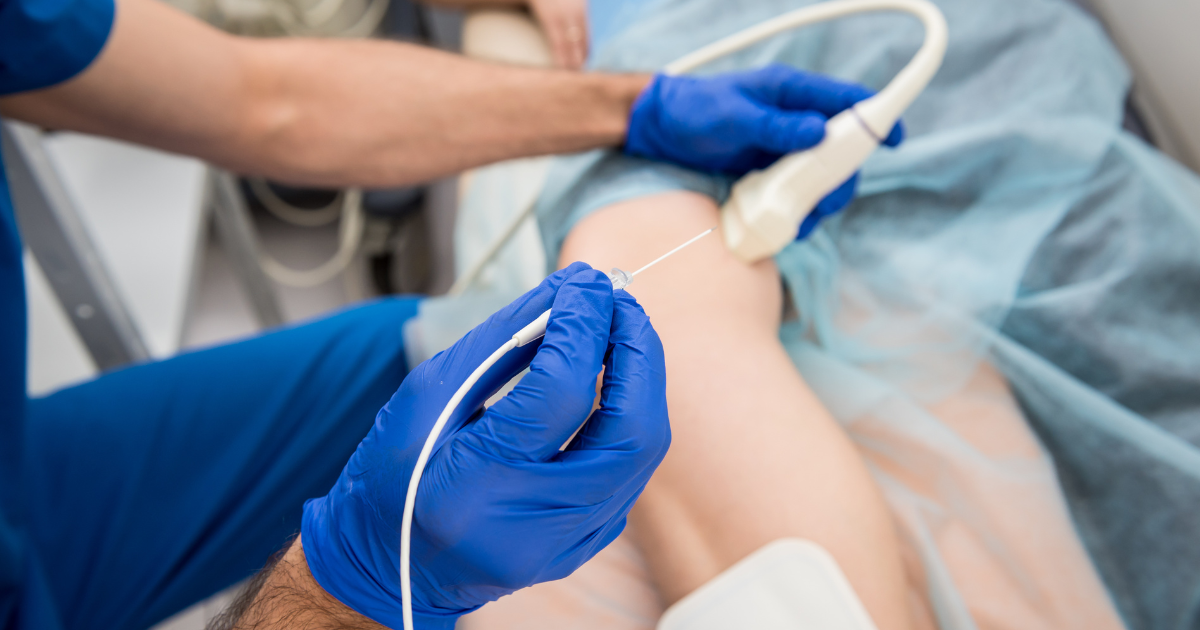
During vein ablation, a specialist uses targeted energy to gently close the faulty vein. Once sealed, the body naturally reroutes blood through nearby healthy veins. Over time, the treated vein is absorbed by the body and fades away.
This process improves circulation, reduces uncomfortable symptoms, and prevents vein disease from progressing.
Why Veins Stop Working Properly
Healthy veins rely on one way valves that keep blood moving upward against gravity. When these valves weaken due to genetics, aging, pregnancy, prolonged standing, or lifestyle factors, blood begins to collect in the legs. This condition is known as venous insufficiency.
Common signs of this issue include:
- Bulging varicose veins
- Spider veins that continue to spread
- Leg heaviness or fatigue
- Swelling in the lower legs or ankles
- Throbbing, burning, or cramping sensations
- Skin discoloration near the ankles
Without treatment, symptoms often worsen over time. Vein ablation directly addresses the source of the problem.
How Vein Ablation Works to Improve Circulation
One of the biggest misconceptions about treating vein disease is the idea that closing a vein is harmful. In reality, the veins treated during ablation are already not working correctly. They disrupt circulation rather than support it.
By closing the malfunctioning vein:
- Blood flow is redirected into healthy veins
- Pressure inside the leg decreases
- Swelling and discomfort begin to resolve
- The risk of long term complications is reduced
Your body already has an extensive network of veins. Vein ablation simply allows that network to function the way it was designed to.
Types of Vein Ablation Treatments Available Today
Modern vein ablation techniques are designed to be precise, safe, and comfortable. The two most common approaches include:
Endovenous Laser Ablation
This method uses laser energy delivered through a very thin catheter. The heat seals the damaged vein, allowing circulation to reroute immediately.
Radiofrequency Ablation
This technique uses controlled radiofrequency energy to gently warm and close the vein wall. It is known for providing consistent results with minimal discomfort.
Both options are performed in an outpatient setting and typically take less than an hour to complete.
Advantages of Vein Ablation Compared to Traditional Surgery
Today’s patients benefit from technology that makes treatment far easier than traditional vein stripping procedures used decades ago.
Key advantages include:
Minimally Invasive Approach
There are no large incisions. Only a small entry point is needed, which means little to no scarring.
Quick Treatment Time
Most procedures are completed within one visit, allowing you to return home the same day.
Faster Recovery
Patients are encouraged to walk immediately after treatment, which supports healing and circulation.
Long Lasting Symptom Relief
By addressing the root cause of venous disease, ablation delivers durable improvement rather than temporary symptom management.
Improved Appearance Over Time
As circulation improves, treated veins gradually fade, resulting in smoother looking skin.
What to Expect During Your Vein Ablation Appointment
Knowing what happens during treatment helps many patients feel more confident moving forward.
Your visit will typically include:
- Ultrasound Mapping: A detailed scan identifies exactly which veins require treatment.
- Local Anesthesia for Comfort: The treatment area is numbed so you remain comfortable throughout the procedure.
- Precise Vein Closure Using Guided Technology: The specialist delivers targeted energy to seal the faulty vein.
- Immediate Walking After Treatment: Movement helps restore healthy blood flow right away.
Most patients are surprised by how simple the experience feels compared to their expectations.
Recovery After Vein Ablation
Recovery is designed to fit into your routine, not disrupt it.

The First Few Days
You may notice mild tenderness or bruising, which is temporary and expected. Walking daily is encouraged to help circulation adjust.
The First Week
Compression stockings may be recommended to support healing. Most people return to work and light activities right away.
The Following Weeks
Symptoms such as heaviness, swelling, and fatigue continue improving as your body adapts to healthier circulation patterns.
Strenuous exercise may be paused briefly, but normal movement is part of the healing process.
Who Is a Good Candidate for Vein Ablation?
Vein ablation is an excellent option for individuals experiencing symptoms related to venous insufficiency or varicose veins that interfere with comfort or mobility.
You may benefit from treatment if you:
- Experience leg discomfort that worsens throughout the day
- Notice visible veins that continue to enlarge
- Feel limited in activity because of leg fatigue or swelling
- Want to prevent vein disease from progressing
An evaluation by a vein specialist can determine whether this treatment is right for you.
The Long Term Health Benefits of Treating Vein Disease
Many patients seek treatment for symptom relief, but vein ablation also supports long term vascular health.
Treating venous disease early may help:
- Reduce inflammation in the legs
- Lower risk of skin damage or ulcers
- Improve endurance for walking and exercise
- Prevent worsening vein dysfunction
- Support overall circulatory efficiency
Healthy circulation plays an essential role in maintaining mobility, comfort, and quality of life as you age.
Frequently Asked Questions
Yes! Vein ablation is a well established treatment performed using advanced imaging and technology. It is designed to target only the problem vein while preserving healthy circulation.
Many patients feel symptom relief within days, while visible improvement continues over several weeks as the treated vein is absorbed by the body.
Some individuals may benefit from follow-up care if additional veins require treatment. Your provider will create a personalized plan based on your condition and goals.
Take the Next Step Toward Healthier Legs
You do not have to live with the discomfort, swelling, or frustration caused by vein disease. Modern vein ablation offers a proven way to restore proper circulation with minimal downtime and lasting results.
The specialists at United Vein & Vascular Centers provide personalized evaluations and advanced treatments designed to reduce symptoms, improve mobility, and help you feel confident in your daily life again.
Schedule a consultation today to learn whether vein ablation is right for you and start your journey toward better circulation and lasting relief.