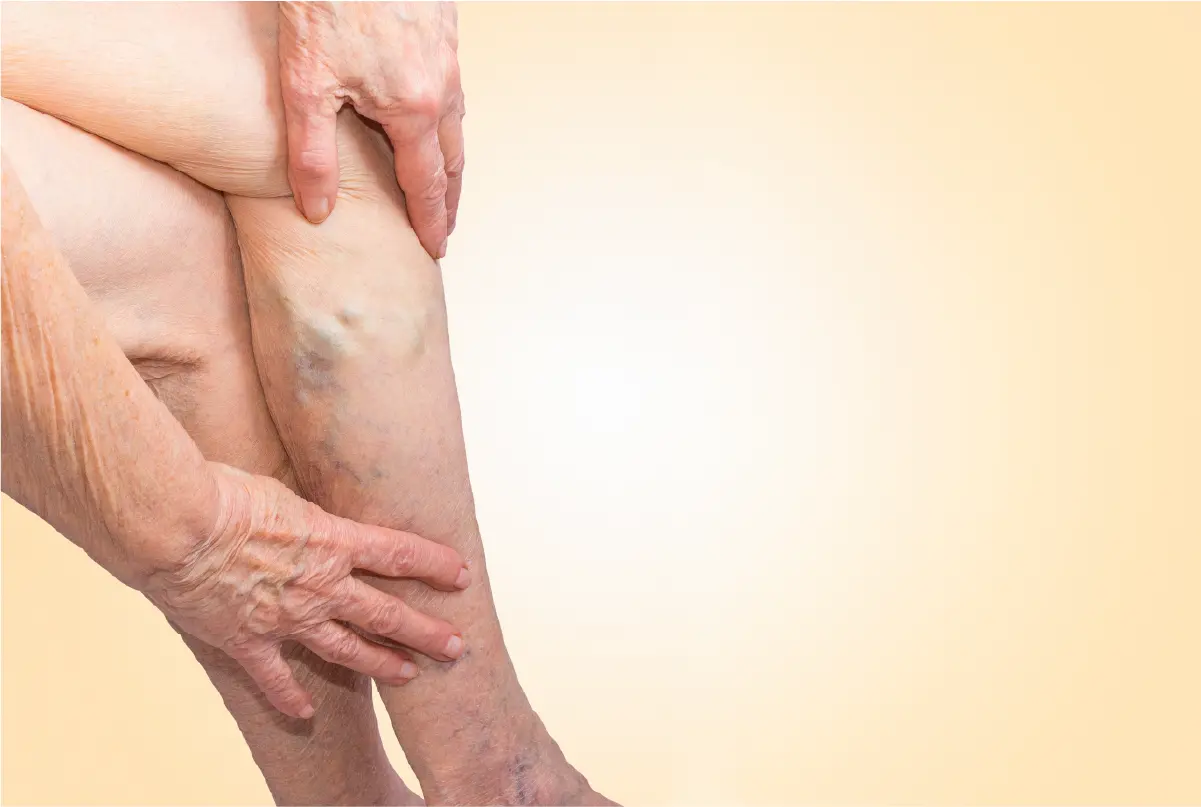
Varicose veins often develop gradually, which can make it easy to put off treatment. Many people live with symptoms for years, assuming discomfort, swelling, or visible veins are simply part of aging or something they have to manage on their own. Over time, however, vein disease can continue to progress beneath the surface.
The good news is that treatment may still help even if symptoms have been present for a long time. Understanding how vein disease changes over time can help you recognize when it may be time to seek evaluation and explore your options for relief.
Do Varicose Veins Get Worse Over Time?
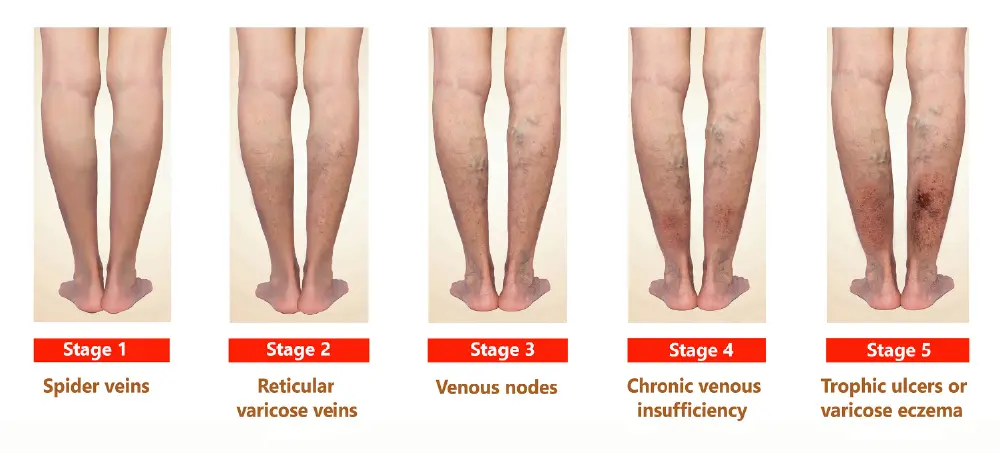
Varicose veins are often a sign of underlying vein disease, which means the condition can continue progressing if circulation problems are not addressed. When vein valves weaken, blood can begin pooling in the legs rather than flowing efficiently back toward the heart.
As pressure within the veins increases, symptoms may gradually become more noticeable. Veins may appear larger or more prominent over time, while discomfort and swelling may become more persistent.
Some people experience only mild symptoms initially, while others may notice symptoms worsening more quickly depending on factors such as genetics, lifestyle, and overall vein health.
What Happens If Vein Disease Is Untreated
Untreated vein disease can lead to ongoing circulation problems and worsening symptoms over time. As pressure continues to build within the veins, additional changes may develop in the legs and surrounding skin.
Potential complications may include:
- Increased swelling in the legs or ankles
- Persistent aching or heaviness
- Skin discoloration or irritation
- Dry, thickened, or shiny skin
- Development of venous ulcers
- More visible or painful varicose veins
Not everyone will experience advanced complications, but early evaluation can help identify vein disease before symptoms progress further.
Can Treatment Still Help at Later Stages?
Even if you have been living with varicose veins for years, treatment may still help improve circulation and relieve symptoms. Many patients seek care after symptoms begin interfering with daily activities, mobility, or comfort.
While earlier treatment may help prevent progression, minimally invasive vein procedures can still be effective at later stages of vein disease. A comprehensive evaluation helps determine the extent of the condition and which treatment options may be most appropriate.
In some cases, treatment plans may involve a combination of approaches to address both underlying vein dysfunction and visible veins.
Available Treatment Options for Varicose Veins
Treatment for varicose veins focuses on improving circulation and addressing the underlying vein dysfunction, not just the appearance of visible veins. Depending on your condition, options may include:
- Compression therapy to support circulation and reduce swelling
- Minimally invasive treatments such as ultrasound-guided sclerotherapy, radiofrequency ablation (RFA), VenaSeal™, or Varithena® to address damaged veins and improve circulation
These treatments are designed to redirect blood flow to healthier veins, helping relieve symptoms and support long-term vein health.
Why Early Evaluation Matters
Visible veins and leg discomfort are sometimes dismissed as cosmetic concerns, but they can be early signs of an underlying circulation issue. Seeking evaluation earlier may help identify vein disease before symptoms become more advanced.
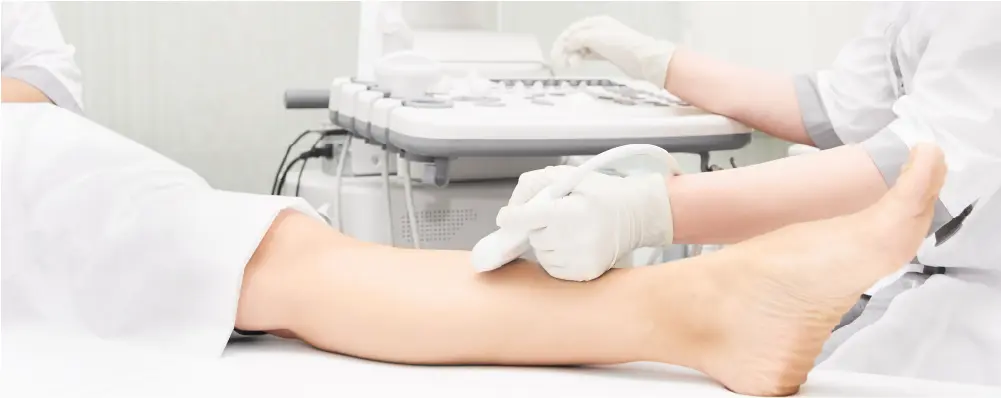
A vein screening can help determine:
- Whether symptoms are related to venous insufficiency
- Which veins are contributing to circulation problems
- What treatment options may be appropriate
- How to help prevent symptoms from progressing over time
Understanding what is happening beneath the surface is an important step toward protecting your long-term vein health.
Frequently Asked Questions
Many varicose veins can still be treated effectively, even after symptoms have been present for years. A vein evaluation helps determine the most appropriate approach.
Yes, minimally invasive treatments may still improve circulation and relieve symptoms, even in later stages of vein disease.
Untreated vein disease may continue progressing and can lead to worsening swelling, skin changes, discomfort, or venous ulcers over time.
Most minimally invasive vein treatments are performed using local anesthesia for comfort and are generally well tolerated.
Recovery is typically minimal compared to traditional surgery, and many patients return to normal activities relatively quickly after treatment.
It’s Not Too Late to Explore Treatment
Many people wait years before seeking care for varicose veins, often assuming symptoms are something they simply have to live with. However, treatment may still help improve circulation, relieve discomfort, and support better quality of life, even if symptoms have been present for a long time.
At United Vein & Vascular Centers (UVVC), our specialists provide comprehensive vein screenings and minimally invasive treatment options tailored to your individual vein health needs.
Schedule a screening to explore treatment options and take the next step toward healthier, more comfortable legs.