
Our Blog
Patient Story: Doris R. Moves More Easily Without Tingling in Her Legs
Tingling in her legs had become part of the discomfort Doris R. was dealing with before seeking vein care. Her legs also felt heavy and uncomfortable, and she was experiencing restless leg symptoms that added to how tired her legs could feel. Together, those changes made everyday movement less comfortable and gave Doris several reasons […]
More Than a Specialty: Dr. Umang Patel on the Impact of Vein Medicine
For Dr. Umang Patel, choosing a career in medicine started with a simple goal: helping people feel better and live better. Throughout his medical training, he found himself drawn to work that combined clinical problem-solving, hands-on care, and meaningful relationships with patients. Eventually, he discovered a specialty that brought all three together: vein medicine. Finding […]
Patient Story: Eddie C. Seeks Answers for Tingling in His Legs
Tingling in the legs can be easy to dismiss at first, especially when it seems to come and go with activity. For Eddie C., the unusual sensation in his legs was happening alongside discomfort while walking and legs that tired quickly. As those symptoms continued, walking became more uncomfortable and harder to ignore. Eddie decided […]
Dr. Grant Fankhauser
Dr. Grant Fankhauser is longer practicing with United Vein & Vascular Centers (UVVC) as of October 9, 2026. We understand provider changes can feel like an adjustment, but please know you’ll continue to receive the trusted care you deserve. At UVVC, your health and comfort always come first. Our team of board-certified vascular specialists is […]

Why Does My Leg Hurt When I Lie Down?
Leg pain can be frustrating enough during the day, but when it starts interfering with your sleep, it can be even more concerning. Whether you’re experiencing aching, cramping, throbbing, or sharp pain when lying down, there are several possible explanations, including muscle cramps, sciatica, nerve problems, and poor circulation. Key Takeaway: In some cases, nighttime […]
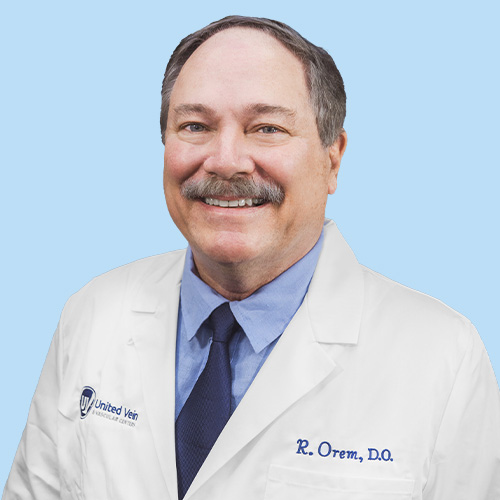
Ask the Doc: What Causes Tingling in My Calf Muscles? With Dr. Randall Orem
Welcome back to Ask the Doc, an educational series from United Vein & Vascular Centers where our physicians help patients make sense of symptoms that can be noticeable, uncomfortable, and sometimes difficult to describe. By looking beyond the symptom itself, each installment explores the patterns that may help identify its source and determine when further evaluation […]
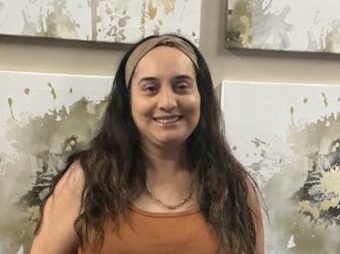
Patient Story: Tania Y. Takes Action After Noticing Visible Varicose Veins
Tania Y. first became concerned after noticing visible veins in her legs. She was not experiencing much pain, but the changes stood out to her because she had seen circulation problems affect other members of her family. That family history made her want to be proactive. Rather than wait for the veins to become more […]

Patient Story: Kyle S. Sees a Difference in His Visible Varicose Veins
Kyle S. first noticed changes in his legs through the appearance of enlarged varicose veins. The veins had become more prominent, but they were not just a visual concern. Kyle also experienced discomfort, end-of-day fatigue, and a restless feeling in his legs, making the changes harder to brush off. Wanting to understand what was behind […]
Ask the Doc: Why Are My Veins Suddenly So Visible? With Dr. Michaela Klein
Welcome back to Ask the Doc, an educational series from United Vein & Vascular Centers where our physicians help patients make sense of symptoms that can be noticeable, uncomfortable, and sometimes difficult to describe. By looking beyond the symptom itself, each installment explores the patterns that may help identify its source and determine when further evaluation […]
Patient Story: Burning Legs Were Making Kara’s Exercise Harder
Burning pain in her legs had become difficult for Kara M. to ignore. She described the discomfort simply as pain in her legs with a burning sensation. While burning legs can have several possible causes, Kara knew the pain had become noticeable enough that she wanted answers rather than continuing to work around it. She […]
Patient Story: Claudia O. Finds Relief from Persistent Burning Legs
A persistent burning sensation in the legs had become increasingly difficult for Claudia O. to ignore. Her legs also felt heavy, itchy, and swollen, but the burning was one of the symptoms that stood out most. It added another layer of discomfort and made being on her feet for longer periods especially difficult. Claudia decided […]

Ask the Doc: Should I Worry About Burning Legs? With Dr. Kevin Fradkin
Welcome back to Ask the Doc, an educational series from United Vein & Vascular Centers where our physicians help patients make sense of symptoms that can be noticeable, uncomfortable, and sometimes difficult to describe. By looking beyond the symptom itself, each installment explores the patterns that may help identify its source and determine when further evaluation […]
Patient Story: Brody Finds Relief for Constantly Itchy Legs
Constant itching can be easy to dismiss at first. It may seem like dry skin, irritation, or something that will eventually settle down on its own. For Brody S., though, the itching in his legs was not the only thing he was experiencing. Both legs were constantly itchy, with pain, aching, and cramping happening alongside […]
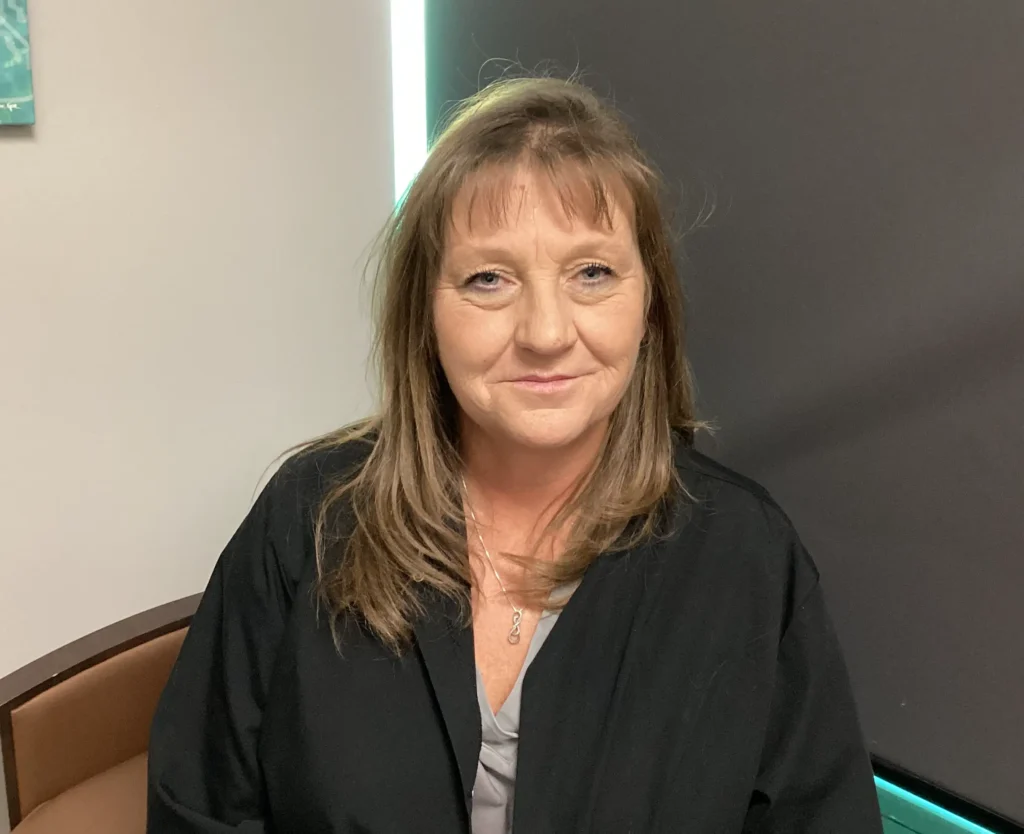
Patient Story: Catherine B. Finds Relief from Persistent Itchy Legs
Persistent itching can be easy to write off as dry skin, a reaction to the weather, or something that just needs a different moisturizer. For Catherine B., though, itchy legs were happening alongside other changes that made it harder to dismiss. Her legs felt very heavy. She was noticing swelling, easy bruising, dryness, and redness […]
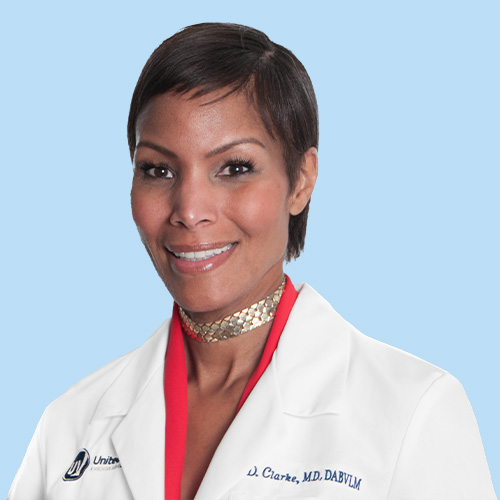
Ask the Doc: Can Itchy Legs After Walking Be Caused by Vein Disease? With Dr. Desiree Clarke
Welcome back to Ask the Doc, where physicians from United Vein & Vascular Centers answer the questions that patients often ask about changes in their legs, circulation, and vascular health. Each installment takes a closer look at what a symptom may mean, the details that can help narrow down its possible causes, and when a […]
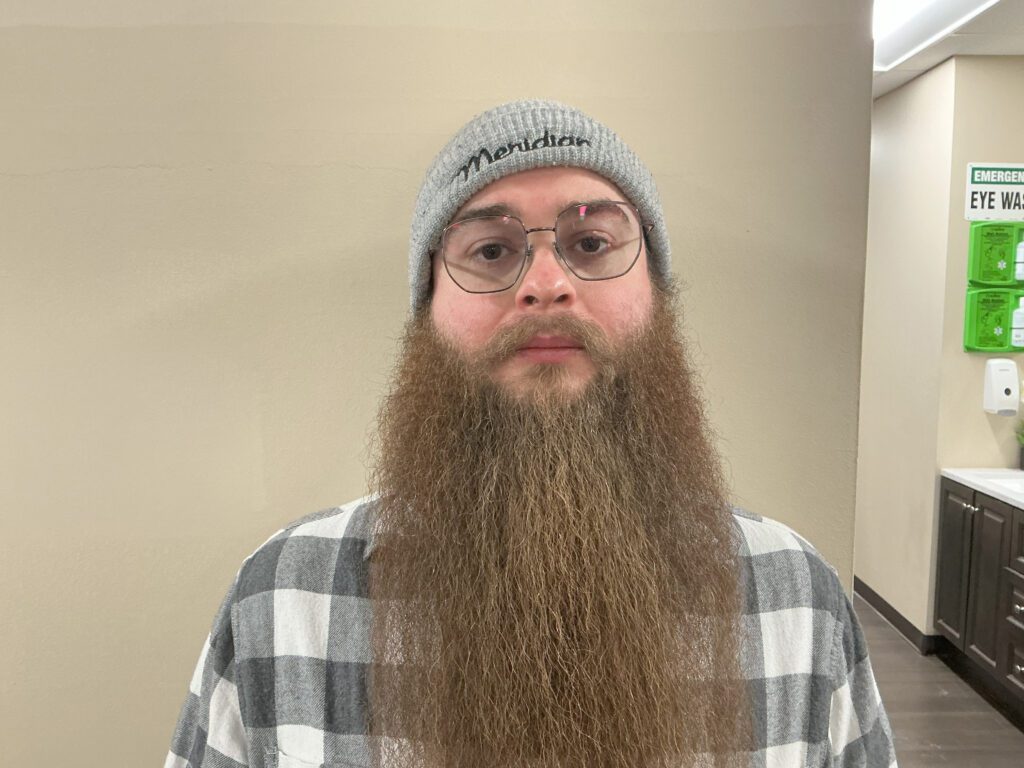
Joseph Gets Back to Cardio After Struggling with Leg Heaviness
Leg heaviness can be easy to dismiss at first, especially when it comes and goes. For Joseph B., though, the sensation was becoming part of a broader pattern that was getting harder to ignore. The changes in his right leg had become bothersome enough that he decided to seek care at United Vein & Vascular […]
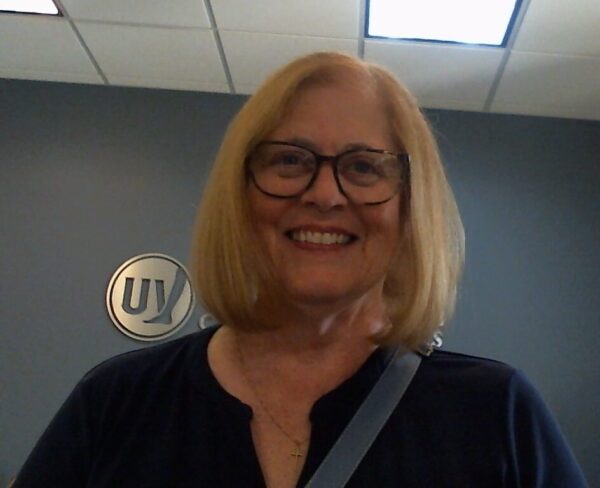
Heavy, Aching Legs Made Walking Hard for Anne
Heavy legs can gradually turn everyday movement into more of an effort. For Anne W., that heaviness was accompanied by achiness, general tiredness, visible varicose veins on her left leg, and groin pain after walking short distances. As the symptoms became more noticeable, Anne found that walking did not feel as easy as it once […]
Finding Balance: Dr. Romina Deldar on Redefining Her Surgical Career
Every surgeon eventually reaches a point where they begin to ask difficult questions about their future. The long nights on call, weekends in the hospital, and unpredictable surgical emergencies are incredibly demanding. At some point, many surgeons find themselves asking: Is this the career I want to practice for the next 25 years? After completing five years of […]
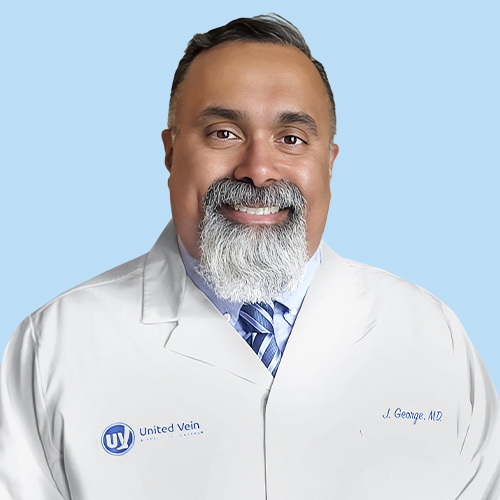
Ask the Doc: Why Do My Legs Feel Extremely Heavy? With Dr. Jojy George
Welcome back to Ask the Doc, where physicians from United Vein & Vascular Centers answer the questions that patients often ask about changes in their legs, circulation, and vascular health. Each installment takes a closer look at what a symptom may mean, the details that can help narrow down its possible causes, and when a […]

Marian’s Foot and Toe Cramps Were Disrupting Her Rest
Foot cramps can seem minor until they begin happening repeatedly, especially at night. When cramping affects the toes, feet, or calves often enough, it can interrupt rest and make it harder to get comfortable. For Marian V., recurring cramping had become difficult to ignore. She was experiencing restless legs along with cramps in her toes […]
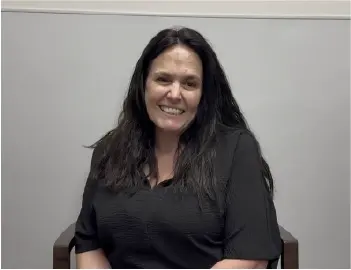
Severe Leg Cramps Were Cutting into Carrie’s Sleep and Energy
Severe leg cramps can make it difficult to get a good night’s sleep, but for some people, the discomfort doesn’t stop there. When recurring leg cramps happen alongside symptoms like swelling, aching, or tired, heavy legs, they may be a sign that it’s time to take a closer look at your vein health. For Carrie […]

Ask the Doc: What Causes Nighttime Foot Cramps? With Dr. Umang Patel
Welcome back to Ask the Doc, an educational series from United Vein & Vascular Centers designed to provide clear, medically grounded answers to common questions about vein and vascular health. Each week, a UVVC physician explains what symptoms may mean, when they warrant attention, and how minimally invasive care may help when an underlying circulation […]
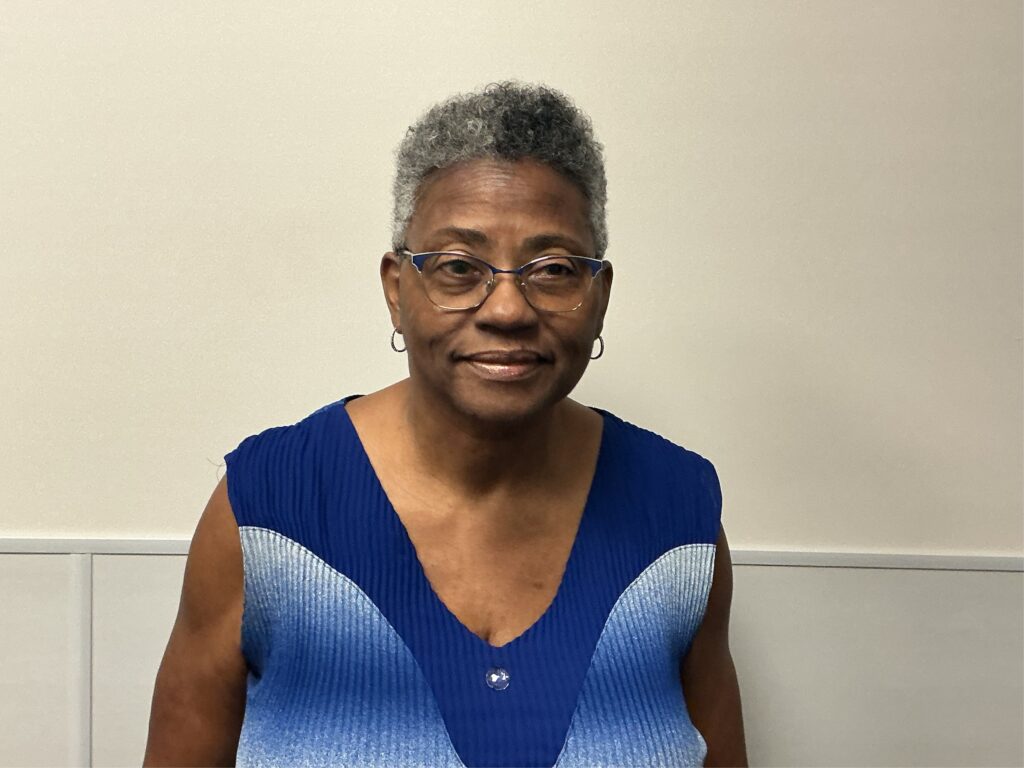
Severe Leg Swelling & Pain Were Affecting Diana’s Life
Leg swelling can gradually become more than an inconvenience. When swelling is accompanied by pain, tenderness, or hardness, it can begin affecting where someone goes, how comfortably they move, and whether they feel able to participate in everyday activities. For Diana L., the swelling in her legs had reached that point. Her left leg and […]
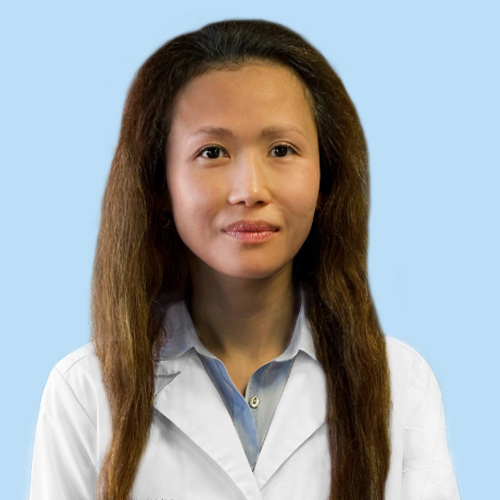
Ask the Doc: Can Water Retention in the Legs Be Caused by Venous Insufficiency? With Dr. Stephanie Bui
Welcome back to Ask the Doc, an educational series from United Vein & Vascular Centers designed to provide clear, medically grounded answers to common questions about vein and vascular health. Each week, a UVVC physician explains what symptoms may mean, when they warrant attention, and how minimally invasive care may help when an underlying circulation […]
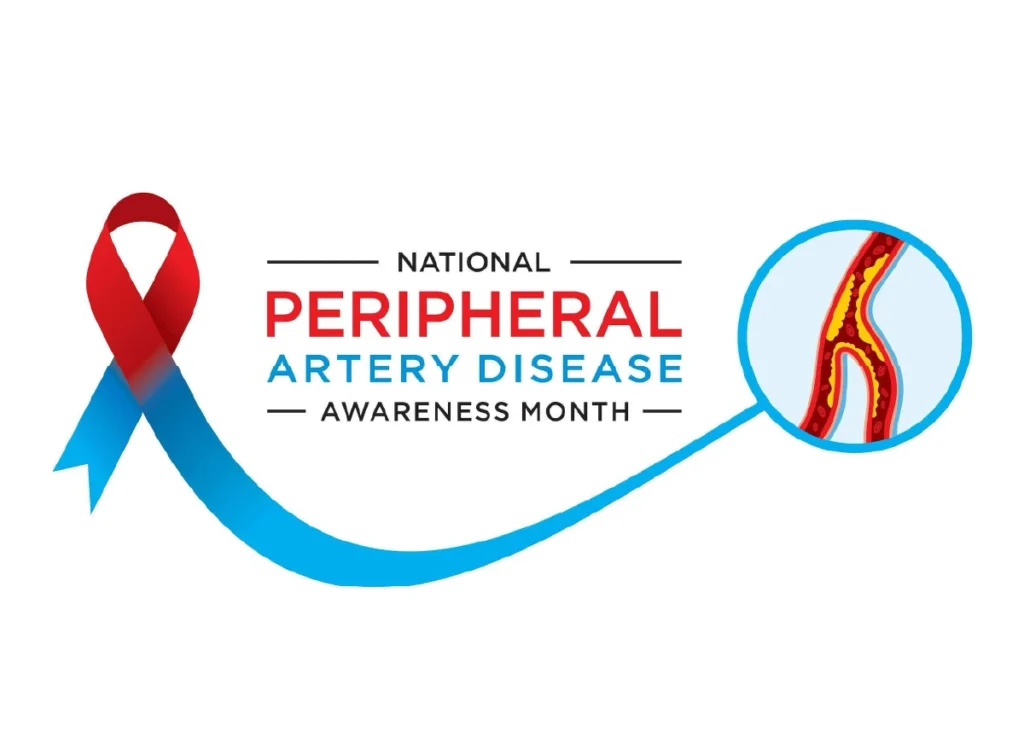
National PAD Awareness Month: Know the Signs of Peripheral Artery Disease
September is National Peripheral Artery Disease (PAD) Awareness Month, a time to raise awareness of a vascular condition that can affect mobility, comfort, and circulation in the legs and feet. PAD can be easy to overlook because its symptoms often resemble other common problems. Leg cramping may seem like overexertion, numbness may be blamed on neuropathy, […]
Dr. David Naar
Dr. David Naar is longer practicing with United Vein & Vascular Centers (UVVC) as of August 7, 2026. We understand provider changes can feel like an adjustment, but please know you’ll continue to receive the trusted care you deserve. At UVVC, your health and comfort always come first. Our team of board-certified vascular specialists is […]
Ask the Doc: Why Do I Have a Pulsating Feeling in My Legs at Night? With Dr. John Eun
Welcome back to Ask the Doc, an educational series from United Vein & Vascular Centers designed to provide clear, medically grounded answers to common questions about vein and vascular health. Each week, a UVVC physician explains what symptoms may mean, when they warrant attention, and how minimally invasive care may help when an underlying circulation […]
“A New Outlook on Life”: Dr. John Eun on His Move to UVVC
Every vascular surgeon knows the math. Years of training. The privilege of doing precise, technically demanding, often life-saving work. And on the other side of the ledger: the pager, the call schedule, the nights and weekends that never fully belong to you. Dr. John Eun knew that math better than most. He spent eight years at a busy academic tertiary referral […]
Ask the Doc: What Causes Pitting Edema in the Lower Legs? With Dr. Patricia Fletcher
Welcome back to Ask the Doc, an educational series from United Vein & Vascular Centers designed to provide clear, physician-led answers to common questions about vein and vascular health. Each week, a UVVC physician explains everyday symptoms and what they may mean medically. In this blog, Dr. Patricia Fletcher, United Vein & Vascular Centers Board-Certified Vascular Surgeon, discusses […]
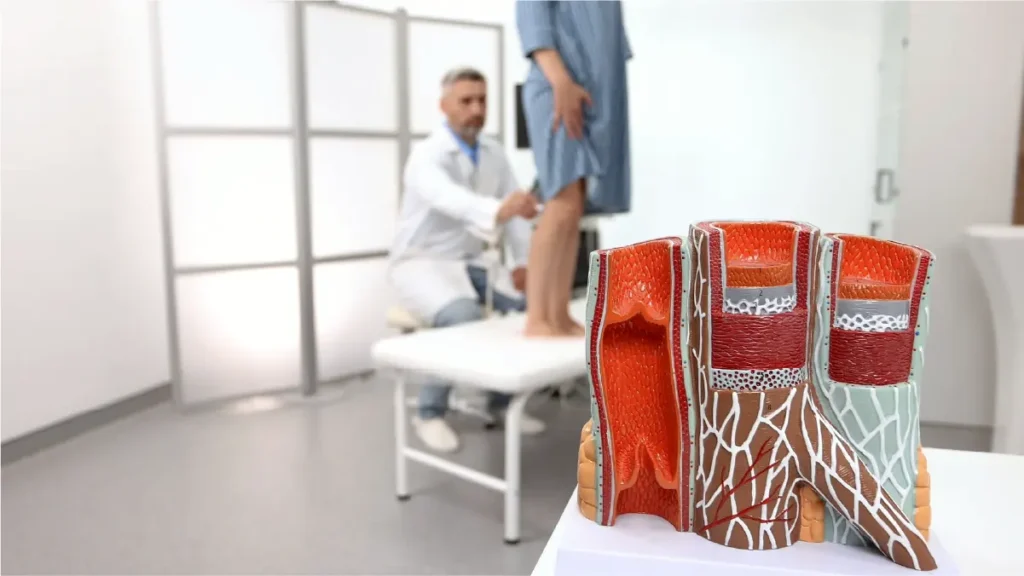
Beyond the Veins You Can See: Why Vein Anatomy Changes the Treatment Plan
By Domenic Zambuto, M.D., RPVI, DABVLM Patients usually begin by showing me what they can see. A raised vein crosses the calf; a cluster of veins has appeared near the knee. One ankle looks swollen by the end of the day, or the skin around it has slowly changed color. Those observations matter. They tell […]
Patient Story: How Vein Treatment Helped Melissa B. with Leg Heaviness and Visible Veins
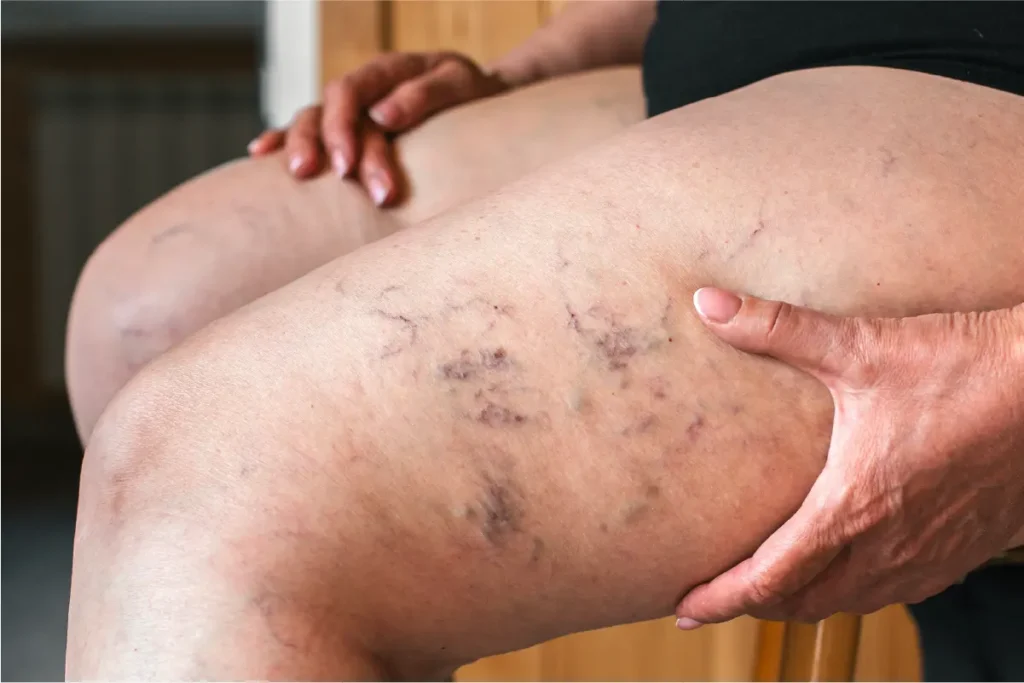
A visible vein may be the first change someone notices, but its impact can extend beyond appearance. Leg heaviness, restless sensations at night, and discomfort during everyday activities can affect how a person feels, sleeps, moves, and dresses. For Melissa B., one prominent vein running down her leg had become difficult to ignore. After seeing […]

Ask the Doc: How Should You Use AI to Research Vein Symptoms? With Dr. Franchell Hamilton
Welcome back to Ask the Doc, an educational series from United Vein & Vascular Centers designed to provide clear, physician-led answers to common questions about vein and vascular health. Each week, a UVVC physician explains everyday symptoms and what they may mean medically. In this installment, United Vein & Vascular Centers Senior Regional Medical Director, Dr. Franchell Hamilton […]

What Brenham, TX Patients Are Saying About United Vein & Vascular Centers
Leg symptoms do not always begin with a dramatic change. Swelling, heaviness, aching, fatigue, or visible veins may become more noticeable little by little, eventually affecting how comfortable it feels to work, spend time with family, or walk through Historic Downtown Brenham. Patients treated at United Vein & Vascular Centers in Brenham came to the […]
Ask the Doc: What Is the Best Treatment for Poor Circulation in the Legs? With Dr. Malik Kutty
Welcome back to Ask the Doc, an educational series from United Vein & Vascular Centers designed to provide clear, physician-led answers to common questions about vein and vascular health. Each week, a UVVC physician explains everyday symptoms and what they may mean medically. In this installment, Dr. Kutty explains what people often mean by “poor circulation,” how venous […]
Welcome, Dr. Obi Okoye!
We’re pleased to welcome Dr. Obi Okoye back to United Vein & Vascular Centers (UVVC) beginning August 3, 2026! Dr. Okoye looks forward to reconnecting with former patients and welcoming new patients to UVVC at our Downers Grove clinic. His return provides an opportunity for patients who know and trust him to continue their care […]

Ask the Doc: Why Do My Legs Hurt After Drinking Alcohol? With Dr. Kyle Herron
Welcome back to Ask the Doc, an educational series from United Vein & Vascular Centers designed to provide clear, physician-led answers to common questions about vein and vascular health. Each week, a UVVC physician explains everyday symptoms and what they may mean medically. In this installment, Dr. Kyle Herron explains why some people experience aching, cramping, swelling, or […]
CVI vs Lymphedema: How to Tell the Difference
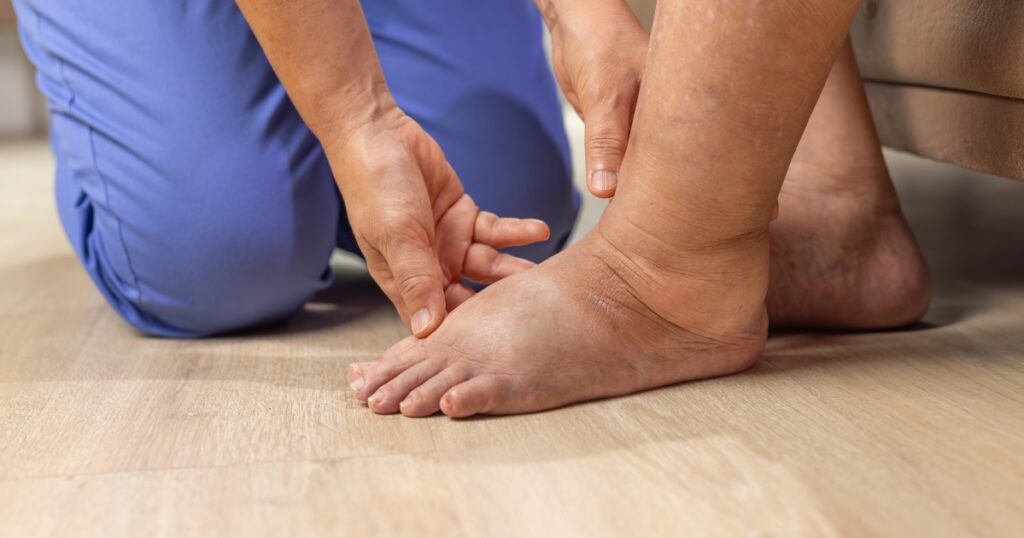
Leg swelling is common, but it should never be ignored, especially when it becomes persistent, painful, or starts affecting your daily life. Two of the most common conditions behind chronic swelling are chronic venous insufficiency (CVI) and lymphedema. While these conditions can look similar at first, they have very different causes, symptoms, and treatment approaches. […]
Ask the Doc: Can Exercise Improve Venous Reflux? With Dr. Steven Kim
Welcome back to Ask the Doc, an educational series from United Vein & Vascular Centers designed to provide clear, physician-led answers to common questions about vein and vascular health. Each week, a UVVC physician explains everyday symptoms and what they may mean medically. In this installment, Dr. Steven Kim, UVVC Board-Certified Internal Medicine, Venous & Lymphatic Medicine Specialist, […]
What Downers Grove Patients Are Saying About United Vein & Vascular Centers Vein Care
For many Downers Grove patients, vein care starts with a question: why do my legs hurt? Symptoms such as heaviness, swelling, aching, restless legs, visible veins, or skin changes can build slowly, making it easy to adjust around the discomfort instead of seeking answers. Over time, those symptoms can begin to affect everyday routines, from […]
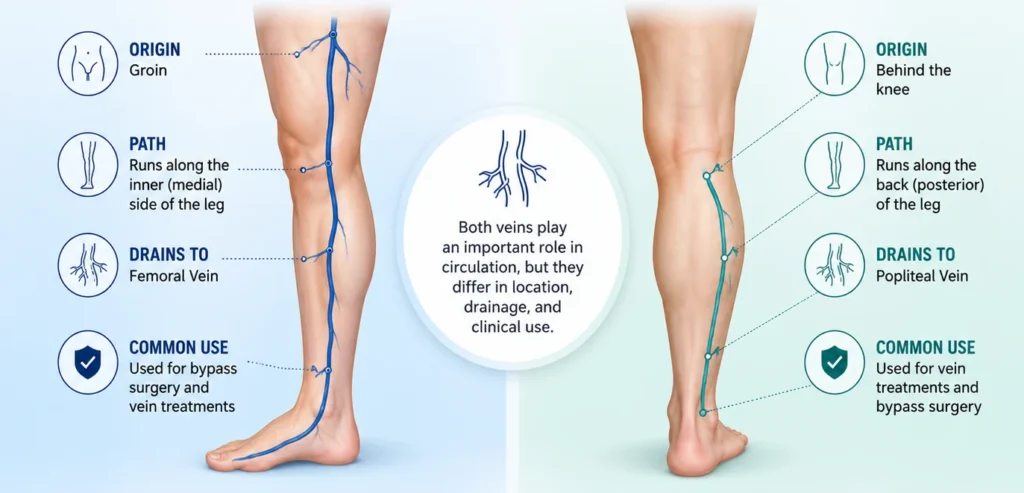
Understanding Great vs Small Saphenous Veins
If you’ve noticed bulging veins, aching legs, swelling, or a feeling of heaviness that worsens throughout the day, your saphenous veins may be involved. These two important veins play a key role in keeping blood flowing from your legs back to your heart, and when they stop functioning properly, they are often the source of […]
Ask the Doc: Do Compression Socks Treat CVI or Just Manage Symptoms? With Dr. Constantine Andrew
Welcome back to Ask the Doc, an educational series from United Vein & Vascular Centers designed to provide clear, physician-led answers to common questions about vein and vascular health. Each week, a UVVC physician explains everyday symptoms and what they may mean medically. In this installment, Dr. Constantine Andrew answers a question many patients ask when they are […]
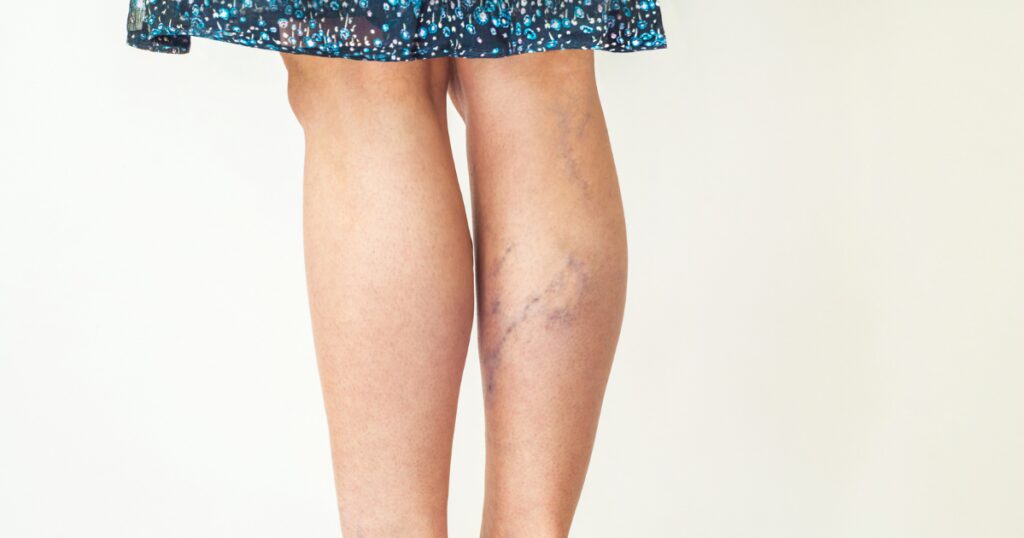
What Are Tributary Veins and Why Do They Matter?
Have you noticed bulging, twisted veins in your legs or experienced aching, heaviness, or swelling after standing for long periods? These symptoms are often linked to vein disease, but many people don’t realize that the smaller veins branching off your main leg veins can play an important role. These smaller vessels, called tributary veins, help […]
Ask the Doc: When Does CVI Become Serious? With Dr. Stephanie Bui
Welcome back to Ask the Doc, an educational series from United Vein & Vascular Centers designed to provide clear, physician-led answers to common questions about vein and vascular health. Each week, a UVVC physician explains everyday symptoms and what they may mean medically. In this installment, Dr. Stephanie Bui answers a common question patients ask when symptoms begin […]
Patient Story: How Vein Treatment Helped Erin L. Keep Up with Daily Life
For many people, leg symptoms start small. A little heaviness after a long day, swelling that shows up after being on your feet, or discomfort that becomes easier to ignore than investigate. But over time, those symptoms can begin to affect work, family life, confidence, and daily routines. For Erin L., that was exactly what […]
Ask the Doc: What Do My Vein Ultrasound Results Mean? With Dr. Todd Greer
Welcome back to Ask the Doc, an educational series from United Vein & Vascular Centers designed to provide clear, physician-led answers to common questions about vein and vascular health. Each week, a UVVC physician explains everyday symptoms and what they may mean medically. In this installment, Dr. Todd Greer answers a question many patients have after diagnostic testing: what […]
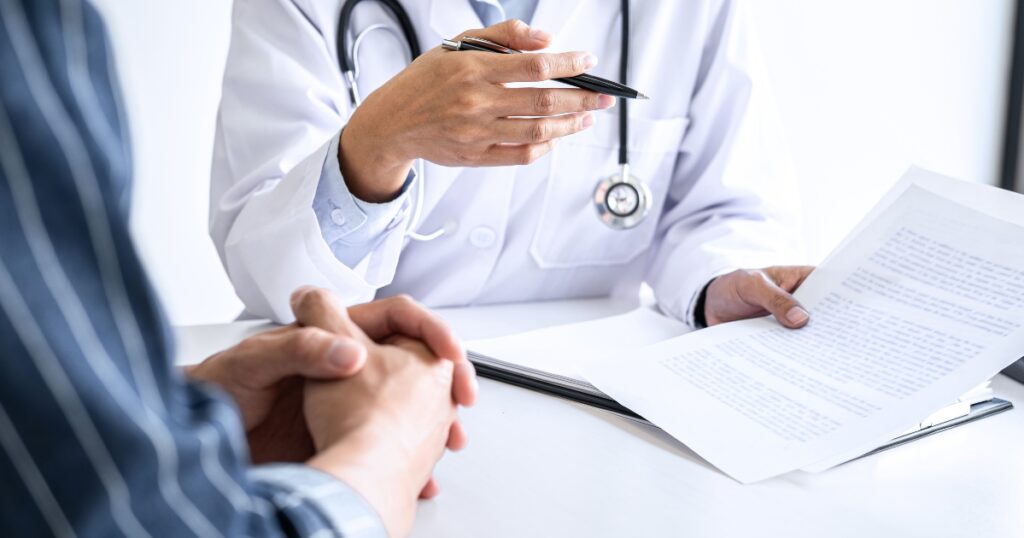
Is Vein Removal in Goodyear, AZ Covered by Insurance?
If you are considering treatment for varicose veins or other vein-related symptoms, one of the first questions you may have is whether insurance will cover the cost. The answer depends on your symptoms, diagnosis, and whether the treatment is considered medically necessary. For patients in Goodyear, Arizona, understanding how insurance coverage works for vein removal […]
Ask the Doc: Does Vein Restoration Work? With Dr. Conrad Manayan
Welcome back to Ask the Doc, an educational series from United Vein & Vascular Centers designed to provide clear, physician-led answers to common questions about vein and vascular health. Each week, a UVVC physician explains everyday symptoms and what they may mean medically. In this installment, Dr. Conrad Manayan answers a question many patients ask when they are […]
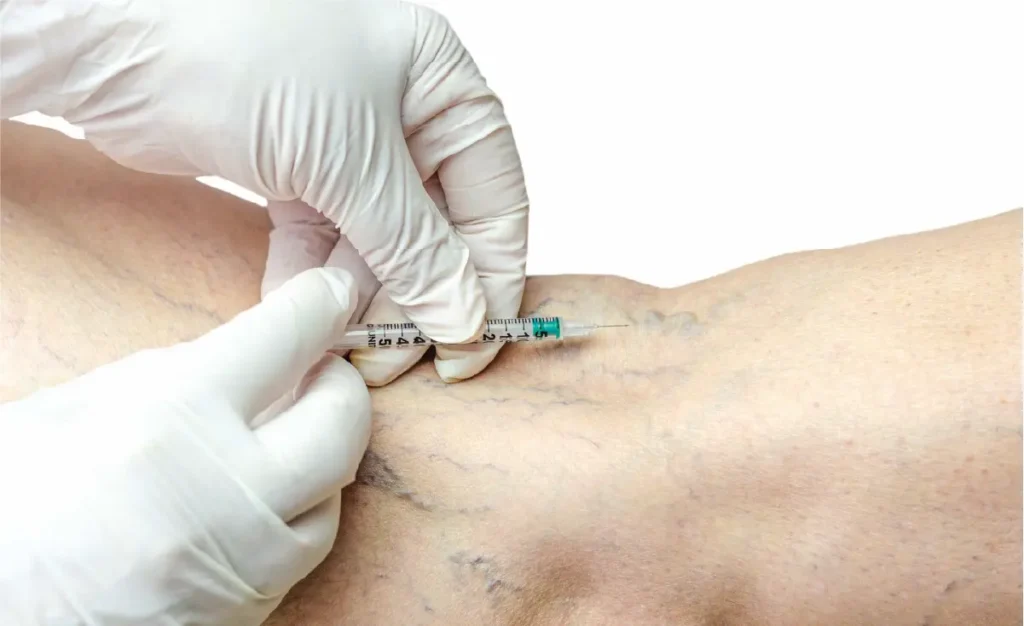
Varithena® for Venous Reflux: Does It Work?
Venous reflux can cause more than visible veins. For many patients, it can lead to leg swelling, heaviness, aching, throbbing, cramping, restless legs, and varicose veins that become more noticeable over time. These symptoms may start gradually, but they can begin to affect daily comfort, mobility, and quality of life. Varithena® is one minimally invasive […]
Where to Get a Free Vein Screening in Atlanta, GA
Leg swelling, visible veins, aching, heaviness, and nighttime discomfort are easy to brush off at first. For many people, symptoms seem to come and go depending on the day, activity level, or how long they have been sitting or standing. However, recurring leg symptoms may be a sign of underlying vein disease. For patients in […]
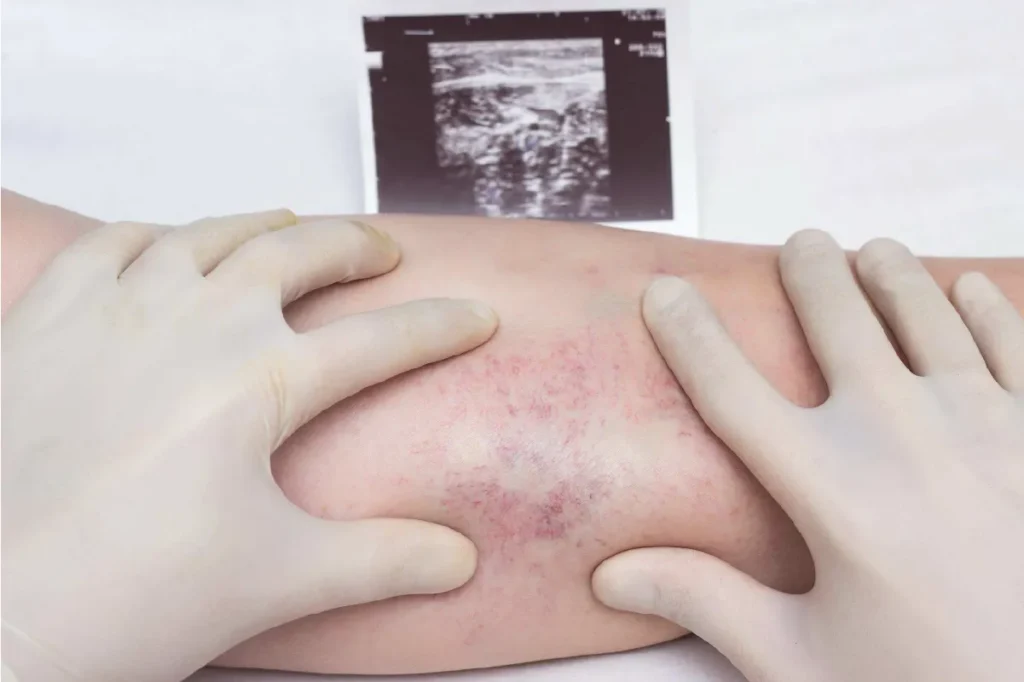
Broken Blood Vessel vs. Blood Clot: How to Know the Difference
A sudden mark on the skin, new swelling, or unexpected leg pain can be alarming. Many people wonder whether they are dealing with a broken blood vessel, a bruise, a visible vein issue, or something more serious like a blood clot. While some broken blood vessels are minor and may improve on their own, blood […]