
Contents
- Q: What does poor circulation in the legs mean?
- Q: How can you tell whether symptoms may be venous or arterial?
- Q: Can exercise improve circulation in the legs?
- Q: What can you do at home to support better leg circulation?
- Q: How is the cause of poor leg circulation diagnosed?
- Q: How is poor venous circulation treated?
- Q: How is poor arterial circulation treated?
- Q: When should circulation symptoms be evaluated promptly?
- Frequently Asked Questions
- Find the Right Treatment for Poor Circulation in the Legs
Welcome back to Ask the Doc, an educational series from United Vein & Vascular Centers designed to provide clear, physician-led answers to common questions about vein and vascular health. Each week, a UVVC physician explains everyday symptoms and what they may mean medically.
In this installment, Dr. Kutty explains what people often mean by “poor circulation,” how venous and arterial conditions affect the legs differently, and why the right treatment begins with identifying the source of the symptoms.
The best treatment for poor circulation in the legs depends on what is affecting blood flow. Vein disease and peripheral artery disease involve different blood vessels and require different care. Movement and healthy habits can support circulation, while compression, medication, or minimally invasive procedures may be recommended after an evaluation identifies the cause.
“Poor circulation” is a broad phrase rather than a single diagnosis. The location and timing of the discomfort, what makes it better or worse, and whether swelling or skin changes are present can offer important clues. Because treatment depends on the cause, it helps to begin by understanding what “poor circulation in the legs” actually means.
Q: What does poor circulation in the legs mean?
Dr. Kutty:
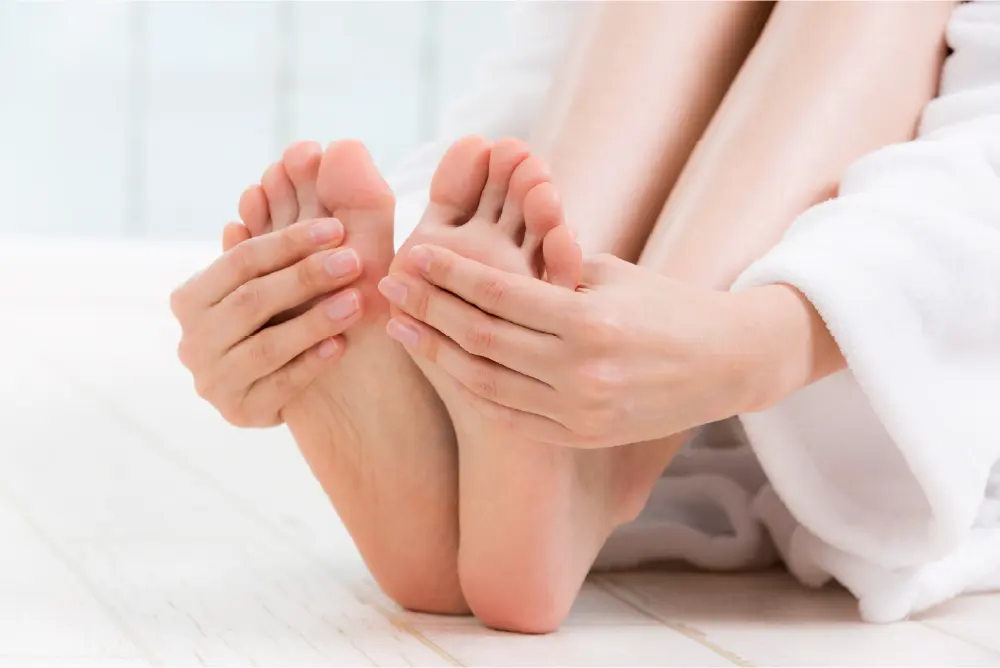
When patients say they have poor circulation, they may be describing aching, heaviness, swelling, cramping, cold feet, numbness, or changes in skin color. Those symptoms can have more than one cause, so the phrase alone does not tell us which part of the circulatory system is involved.
Two common vascular causes are chronic venous insufficiency and peripheral artery disease. Chronic venous insufficiency, or CVI, develops when weakened or damaged valves allow blood to flow backward and collect in the leg veins. Peripheral artery disease, or PAD, occurs when narrowed arteries reduce the delivery of oxygen-rich blood to the legs and feet.
The distinction matters because treatment that supports one condition may not be appropriate for another. The goal is to match the care plan to the condition rather than trying a general “circulation remedy.”
Q: How can you tell whether symptoms may be venous or arterial?
Dr. Kutty:
I look closely at when the symptoms appear, what triggers them, and what provides relief. Venous symptoms often build throughout the day or after prolonged sitting or standing. Arterial symptoms are more likely to occur when the muscles need additional blood flow, such as during walking.
| What to Compare | Possible Vein Condition | Possible PAD |
| Common sensations | Aching, throbbing, heaviness, or leg fatigue | Cramping, aching, or weakness |
| When symptoms occur | After prolonged sitting or standing; often more noticeable later in the day | During walking or other physical activity |
| What may provide relief | Walking or elevating the legs | Resting for a few minutes |
| Where symptoms may appear | Lower legs and ankles | Calf, thigh, or buttock |
| Other possible signs | Ankle or lower-leg swelling, visible varicose veins, itching, burning, or skin changes near the ankles | One foot or lower leg feeling colder than the other, weak pulses, numbness, or slow-growing toenails |
| Wound concerns | Skin changes near the ankles may progress when vein disease is left untreated | Sores on the toes, feet, or legs may be slow to heal |
Symptoms can overlap, and some patients have both venous and arterial disease. A clinical evaluation and diagnostic testing are more reliable than using symptoms alone to determine which condition may be present.
Q: Can exercise improve circulation in the legs?
Dr. Kutty:
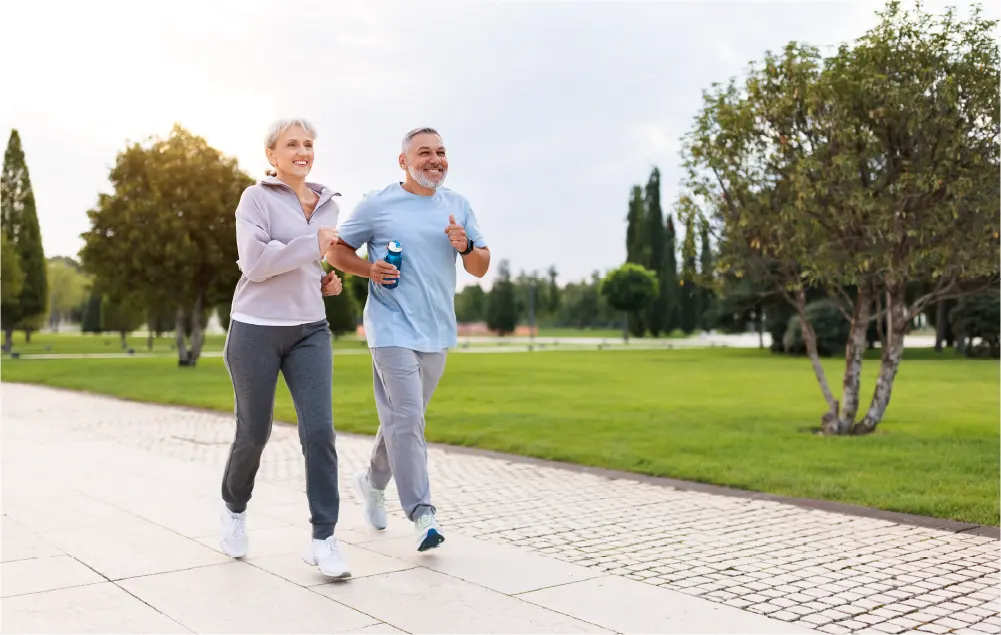
Regular movement helps the muscles assist circulation. For patients with vein disease, walking activates the calf-muscle pump, which helps move blood out of the lower legs. For patients with chronic symptomatic PAD, structured exercise is also an important part of treatment and can improve walking ability and quality of life.
Simple movements that may support leg circulation include:
- Walking at a comfortable pace
- Ankle pumps while seated or lying down
- Calf raises while holding a stable surface
- Gentle leg stretches
- Brief movement breaks during long periods of sitting or standing
Exercise is supportive care, but it does not repair damaged vein valves or remove plaque from an artery. Patients with significant pain, an open wound, balance concerns, or a known vascular condition should ask their healthcare provider what type and intensity of activity are appropriate.
Q: What can you do at home to support better leg circulation?
Dr. Kutty:
The most useful at-home steps are consistent habits that support vascular health and reduce long periods of inactivity. Depending on the cause of the symptoms, I may recommend:
- Taking regular walking or movement breaks throughout the day
- Elevating the legs when swelling or venous heaviness is present
- Following a heart-healthy eating pattern and working toward a healthy weight
- Avoiding tobacco and asking for help with smoking cessation if needed
- Managing blood pressure, cholesterol, and diabetes with your healthcare team
- Protecting the feet and checking regularly for cuts, blisters, or sores when PAD or diabetes is present
Compression stockings may help manage swelling and other symptoms associated with venous insufficiency, but they are not a universal treatment for every type of poor circulation. Because compression may be unsuitable when arterial blood flow is significantly reduced, it is best to ask a healthcare provider before starting medical-grade compression, particularly if you have cold feet, pain with walking, a slow-healing wound, or known PAD.
Supplements, essential oils, massage, and other natural remedies have not been shown to cure CVI or PAD. They should not replace an evaluation when symptoms persist or worsen.
Q: How is the cause of poor leg circulation diagnosed?
Dr. Kutty:
Diagnosis begins with the symptom pattern, medical history, risk factors, and physical examination. I may ask whether discomfort occurs during activity or after prolonged standing, whether elevation helps, and whether there is a history of smoking, diabetes, blood clots, or vein disease.
For suspected vein disease, a diagnostic duplex ultrasound can evaluate the direction of blood flow, how well the vein valves are working, and whether venous reflux is present.
For suspected PAD, testing may begin with an ankle-brachial index, or ABI, which compares blood pressure at the ankle with blood pressure in the arm. Additional ultrasound or vascular imaging may be recommended when more detail is needed.
A vein screening is generally the appropriate starting point for symptoms such as varicose veins, swelling, heaviness, or aching that worsens after sitting or standing. A vascular consultation may be more appropriate for pain with walking, cold feet or toes, numbness, weak pulses, or slow-healing wounds.
Q: How is poor venous circulation treated?
Dr. Kutty:
Treatment for chronic venous insufficiency is based on the patient’s symptoms, ultrasound findings, vein anatomy, and overall health. Conservative steps may include regular movement, leg elevation, weight management, and compression when it is medically appropriate.
When damaged veins are contributing to ongoing symptoms, a minimally invasive procedure may be recommended to close or remove the affected veins. Blood then naturally reroutes through healthier veins nearby.
Depending on the veins involved, treatment options may include:
- Radiofrequency ablation
- VenaSeal™
- Varithena®
- Ultrasound-guided sclerotherapy
- Microphlebectomy
These treatments address venous reflux; they are not treatments for narrowed arteries. That is why diagnostic testing comes before selecting a procedure.
Q: How is poor arterial circulation treated?
Dr. Kutty:
PAD treatment focuses on improving leg function while also reducing the broader cardiovascular risks associated with atherosclerosis. The care plan may include smoking cessation, management of blood pressure, cholesterol, and diabetes, a structured exercise program, and medications prescribed by the patient’s healthcare provider.
If symptoms continue to limit daily life despite medical therapy and structured exercise, or if blood flow is severely reduced, a vascular specialist may recommend a procedure to improve circulation. Options may include angioplasty, stenting, atherectomy, or surgery, depending on the location and severity of the blockage and the patient’s overall health.
Not every patient with PAD needs a procedure. The recommendation should reflect the patient’s symptoms, test results, functional goals, and risk of complications.
Q: When should circulation symptoms be evaluated promptly?
Dr. Kutty:
Recurring symptoms deserve attention when they interfere with walking, sleep, work, or other everyday activities. I would also recommend an evaluation when swelling, skin changes, coldness, numbness, or a wound does not improve.
Seek prompt medical attention for:
- Sudden swelling, pain, warmth, or redness in one leg
- A foot or leg that suddenly becomes cold, pale, numb, or severely painful
- A new or worsening wound on the foot, ankle, or leg
- Chest pain, difficulty breathing, coughing up blood, severe lightheadedness, or fainting
Sudden symptoms can indicate a blood clot or a serious loss of blood flow and should not wait for a routine appointment.
Frequently Asked Questions
There is no single cure because poor circulation is not one condition. Some causes can be managed with lifestyle changes and medication, while others may benefit from a minimally invasive procedure. The first step is identifying whether the symptoms are venous, arterial, or related to another health concern.
Walking can support venous blood return and is a core part of structured exercise therapy for many patients with PAD. The appropriate pace and program depend on your symptoms and health history, so ask your provider for guidance if walking causes significant pain or you have a wound.
Leg elevation may reduce swelling and heaviness associated with venous insufficiency by helping blood and fluid move out of the lower legs. It does not open a narrowed artery and may not relieve arterial symptoms.
Compression stockings may help manage venous swelling and discomfort, but they do not repair damaged valves or treat arterial blockages. Ask a healthcare provider before using medical-grade compression if PAD is possible or has been diagnosed.
Cold feet may be associated with reduced arterial blood flow, but temperature changes can have other causes. Coldness that is new, affects one side more than the other, or occurs with color changes, numbness, pain, or a wound should be evaluated.
No single food can reverse vein disease or PAD. A heart-healthy eating pattern that emphasizes fruits, vegetables, whole grains, lean proteins, and other nutrient-dense foods can support weight, blood pressure, cholesterol, and overall vascular health.
Venous insufficiency commonly causes swelling in the ankles or lower legs, especially later in the day. Swelling can also have nonvascular causes, so persistent, worsening, or one-sided swelling should be evaluated.
Find the Right Treatment for Poor Circulation in the Legs
The best treatment for poor circulation in the legs depends on whether symptoms are related to chronic venous insufficiency, peripheral artery disease, or another health condition. Vein disease may be managed with movement, leg elevation, compression when appropriate, or minimally invasive vein procedures. PAD treatment may include structured exercise, medication, management of cardiovascular risk factors, or a procedure to improve arterial blood flow.
Because venous and arterial symptoms can overlap, an evaluation is important before beginning treatment. Swelling, heaviness, aching, or varicose veins may warrant a vein screening, while pain during walking, cold feet, numbness, or slow-healing wounds may call for a vascular consultation.
United Vein & Vascular Centers offers both vein and vascular care. Request an appointment to determine what may be affecting circulation in your legs and which next step is appropriate for your symptoms.
Medically reviewed by Dr. Domenic Zambuto, National Medical Director at United Vein & Vascular Centers. Board-certified in vascular and interventional radiology, Dr. Zambuto has more than 20 years of experience treating vascular disease and helping patients manage complex vein and circulatory conditions.