

Welcome back to Ask the Doc, an educational series from United Vein & Vascular Centers designed to provide clear, physician-led answers to common questions about vein and vascular health. Each week, a UVVC physician breaks down common symptoms that patients experience and explains what they may mean medically.
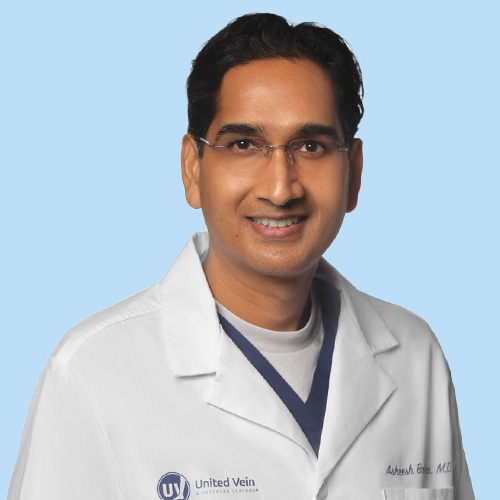
In this installment, Dr. Asheesh Bothra addresses a question many patients ask when nighttime leg discomfort becomes persistent:
“Can restless legs be caused by a vein problem?”
Dr. Bothra:
Yes, in some cases vein problems can contribute to sensations that feel like restless legs. While restless leg syndrome (RLS) is often considered a neurological condition, poor circulation in the legs can sometimes create similar symptoms.
When veins are not functioning properly, blood can pool in the lower legs. This pooling increases pressure in the veins and surrounding tissues, which may lead to discomfort, unusual sensations, and restlessness, especially during periods of inactivity or at night.
Dr. Bothra:
Patients often describe:
– An uncontrollable urge to move their legs
– Crawling, tingling, or pulling sensations
– Symptoms that worsen in the evening or at night
– Temporary relief with walking or movement
These sensations most often affect the lower legs and can significantly interfere with sleep and quality of life.
Dr. Bothra:
Healthy veins carry blood from the legs back toward the heart. When vein valves weaken, blood can flow backward and collect in the legs. This condition is known as venous reflux, which is a key component of Chronic Venous Insufficiency (CVI).
When blood pools in the legs, pressure builds inside the veins and surrounding tissue. This can cause:
– Leg heaviness
– Aching or throbbing
– Burning or itching sensations
– Discomfort that worsens with rest
Some patients with venous reflux report symptoms that closely resemble restless legs, particularly in the evening when circulation slows during rest.
Dr. Bothra:
They can be. Varicose veins often develop as a result of venous reflux. In addition to visible bulging veins, patients may experience heaviness, aching, and restlessness in the legs.
While not everyone with restless legs has varicose veins, vein disease can make leg discomfort worse at night when gravity and prolonged standing throughout the day have increased venous pressure.
Dr. Bothra:
You should consider a vein evaluation if you experience:
– Ongoing restless or uncomfortable leg sensations
– Leg heaviness or aching during the day
– Swelling in the lower legs or ankles
– Visible varicose veins
– Symptoms that interfere with sleep or daily life
A vein specialist can perform a duplex ultrasound to assess blood flow and determine whether venous reflux or CVI may be contributing to your symptoms.
Dr. Bothra:
If vein disease is contributing to your leg discomfort, treatment may help reduce symptoms by improving circulation and restoring healthier blood flow. Options depend on the severity of the condition and may include compression therapy to support blood movement, minimally invasive procedures to close damaged veins, and lifestyle adjustments such as regular movement and leg elevation. By addressing the underlying circulation issue, many patients experience improved leg comfort and fewer nighttime symptoms.
Frequently Asked Questions
Yes. Venous reflux can lead to blood pooling in the legs, which may contribute to discomfort and restlessness, particularly in the evening.
No. They are separate conditions, but symptoms can overlap. In some cases, venous disease may contribute to sensations similar to restless legs.
Yes. Symptoms from varicose veins and CVI often worsen in the evening after blood has pooled in the legs throughout the day.
A vein specialist typically uses duplex ultrasound imaging to evaluate blood flow and check for venous reflux.
If vein disease is contributing to the symptoms, treatment may help improve leg comfort and reduce nighttime discomfort.
What’s Next in the Ask the Doc Series
Ask the Doc was created to help patients better understand the full spectrum of vein and vascular health, from subtle sensations and nighttime discomfort to diagnosis and modern treatment options. Each week, a UVVC physician will answer real patient questions to help guide informed, confident care decisions.
In our next installment, Dr. Joseph Cocco will take on another common question patients ask: can varicose veins cause leg cramps at night? If nighttime discomfort is already affecting your sleep, you don’t have to wait, find a United Vein & Vascular Centers clinic near you and schedule an appointment with one of our specialists.
Medically reviewed by UVVC National Medical Director, Dr. Domenic Zambuto