

Contents
- Tired Legs: At a Glance
- Q: What causes tired legs, even when I haven’t exercised?
- Q: Can venous insufficiency cause legs to feel tired and heavy?
- Q: Why do my legs get tired when I walk?
- Leg Fatigue: What Does the Pattern Suggest?
- Q: When should I worry about tired legs?
- Q: How is the cause of leg fatigue diagnosed?
- Q: What can help relieve tired legs?
- Q: How does United Vein & Vascular Centers treat tired legs caused by vein disease?
- Frequently Asked Questions
- Pay Attention to Recurring Leg Fatigue
Welcome back to Ask the Doc, an educational series from United Vein & Vascular Centers where our physicians help patients make sense of symptoms that can be noticeable, uncomfortable, and sometimes difficult to describe. By looking beyond the symptom itself, each installment explores the patterns that may help identify its source and determine when further evaluation is appropriate.
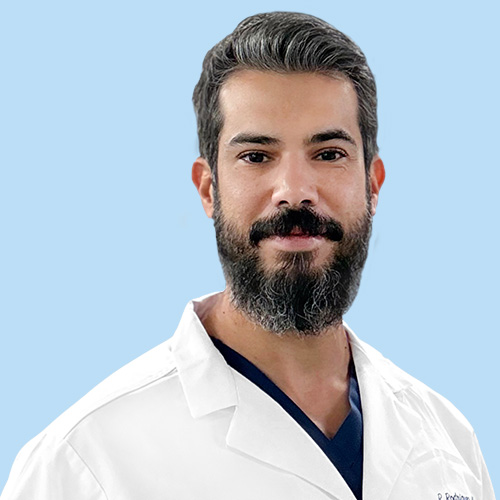
In this installment, Dr. Ryan Rodriguez explains what causes leg fatigue, how to recognize patterns that may be related to circulation, and when tired legs deserve an evaluation.
Tired Legs: At a Glance
- Tired legs can follow physical activity or long periods of sitting or standing. Recurring fatigue without a clear trigger may have an underlying cause.
- Chronic venous insufficiency can cause the legs to feel tired, heavy, or achy, particularly later in the day or when ankle swelling is also present.
- Leg fatigue that repeatedly starts during walking and eases when you stop may be related to reduced arterial blood flow.
- Arrange an evaluation if your legs tire more easily than they used to or the symptoms interfere with daily activities. Sudden weakness on one side of the body requires emergency care.
Q: What causes tired legs, even when I haven’t exercised?
Dr. Rodriguez:
Your legs can feel tired after spending hours in one position, even on a day when you’ve done very little walking. When you move, your calf muscles squeeze the veins and help return blood toward the heart. When you sit for a long time or stand mostly in one place, those muscles contract less often. That can contribute to heaviness or discomfort by the end of the day.
A change in your usual activity can also matter. A long shift on your feet or a return to regular activity after a period of inactivity may explain why your legs feel more tired than usual. If the feeling develops on ordinary days and continues without a clear trigger, it helps to distinguish fatigue in the legs from low energy throughout the body. General fatigue may prompt your primary care clinician to review your sleep, medications, and medical history or check for conditions such as anemia or a thyroid disorder.
Q: Can venous insufficiency cause legs to feel tired and heavy?
Dr. Rodriguez:
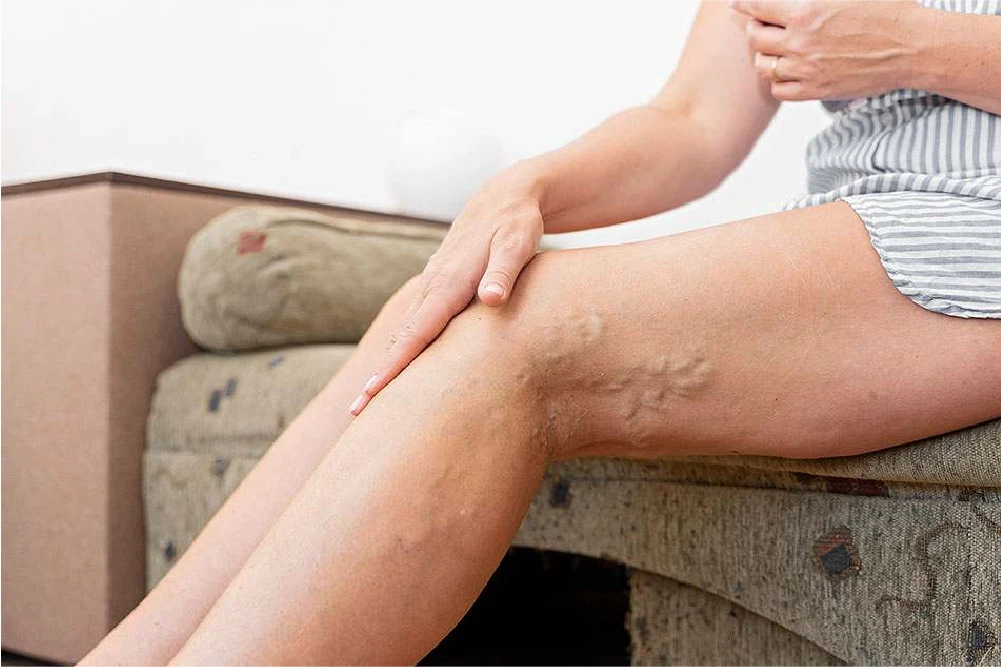
Yes. Healthy leg veins contain one-way valves that help keep blood moving toward the heart. If those valves do not close properly, some blood can flow backward. This is called venous reflux. The resulting increase in pressure can contribute to chronic venous insufficiency and make the legs feel heavy, achy, or tired.
One clue is a change you can see as well as feel. Your shoes may fit normally in the morning but feel tighter by evening as fluid collects around the ankles. Other findings, such as varicose veins, itching near the ankles, or reddish-brown skin discoloration, can give your clinician more reason to check the veins. Leg fatigue on its own cannot establish whether reflux is present.
Q: Why do my legs get tired when I walk?
Dr. Rodriguez:
If the fatigue begins while you’re walking, tell your clinician how far you can go before you notice it and what you have to do for relief. With peripheral artery disease (PAD), narrowed arteries can limit the blood supply to working muscles. The sensation may feel like fatigue, aching, or cramping in the calf, thigh, or buttock. A useful clue is whether you can resume walking after a few minutes of rest, only for the symptoms to return.
Problems in the lower back can also cause symptoms during walking or standing. In that case, changing your position may make a difference. For example, sitting or leaning forward may provide more relief than standing still.
Leg Fatigue: What Does the Pattern Suggest?
| What you notice | What brings relief | What your clinician may consider |
| A gradual buildup of heaviness or fatigue after hours of sitting or standing | Raising your legs | Increased pressure in the leg veins |
| Calf, thigh, or buttock fatigue at a similar distance or level of effort | Stopping the activity, even if you remain standing | Reduced blood flow through the arteries |
| Leg discomfort during walking or prolonged upright standing | Sitting down or bending forward | Pressure on nerves in the lower back |
These patterns can overlap. The history and physical examination help determine which possibility to investigate first.
Q: When should I worry about tired legs?
Dr. Rodriguez:
Arrange an evaluation if leg fatigue is becoming more frequent, takes longer to resolve, or limits activities you previously managed comfortably. Changes in strength or balance also deserve attention. For example, repeatedly catching your toes on the floor because you cannot lift your foot normally is a different symptom from feeling tired after a walk.
Some changes require more immediate care:
- New, unexplained swelling in one leg, especially with pain, tenderness, warmth, or skin discoloration, needs prompt medical assessment for a possible deep vein blood clot.
- Sudden severe leg pain with a cold, pale, or numb foot requires emergency care because arterial blood flow may have been interrupted.
- Sudden weakness or numbness on one side of the body, chest pain, or unexplained shortness of breath are reasons to call 911.
Q: How is the cause of leg fatigue diagnosed?
Dr. Rodriguez:
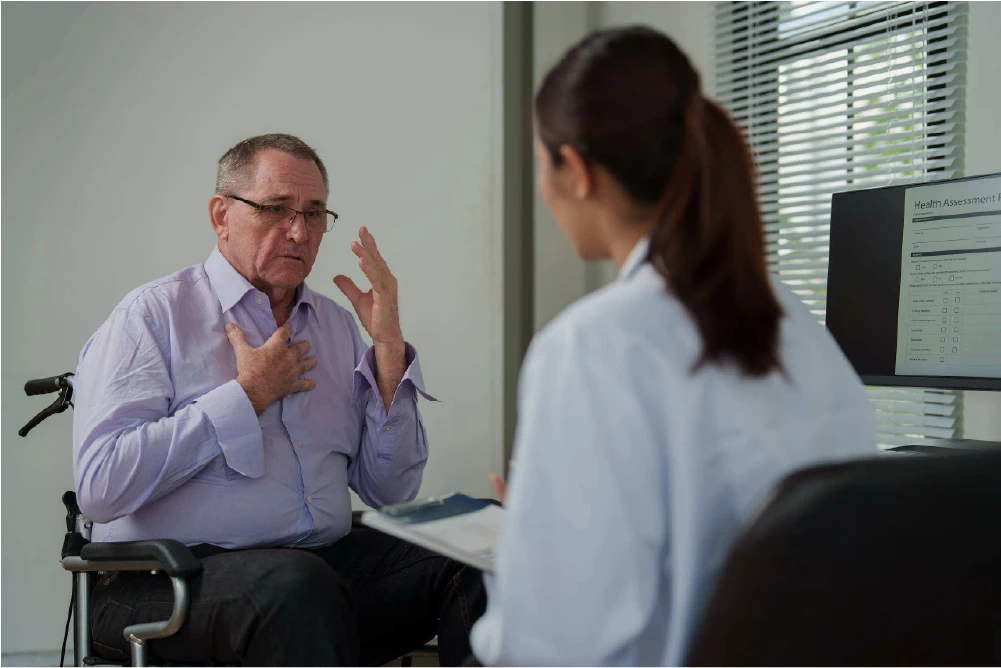
Your clinician will ask when the fatigue began, where you feel it, and whether it affects one or both legs. Mention any recent injuries, medication changes, or changes in how much you can walk or stand. During the examination, your clinician may check the pulses in your feet, compare the strength in your legs, and look for swelling, visible veins, or skin changes.
If the findings suggest venous insufficiency, a venous duplex ultrasound uses Doppler to assess the direction of blood flow and check for reflux. If an artery problem is suspected, an ankle-brachial index compares blood pressure at the ankles with blood pressure in the arms. When the examination points to a different cause, the next step may involve blood tests or an assessment of the muscles, joints, or nerves.
Q: What can help relieve tired legs?
Dr. Rodriguez:
If the feeling tends to build while you’re sitting or standing in one place, short walking breaks can help activate the calf muscles. If you cannot get up, try moving your ankles up and down. Elevating your legs when you rest may also help if swelling or heaviness is related to pressure in the veins.
Compression stockings may help manage vein-related symptoms for some patients. Ask a clinician about the right fit and pressure before using them, particularly if you have known or suspected arterial circulation problems. Movement, elevation, and compression can help with symptoms, but they do not repair a valve that allows blood to flow backward.
Q: How does United Vein & Vascular Centers treat tired legs caused by vein disease?
Dr. Rodriguez:
At United Vein & Vascular Centers, a vein screening helps determine whether your symptoms are consistent with vein disease and whether diagnostic ultrasound is appropriate. If testing identifies reflux, your physician considers whether the affected veins help explain what you’re experiencing before recommending treatment.
Depending on the veins involved and your medical history, minimally invasive treatment options may include:
- Radiofrequency ablation: A thin catheter delivers controlled heat inside the affected vein to close it.
- VenaSeal™: A catheter delivers a medical adhesive that seals the affected vein without heat.
- Varithena®: An injectable microfoam closes certain veins affected by reflux.
- Ultrasound-guided sclerotherapy: The physician uses ultrasound to locate selected veins beneath the skin and guide the injection that closes them.
After an affected vein is closed, blood returns through other functioning veins. Treatment may ease fatigue, heaviness, or aching linked to reflux. If another condition is also contributing to your symptoms, it may need separate care.
Frequently Asked Questions
A previous injury, a change in how you walk, or a problem involving the nerves or circulation can affect one leg more than the other. If the same leg consistently tires first, tell your clinician whether the feeling starts in one spot, such as the calf, or involves most of the leg.
People often use weak to describe legs that feel worn out. Muscle weakness means you have less strength to perform a movement. If you now need to push with your arms to stand from a chair or have trouble lifting your foot, describe that specific change to your clinician. It can help guide an evaluation of muscle strength and nerve function.
Yes. Some people with vein disease notice heaviness or fatigue with little pain. Others have symptoms of venous insufficiency without large, raised veins. How the veins look is one part of the evaluation; it cannot show how well the veins are working on its own.
Notice whether the feeling is already there when you wake up or begins after you stand and start moving. Also mention whether your legs feel tired while the rest of you feels rested. If you regularly wake up with low energy throughout your body, your primary care clinician may look at sleep quality, medications, or other health conditions that can contribute to fatigue.
Pay Attention to Recurring Leg Fatigue
Leg fatigue can develop gradually enough that you adjust your routine before you think to mention it. If you’re planning errands around how long you can stay on your feet or taking more breaks to get through the workday, describe those changes when you seek care.
If your legs regularly feel tired along with ankle swelling, aching, or varicose veins, request a vein screening at United Vein & Vascular Centers. Our care team can assess whether vein disease may be contributing and explain whether further testing is appropriate.