

Tired Legs
Tired legs may feel fatigued, drained, or less able to tolerate everyday activity. The sensation can develop after physical exertion, prolonged standing, or sitting for an extended period. When leg fatigue occurs regularly, worsens throughout the day, or appears with swelling, heaviness, aching, or visible veins, an underlying circulation problem may be contributing to the symptoms.
Symptoms That May Occur Along with Tired Legs
- Heaviness, aching, throbbing, or tightness in the legs
- Swelling around the lower legs, ankles, or feet
- Visible veins, cramping, itching, or skin discoloration
Occasional leg fatigue may improve with rest. Symptoms that return frequently, interfere with walking or daily activities, or become more noticeable after prolonged sitting or standing should be evaluated. Contact United Vein & Vascular Centers to schedule a vein screening and learn whether vein disease may be contributing to tired legs.
Request a Screening

What Causes Tired Legs?
Tired legs can result from physical exertion, prolonged inactivity, muscle strain, poor sleep, dehydration, or certain medications. Medical conditions affecting the veins, arteries, muscles, joints, nerves, or blood can also contribute to leg fatigue.
Possible causes include:
- Overuse or muscle fatigue following physical activity
- Prolonged sitting or standing
- Chronic venous insufficiency or weakened vein valves
- Peripheral artery disease
- Nerve compression or peripheral neuropathy
- Joint or muscle conditions
- Anemia or certain nutritional deficiencies
- Medication effects or other underlying health conditions
When vein valves do not function properly, blood may pool in the lower legs instead of moving efficiently back toward the heart. This can contribute to fatigue, heaviness, aching, tightness, and swelling, particularly later in the day or after long periods of sitting or standing.
A vein screening can help determine whether poor circulation may be contributing to your tired legs and whether further testing is appropriate.
Details That Can Help Identify the Cause
When Your Legs Feel Tired
- After prolonged standing or sitting
- Later in the day
- During or after walking
- At rest or overnight
- Following physical activity
What Occurs with the Fatigue
- Swelling, heaviness, or aching
- Cramping or pain during walking
- Numbness, tingling, or weakness
- Visible veins or skin changes
- Dizziness or shortness of breath
When Should You Seek Care for Tired Legs?
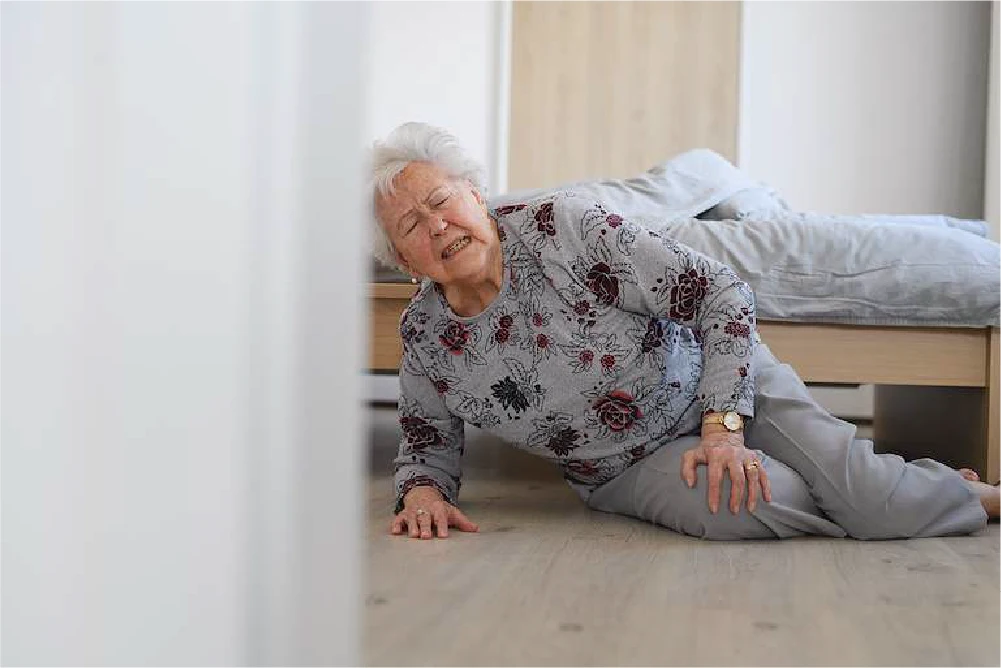
Tired legs alone are not usually an emergency. However, leg fatigue accompanied by a rapid change in strength, circulation, or breathing may indicate a condition that requires immediate medical attention.
Seek prompt medical evaluation for:
- New fatigue or heaviness with unexplained swelling, warmth, redness, discoloration, pain, or tenderness in one leg
- Leg fatigue that becomes progressively worse or begins to interfere with balance, walking, or daily movement
- A new or worsening sore on the leg or foot, especially when the area is painful, discolored, or slow to heal
Call 911 for difficulty breathing, chest pain, fainting, or coughing up blood, particularly when these symptoms occur with swelling or discomfort in one leg. Emergency care is also needed for a leg or foot that becomes cold, pale or blue, numb, severely painful, weak, or difficult to move.
If emergency concerns are not present but tired legs regularly occur with swelling, heaviness, aching, skin changes, or visible veins, contact United Vein & Vascular Centers to request a vein screening.
How is Leg Fatigue Diagnosed?
Diagnosis begins with identifying when the legs feel tired, how long the sensation lasts, and what activities make it better or worse. A provider may also ask whether symptoms affect one or both legs and whether they occur with swelling, pain, weakness, numbness, skin changes, or shortness of breath.
These details can help a provider distinguish between possible vein, artery, nerve, muscle, joint, or general health concerns. Additional evaluation may include:
- Physical examination: The legs may be checked for swelling, tenderness, visible veins, skin changes, temperature differences, muscle strength, and changes in sensation.
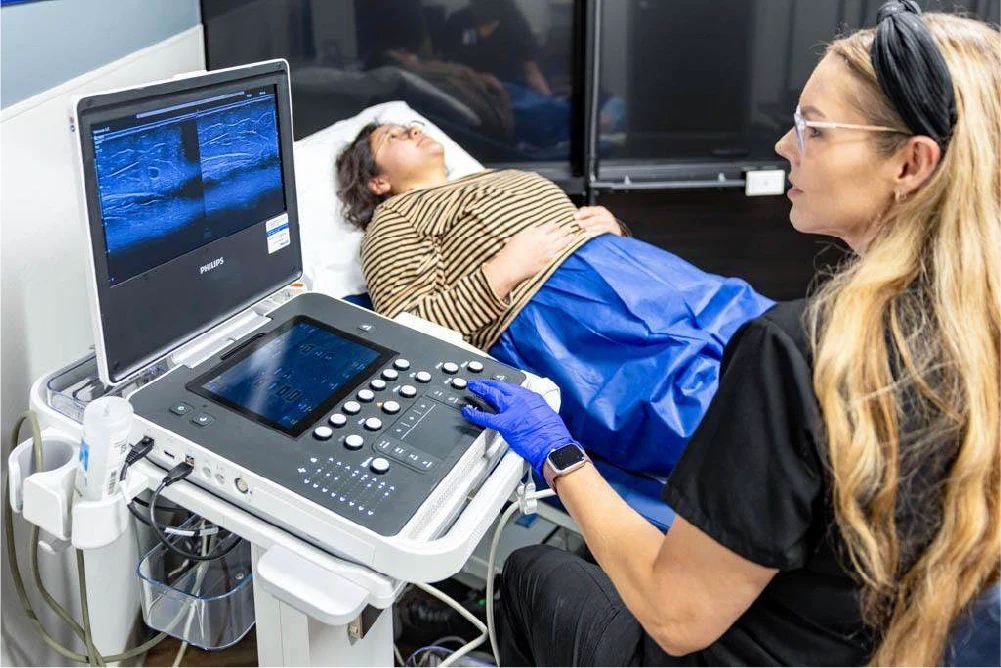
- Vein evaluation: Duplex ultrasound may be recommended to assess blood flow and determine whether weakened vein valves or another venous condition is present.
- Arterial evaluation: Pulse checks or other circulation tests may be appropriate when fatigue develops during walking or occurs with coldness, numbness, paleness, or a slow-healing sore.
- Additional testing: Blood tests, neurological testing, or joint and muscle evaluation may be recommended when symptoms suggest anemia, a nutritional deficiency, nerve involvement, or another medical condition.
A vein screening can help identify whether venous symptoms are present and whether further testing may be appropriate. If diagnostic ultrasound is recommended, it may be scheduled for a later appointment.
Treatment Options for Tired Legs Due to Poor Circulation
Treatment depends on what is causing the legs to feel tired. Muscle strain, anemia, medication effects, nerve conditions, joint problems, and arterial disease require different approaches. When an evaluation identifies vein disease, treatment may focus on supporting circulation and reducing related fatigue, heaviness, aching, or swelling.
Vein-related treatment options may include:
- Compression therapy: Properly fitted compression stockings may help manage cramping and other vein-related symptoms while supporting circulation.
- Lifestyle recommendations: Walking, leg elevation, and regular breaks from prolonged sitting or standing may help manage symptoms.
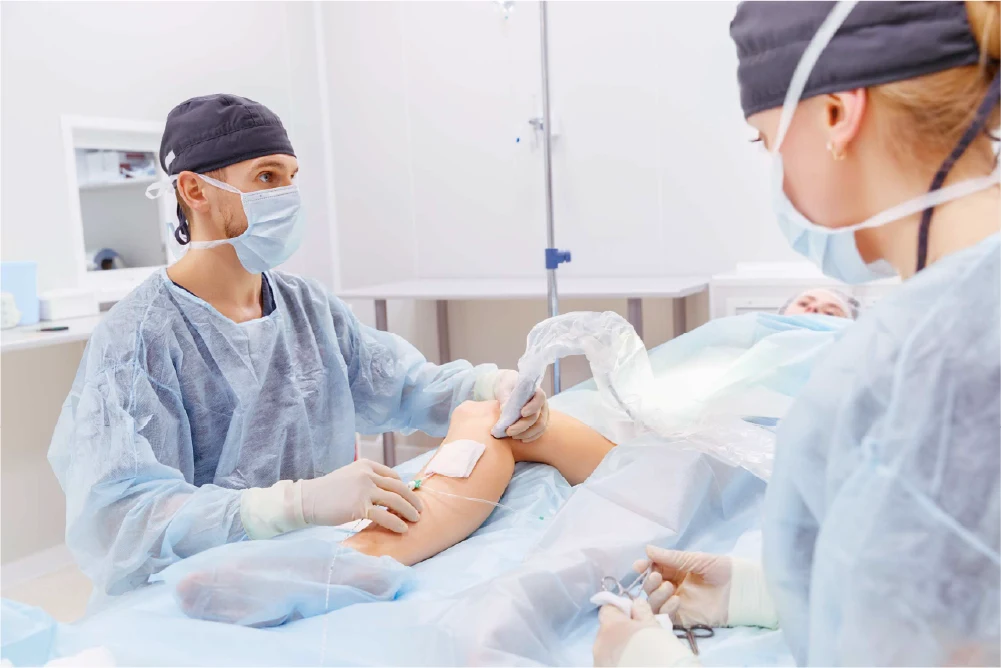
- Radiofrequency ablation (RFA): Uses controlled heat to close an affected vein so blood can reroute through healthier veins nearby.
- VenaSeal™: Uses a medical adhesive to close an affected vein without heat.
- Varithena®: Uses an injectable microfoam to close certain affected veins that are not circulating blood properly.
- Ultrasound-guided sclerotherapy: Uses ultrasound imaging to guide a medical solution or foam into an affected vein, causing it to close.
Treatment recommendations are individualized based on the cause of the symptoms, medical history, imaging results, and vein anatomy. Treating vein disease may help improve related leg fatigue, but results vary, and tired legs caused by another condition may require different care.
Related Articles