
Welcome back to Ask the Doc, an educational series from United Vein & Vascular Centers designed to provide patients with straightforward, physician-led information regarding vein and vascular health. Every week, a UVVC specialist breaks down common questions to help patients understand their symptoms, when care is needed, and what modern treatment options are available.
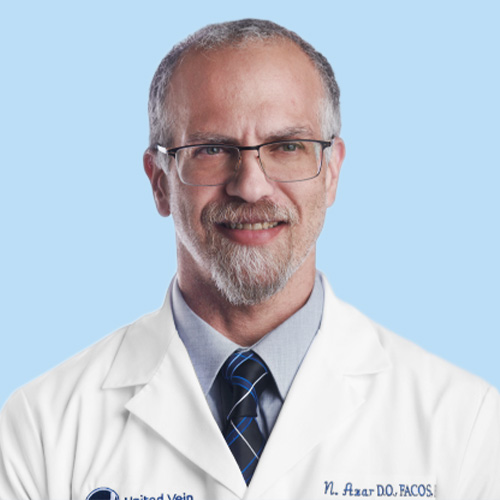
In this installment, Dr. Nabiel Azar answers a foundational question many patients ask before scheduling an appointment:
“What does a vein specialist actually treat and how do I know if I should see one?”
Dr. Azar:
A vein specialist treats medical conditions related to the venous system, particularly issues that affect blood flow in the legs. These conditions often cause symptoms such as pain, swelling, fatigue, or skin changes that worsen over time if left untreated.
Common conditions treated by a vein specialist include:
– Varicose veins
– Spider veins related to venous disease
– Chronic venous insufficiency (CVI)
– Venous reflux
– Leg swelling and heaviness
– Venous skin changes and ulcers
– Superficial vein clots
While some of these conditions may start subtly, many are progressive and benefit from early evaluation.
Dr. Azar:
A vein specialist is a medical doctor (MD or DO) with specialized training in diagnosing and treating venous disease. Rather than addressing appearance alone, vein specialists evaluate the underlying circulation problems that cause symptoms.
Key aspects of vein specialty care include:
– Medical training with an emphasis on venous disorders
– Use of diagnostic imaging, such as venous ultrasound
– Evaluation of symptoms, circulation patterns, and vein function
– Treatment planning based on medical necessity, not just cosmetic goals
This medical approach is what separates vein specialists from cosmetic providers who may treat superficial veins without evaluating deeper circulation issues.
Dr. Azar:
Vascular surgeons and vein specialists both treat vein conditions, but their focus and approach can differ.
Vein specialists primarily manage venous disease using minimally invasive, outpatient treatments designed to restore healthy circulation with little downtime. Vascular surgeons often treat a broader range of vascular conditions, including complex arterial disease and surgical cases.
Seeing a vein expert is the best course of action for the majority of individuals who have leg discomfort, swelling, or visible veins.
Dr. Azar:
Vein specialists treat a wide range of conditions that affect circulation in the legs. Many patients come in because of symptoms like aching, swelling, or skin changes without realizing these issues are often connected to underlying vein disease. Below are some of the most common conditions we evaluate and treat, especially when symptoms are persistent or worsening.
Varicose Veins
Varicose veins develop when vein valves weaken and allow blood to pool in the legs. Symptoms may include aching, heaviness, swelling, or throbbing. While not always dangerous, varicose veins become a medical concern when they cause discomfort, skin changes, or interfere with daily activities.
Spider Veins
Spider veins are smaller surface veins that may be cosmetic or related to underlying venous disease. Evaluation is recommended when spider veins spread quickly, occur alongside swelling or pain, or return after previous treatment.
Chronic Venous Insufficiency
CVI occurs when vein valves fail over time, leading to ongoing pressure in the legs. Without treatment, CVI can progress and cause swelling, skin discoloration, inflammation, and ulcers.
Leg Swelling, Pain, and Heaviness
These symptoms are commonly vein-related, especially when they worsen with standing or improve with leg elevation. Vein specialists help determine whether circulation issues are contributing and how to relieve symptoms.
Skin Changes and Venous Ulcers
Skin discoloration, thickening, itching, or open sores near the ankles are red flags for advanced venous disease. Early treatment is critical to prevent infection, chronic wounds, and long-term complications.
Dr. Azar:
Diagnosis begins with a detailed review of your symptoms and medical history, followed by a physical examination of the lower legs to assess swelling, skin changes, tenderness, and visible veins. If vein disease is suspected, a venous ultrasound is then performed to evaluate blood flow, valve function, and vein structure in real time, helping pinpoint the source of symptoms.
This step-by-step approach ensures any recommended treatment is targeted, medically appropriate, and based on a complete understanding of your vein health.
Dr. Azar:
Modern vein care emphasizes minimally invasive treatments that correct circulation issues without traditional surgery. These treatments are typically performed in an outpatient setting, use local anesthesia, and require little to no downtime.
Treatment plans are personalized based on ultrasound findings, symptom severity, and overall vein health, with the goal of relieving discomfort and preventing progression.
Dr. Azar:
You should consider scheduling an evaluation if you experience:
– persistent leg pain or swelling
– visible varicose veins with symptoms
– skin discoloration, itching, or thickening
– leg fatigue that worsens with standing
– non-healing sores near the ankles
Early evaluation can make a significant difference in long-term comfort and leg health.
What’s Next in the Ask the Doc Series
Ask the Doc was created to help patients better understand the full scope of vein and vascular health, from early symptoms and circulation changes to diagnosis and modern treatment options. Each week, a UVVC physician answers real patient questions to help guide informed, confident care.
Next in the Ask the Doc series, Dr. Asheesh Bothra will explore an increasingly common concern: are restless legs actually a vein problem? This article will break down what restless leg symptoms may indicate, how venous disease can contribute, and when a vein evaluation may be appropriate. If you’re experiencing symptoms now and want answers sooner, you can find a United Vein & Vascular Centers clinic near you and schedule an evaluation with one of our specialists.
Medically reviewed by Dr. Domenic Zambuto, National Medical Director at United Vein & Vascular Centers. Board-certified in vascular and interventional radiology, Dr. Zambuto has more than 20 years of experience treating vascular disease and helping patients manage complex vein and circulatory conditions.