
Zawartość
- Zrozumienie choroby tętnic obwodowych (PAD)
- Recognizing Symptoms and the Importance of Early Diagnosis
- How PAD is Diagnosed: Tests and Assessments
- Dlaczego leczenie PAD ma znaczenie
- PAD Treatment Options: An Overview
- What is Angioplasty?
- Preparing for the Angioplasty Procedure
- The Angioplasty Procedure: Step-by-Step
- Stent Placement and Blood Flow Improvement
- Recovery After Angioplasty: What to Expect
- Risks, Benefits, and Success Rates of Angioplasty
- Lifestyle Changes and Long-Term Management After Angioplasty
- Zrób pierwszy krok w kierunku lepszego krążenia
- Często zadawane pytania
- Taking the Next Step Toward Better Circulation
It often starts with subtle changes; leg fatigue when walking, cramping that eases with rest, or feet that never seem to feel quite warm. Many people assume these symptoms are simply part of getting older or being less active. In reality, they can be early signs of Peripheral Artery Disease (PAD), a condition that quietly restricts blood flow and, if left untreated, can progress to more serious complications.
Hearing a PAD diagnosis can feel overwhelming, especially when you begin to consider treatment options. One of the most effective and least invasive solutions is angioplasty, a procedure designed to reopen narrowed arteries and restore healthy circulation. For many patients, it represents not just treatment, but relief, renewed mobility, and a return to daily activities without constant discomfort.
Understanding what happens between diagnosis and recovery can make the process far less intimidating. Knowing what to expect, how angioplasty works, and how it can improve your vascular health empowers you to take an active role in your care and move forward with confidence.
Zrozumienie choroby tętnic obwodowych (PAD)
PAD occurs when arteries in your limbs become narrowed or blocked. This results in reduced blood flow, typically to your legs. PAD is a common vascular condition that can cause significant discomfort.
Symptoms of PAD often occur gradually. Many people may not realize their circulation is impaired. Common symptoms include:
- Leg pain or cramping when walking
- Drętwienie lub osłabienie nóg
- Coldness in your lower leg or foot
- Slow-healing sores or wounds on toes, feet, or legs
Early detection is crucial to prevent severe outcomes like heart attack or stroke. Understanding the nature of PAD can motivate you to seek timely medical advice and explore effective treatment options like angioplasty.
Recognizing Symptoms and the Importance of Early Diagnosis
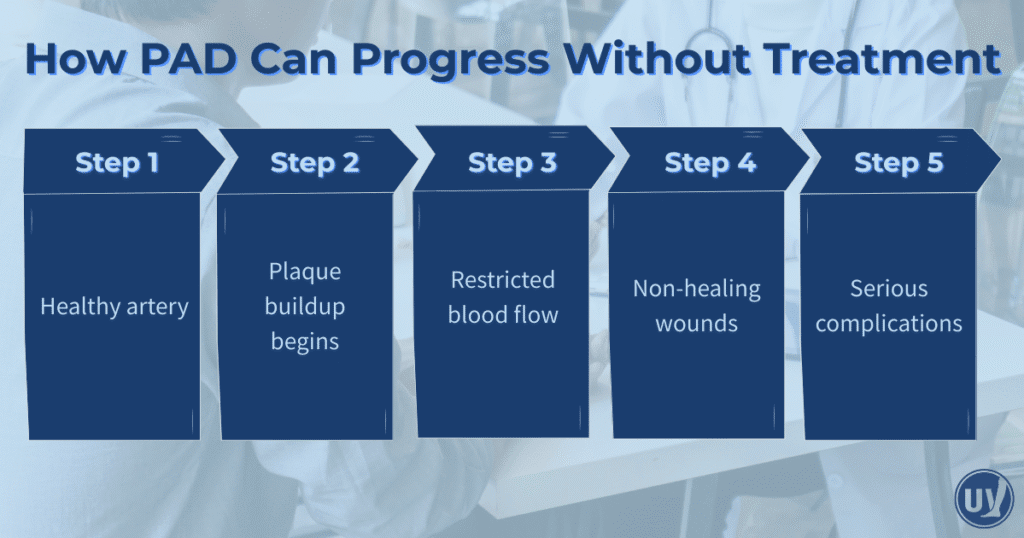
PAD progresses gradually and can often go unnoticed until symptoms become more severe. Reduced circulation affects the body’s ability to move, heal, and function comfortably. Over time, untreated PAD can lead to chronic pain, decreased physical activity, and a higher risk of infections or tissue damage.
Seeking vascular treatment early provides several advantages. Early intervention helps restore blood flow before the damage becomes advanced. It also reduces the likelihood of major complications and supports better overall cardiovascular health. For many patients, proactive care leads to improved mobility and a better quality of life.
United Vein and Vascular Centers offers advanced diagnostic tools and minimally invasive treatments that are well suited for early and moderate stages of PAD. These techniques focus on precision, safety, and long-term success.
How PAD is Diagnosed: Tests and Assessments
A PAD diagnosis typically begins with a thorough physical examination. Your doctor will look for weak pulses in your legs. Coldness or skin changes in your extremities may also be assessed.
Several diagnostic tests are available to confirm PAD. The Ankle-Brachial Index (ABI) test is common. It compares blood pressure in your ankle with that in your arm. A significant difference indicates reduced blood flow.
Imaging studies provide further insight into artery condition. Ultrasound tests visualize blood flow and blockages. Angiography offers a detailed view of your arteries using contrast dye and X-rays.
Identifying PAD early allows for effective treatment. This helps prevent complications, improving your quality of life.
Dlaczego leczenie PAD ma znaczenie
PAD to nie tylko stan, który powoduje dyskomfort w nogach. Nieleczona może mieć konsekwencje zmieniające życie. Zmniejszone krążenie zwiększa ryzyko nie gojących się ran, infekcji, a nawet amputacji w ciężkich przypadkach. PAD jest również znakiem ostrzegawczym rozległej choroby tętnic, która zwiększa prawdopodobieństwo wystąpienia zawału serca lub udaru mózgu.
Im wcześniej PAD zostanie zdiagnozowana i leczona, tym lepsze będą wyniki. Dzięki proaktywnemu podejściu wiele osób jest w stanie przywrócić swoją mobilność, zachować niezależność i znacznie poprawić jakość życia.
PAD Treatment Options: An Overview
Several approaches exist for managing Peripheral Artery Disease. Treatment plans depend on the severity and specific circumstances of each patient. Starting with lifestyle changes is often recommended.
For severe cases, minimally invasive procedures are options. Angioplasty is a popular choice due to its effectiveness. It offers significant blood flow improvement. In some instances, surgical interventions may be necessary to bypass blocked arteries.
Here’s a quick look at key PAD treatment options:
- Lifestyle changes (diet, exercise)
- Medications (antiplatelets, statins)
- Minimally invasive procedures (angioplasty)
- Interwencje chirurgiczne
What is Angioplasty?
Angioplasty is a widely used minimally invasive procedure. It aims to restore normal blood flow in arteries affected by PAD. This procedure is a preferred option for many patients.
The process involves inserting a small balloon into the artery. Once in place, the balloon inflates to widen the artery. This helps improve blood circulation significantly.
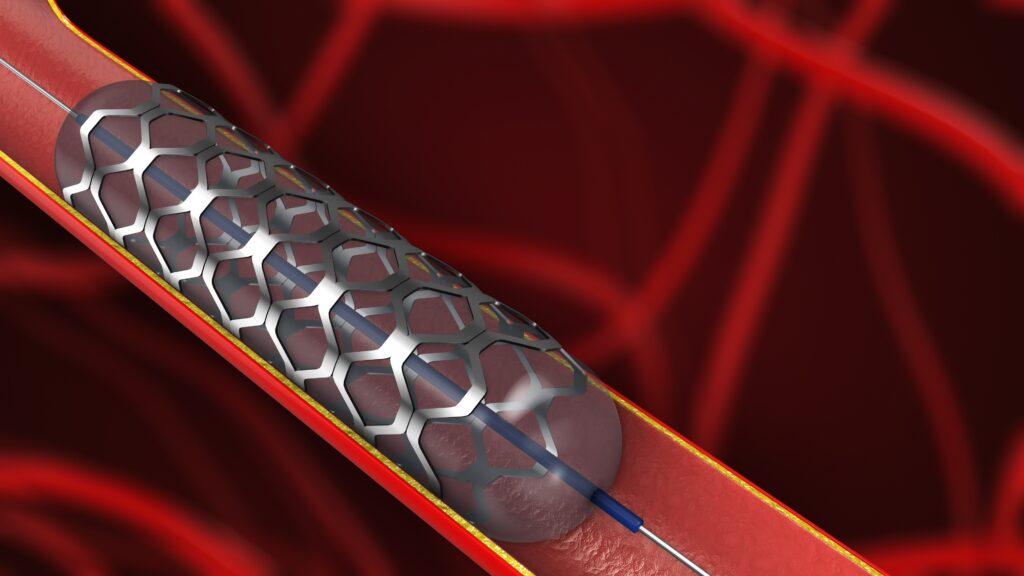
Stents may also be used during angioplasty. A stent is a tiny mesh tube placed in the artery. It ensures the artery remains open after the procedure.
Key aspects of angioplasty include:
- Minimally invasive technique
- Use of a balloon to open arteries
- Possible stent placement
- Lepsze krążenie krwi
- Quick recovery time
Preparing for the Angioplasty Procedure
Preparation for angioplasty is crucial for success. Doctors typically conduct several assessments beforehand. These help ensure patient readiness for the procedure.
Key preparation steps include various tests. Blood tests evaluate overall health and identify any potential issues. Imaging studies like ultrasounds provide detailed views of artery conditions.
Patients also receive specific instructions from their healthcare provider. Important guidelines often involve dietary restrictions before the procedure. Patients should follow all instructions to optimize the procedure’s outcome.
Typical preparation steps include:
- Blood tests
- Imaging studies (like ultrasound)
- Following dietary restrictions
- Avoiding specific medications
- Undergoing pre-procedure physical examinations
Clear communication with the healthcare team is essential. It allows patients to fully understand the preparation process. This understanding contributes significantly to a smooth angioplasty experience.
The Angioplasty Procedure: Step-by-Step
Angioplasty begins with local anesthesia. This minimizes discomfort during the procedure. Patients remain awake, allowing for real-time communication with the medical team.
A small incision is made to access the artery. This is commonly in the groin or arm. A thin tube, or catheter, is then inserted.
The catheter is threaded through the bloodstream to the blockage. Once in place, a small balloon at the catheter’s tip is inflated. This pressure opens the narrowed artery.
To keep the artery open, a stent is often placed. The stent acts as a scaffold, maintaining the artery’s shape. This is crucial for long-lasting blood flow improvement.
After the balloon is deflated and the catheter is removed, the incision is closed. Typically, only minimal pressure is needed.
The entire procedure usually takes one to two hours. Its duration depends on the complexity. Patients are monitored closely, ensuring a safe and effective outcome.
Stent Placement and Blood Flow Improvement
Stent placement is a crucial step in angioplasty. It involves inserting a tiny mesh tube into the artery. This helps keep the artery open after balloon inflation.
The stent remains permanently in the artery. Its presence prevents the artery from narrowing again. This plays a vital role in sustaining improved blood flow.
The benefits of improved blood flow include:
- Reduced pain in the legs
- Enhanced ability to walk
- Improved overall limb function
By restoring adequate blood circulation, angioplasty with stent placement significantly enhances life quality. It reduces PAD symptoms, fostering better health outcomes for patients.
Recovery After Angioplasty: What to Expect
Recovery post-angioplasty is usually swift and smooth. Patients often resume normal activities within a few days. Yet, the pace of recovery can vary.
Post-procedure monitoring in the hospital is typical. Medical staff ensure no complications arise. Discharge usually follows after a brief observation period.
A few common recovery tips include:
- Limit physical activities for a few days
- Follow any prescribed medication regimen
- Attend scheduled follow-up appointments
Gradually, patients regain their routine activities. Adhering to recovery advice can aid in a seamless transition back to daily life. Prioritizing rest and health after angioplasty is crucial for optimal results.
Risks, Benefits, and Success Rates of Angioplasty
Angioplasty is a preferred PAD treatment due to its minimally invasive nature. It offers significant benefits, including improved blood flow and reduced symptoms. These advantages make it an attractive choice for many.
However, like any medical procedure, angioplasty carries some risks. Potential complications may include:
- Bleeding at the insertion site
- Artery re-narrowing
- Infekcja
Success rates of angioplasty are generally high. Most patients experience notable symptom relief and better quality of life. Advanced techniques continue to enhance outcomes, boosting patient satisfaction. Understanding these aspects helps in making well-informed health decisions.
Lifestyle Changes and Long-Term Management After Angioplasty
After angioplasty, maintaining lifestyle changes is vital for long-term success. These changes support your treatment and promote overall vascular health. Embracing a healthy lifestyle can prevent future complications.
Even small adjustments can make a meaningful difference in improving circulation and slowing the progression of the disease. Some of the most impactful changes include:
Rzucanie palenia
Palenie tytoniu jest jednym z najsilniejszych czynników ryzyka PAD. Substancje chemiczne zawarte w tytoniu uszkadzają wyściółkę tętnic, sprzyjają gromadzeniu się płytki nazębnej i obniżają poziom tlenu we krwi. Rzucenie palenia jest najskuteczniejszym krokiem, jaki można podjąć w celu poprawy krążenia i zmniejszenia ryzyka powikłań związanych z PAD.
Przyjęcie diety zdrowej dla serca
To, co jesz, ma bezpośredni wpływ na stan Twoich tętnic. Dieta bogata w świeże owoce, warzywa, produkty pełnoziarniste, chude białka i zdrowe tłuszcze może obniżyć poziom cholesterolu LDL, ustabilizować ciśnienie krwi i wspomóc zdrowie naczyń krwionośnych. Ograniczenie przetworzonej żywności, nadmiaru sodu i dodanych cukrów jest również ważne dla zarządzania PAD i ogólnego zdrowia układu sercowo-naczyniowego.
Regularne ćwiczenia
Nadzorowana terapia ruchowa jest jedną z najskuteczniejszych metod leczenia PAD. W szczególności programy chodzenia poprawiają przepływ krwi, zmniejszają ból i zwiększają dystans, który można przejść bez dyskomfortu. Ćwiczenia pomagają również kontrolować wagę, ciśnienie krwi i poziom cholesterolu, z których wszystkie są ważne dla spowolnienia postępu PAD.
Zarządzanie wagą
Nadwaga dodatkowo obciąża serce i układ krążenia. Osiągnięcie i utrzymanie prawidłowej masy ciała wspomaga lepszy przepływ krwi i zmniejsza obciążenie tętnic.
Zmiany te nie tylko poprawiają objawy PAD, ale także poprawiają ogólny stan zdrowia i energię.
Zrób pierwszy krok w kierunku lepszego krążenia
Choroba tętnic obwodowych nie musi kontrolować Twojego życia. Dzięki skutecznemu leczeniu i proaktywnym zmianom stylu życia można kontrolować objawy, przywrócić mobilność i chronić swoje zdrowie w dłuższej perspektywie.
UVVC is here to provide the advanced care and support you need. Schedule a consultation today and take the first step toward stronger circulation and renewed confidence in your health.
Często zadawane pytania
PAD angioplasty is typically performed using local anesthesia and mild sedation, so most patients remain comfortable throughout the procedure. You may feel slight pressure at the treatment site, but significant pain is uncommon. Many people are surprised by how quick and manageable the experience is.
Recovery is usually much faster than patients expect. Because angioplasty is minimally invasive, most individuals return home the same day and resume light activities within 24–48 hours. Your physician may recommend avoiding strenuous exercise for a short period while the artery heals, but extended downtime is rarely necessary.
As with any medical procedure, there are some risks, but serious complications are uncommon. Your care team carefully evaluates your health history and imaging beforehand to minimize risks. The benefits often far outweigh the potential concerns.
Chodzenie jest doskonałym punktem wyjścia dla większości osób z PAD. Nadzorowane programy ćwiczeń mogą pomóc w stworzeniu bezpiecznej i skutecznej rutyny.
Statyny, leki przeciwpłytkowe i leki na ciśnienie krwi są powszechnie stosowane w planach leczenia PAD.
Jeśli zmiana stylu życia i leki nie wystarczą do opanowania objawów, zalecane mogą być minimalnie inwazyjne zabiegi, takie jak angioplastyka lub operacja pomostowania.
Taking the Next Step Toward Better Circulation
Peripheral Artery Disease is a progressive condition, but it is also highly treatable, especially when addressed early. Understanding what to expect from diagnosis through angioplasty allows you to approach treatment with clarity rather than uncertainty. Restoring healthy blood flow can mean less pain, greater mobility, and the ability to return to the activities you enjoy without constant limitation.
If you’ve been experiencing symptoms, it may be time to seek an evaluation. United Vein & Vascular Centers offers comprehensive diagnostic testing and advanced, minimally invasive treatments like angioplasty designed to help you move forward with confidence.
Schedule a consultation to learn more about your options and take an important step toward protecting your vascular health and improving your quality of life.