Contenido
- Enfermedad arterial periférica (EAP)
- Recognizing Symptoms and the Importance of Early Diagnosis
- How PAD is Diagnosed: Tests and Assessments
- Por qué es importante el tratamiento de la arteriopatía periférica
- PAD Treatment Options: An Overview
- What is Angioplasty?
- Preparing for the Angioplasty Procedure
- The Angioplasty Procedure: Step-by-Step
- Stent Placement and Blood Flow Improvement
- Recovery After Angioplasty: What to Expect
- Risks, Benefits, and Success Rates of Angioplasty
- Lifestyle Changes and Long-Term Management After Angioplasty
- Dé el primer paso hacia una mejor circulación
- Preguntas frecuentes
- Taking the Next Step Toward Better Circulation
It often starts with subtle changes; leg fatigue when walking, cramping that eases with rest, or feet that never seem to feel quite warm. Many people assume these symptoms are simply part of getting older or being less active. In reality, they can be early signs of Peripheral Artery Disease (PAD), a condition that quietly restricts blood flow and, if left untreated, can progress to more serious complications.
Hearing a PAD diagnosis can feel overwhelming, especially when you begin to consider treatment options. One of the most effective and least invasive solutions is angioplasty, a procedure designed to reopen narrowed arteries and restore healthy circulation. For many patients, it represents not just treatment, but relief, renewed mobility, and a return to daily activities without constant discomfort.
Understanding what happens between diagnosis and recovery can make the process far less intimidating. Knowing what to expect, how angioplasty works, and how it can improve your vascular health empowers you to take an active role in your care and move forward with confidence.
Enfermedad arterial periférica (EAP)
PAD occurs when arteries in your limbs become narrowed or blocked. This results in reduced blood flow, typically to your legs. PAD is a common vascular condition that can cause significant discomfort.
Symptoms of PAD often occur gradually. Many people may not realize their circulation is impaired. Common symptoms include:
- Leg pain or cramping when walking
- Entumecimiento o debilidad en las piernas
- Coldness in your lower leg or foot
- Slow-healing sores or wounds on toes, feet, or legs
Early detection is crucial to prevent severe outcomes like heart attack or stroke. Understanding the nature of PAD can motivate you to seek timely medical advice and explore effective treatment options like angioplasty.
Recognizing Symptoms and the Importance of Early Diagnosis
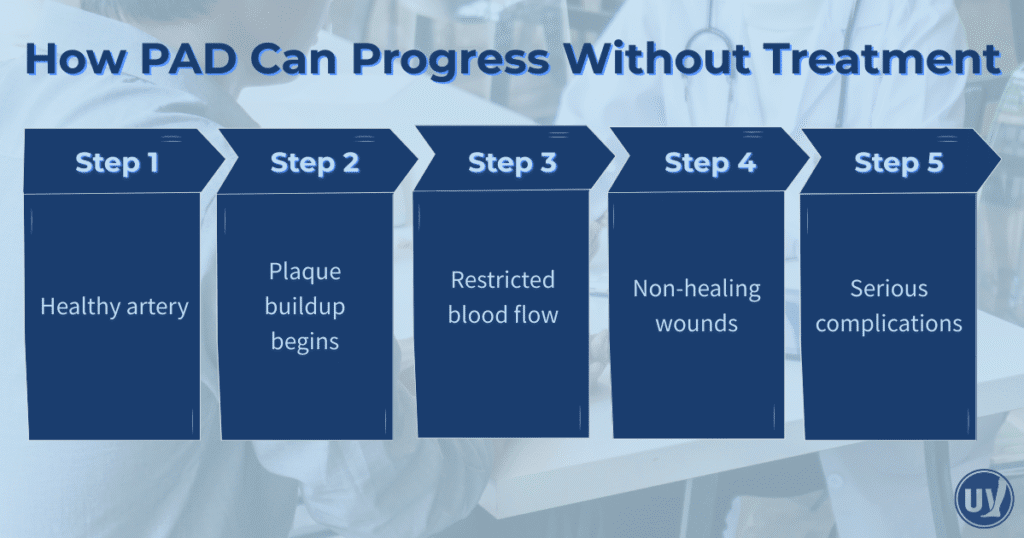
PAD progresses gradually and can often go unnoticed until symptoms become more severe. Reduced circulation affects the body’s ability to move, heal, and function comfortably. Over time, untreated PAD can lead to chronic pain, decreased physical activity, and a higher risk of infections or tissue damage.
Seeking vascular treatment early provides several advantages. Early intervention helps restore blood flow before the damage becomes advanced. It also reduces the likelihood of major complications and supports better overall cardiovascular health. For many patients, proactive care leads to improved mobility and a better quality of life.
United Vein and Vascular Centers offers advanced diagnostic tools and minimally invasive treatments that are well suited for early and moderate stages of PAD. These techniques focus on precision, safety, and long-term success.
How PAD is Diagnosed: Tests and Assessments
A PAD diagnosis typically begins with a thorough physical examination. Your doctor will look for weak pulses in your legs. Coldness or skin changes in your extremities may also be assessed.
Several diagnostic tests are available to confirm PAD. The Ankle-Brachial Index (ABI) test is common. It compares blood pressure in your ankle with that in your arm. A significant difference indicates reduced blood flow.
Imaging studies provide further insight into artery condition. Ultrasound tests visualize blood flow and blockages. Angiography offers a detailed view of your arteries using contrast dye and X-rays.
Identifying PAD early allows for effective treatment. This helps prevent complications, improving your quality of life.
Por qué es importante el tratamiento de la arteriopatía periférica
La arteriopatía periférica no es sólo una enfermedad que causa molestias en las piernas. Si no se trata, puede tener consecuencias que alteren la vida. La reducción de la circulación aumenta el riesgo de heridas que no cicatrizan, infecciones e incluso amputaciones en los casos graves. La arteriopatía periférica es también una señal de alarma de enfermedad arterial generalizada, que aumenta la probabilidad de sufrir un infarto de miocardio o un ictus.
Cuanto antes se diagnostique y trate la arteriopatía periférica, mejores serán los resultados. Con un enfoque proactivo, muchas personas pueden recuperar su movilidad, mantener su independencia y mejorar significativamente su calidad de vida.
PAD Treatment Options: An Overview
Several approaches exist for managing Peripheral Artery Disease. Treatment plans depend on the severity and specific circumstances of each patient. Starting with lifestyle changes is often recommended.
For severe cases, minimally invasive procedures are options. Angioplasty is a popular choice due to its effectiveness. It offers significant blood flow improvement. In some instances, surgical interventions may be necessary to bypass blocked arteries.
Here’s a quick look at key PAD treatment options:
- Lifestyle changes (diet, exercise)
- Medications (antiplatelets, statins)
- Minimally invasive procedures (angioplasty)
- Intervenciones quirúrgicas
What is Angioplasty?
Angioplasty is a widely used minimally invasive procedure. It aims to restore normal blood flow in arteries affected by PAD. This procedure is a preferred option for many patients.
The process involves inserting a small balloon into the artery. Once in place, the balloon inflates to widen the artery. This helps improve blood circulation significantly.
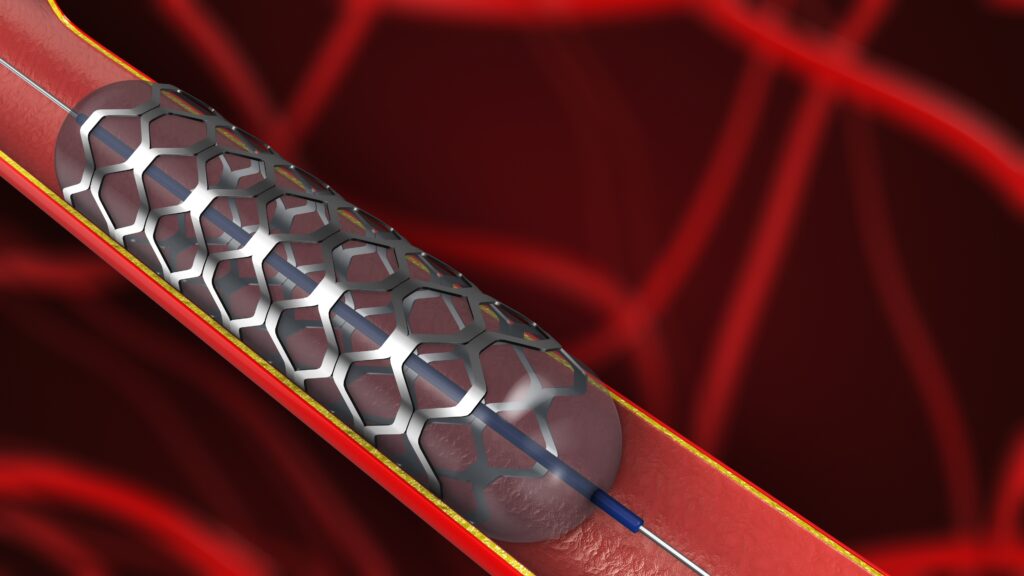
Stents may also be used during angioplasty. A stent is a tiny mesh tube placed in the artery. It ensures the artery remains open after the procedure.
Key aspects of angioplasty include:
- Minimally invasive technique
- Use of a balloon to open arteries
- Possible stent placement
- Mejora de la circulación sanguínea
- Quick recovery time
Preparing for the Angioplasty Procedure
Preparation for angioplasty is crucial for success. Doctors typically conduct several assessments beforehand. These help ensure patient readiness for the procedure.
Key preparation steps include various tests. Blood tests evaluate overall health and identify any potential issues. Imaging studies like ultrasounds provide detailed views of artery conditions.
Patients also receive specific instructions from their healthcare provider. Important guidelines often involve dietary restrictions before the procedure. Patients should follow all instructions to optimize the procedure’s outcome.
Typical preparation steps include:
- Blood tests
- Imaging studies (like ultrasound)
- Following dietary restrictions
- Avoiding specific medications
- Undergoing pre-procedure physical examinations
Clear communication with the healthcare team is essential. It allows patients to fully understand the preparation process. This understanding contributes significantly to a smooth angioplasty experience.
The Angioplasty Procedure: Step-by-Step
Angioplasty begins with local anesthesia. This minimizes discomfort during the procedure. Patients remain awake, allowing for real-time communication with the medical team.
A small incision is made to access the artery. This is commonly in the groin or arm. A thin tube, or catheter, is then inserted.
The catheter is threaded through the bloodstream to the blockage. Once in place, a small balloon at the catheter’s tip is inflated. This pressure opens the narrowed artery.
To keep the artery open, a stent is often placed. The stent acts as a scaffold, maintaining the artery’s shape. This is crucial for long-lasting blood flow improvement.
After the balloon is deflated and the catheter is removed, the incision is closed. Typically, only minimal pressure is needed.
The entire procedure usually takes one to two hours. Its duration depends on the complexity. Patients are monitored closely, ensuring a safe and effective outcome.
Stent Placement and Blood Flow Improvement
Stent placement is a crucial step in angioplasty. It involves inserting a tiny mesh tube into the artery. This helps keep the artery open after balloon inflation.
The stent remains permanently in the artery. Its presence prevents the artery from narrowing again. This plays a vital role in sustaining improved blood flow.
The benefits of improved blood flow include:
- Reduced pain in the legs
- Enhanced ability to walk
- Improved overall limb function
By restoring adequate blood circulation, angioplasty with stent placement significantly enhances life quality. It reduces PAD symptoms, fostering better health outcomes for patients.
Recovery After Angioplasty: What to Expect
Recovery post-angioplasty is usually swift and smooth. Patients often resume normal activities within a few days. Yet, the pace of recovery can vary.
Post-procedure monitoring in the hospital is typical. Medical staff ensure no complications arise. Discharge usually follows after a brief observation period.
A few common recovery tips include:
- Limit physical activities for a few days
- Follow any prescribed medication regimen
- Attend scheduled follow-up appointments
Gradually, patients regain their routine activities. Adhering to recovery advice can aid in a seamless transition back to daily life. Prioritizing rest and health after angioplasty is crucial for optimal results.
Risks, Benefits, and Success Rates of Angioplasty
Angioplasty is a preferred PAD treatment due to its minimally invasive nature. It offers significant benefits, including improved blood flow and reduced symptoms. These advantages make it an attractive choice for many.
However, like any medical procedure, angioplasty carries some risks. Potential complications may include:
- Bleeding at the insertion site
- Artery re-narrowing
- Infección
Success rates of angioplasty are generally high. Most patients experience notable symptom relief and better quality of life. Advanced techniques continue to enhance outcomes, boosting patient satisfaction. Understanding these aspects helps in making well-informed health decisions.
Lifestyle Changes and Long-Term Management After Angioplasty
After angioplasty, maintaining lifestyle changes is vital for long-term success. These changes support your treatment and promote overall vascular health. Embracing a healthy lifestyle can prevent future complications.
Even small adjustments can make a meaningful difference in improving circulation and slowing the progression of the disease. Some of the most impactful changes include:
Dejar de fumar
Fumar es uno de los principales factores de riesgo de la arteriopatía periférica. Las sustancias químicas del tabaco dañan el revestimiento de las arterias, favorecen la acumulación de placa y reducen los niveles de oxígeno en la sangre. Dejar de fumar es el paso más importante que puede dar para mejorar la circulación y reducir el riesgo de complicaciones relacionadas con la arteriopatía periférica.
Adoptar una dieta cardiosaludable
Lo que comes afecta directamente a tus arterias. Una dieta rica en frutas frescas, verduras, cereales integrales, proteínas magras y grasas saludables puede reducir el colesterol LDL, estabilizar la presión arterial y favorecer la salud vascular. Reducir los alimentos procesados, el exceso de sodio y los azúcares añadidos también es importante para controlar la arteriopatía periférica y el bienestar cardiovascular general.
Ejercicio regular
La terapia de ejercicio supervisada es uno de los tratamientos más eficaces para la arteriopatía periférica. Los programas de marcha, en particular, han demostrado que mejoran el flujo sanguíneo, reducen el dolor y aumentan la distancia que se puede caminar sin molestias. El ejercicio también ayuda a controlar el peso, la tensión arterial y los niveles de colesterol, todos ellos importantes para ralentizar la progresión de la arteriopatía periférica.
Gestión del peso
El sobrepeso somete al corazón y al sistema circulatorio a un esfuerzo adicional. Alcanzar y mantener un peso saludable favorece el flujo sanguíneo y reduce la tensión en las arterias.
Estos cambios no sólo mejoran los síntomas de la arteriopatía periférica, sino que también mejoran su salud y su energía en general.
Dé el primer paso hacia una mejor circulación
La arteriopatía periférica no tiene por qué controlar su vida. Con un tratamiento eficaz y cambios proactivos en su estilo de vida, puede controlar los síntomas, recuperar la movilidad y proteger su salud a largo plazo.
UVVC is here to provide the advanced care and support you need. Schedule a consultation today and take the first step toward stronger circulation and renewed confidence in your health.
Preguntas frecuentes
PAD angioplasty is typically performed using local anesthesia and mild sedation, so most patients remain comfortable throughout the procedure. You may feel slight pressure at the treatment site, but significant pain is uncommon. Many people are surprised by how quick and manageable the experience is.
Recovery is usually much faster than patients expect. Because angioplasty is minimally invasive, most individuals return home the same day and resume light activities within 24–48 hours. Your physician may recommend avoiding strenuous exercise for a short period while the artery heals, but extended downtime is rarely necessary.
As with any medical procedure, there are some risks, but serious complications are uncommon. Your care team carefully evaluates your health history and imaging beforehand to minimize risks. The benefits often far outweigh the potential concerns.
Caminar es un buen punto de partida para la mayoría de las personas con arteriopatía periférica. Los programas de ejercicio supervisados pueden ayudarle a crear una rutina segura y eficaz.
Las estatinas, los antiagregantes plaquetarios y los antihipertensivos se utilizan habitualmente en los planes de tratamiento de la arteriopatía periférica.
Si los cambios en el estilo de vida y la medicación no bastan para controlar los síntomas, pueden recomendarse procedimientos mínimamente invasivos como la angioplastia o la cirugía de bypass.
Taking the Next Step Toward Better Circulation
Peripheral Artery Disease is a progressive condition, but it is also highly treatable, especially when addressed early. Understanding what to expect from diagnosis through angioplasty allows you to approach treatment with clarity rather than uncertainty. Restoring healthy blood flow can mean less pain, greater mobility, and the ability to return to the activities you enjoy without constant limitation.
If you’ve been experiencing symptoms, it may be time to seek an evaluation. United Vein & Vascular Centers offers comprehensive diagnostic testing and advanced, minimally invasive treatments like angioplasty designed to help you move forward with confidence.
Schedule a consultation to learn more about your options and take an important step toward protecting your vascular health and improving your quality of life.