
Vascular Treatment Options
Advanced Vascular Care Designed to Support Circulation, Mobility, and Daily Comfort
United Vein & Vascular Centers provides specialized vascular treatment options for patients experiencing symptoms related to blood flow, circulation, and certain vascular-related conditions. Our vascular specialists use detailed evaluations and advanced imaging when appropriate to better understand each patient’s condition and recommend a treatment plan based on their symptoms, health history, and care goals.
Vascular treatment may be recommended for conditions that affect arteries, circulation, pelvic blood flow, joint-related discomfort, or other areas where targeted image-guided procedures may help improve function and quality of life. At UVVC, care is focused on helping patients better understand their options and receive treatment in a specialized outpatient setting whenever appropriate.
Solicitar una consulta

What Are Vascular Treatments?
Vascular treatments are procedures used to address conditions involving blood vessels and circulation. Depending on the condition, treatment may focus on improving blood flow, reducing pressure within affected vessels, relieving symptoms, or offering an alternative to more invasive surgical approaches.

Arterial Treatments for PAD
UVVC offers arterial treatment options for peripheral arterial disease to relieve leg pain and prevent serious complications. Our skilled team of vein specialists are able to perform minimally invasive arterial procedures in-office. Learn more about our Arterial Treatment options.

PAE for Enlarged Prostate
Prostate artery embolization, or PAE, is a treatment option for certain men with symptoms of an enlarged prostate, also known as benign prostatic hyperplasia. The procedure works by reducing blood flow to targeted areas of the prostate, which may help shrink the prostate over time and relieve urinary symptoms.
PAE may be an option for patients looking for a non-surgical approach to enlarged prostate symptoms. A consultation can help determine whether this treatment is appropriate based on the patient’s symptoms, prostate size, and health history.

GAE for Chronic Knee Pain
Genicular artery embolization, or GAE, is a treatment option for certain patients experiencing chronic knee pain related to osteoarthritis. The procedure targets abnormal blood flow around the knee that may contribute to inflammation and pain.
GAE may be considered for patients who are not ready for or are looking to avoid more invasive surgical options. A vascular specialist can evaluate whether GAE may be appropriate based on symptoms, imaging, and prior treatment history.

UFE for Painful Uterine Fibroids
Uterine fibroid embolization, or UFE, is a treatment option for women experiencing symptoms caused by uterine fibroids. Fibroids may contribute to heavy menstrual bleeding, pelvic pain, pressure, bloating, or frequent urination.
UFE works by blocking blood flow to the fibroids, helping them shrink over time while preserving the uterus. This procedure may be an option for patients seeking an alternative to hysterectomy or other surgical approaches.
Atherectomy for Arterial Plaque Buildup
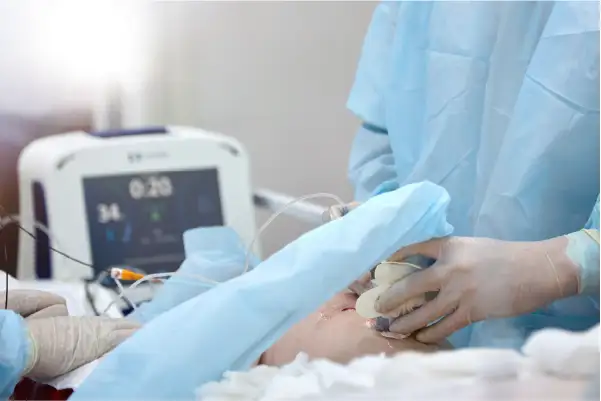
Atherectomy is a vascular treatment used to remove plaque buildup from inside an artery. This may be recommended for some patients with peripheral artery disease when plaque is limiting blood flow to the legs.
By helping clear the affected artery, atherectomy may support improved circulation and help reduce symptoms related to poor blood flow. Your vascular specialist will determine whether atherectomy is appropriate based on imaging results and your overall treatment plan.
Angioplasty & Stenting for PAD
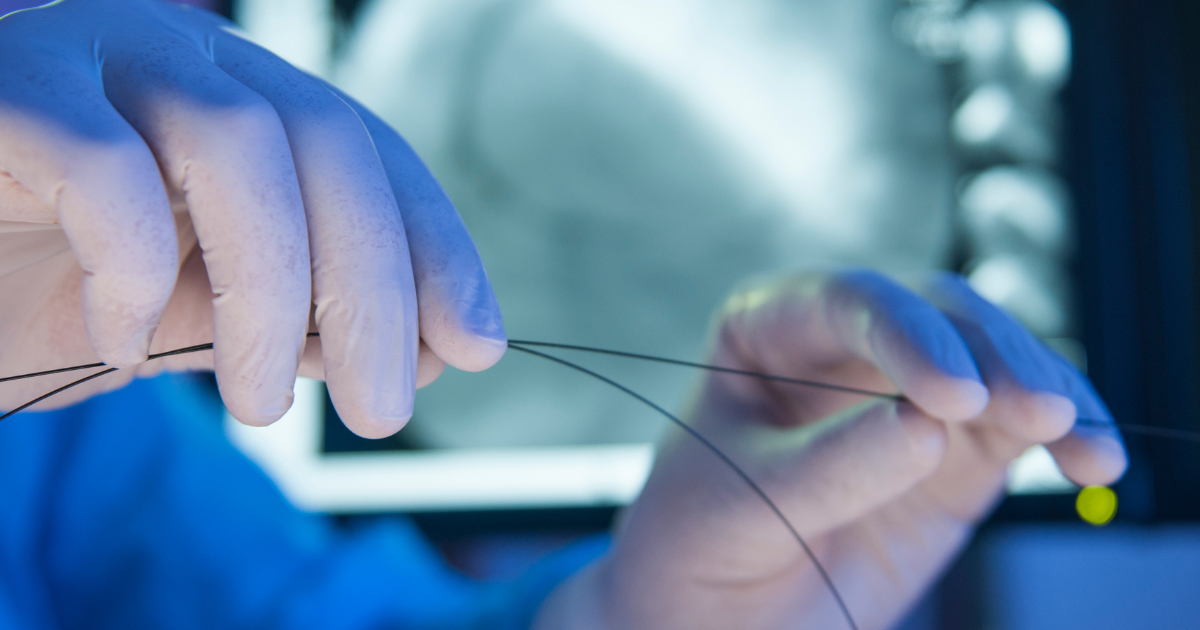
Angioplasty and stenting are vascular procedures used to help open narrowed or blocked arteries. During angioplasty, a small balloon is used to widen the affected artery. In some cases, a stent may be placed to help keep the artery open and support improved circulation.
These procedures may be recommended for certain patients with peripheral artery disease when reduced blood flow is contributing to leg pain, limited mobility, or other symptoms that interfere with daily life.

Compression Therapy for Lymphedema
Compression therapy may be recommended as part of a vascular care plan for patients experiencing swelling or circulation-related discomfort. Compression garments apply gentle pressure to the legs to help support blood flow and reduce fluid buildup.
For patients with lymphedema or chronic swelling, compression therapy may be one part of a broader management plan. Your provider can determine whether compression therapy is appropriate and how it should be used.

HAE for Internal Hemorrhoids
Hemorrhoid artery embolization, or HAE, is a treatment option for certain patients with internal hemorrhoid symptoms. This procedure targets blood flow to the hemorrhoidal arteries, which may help reduce symptoms such as bleeding, irritation, or discomfort.
HAE may be considered for patients who have not found enough relief from conservative care or who are looking for a less invasive option than traditional hemorrhoid surgery.

What to Expect During a Vascular Consultation
A vascular consultation gives your specialist the opportunity to understand your symptoms, review your medical history, and determine whether additional testing or imaging is needed. Depending on your condition, your provider may recommend diagnostic ultrasound or other imaging to evaluate blood flow and identify the source of your symptoms.
After your evaluation, your specialist will explain your findings and discuss treatment options that may be appropriate for your condition. The goal is to create an individualized plan that supports your circulation, mobility, and overall comfort.
Preguntas frecuentes
Muchos de nuestros procedimientos están cubiertos por planes de seguro, incluido Medicare. Nuestro equipo puede ayudarle a entender su cobertura y opciones.
The best treatment depends on your condition, symptoms, and overall health. Our specialists use advanced imaging and thorough evaluation to recommend the most appropriate option.
El tiempo de recuperación varía según el procedimiento, pero la mayoría de los pacientes experimentan un tiempo de inactividad mínimo y pueden reanudar sus actividades normales en pocos días.
Why Choose UVVC for Vascular Treatment?
At United Vein & Vascular Centers, vascular care is designed to be specialized, patient-centered, and focused on long-term symptom improvement. Our team provides advanced treatment options in outpatient settings when appropriate, helping patients access care without the need for traditional hospital-based surgery in many cases.
Patients choose UVVC for vascular care because our approach emphasizes:
- Individualized treatment planning
- Detailed diagnostic evaluation
- Image-guided procedures when appropriate
- Outpatient care settings
- Treatment options designed to support circulation, mobility, and daily comfort
- Clear communication from consultation through follow-up