
Internal Hemorrhoid Symptoms, Causes, & Treatment
What Are Internal Hemorrhoids?
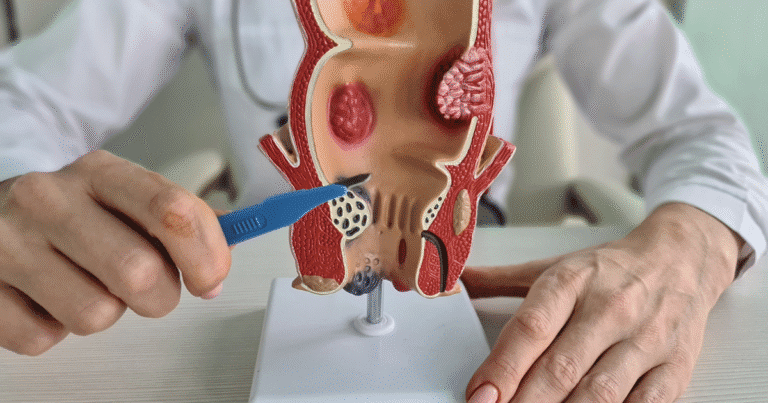
Internal hemorrhoids are swollen veins that develop inside the rectum. Because they form in an area with fewer pain-sensitive nerves, they may not always cause discomfort. For many people, the first sign of an internal hemorrhoid is bright red blood after a bowel movement.
Common symptoms of internal hemorrhoids may include:
- Bright red bleeding after a bowel movement
- Blood on toilet paper or in the toilet bowl
- A feeling of pressure or fullness in the rectal area
- Mucus or irritation after bowel movements
- A bulge or tissue that comes out during bowel movements
- Difficulty feeling fully clean after using the bathroom
- Discomfort if the hemorrhoid becomes irritated or prolapsed
At United Vein & Vascular Centers, we focus on advanced, minimally invasive vascular care, including treatment options for internal hemorrhoids. Our team can help determine whether your symptoms may be related to internal hemorrhoids. Request a vascular consultation to get started.
Poproś o konsultację

What Causes Internal Hemorrhoids?
Internal hemorrhoids are often caused by pressure in the rectal area. Over time, this pressure can affect the veins and supporting tissues inside the rectum, causing hemorrhoids to swell, stretch, or bleed.
Common causes include:
- Napinanie się podczas wypróżnień
- Chronic constipation or diarrhea
- Sitting on the toilet for long periods
- Low-fiber diet
- Ciąża
- Otyłość
- Heavy lifting
- Aging and weakening of supportive tissue
- Family history of hemorrhoids
Lifestyle changes may help reduce irritation and prevent symptoms from worsening, but persistent internal hemorrhoid symptoms may require medical evaluation and treatment.

Opcje leczenia hemoroidów
Treatment for internal hemorrhoids depends on symptom severity, the degree of prolapse, bleeding frequency, and your overall health. Mild symptoms often improve with conservative measures such as increasing dietary fiber, drinking more water, avoiding straining, limiting time on the toilet, using stool softeners when recommended, taking warm sitz baths, and using over-the-counter creams or suppositories as directed.
Some patients with persistent symptoms may be candidates for minimally invasive procedures such as hemorrhoid artery embolization (HAE). Learn more about HAE.

When To Seek Medical Care
You should seek medical care if you experience rectal bleeding, even if you believe it may be caused by hemorrhoids. A proper evaluation can help rule out other conditions and guide the right next step.
You should also contact a healthcare provider if you have:
- Ongoing or recurrent bleeding
- Bleeding that is heavy or worsening
- A prolapsed hemorrhoid
- Symptoms that do not improve with conservative care
- Pain, swelling, or significant discomfort
- Changes in bowel habits
- Dark or tar-like stool
- Dizziness, weakness, or signs of significant blood loss
Hemorrhoids are common, but bleeding should always be taken seriously.

How Internal Hemorrhoids Are Evaluated
Evaluation for internal hemorrhoids may include a review of your symptoms, medical history, and risk factors. Depending on your symptoms, a provider may perform a physical exam, digital rectal exam, or use a small scope to look inside the anus and rectum.
The goal of evaluation is to better understand what is causing your symptoms and determine which treatment options may be appropriate. In some cases, additional testing may be recommended to rule out other causes of bleeding or bowel changes.
At United Vein & Vascular Centers, patients with symptoms of internal hemorrhoids can meet with a vascular specialist to discuss whether a minimally invasive vascular procedure may be an option.
Powiązane artykuły