

Contents
- “Why do my veins look blue, and when is it a sign of a vein or lymphatic issue?”
- Q: Why do veins look blue under the skin, is that normal?
- Q: When do blue or bulging veins indicate vein disease?
- Q: Can lymphatic issues make veins look more prominent?
- Q: When should someone see a vein and lymphatic specialist for visible veins or leg swelling?
- What’s Next in the Ask the Doc Series
Welcome back to Ask the Doc, an educational series from United Vein & Vascular Centers designed to provide clear, physician-led answers to common questions about vein and vascular health. Each week, a UVVC specialist breaks down symptoms patients often notice but may not fully understand and explains when those signs deserve medical attention.
In this installment, Dr. Harvey Echols addresses a frequent concern patients raise during consultations and online searches:
“Why do my veins look blue, and when is it a sign of a vein or lymphatic issue?”
Q: Why do veins look blue under the skin, is that normal?
Dr. Echols:
Yes, in many cases it is normal to see blue or purplish veins beneath the skin. Veins carry oxygen-poor blood back to the heart, and the way light passes through the skin makes them appear blue rather than red.
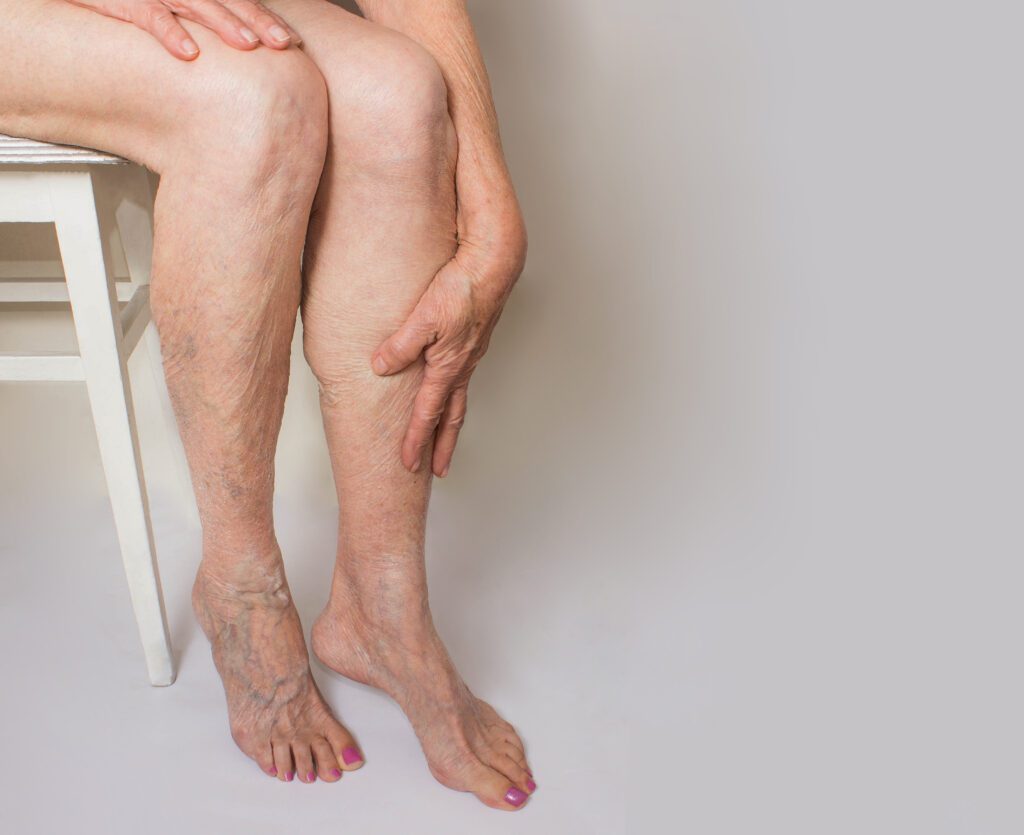
Veins are also closer to the surface than arteries, especially in areas like the hands, arms, feet, and lower legs. Factors such as lighter skin tone, thin skin, aging, or genetics can all make veins more visible.
That said, visibility alone doesn’t tell the whole story. What matters is how the veins look, feel, and behave over time, and whether they’re accompanied by symptoms.
Q: When do blue or bulging veins indicate vein disease?
Dr. Echols:
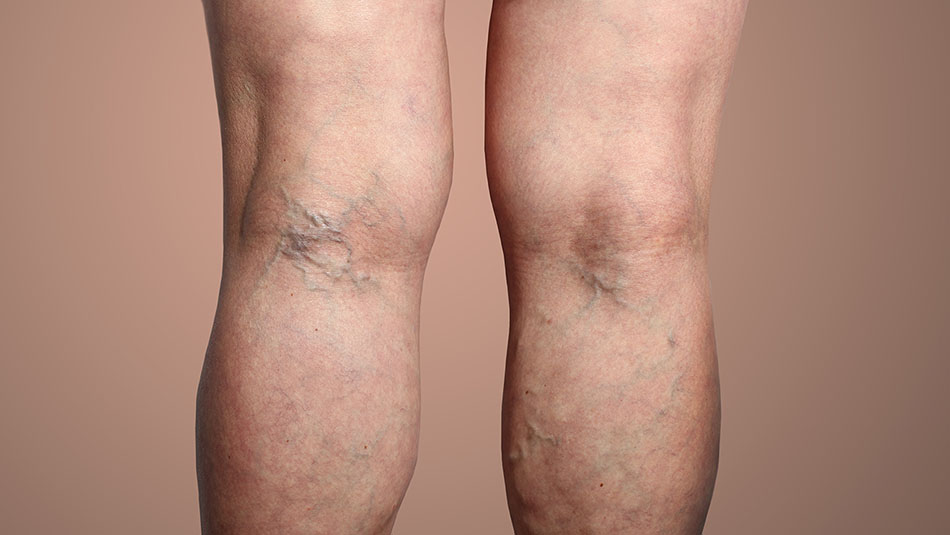
Blue veins may signal vein disease when they become more prominent, bulging, or symptomatic. This is often related to chronic venous insufficiency (CVI), a condition where vein valves weaken and allow blood to pool in the legs.
Signs that visible veins may be medical rather than cosmetic include:
- veins that bulge or twist
- veins that worsen over time
- aching, heaviness, or fatigue in the legs
- burning or itching sensations
- swelling around the ankles or calves
- symptoms that worsen at night or after standing
If blue veins are accompanied by discomfort or swelling, it’s worth having them evaluated.
Q: Can lymphatic issues make veins look more prominent?
Dr. Echols:
Yes. The lymphatic system plays a major role in fluid balance, and when it isn’t working properly, fluid can build up in the tissues. This is a condition known as lymphedema.
Lymphatic issues can cause:
- persistent swelling, often in one leg
- hard or tight-feeling skin around the ankle
- heaviness or pressure
- veins that appear more noticeable due to surrounding swelling
Patients often report concerns like ankle swelling that feels firm, burning legs, cold sensations, or swelling in only one leg. These symptoms can overlap with venous disease, which is why evaluating both systems together is so important.
Q: When should someone see a vein and lymphatic specialist for visible veins or leg swelling?
Dr. Echols:
I recommend scheduling an evaluation if you notice:
- blue or bulging veins that continue to worsen
- swelling that doesn’t improve overnight
- swelling in only one leg
- hardening or tightness around the ankle
- burning, aching, or cold sensations in the leg
- skin changes or discoloration
- heaviness or fatigue that interferes with daily activity
Visible veins are often the most obvious sign of a deeper circulation issue, but they’re rarely the only one. Early evaluation allows us to determine whether symptoms are venous, lymphatic, or a combination of both, and to intervene before they progress.
What’s Next in the Ask the Doc Series
Ask the Doc was created to help patients better understand the full spectrum of vein and vascular health, from visible changes and physical symptoms to diagnosis and treatment options. Each week, a UVVC physician answers real patient questions to help guide informed care decisions.
In our next installment, Dr. Kyle Herron will explain why legs may burn, tingle, or feel cold, what those sensations can reveal about circulation, and when it may be time to seek care from a vein specialist. If you’re already experiencing symptoms and want answers sooner, you can find a United Vein & Vascular Centers clinic near you and schedule an evaluation with one of our specialists.
Medically reviewed by UVVC National Medical Director, Dr. Domenic Zambuto