

Welcome back to Ask the Doc, an educational series from United Vein & Vascular Centers designed to provide clear, physician-led answers to common questions about vein and vascular health. Each week, a UVVC physician breaks down symptoms patients notice in daily life and explains what they may mean medically.
In this installment, Dr. Kyle Herron answers symptom-related questions that patients frequently bring up during consultations:
“Why do my legs burn, tingle, or feel cold, and could this be related to circulation or vein disease?”
Leg Tingle & Vein Disease
Dr. Herron:
Burning or tingling sensations in the legs are often assumed to be nerve-related, but they can absolutely be connected to vein disease. When venous circulation is impaired, blood pools in the legs and increases pressure in the surrounding tissue. That pressure can irritate nearby nerves, leading to sensations like burning, tingling, or pins-and-needles.
In patients with chronic venous insufficiency (CVI), these symptoms often worsen after long periods of standing or later in the day, when venous pressure is highest.
Cold Legs
Dr. Herron:
This is a very common and confusing symptom. When the legs feel cold without an actual drop in skin temperature, it’s often related to circulation or nerve signaling, not environmental temperature.
Poor venous circulation can alter how nerves perceive sensation, creating a cold or icy feeling even when blood flow isn’t completely blocked. In some cases, arterial issues or nerve involvement may also play a role, which is why proper evaluation is important rather than self-diagnosis.
Poor Circulation & Nighttime Leg Pain
Dr. Herron:
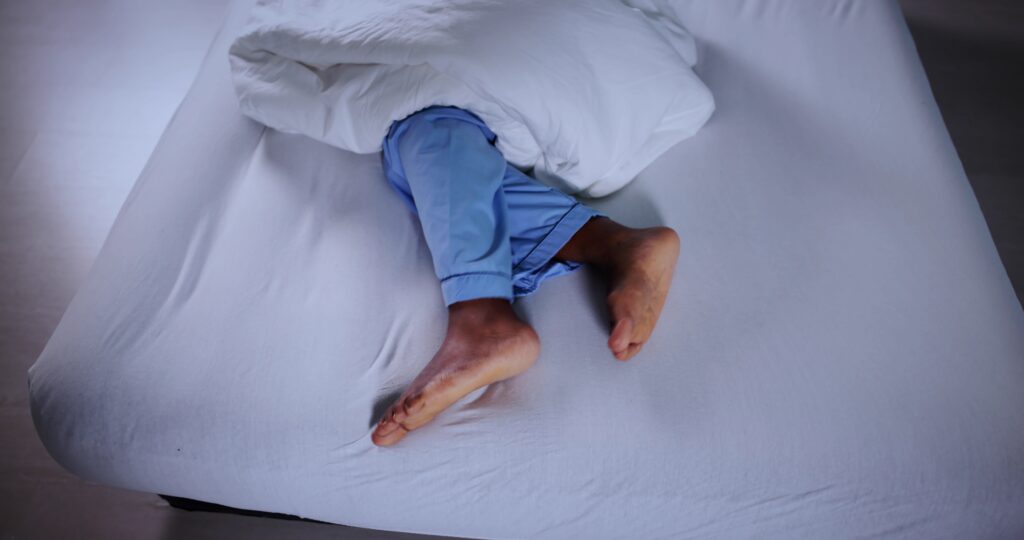
During the day, walking and muscle movement help push blood upward against gravity. At night, when you’re resting or lying down, that assistance is reduced and symptoms caused by venous pooling become more noticeable.
Patients with venous insufficiency often experience:
– aching or throbbing at night
– heaviness or fatigue in the legs
– burning or tingling sensations
– discomfort that interrupts sleep
– restlessness of the legs at night
Nighttime symptoms are a common early sign that vein disease is developing or progressing.
When to Seek Professional Help
Dr. Herron:
I recommend scheduling an evaluation if these sensations:
– occur regularly rather than occasionally
– worsen at night or after standing
– are accompanied by swelling or heaviness
– occur alongside early varicose veins or visible veins
– affect sleep or daily quality of life
These symptoms often overlap with early vein disease, even before large varicose veins become obvious. Early evaluation helps identify whether circulation is contributing and allows us to intervene before symptoms progress.
What’s Next in the Ask the Doc Series
Ask the Doc was created to help patients understand the full spectrum of vein and vascular health, from early warning symptoms and visible changes to diagnosis and treatment options. Each week, a UVVC physician answers real patient questions to support informed, confident care decisions.
In our next installment, Dr. Richard Alexander will explain when varicose veins require medical treatment and when surgery may be the right option. If you’re already experiencing discomfort or noticing changes in your veins, you can find a United Vein & Vascular Centers clinic near you and schedule an evaluation with one of our specialists.
Medically reviewed by UVVC National Medical Director, Dr. Domenic Zambuto