Contents
- What Is Vein Restoration?
- How Does Vein Restoration Work?
- Why Vein Restoration Often Involves Dissolving or Closing Veins
- Common Vein Restoration Treatments Used by Specialists
- How Vein Specialists Restore Overall Venous System Function
- What Does Vein Restoration Feel Like for Patients?
- When Should You See a Vein Specialist?
- Frequently Asked Questions
- Take the Next Step Toward Better Vein Health
If your legs feel heavy, achy, or swollen by the end of the day, you are not alone. Millions of people live with vein disease without realizing that their symptoms are not just a normal part of aging or long workdays. The good news is that modern vein care has come a long way, and vein restoration offers real solutions that can improve comfort, mobility, and overall quality of life.
Vein restoration focuses on improving how blood flows through your veins, especially in the legs. Rather than simply masking symptoms, it addresses the underlying vein issues that cause discomfort, visible veins, and circulation problems. With the guidance of a vein specialist, treatment can be straightforward, minimally invasive, and highly effective.
Understanding how vein restoration works is often the first step toward feeling better and getting back to the activities you enjoy.
What Is Vein Restoration?
Vein restoration is a medical approach used to treat damaged, weakened, or poorly functioning veins. It is most commonly associated with chronic venous insufficiency, varicose veins, and spider veins. These conditions develop when vein valves stop working properly, allowing blood to pool in the legs instead of flowing efficiently back to the heart.
Over time, poor circulation can lead to symptoms such as:
- Leg pain or aching
- Swelling in the legs or ankles
- Heaviness or fatigue in the legs
- Visible bulging or twisted veins
- Skin discoloration or irritation
- Restless legs or cramping
- Slow-healing wounds near the ankles
Vein restoration focuses on correcting these circulation problems so blood can move through healthier veins, reducing pressure and improving overall vascular health.
How Does Vein Restoration Work?
Vein restoration works by redirecting blood flow away from damaged veins and into healthy ones. While this may sound complex, your body already has a network of veins capable of handling improved circulation once problematic veins are treated.
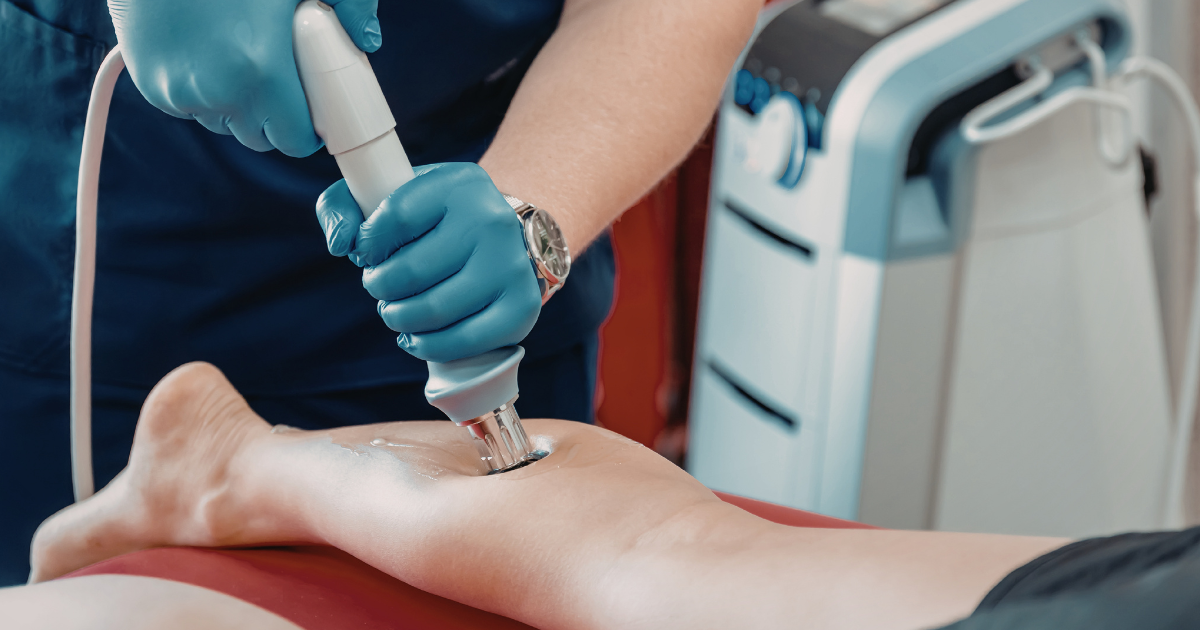
A vein specialist begins by identifying which veins are not functioning correctly. This is typically done through a detailed evaluation and ultrasound imaging that maps blood flow in the legs.
Once the problem veins are identified, treatment focuses on closing or dissolving those veins so blood can naturally reroute itself through healthier pathways. The body then absorbs the treated veins over time.
This process helps relieve pressure, reduce symptoms, and restore more efficient circulation in the lower body.
Why Vein Restoration Often Involves Dissolving or Closing Veins
One of the most surprising things patients learn about vein restoration is that treatment often involves closing off damaged veins rather than trying to repair them. While that may sound counterintuitive, it is actually a key part of restoring healthy circulation.
Damaged veins with faulty valves allow blood to flow backward and pool in the legs. These veins no longer serve a useful purpose and can make symptoms worse over time.
By safely closing or dissolving these veins:
- Blood is redirected to healthier veins that work properly
- Pressure in the legs is reduced
- Symptoms like pain and swelling improve
- The risk of skin changes or ulcers may decrease
Your circulatory system naturally adapts by using stronger veins to carry blood back to the heart more efficiently.
Common Vein Restoration Treatments Used by Specialists
Vein restoration is not a one-size-fits-all process. A vein specialist creates a personalized treatment plan based on your symptoms, vein structure, and overall health. Some of the most common treatment options include:
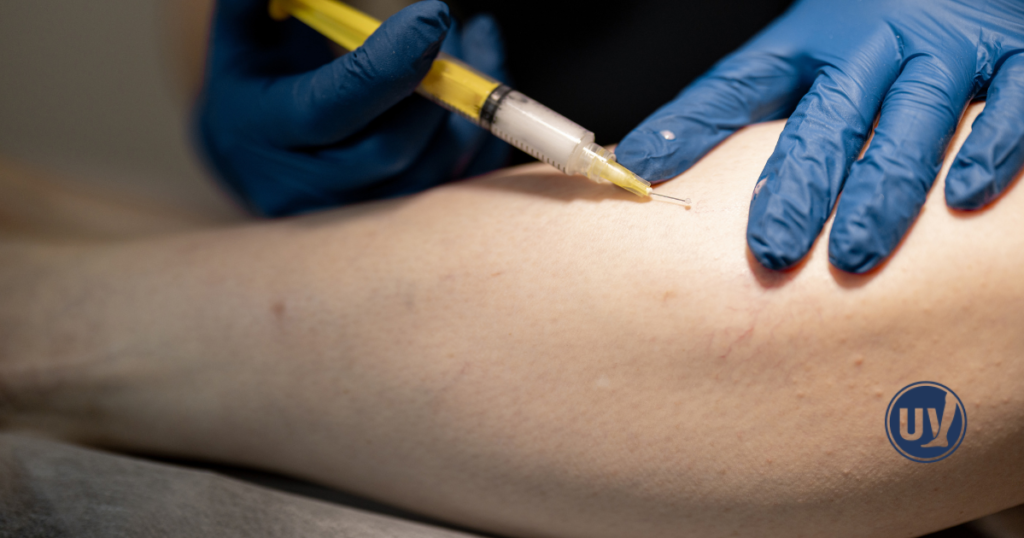
Sclerotherapy
This treatment involves injecting a solution into affected veins, causing them to close and gradually fade. It is often used for spider veins and smaller varicose veins.
Radiofrequency Ablation
Radiofrequency ablation uses controlled radiofrequency energy delivered through a small catheter to gently heat and close diseased veins. This allows blood to reroute to healthier veins, improving circulation and reducing symptoms. The procedure is minimally invasive, performed in an outpatient setting, and typically allows patients to return to normal activities quickly.
Your specialist will explain which options are best for your condition and what you can expect before, during, and after treatment.
How Vein Specialists Restore Overall Venous System Function
Vein restoration goes beyond treating individual veins. A vein specialist looks at the health of your entire venous system and helps address factors that contribute to vein disease.
Lifestyle guidance is often an important part of long-term vein health. A specialist may recommend:
- Improving circulation through daily movement or walking
- Adjusting your diet to support vascular health
- Reducing sodium intake to help manage swelling
- Maintaining a healthy weight
- Quitting smoking to improve blood vessel function
- Elevating your legs when resting
- Wearing compression stockings if recommended
These changes work alongside medical treatments to support better outcomes and help prevent future vein problems.
What Does Vein Restoration Feel Like for Patients?
Many people delay vein care because they assume treatment will be painful or require significant downtime. In reality, modern vein restoration is designed with patient comfort in mind.
Most procedures are minimally invasive and performed in a clinic setting. Patients typically experience little discomfort and can return to normal activities quickly, often the same day or within a short recovery period.
Results can include:
- Reduced leg pain and swelling
- Improved ability to stand or walk comfortably
- Less fatigue at the end of the day
- Healthier looking skin and veins
- Improved confidence and quality of life
For many patients, the relief they feel after treatment is noticeable and life-changing.
When Should You See a Vein Specialist?
If you are experiencing persistent leg discomfort, visible veins, or swelling that does not improve with rest, it may be time to consult a vein specialist. Early evaluation can help prevent vein disease from progressing and allow for more treatment options.
You should consider scheduling an evaluation if:
- Symptoms interfere with daily activities
- Leg pain or swelling worsens over time
- Skin changes develop near the ankles or calves
- You have a family history of vein disease
- Compression or home remedies are no longer helping
A professional evaluation can provide clarity, reassurance, and a clear path forward.
Frequently Asked Questions
Vein restoration is often medically necessary, especially when treating chronic venous insufficiency or symptoms like pain, swelling, and skin changes. While cosmetic improvement can be a benefit, the primary goal is improving circulation and overall vein health.
Results are long-lasting when underlying vein issues are properly treated. Maintaining a healthy lifestyle and following your specialist’s recommendations can help support lasting benefits and reduce the risk of new vein problems.
Many vein restoration treatments are covered by insurance when they are deemed medically necessary. Coverage depends on your symptoms, diagnosis, and insurance plan. A vein specialist’s office can help verify coverage and guide you through the process.
Take the Next Step Toward Better Vein Health
You do not have to live with ongoing leg pain, swelling, or discomfort caused by vein disease. Vein restoration offers effective solutions that address the root cause of circulation problems and help you move through life more comfortably.
The specialists at United Vein & Vascular Centers are dedicated to helping patients understand their vein health, explore treatment options, and feel confident in their care plan. With compassionate expertise and advanced treatment options, they are committed to improving your quality of life.
Find a United Vein & Vascular Centers clinic near you today and take the first step toward healthier legs and better circulation.