



Contents
- Q: Are foot cramps normal?
- Q: What causes nighttime foot cramps?
- Q: Why do I get cramps in my feet at night?
- Q: Can poor circulation cause foot cramps?
- Q: Can venous insufficiency cause foot cramps at night?
- Q: Can foot cramps at night be a sign of peripheral artery disease?
- Q: How can I tell the difference between a muscle cramp and poor circulation?
- Q: When should I worry about foot cramps?
- Q: How do doctors diagnose recurring foot cramps?
- Q: How do I stop a foot cramp when it happens?
- Q: How can you prevent nighttime foot cramps?
- Q: How are circulation problems that cause foot cramps treated?
- Frequently Asked Questions
- Schedule an Evaluation for Nighttime Foot Cramps
Welcome back to Ask the Doc, an educational series from United Vein & Vascular Centers designed to provide clear, medically grounded answers to common questions about vein and vascular health. Each week, a UVVC physician explains what symptoms may mean, when they warrant attention, and how minimally invasive care may help when an underlying circulation problem is found.
In this installment, Dr. Umang Patel explains what causes nighttime foot cramps, which symptoms may point to poor circulation, and what patients can do when cramps in their feet keep returning at night.
The short answer: Muscle fatigue, inactivity, sleeping position, dehydration, medication effects, nerve problems, and certain medical conditions can all cause nighttime foot cramps. Poor circulation may also cause cramping or nighttime foot discomfort, but the timing, duration, triggers, and accompanying symptoms help distinguish an ordinary muscle cramp from venous or arterial disease.
Q: Are foot cramps normal?
Dr. Patel:
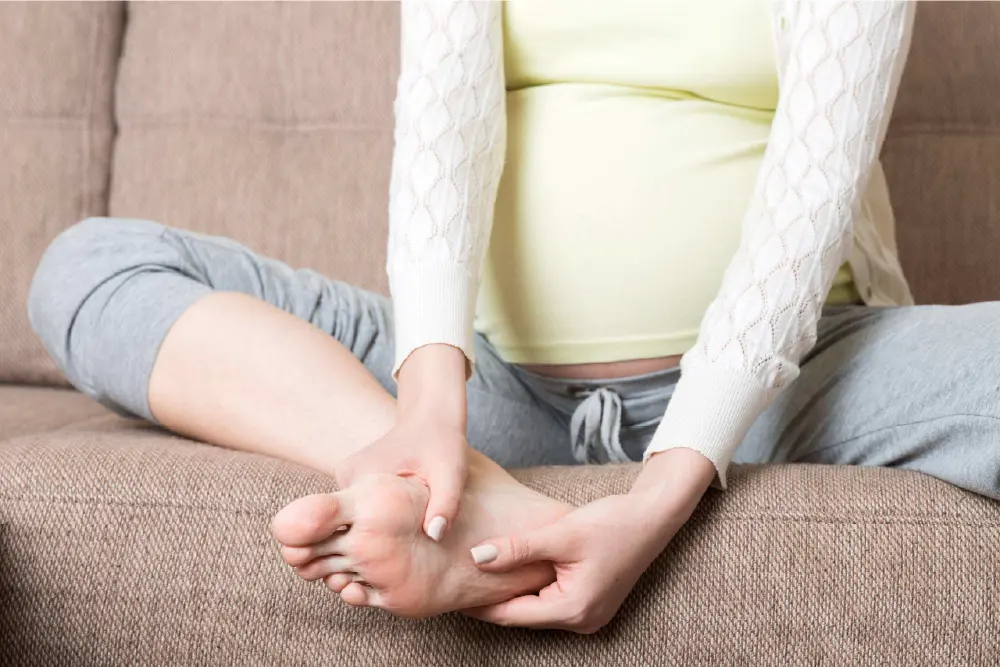
Occasional foot cramps are common, especially after increased physical activity, prolonged time on the feet, or holding the foot in one position for an extended period. A typical cramp causes a muscle to tighten suddenly without the person intending to move it. The arch may feel hard or knotted, and the toes may curl or pull in an uncomfortable direction.
Most ordinary cramps last from several seconds to a few minutes. The muscle may remain sore afterward, but normal movement generally returns once the contraction releases.
Nightly foot cramps should not automatically be dismissed as normal, particularly when they repeatedly interrupt sleep, become more frequent, or occur with swelling, numbness, weakness, skin changes, or persistent pain. These patterns may indicate that something beyond temporary muscle tightness is contributing.
Q: What causes nighttime foot cramps?
Dr. Patel:
Nighttime foot cramps can develop for several reasons, and the exact cause is not always clear. Factors that may contribute include:
- Muscle fatigue or overuse: Walking farther than usual, increasing exercise too quickly, or spending a long day on the feet can make the muscles more prone to cramping.
- Prolonged inactivity: Sitting for hours or keeping the feet in the same position can contribute to stiffness and muscle shortening.
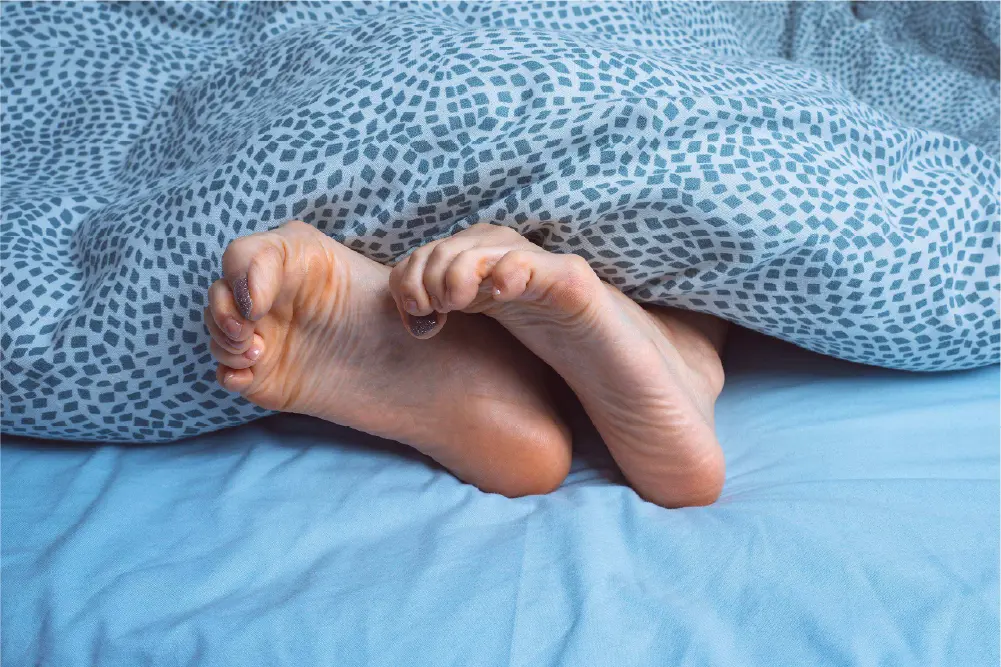
- Sleeping position: The toes often point downward during sleep. This position shortens muscles in the feet and calves and may make a sudden contraction more likely.
- Dehydration or fluid loss: Heavy sweating, illness, inadequate fluid intake, or other sources of fluid loss can interfere with normal muscle function.
- Electrolyte changes: Abnormal levels of potassium, calcium, magnesium, or sodium can contribute to cramping, although cramps alone cannot confirm a deficiency.
- Pregnancy: Changes in body weight, circulation, and pressure on nerves and blood vessels may make cramps more common during pregnancy.
- Medication effects: Some diuretics, statins, and other medications have been associated with muscle cramping. A prescribed medication should not be stopped without guidance from the prescribing provider.
- Nerve or muscle conditions: Peripheral neuropathy, nerve compression, spinal conditions, or certain muscle disorders may produce cramping or sensations that feel similar.
- Circulation problems: Chronic venous insufficiency and peripheral artery disease affect blood flow in different ways and can both cause leg or foot discomfort.
Knowing what causes nighttime foot cramps requires more than identifying the location of the pain. When the cramp occurs, how long it lasts, what relieves it, and which other symptoms are present can all help narrow the possibilities.
Q: Why do I get cramps in my feet at night?
Dr. Patel:
The exact reason foot cramps become more noticeable at night is not always clear. While sleeping, the feet remain relatively still and may rest with the toes pointed downward. This shortens the muscles along the soles of the feet and the backs of the lower legs. A small movement may then trigger a sudden contraction in a muscle that is already shortened or fatigued.
The effects of daytime activity can also carry into the night. Exercise, prolonged standing, extended sitting, warm temperatures, or inadequate hydration may not produce a cramp immediately. The discomfort may appear later when the body is resting.
Nighttime symptoms are also easier to notice when there are fewer distractions. However, a cramp occurring in bed does not automatically mean circulation is poor. A brief muscle contraction that releases with stretching follows a different pattern from persistent pain caused by reduced arterial blood flow or the broader aching and heaviness that can accompany vein disease.
Q: Can poor circulation cause foot cramps?
Dr. Patel:
Yes, poor circulation can contribute to foot or leg cramping, but “poor circulation” can refer to more than one condition.
Veins carry blood back toward the heart. When valves inside the leg veins weaken, blood may collect in the lower legs and increase pressure within the veins. This is known as chronic venous insufficiency. Patients may experience cramping along with swelling, heaviness, aching, throbbing, fatigue, visible veins, or skin changes.
Arteries carry oxygen-rich blood from the heart to the legs and feet. Peripheral artery disease develops when plaque narrows these vessels and reduces blood flow. PAD more commonly causes cramping during walking or activity, but advanced disease can produce pain in the feet or toes while resting.
Muscle cramps, venous insufficiency, and PAD can therefore involve discomfort described as “cramping,” but they do not produce identical symptom patterns. That distinction matters because treatment depends on which part of the circulatory system, or which nonvascular cause, is involved.
Q: Can venous insufficiency cause foot cramps at night?
Dr. Patel:
Chronic venous insufficiency can be associated with nighttime cramping, although a cramp confined to the foot is not enough to diagnose vein disease.
Healthy leg veins contain valves that help blood move upward toward the heart. When these valves do not close properly, some blood flows backward and pools in the legs. The resulting pressure may contribute to aching, heaviness, swelling, throbbing, muscle fatigue, and cramping.
Venous symptoms are often more noticeable later in the day or after prolonged sitting or standing. Walking, changing position, or elevating the legs may provide relief. Other signs can include:
- Swelling around the feet, ankles, or lower legs
- Visible spider veins or varicose veins
- Itching, burning, or irritation
- Reddish-brown discoloration near the ankles
- Thickened or hardened skin
- A wound near the ankle that heals slowly
Vein disease can be present without visible varicose veins. When foot cramps at night occur alongside other symptoms of chronic venous insufficiency, a vein screening can help determine whether impaired venous blood flow is contributing.
Q: Can foot cramps at night be a sign of peripheral artery disease?
Dr. Patel:
Foot cramps can occur in people with peripheral artery disease, but a typical brief nighttime muscle cramp is different from the most common PAD patterns.
PAD develops when plaque narrows or blocks the arteries supplying the legs and feet. One of its most recognizable symptoms is claudication: aching, cramping, fatigue, or discomfort that begins during walking or exercise and improves after the person stops and rests.
In more advanced PAD, the feet or toes may hurt even when the person is not active. This is called ischemic rest pain. It may become more noticeable when lying down at night and sometimes improves temporarily when the foot is lowered over the side of the bed or the person stands.
Rather than causing the muscles to tighten for a few seconds, PAD-related rest pain may feel like persistent aching, burning, or soreness. Other possible signs include one foot feeling noticeably colder than the other, weak or absent pulses, numbness, discoloration, reduced hair growth, or a sore that is not healing.
Q: How can I tell the difference between a muscle cramp and poor circulation?
Dr. Patel:
The sensation alone may not reveal the cause, but the timing, duration, triggers, and accompanying symptoms can offer important clues.
| Type of discomfort | Typical pattern | What may provide relief | Other possible signs |
| Ordinary foot cramp | Sudden, painful tightening in the arch or toes that usually lasts seconds to minutes | Stretching, flexing the foot, massage, or brief movement | The muscle may feel hard, and the toes may curl involuntarily |
| Chronic venous insufficiency | Aching, heaviness, throbbing, fatigue, or cramping that often worsens later in the day | Walking, changing position, or elevating the legs | Swelling, visible veins, itching, discoloration, or skin changes |
| PAD-related claudication | Cramping or aching that begins during walking or exercise | Stopping and resting | Symptoms may return after a similar amount of activity |
| PAD-related rest pain | Persistent aching or burning in the feet or toes, often while lying down | Lowering the foot or standing may provide temporary relief | Coolness, color changes, weak pulses, numbness, or slow-healing wounds |
| Nerve-related discomfort | Burning, tingling, electric pain, numbness, or altered sensation | Relief varies depending on the cause | May occur with diabetes, nerve compression, or weakness |
| Restless leg syndrome | An uncomfortable urge to move rather than a sustained muscle contraction | Movement usually provides temporary relief | Crawling, pulling, or tingling sensations may occur while resting |
Symptoms do not always fit one pattern perfectly, and some patients have more than one contributing condition. An evaluation can help identify whether recurring discomfort is muscular, neurological, venous, arterial, or related to another health concern.
Q: When should I worry about foot cramps?
Dr. Patel:
A foot cramp may warrant medical attention when it occurs frequently, becomes increasingly painful, repeatedly disrupts sleep, affects walking, or continues despite reasonable changes in stretching, hydration, and activity.
Patients should also speak with a provider when recurring cramps begin after a medication change or occur in the setting of diabetes, kidney disease, neuropathy, known circulation problems, or a history of blood clots.
Prompt medical attention is important when a foot or leg cramp occurs with:
- Sudden swelling, warmth, redness, or tenderness in one leg
- A foot that becomes unusually cold, pale, blue, numb, or weak
- Severe pain that does not improve
- Difficulty moving the foot
- A sore or wound that is not healing
- Spreading redness, drainage, or fever
Call 911 or seek emergency care when leg or foot symptoms occur with chest pain, difficulty breathing, fainting, a rapid heartbeat, or coughing up blood.
Q: How do doctors diagnose recurring foot cramps?
Dr. Patel:
The evaluation begins with the symptom history. A provider may ask where the cramp occurs, how often it returns, how long it lasts, and whether it begins during activity or while resting. Whether stretching, walking, elevation, or lowering the foot provides relief can also help distinguish different causes.
The provider may review the patient’s activity level, hydration, medications, medical conditions, previous injuries, and additional symptoms. During the physical examination, the feet and legs may be checked for muscle tightness, tenderness, swelling, visible veins, skin changes, temperature differences, wounds, altered sensation, weakness, and changes in the pulses.
When symptoms suggest venous insufficiency, a duplex ultrasound may be recommended. This noninvasive test allows the care team to examine the veins, assess blood flow, and determine whether weakened valves are allowing blood to travel backward.
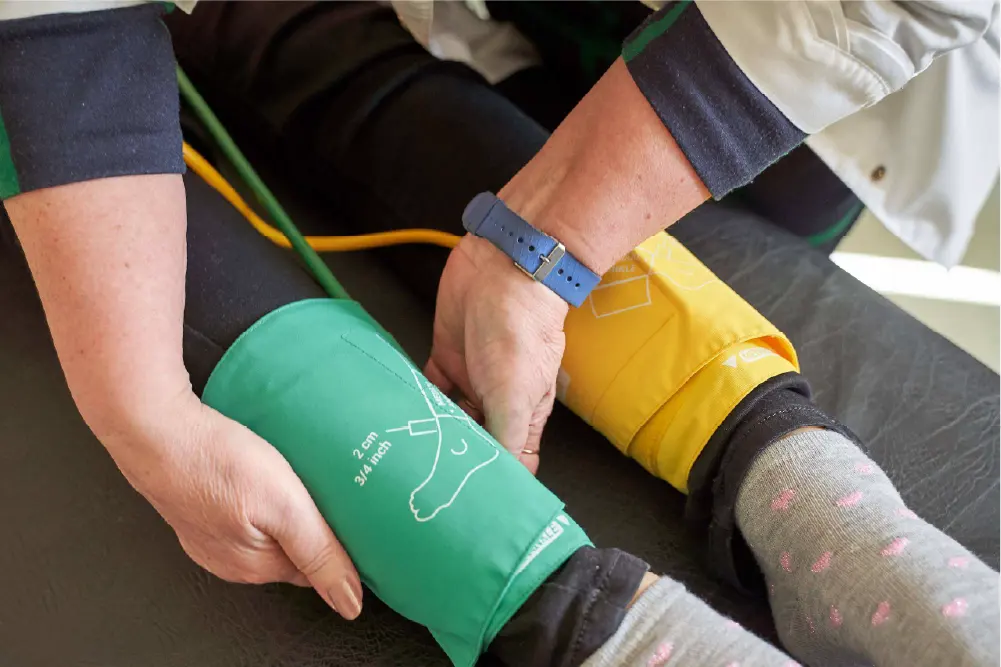
If PAD is suspected, an ankle-brachial index may be used to compare blood pressure at the ankle with blood pressure in the arm. Additional arterial imaging may be recommended based on the results.
Bloodwork or an evaluation by a primary care provider, neurologist, podiatrist, or another specialist may be needed when cramps appear related to electrolyte levels, medications, nerves, muscles, or another medical condition.
Q: How do I stop a foot cramp when it happens?
Dr. Patel:
Gently stretching the affected muscles is often the first step when an ordinary foot cramp develops. If the foot is pointed or the toes have curled downward, carefully pull the toes upward toward the shin. Keeping the knee straight may help stretch both the foot and the calf.
Other measures that may help include:
- Standing and placing weight on the foot when it is safe to do so
- Walking briefly around the room
- Gently massaging the tight muscle
- Applying warmth to help the muscle relax
- Using a cold pack afterward if the muscle remains sore
Stretching should be slow and controlled. Forcing the foot into position can worsen pain or cause an injury.
These measures are intended for a typical muscle contraction. Persistent burning, severe pain, sudden weakness, significant swelling, temperature changes, or discoloration should not be managed as an ordinary cramp without medical guidance.
Q: How can you prevent nighttime foot cramps?
Dr. Patel:
There is no single prevention method that works for every patient because nightly foot cramps can have several causes. When the cramps are related to muscle tightness, fatigue, or activity, the following habits may help:
- Stretch the feet and calves gently before bed
- Stay appropriately hydrated throughout the day
- Increase exercise gradually instead of making sudden changes
- Take movement breaks during prolonged sitting or standing
- Wear supportive shoes that fit properly
- Avoid keeping the toes pointed downward for extended periods
- Discuss possible medication effects with the prescribing provider
- Eat a balanced diet that provides appropriate vitamins and minerals
Patients should not assume that recurring cramps indicate a magnesium, potassium, or calcium deficiency. Supplements may cause side effects or interact with medications and should be discussed with a healthcare provider.
Compression stockings may help manage symptoms for some patients with venous insufficiency, but they are not a general cure for foot cramps. Compression may also be inappropriate when arterial blood flow is reduced. Patients with foot pain, coolness, discoloration, numbness, or slow-healing wounds should have their circulation evaluated before beginning compression.
Q: How are circulation problems that cause foot cramps treated?
Dr. Patel:
Treatment depends on whether the symptoms are associated with venous insufficiency, PAD, or another condition. Circulation should be evaluated before treatment is recommended.
For chronic venous insufficiency, conservative measures may include walking, leg elevation, movement breaks, and provider-approved compression. When damaged vein valves are contributing to symptoms, minimally invasive treatment may be recommended based on the affected veins and ultrasound findings.
Options may include:
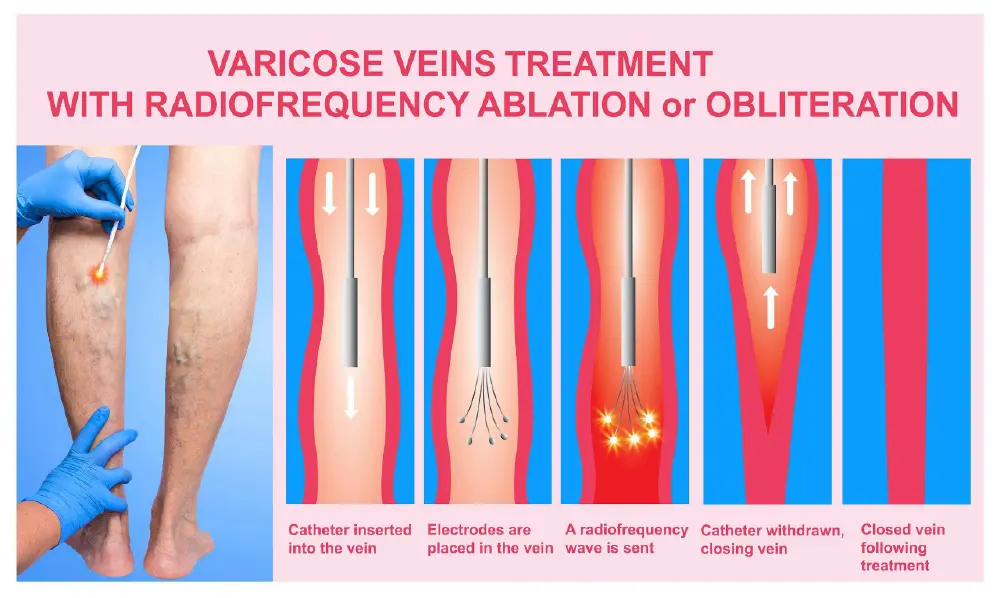
- Radiofrequency ablation: A thin catheter delivers controlled thermal energy to close an affected vein. Blood then naturally redirects through healthier veins that can move it more effectively toward the heart.
- VenaSeal™: A small amount of medical adhesive is delivered through a catheter to seal an unhealthy vein. Once the vein is closed, blood reroutes through nearby healthy veins without the use of heat.
- Varithena®: An injectable microfoam is used to close certain malfunctioning veins, including some varicose veins. The treated vein collapses, allowing blood to shift into healthier pathways.
- Ultrasound-guided sclerotherapy: Ultrasound imaging helps the physician locate an affected vein beneath the skin and guide a medical solution directly into it. The solution causes the vein to close so blood can reroute through healthier vessels.
When PAD is identified, treatment may involve lifestyle changes, medication, structured exercise, management of cardiovascular risk factors, or a minimally invasive arterial procedure. Recommendations depend on the location and severity of the blockage, the patient’s symptoms, and their broader health history.
Treating an identified circulation condition may help improve associated discomfort, but results vary. Vascular treatment will not address cramps caused by dehydration, muscle fatigue, nerve problems, medication effects, or other nonvascular conditions.
Frequently Asked Questions
There is no universal cure because foot cramps can have several different causes. Some improve with stretching, hydration, activity changes, or adjustments to contributing medications. Others require treatment of an underlying nerve, muscle, metabolic, venous, or arterial condition. Identifying the cause is the most reliable way to determine what may help.
Dehydration and fluid loss can contribute to muscle cramps, particularly after heavy sweating, illness, or strenuous activity. However, drinking more water will not correct every cause of recurring foot cramps. Patients with heart, kidney, or other medical conditions should follow individualized guidance about fluid intake.
Magnesium may be appropriate for someone with a confirmed deficiency or another specific medical indication, but it is not a universal treatment for nightly foot cramps. Supplements can cause side effects and interact with certain medications. Patients should speak with a healthcare provider before adding magnesium or another mineral supplement.
Deep vein thrombosis generally causes persistent pain or tenderness in the calf or leg rather than a brief muscle contraction limited to the foot. Sudden one-sided swelling, warmth, redness, discoloration, or ongoing tenderness should be evaluated promptly. Chest pain, difficulty breathing, fainting, or coughing up blood requires emergency care.
United Vein & Vascular Centers can evaluate whether recurring foot cramps are occurring alongside signs of venous or arterial disease. Testing may include a venous duplex ultrasound, an ankle-brachial index, or other vascular imaging based on the symptom pattern.
If a circulation problem is identified, the care team can develop an individualized plan that may include symptom-management strategies or minimally invasive treatment. Not every patient with foot cramps needs a vascular procedure, and treatment recommendations depend on the diagnosis and testing results.
Schedule an Evaluation for Nighttime Foot Cramps
An occasional cramp may result from a tired or shortened muscle. Cramps that repeatedly interrupt sleep or occur with swelling, heaviness, visible veins, pain during walking, foot coldness, discoloration, numbness, or slow-healing wounds may require a closer look.
If your foot cramps at night occur alongside signs of vein disease, request a vein screening at United Vein & Vascular Centers. Patients with persistent foot pain, temperature or color changes, or other possible signs of reduced arterial blood flow may need a vascular consultation.
For some patients, recurring nighttime foot and leg cramps were a symptom of an underlying vein condition. Read how real patients found relief after receiving the right diagnosis and treatment.
Medically reviewed by Dr. Domenic Zambuto, National Medical Director at United Vein & Vascular Centers. Board-certified in vascular and interventional radiology, Dr. Zambuto has more than 20 years of experience treating vascular disease and helping patients manage complex vein and circulatory conditions.