Contents
- Why Standing Can Increase Pressure in Leg Veins
- How Venous Reflux Causes Throbbing and Discomfort
- Other Symptoms That May Appear with Varicose Veins
- When Throbbing Veins May Signal Vein Disease
- How Vein Specialists Diagnose Venous Reflux
- Treatment Options for Symptomatic Varicose Veins
- Frequently Asked Questions
- Take the Next Step Toward Relief
Varicose veins don’t just affect how your legs look, they can also cause noticeable discomfort, especially after a long day on your feet. Many people describe a throbbing or aching sensation that becomes more intense the longer they stand or sit without moving.
This discomfort is often linked to how blood flows through the veins in your legs and can be an early sign of an underlying circulation issue. Understanding why varicose veins throb, and what it may indicate about your vein health, can help you recognize when it’s time to take the next step toward relief.
Why Standing Can Increase Pressure in Leg Veins
Standing for long periods can place added pressure on the veins in your legs. Unlike arteries, veins rely on small one-way valves and surrounding muscles to help push blood back toward the heart. When you remain upright for extended periods, gravity works against this process, making it harder for blood to circulate efficiently.
As a result, blood can begin to pool in the lower legs, increasing pressure within the veins. Over time, this added pressure can contribute to the development or worsening of varicose veins and lead to symptoms such as throbbing, aching, or heaviness.
How Venous Reflux Causes Throbbing and Discomfort
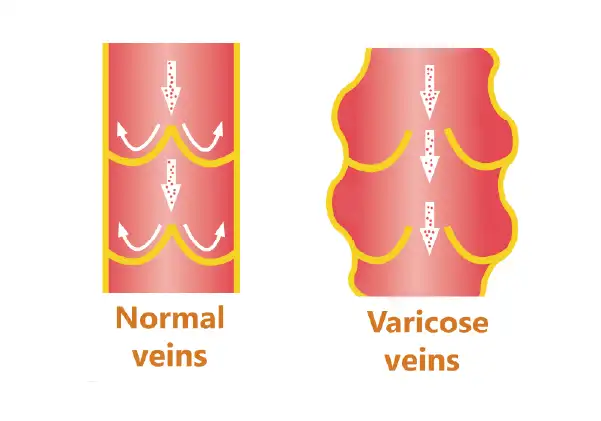
Venous reflux occurs when the valves inside the veins do not function properly, allowing blood to flow backward instead of moving upward toward the heart. This backward flow increases pressure in the affected veins and can cause them to enlarge and become more visible.
The throbbing sensation many people experience is often due to this increased pressure and inflammation within the vein. As blood continues to pool, the veins become more strained, leading to discomfort that may worsen throughout the day, especially after long periods of standing or sitting.
Other Symptoms That May Appear with Varicose Veins
In addition to throbbing, varicose veins can cause a range of symptoms that affect daily comfort and mobility. These may include:
- Leg heaviness or fatigue
- Swelling in the lower legs or ankles
- Aching or cramping, especially at night
- Itching or irritation around visible veins
- Skin discoloration or changes near the ankles
These symptoms may start gradually but can become more noticeable over time if the underlying vein condition is not addressed.
When Throbbing Veins May Signal Vein Disease
Occasional leg discomfort after a long day may not always indicate a serious issue. However, persistent or worsening symptoms such as frequent throbbing, visible varicose veins, or swelling may be signs of chronic venous insufficiency.
If symptoms interfere with your daily activities, continue to progress, or are accompanied by skin changes, it may be time to seek a professional evaluation. Early assessment can help identify underlying vein problems before they become more advanced.
How Vein Specialists Diagnose Venous Reflux
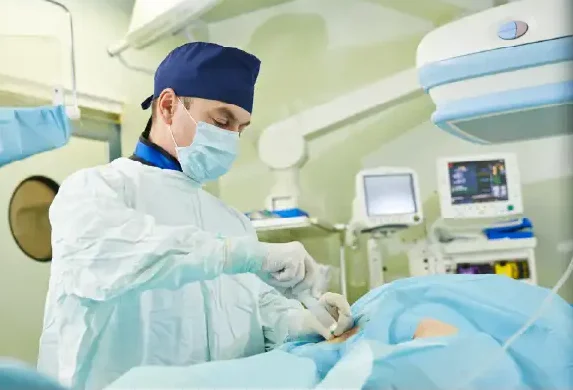
Diagnosing venous reflux typically involves a non-invasive duplex ultrasound. This imaging test allows specialists to evaluate how blood flows through your veins and identify areas where valves may not be working properly.
The ultrasound provides a detailed view of vein structure and function, helping guide treatment decisions. It also allows providers to pinpoint which veins are contributing to symptoms, ensuring a more targeted and effective approach to care.
Treatment Options for Symptomatic Varicose Veins
Treatment for varicose veins focuses on improving circulation and relieving symptoms by addressing the underlying cause. Options may include compression therapy to support blood flow and reduce swelling, as well as minimally invasive procedures designed to close damaged veins.
Common treatments include radiofrequency ablation (RFA), VenaSeal™, and other targeted therapies that redirect blood flow to healthier veins. These procedures are typically performed in an outpatient setting and are designed to minimize downtime while providing effective symptom relief.
A personalized treatment plan ensures that the most appropriate approach is selected based on your vein anatomy and symptom severity.
Frequently Asked Questions
Standing increases pressure in the leg veins due to gravity, making it harder for blood to flow upward. This can lead to pooling and increased pressure, which causes throbbing or discomfort.
It can be. Persistent throbbing, especially when combined with swelling or visible veins, may indicate venous insufficiency and should be evaluated by a specialist.
Yes, elevating your legs can help reduce pressure in the veins and improve circulation, which may temporarily relieve symptoms like throbbing and swelling.
Many people notice that symptoms such as aching, swelling, and throbbing become more noticeable as the day progresses, particularly after prolonged standing or sitting.
You should consider seeing a vein specialist if your symptoms are persistent, worsening, or affecting your daily activities, or if you notice changes in your skin or visible veins.
Take the Next Step Toward Relief
Throbbing varicose veins after standing all day are often a sign that your veins are under increased pressure and may not be functioning as they should. While symptoms may start as mild discomfort, they can progress over time if left untreated.
At United Vein & Vascular Centers, our specialists provide comprehensive vein evaluations and minimally invasive treatments designed to improve circulation and help you feel more comfortable throughout your day.
Find a clinic near you or call today to schedule your consultation.