Contents
- What Does a Weak Pulse in the Legs Mean?
- What Causes a Weak Pulse in the Legs?
- Symptoms That Often Accompany a Weak Pulse
- Why Early Diagnosis Matters
- Treatment for a Slow or Weak Pulse in the Legs
- Minimally Invasive PAD Treatments
- Put Your Health in the Hands of a Skilled Team
- Frequently Asked Questions
- Get Treatment From United Vein & Vascular Centers
Noticing a slow or weak pulse in your legs can be unsettling, especially if it comes with pain, numbness, or fatigue when walking. While it may seem like a small or isolated issue, a weak pulse in the lower extremities is often a key warning sign of peripheral artery disease, commonly referred to as PAD.
PAD is a circulatory condition that affects millions of Americans, many of whom remain undiagnosed until symptoms interfere with daily life. Understanding what a weak pulse in the legs means, what causes it, and how it can be treated is essential to protecting both your mobility and your long term health.
What Does a Weak Pulse in the Legs Mean?
A pulse is the rhythmic expansion of an artery as blood moves through it. In healthy circulation, pulses in the legs and feet are strong and regular. When blood flow becomes restricted, the pulse may feel faint, slow, or in some cases, absent altogether.
A weak pulse in the legs is most commonly associated with reduced arterial blood flow. This means oxygen rich blood from the heart is not reaching the muscles and tissues of the lower body as efficiently as it should. Over time, this lack of circulation can lead to pain, mobility issues, and serious complications if left untreated.
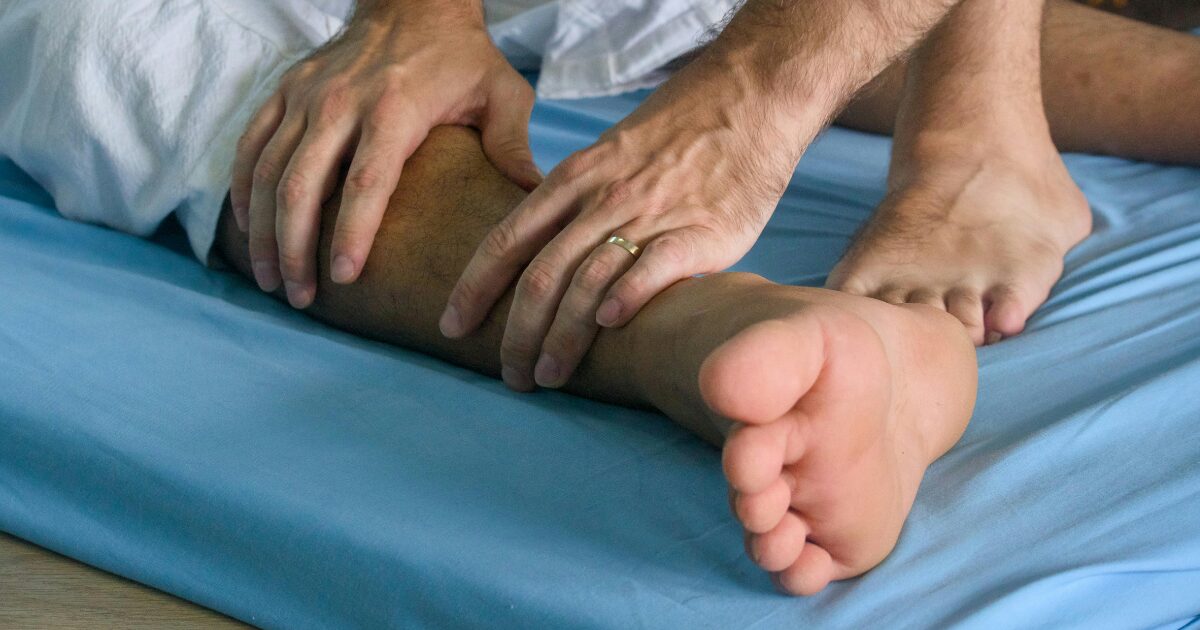
Healthcare providers often check pulses in the feet and ankles as part of a vascular exam. Changes in pulse strength can be an early indicator of underlying arterial disease, even before severe symptoms appear.
What Causes a Weak Pulse in the Legs?
The most common cause of a weak or slow pulse in the legs is peripheral artery disease. PAD develops when arteries that supply blood to the legs become narrowed or blocked.
Peripheral Artery Disease Explained
PAD is caused by atherosclerosis, a process in which plaque builds up inside the arteries. Plaque is made of cholesterol, fats, calcium, and other substances found in the blood. Over time, this buildup hardens and narrows the arteries, limiting blood flow to the legs and feet.
When blood moves more slowly through narrowed arteries, the pulse becomes weaker. In advanced cases, circulation may be so limited that a pulse is difficult or impossible to detect.
Risk Factors for PAD
Several factors increase the likelihood of developing PAD and experiencing a weak pulse in the legs, including:
- Smoking or a history of tobacco use
- Diabetes
- High blood pressure
- High cholesterol
- Obesity
- Sedentary lifestyle
- Family history of vascular disease
- Age over 50
These risk factors contribute to arterial damage and plaque formation, accelerating the progression of PAD.
Symptoms That Often Accompany a Weak Pulse
A weak pulse rarely occurs in isolation. Many people with PAD experience additional symptoms that worsen as the condition progresses.
Common PAD symptoms include:
- Leg pain or cramping during walking or exercise, known as claudication
- Leg weakness or heaviness
- Numbness or tingling in the feet or toes
- Coldness in the lower leg or foot compared to the other side
- Slow healing sores or wounds on the feet or legs
- Changes in skin color or texture
- Hair loss on the legs or feet
In severe cases, PAD can lead to critical limb ischemia, a serious condition marked by constant pain, non healing wounds, and tissue damage.
Why Early Diagnosis Matters
PAD is more than a leg condition. It is a form of cardiovascular disease and is linked to a higher risk of heart attack and stroke. A weak pulse in the legs can be an early clue that arteries throughout the body may be affected.
Early diagnosis allows for intervention before symptoms become debilitating. It also provides an opportunity to reduce cardiovascular risk through targeted treatment and lifestyle guidance.
At UVVC, advanced diagnostic testing allows many patients to receive answers and treatment recommendations during their initial visit.
Treatment for a Slow or Weak Pulse in the Legs
Treatment for a weak pulse focuses on restoring blood flow, relieving symptoms, and preventing disease progression. While lifestyle changes play an important role, many patients benefit from minimally invasive medical procedures.
Your vascular specialist will recommend a personalized treatment plan based on the severity of your PAD, overall health, and individual goals.
Minimally Invasive PAD Treatments
United Vein & Vascular Centers offers advanced, minimally invasive options designed to improve circulation with shorter recovery times.
Atherectomy
Atherectomy is a procedure that removes plaque directly from the artery. Using imaging guidance and specialized tools, your physician targets and clears the blockage, allowing blood to flow more freely.
In some cases, a laser atherectomy is used to vaporize plaque with precision. This approach can be especially effective for complex or heavily calcified blockages.
Angioplasty
Angioplasty is a nonsurgical procedure that widens narrowed arteries. A small balloon tipped catheter is inserted through a tiny incision, usually near the groin. Once positioned inside the blocked artery, the balloon is inflated to compress plaque against the artery walls.
This process improves blood flow and can significantly strengthen the pulse in the legs. In some cases, a stent may be placed to help keep the artery open.
Comprehensive Care Beyond Procedures
Treatment does not stop at the procedure itself. Ongoing care may include medication management, lifestyle counseling, and follow up monitoring to support long term vascular health.
Put Your Health in the Hands of a Skilled Team
When you choose UVVC, you benefit from:
- Streamlined services that combine diagnostic testing and treatment planning
- Individualized care tailored to your symptoms, lifestyle, and health goals
- Board certified vascular physicians with deep experience in minimally invasive care
- Compassionate teams who prioritize comfort, clarity, and trust
We understand how circulation issues can impact your daily life, from walking and working to enjoying time with family. Our goal is to help you move forward with confidence.
Frequently Asked Questions
While PAD is the most common cause, other conditions such as blood clots, severe dehydration, or certain heart conditions can also affect pulse strength. A vascular evaluation is the best way to determine the underlying cause.
Plaque buildup cannot always be fully reversed, but symptoms can often be significantly improved. Minimally invasive treatments and risk factor management can restore circulation, reduce pain, and slow disease progression.
You should seek evaluation if you notice persistent leg pain with walking, numbness, non healing wounds, or a noticeably weak or absent pulse in your legs or feet. Early care leads to better outcomes.
Find a Vein & Vascular Specialist Near You
With 45+ locations nationwide, expert vein and vascular care is closer than you think. Find your nearest United Vein & Vascular Center and start your journey toward improved circulation and mobility.
Get Treatment From United Vein & Vascular Centers
A slow or weak pulse in your legs is your body’s way of signaling that circulation needs attention. Ignoring the signs can allow PAD to progress, but taking action can protect your mobility and overall health.
United Vein & Vascular Centers is here to help you take the next step toward stronger circulation and fewer PAD symptoms. Our experienced team combines advanced technology with compassionate care to deliver results you can feel.
If you are experiencing symptoms or have concerns about your leg circulation, schedule a consultation with UVVC today and put your vascular health in expert hands.