Contents
- What Does Blood Pooling in the Legs Mean?
- Common Symptoms of Blood Pooling
- What Causes Blood Pooling and Poor Circulation in the Legs?
- Is Blood Pooling Dangerous?
- How Is Blood Pooling in the Legs Treated?
- When Should You See a Vein Specialist?
- Frequently Asked Questions
- Don’t Ignore Ongoing Leg Heaviness or Swelling
If your legs feel heavy, swollen, or tight at the end of the day, you may be experiencing blood pooling or poor circulation in the legs. Many people describe this sensation as pressure, fullness, or aching that becomes more noticeable after long periods of standing or sitting. Symptoms may improve temporarily with rest or leg elevation, only to return the next day as circulation challenges persist.
Blood pooling often points to an underlying issue with vein circulation, such as weakened vein valves that allow blood to flow backward instead of returning efficiently to the heart. Over time, this increased pressure in the veins can lead to ongoing discomfort, visible vein changes, swelling, and skin irritation. Understanding why blood pooling occurs and recognizing early symptoms can help you determine when it’s time to seek a professional vein evaluation and address the problem before it progresses.
What Does Blood Pooling in the Legs Mean?
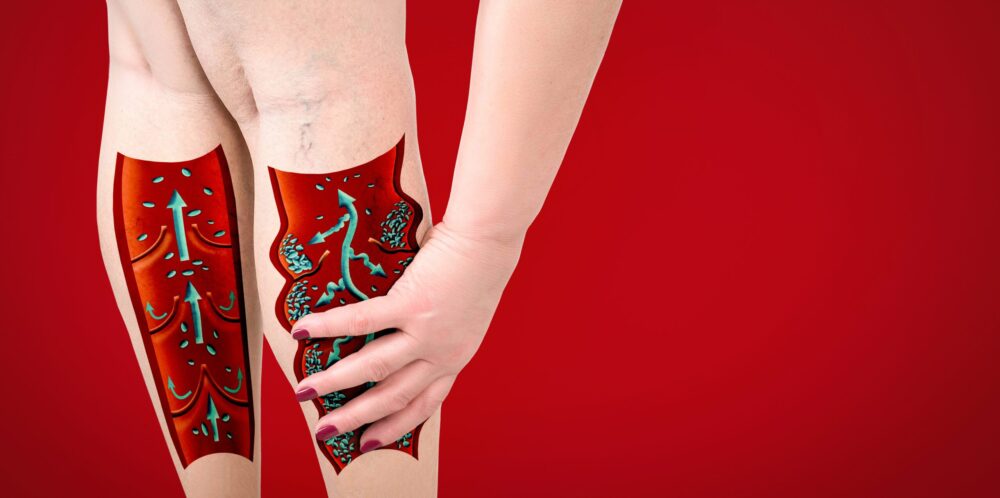
Blood pooling occurs when veins in the legs struggle to move blood efficiently back toward the heart. In healthy veins, one-way valves open and close to keep blood flowing upward against gravity. When these valves weaken or fail, blood can leak backward and collect in the lower legs instead of circulating properly.
Over time, this increased pressure inside the veins can stretch the vein walls and contribute to ongoing symptoms such as heaviness, swelling, and discomfort. Blood pooling is commonly associated with conditions like chronic venous insufficiency and varicose veins, which tend to progress without proper evaluation and care.
Common Symptoms of Blood Pooling
Blood pooling in the legs can cause a range of symptoms that may start mild and gradually worsen.
You might notice:
- Leg heaviness or aching, especially later in the day
- Swelling in the lower legs, ankles, or feet
- A feeling of tightness or fullness in the calves
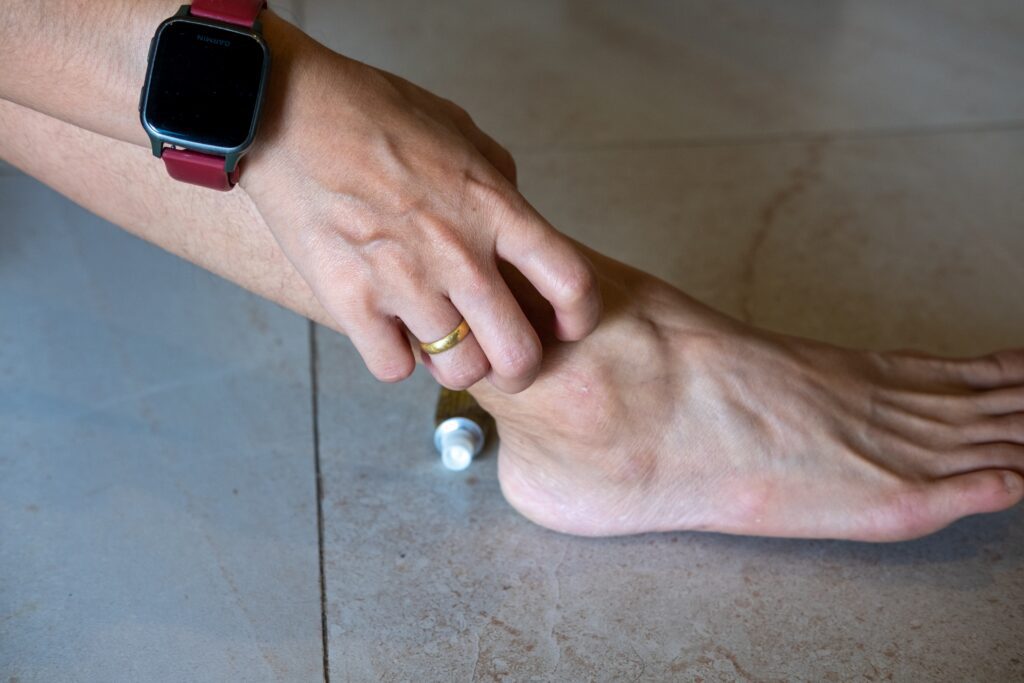
- Itching or burning sensations on the lower legs
- Skin that looks shiny, discolored, or thickened near the ankles
- Visible varicose veins that appear bulging or twisted
Symptoms may temporarily improve with leg elevation or rest, but they often return after long periods of standing or sitting. If these sensations are becoming more frequent, persistent, or uncomfortable, it may be a sign that an underlying circulation issue should be evaluated by a medical professional.
What Causes Blood Pooling and Poor Circulation in the Legs?
Several factors can contribute to blood pooling and vein valve problems:
Weak or Damaged Vein Valves
When valves do not close properly, blood can flow backward and collect in the legs.
Long Periods of Sitting or Standing
Remaining in one position for extended periods makes it harder for leg muscles to help push blood upward.
Age
Vein walls and valves naturally weaken over time.
Pregnancy
Increased blood volume and pressure from the growing uterus can affect vein function.
Excess Weight
Additional pressure on leg veins can worsen circulation problems.
These factors can increase your risk of developing chronic venous insufficiency, a condition where blood consistently struggles to return to the heart.
Is Blood Pooling Dangerous?
Blood pooling itself is a sign of a circulation problem that should not be ignored. Over time, increased pressure in the veins can lead to complications such as:
- Worsening varicose veins
- Persistent swelling
- Skin discoloration and thickening
- Slow healing wounds or ulcers near the ankles
Addressing circulation problems early allows for more effective symptom relief and can help reduce the risk of long-term skin changes or other complications.
How Is Blood Pooling in the Legs Treated?
Treatment focuses on improving blood flow by addressing the underlying vein issue causing symptoms. A vein specialist typically uses ultrasound imaging to evaluate circulation, assess vein valve function, and identify any damaged veins contributing to blood pooling.
Depending on your condition, treatment options may include:
- Compression therapy to support circulation
- Minimally invasive procedures to close diseased veins
- Lifestyle changes such as regular walking and leg elevation
Treating the source of the problem can help reduce pressure in the veins and relieve symptoms.
When Should You See a Vein Specialist?
You should consider a vein evaluation if you have:
- Ongoing leg swelling
- Leg heaviness or aching that worsens during the day
- Skin changes around the ankles
- Visible varicose veins along with discomfort
A professional evaluation can help determine whether you have chronic venous insufficiency or another vein condition.
Frequently Asked Questions
Blood pooling happens when vein valves weaken and allow blood to flow backward and collect in the lower legs instead of returning efficiently to the heart.
Blood pooling is often related to varicose veins and chronic venous insufficiency, but a medical evaluation can determine the exact underlying cause.
Yes. Elevating your legs can temporarily reduce swelling and pressure by helping blood flow back toward the heart, though it does not fix the underlying vein issue.
Yes. Long-term pooling can cause skin changes, ulcers near the ankles, and worsening vein disease if not properly treated.
Vein specialists typically use ultrasound imaging to assess blood flow, evaluate vein valve function, and identify any damaged or refluxing veins.
Yes. Most cases related to vein disease can be treated with minimally invasive, outpatient procedures that do not require hospital stays or lengthy recovery times.
Don’t Ignore Ongoing Leg Heaviness or Swelling
Blood pooling in the legs isn’t simply a normal part of aging, it often signals that the veins aren’t moving blood as effectively as they should. When left unaddressed, conditions such as chronic venous insufficiency and varicose veins can lead to persistent discomfort, swelling, and long-term skin changes.
The good news is that today’s vein care offers effective, minimally invasive options to improve circulation and help relieve symptoms. If your legs frequently feel heavy, swollen, tight, or achy by the end of the day, these may be signs of an underlying vein circulation problem.
Find a United Vein & Vascular Centers clinic near you to schedule an evaluation and take the first step toward healthier, more comfortable legs.
Medically reviewed by UVVC National Medical Director, Dr. Domenic Zambuto