Peripheral Artery Disease (PAD): Symptoms, Causes, and Treatment
Peripheral Artery Disease or PAD is a condition where fatty plaque builds up in the arteries. This plaque can harden and reduce the blood flow to the head, organs, and limbs of the body.
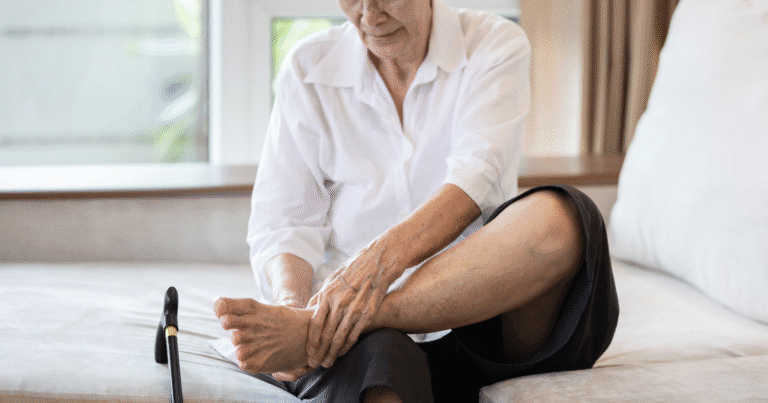
PAD can occur in any blood vessels within the body, but it typically affects the feet, ankles, and legs. When the blood flow is reduced, patients may experience uncomfortable symptoms such as leg pain, cold feet, and pain while resting.
Common Symptoms of PAD
- Pain in legs while resting
- Cold legs or feet
- Reduced pulse in ankle or foot
- Slow or non-healing wounds on legs, feet, or toes
- Pain the leg muscles when walking, also known as Claudication
Request a Consultation
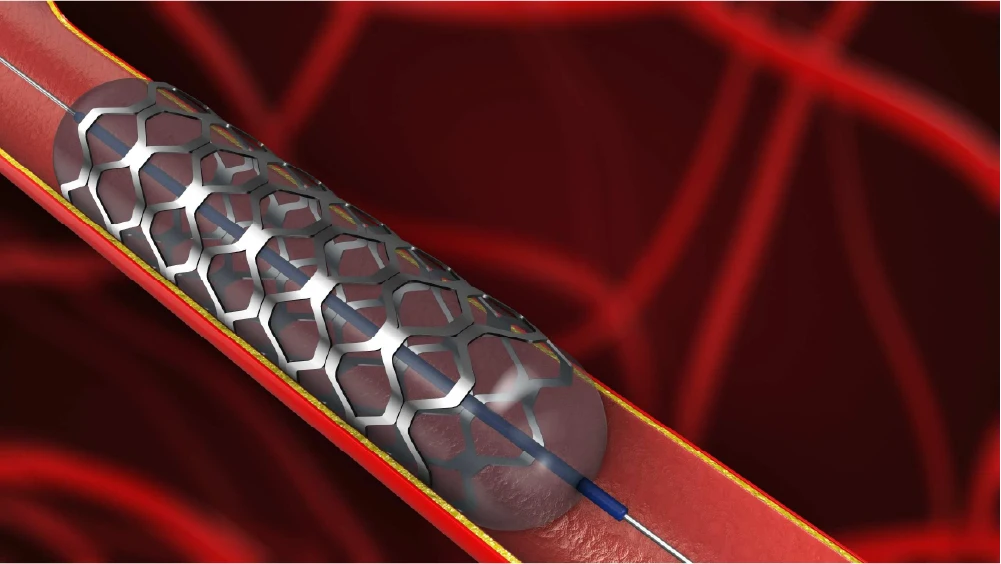
Minimally Invasive PAD Treatment Options
UVVC specializes in cutting-edge vascular care that focuses on minimally invasive procedures. These modern treatments effectively address PAD while limiting recovery time and reducing potential risks associated with traditional open surgery. The goal is to improve circulation and relieve symptoms while prioritizing safety and comfort.
Endovascular Procedures Used to Treat PAD
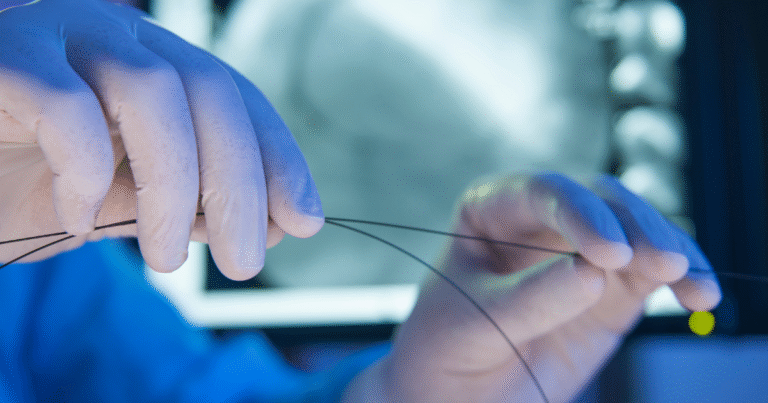
Endovascular treatments are among the most advanced methods for restoring blood flow in narrowed or blocked arteries. Because these procedures work from inside the artery, they avoid the surgical trauma associated with large incisions.
Angioplasty
Angioplasty is one of the most common treatments for PAD. During this procedure a balloon is placed inside the narrowed artery using a thin catheter. Once in position, the balloon is inflated to widen the artery. This creates more space for blood to flow. Specialists use real-time imaging to ensure precise placement and effective results.
Stenting
A stent is often placed during or after an angioplasty. A stent is a small mesh-like tube that keeps the artery open after the balloon is removed. Stents help maintain healthy blood flow and reduce the risk of the artery narrowing again.
Atherectomy
Atherectomy involves removing plaque directly from the artery. A small device is inserted through a catheter to shave, cut, or collect the hardened buildup. This technique is especially helpful for patients with calcified or complex plaque that may not respond well to angioplasty alone.
All three procedures are typically performed under local anesthesia. Most patients return home the same day and can resume light activities shortly after treatment.
Laser Atherectomy and Advanced Plaque Removal
Laser atherectomy is one of the most precise treatment options available for Peripheral Artery Disease. This method uses laser energy to vaporize plaque inside the artery. Because the laser works with pinpoint accuracy, it removes buildup without harming the surrounding tissue.
Laser atherectomy supports quicker healing and improved outcomes. It is particularly beneficial for arteries that are heavily narrowed or blocked. As laser technology continues to evolve, this technique remains an important tool for PAD patients.
Minimally invasive treatment is ideal for patients who want effective results without lengthy downtime. These procedures require only small entry points in the skin. This approach lowers the risk of complications, eliminates the need for general anesthesia in most cases, and helps patients return home the same day.
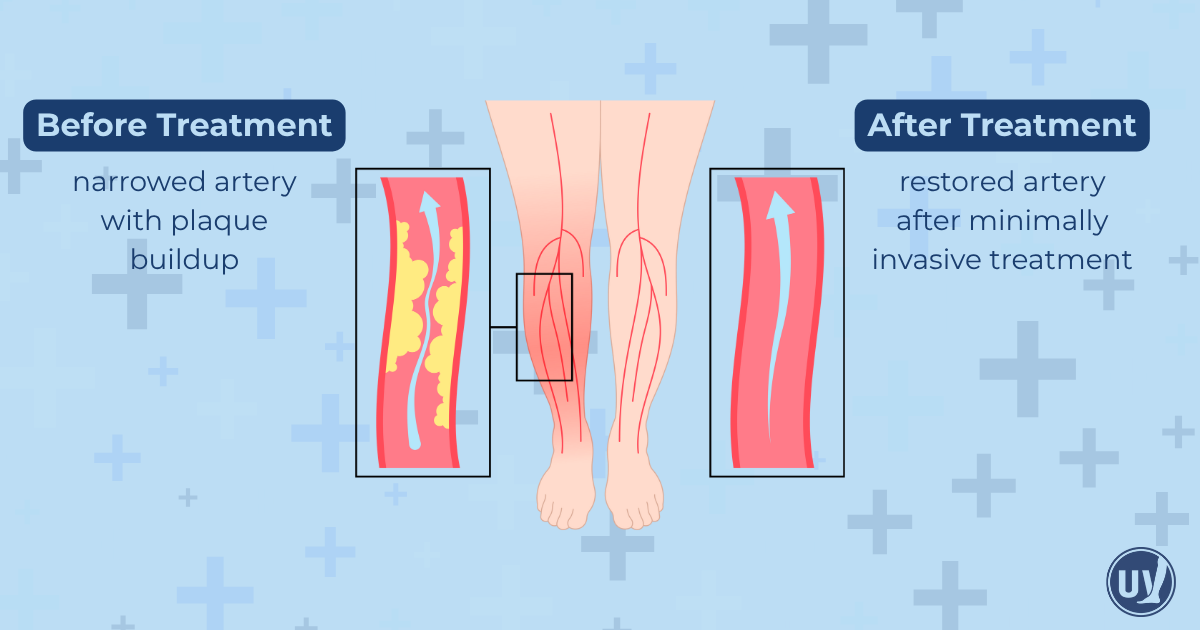
Benefits of Minimally Invasive PAD Treatment
Minimally invasive PAD procedures offer numerous advantages over traditional open surgery. These benefits include:
- Less discomfort during and after treatment
- Shorter recovery times
- Same-day discharge for most patients
- Reduced risk of infection
- Faster return to normal daily activities
For many individuals, minimally invasive care provides a sense of control and relief. Patients appreciate returning to their routines sooner, often with noticeable improvements in comfort and mobility.
Frequently Asked Questions
Most patients with PAD qualify for minimally invasive procedures. If you have leg pain when walking, numbness, slow-healing wounds, or reduced circulation, a UVVC specialist can evaluate your arteries and determine which treatment is right for you.
Recovery is typically quick and comfortable. Most patients return home the same day and resume light activity within 24 to 48 hours. Because these procedures use small entry points instead of large incisions, there is usually less discomfort, fewer complications, and minimal downtime compared to open surgery.
PAD can progress over time, but the right combination of treatment and ongoing care helps manage symptoms long-term. UVVC provides personalized follow-up visits, lifestyle guidance, and ongoing monitoring to help protect your arteries and support healthy blood flow.
Related Articles