Peripheral Artery Disease (PAD): Symptoms, Causes, and Treatment
La arteriopatía periférica o arteriopatía periférica es una enfermedad en la que se acumula placa grasa en las arterias. Esta placa puede endurecerse y reducir el flujo sanguíneo a la cabeza, los órganos y las extremidades del cuerpo.
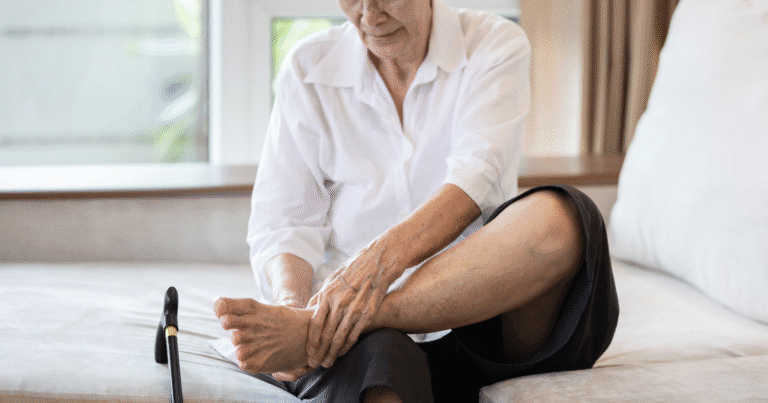
La arteriopatía periférica puede producirse en cualquier vaso sanguíneo del organismo, pero suele afectar a los pies, los tobillos y las piernas. Cuando se reduce el flujo sanguíneo, los pacientes pueden experimentar síntomas molestos como dolor en las piernas, pies fríos y dolor en reposo.
Common Symptoms of PAD
- Leg pain or cramping while walking or exercising (claudication)
- Leg or foot pain while resting, especially in more advanced cases
- Coldness in one leg or foot compared with the other
- Weak or reduced pulse in the ankle or foot
- Slow-healing or non-healing sores on the legs, feet, or toes
- Entumecimiento o debilidad en las piernas
- Changes in skin color or appearance on the legs or feet
Experiencing symptoms of PAD? Request a consultation to learn what may be causing your symptoms and explore your treatment options.
Solicitar una consulta
Stages of PAD
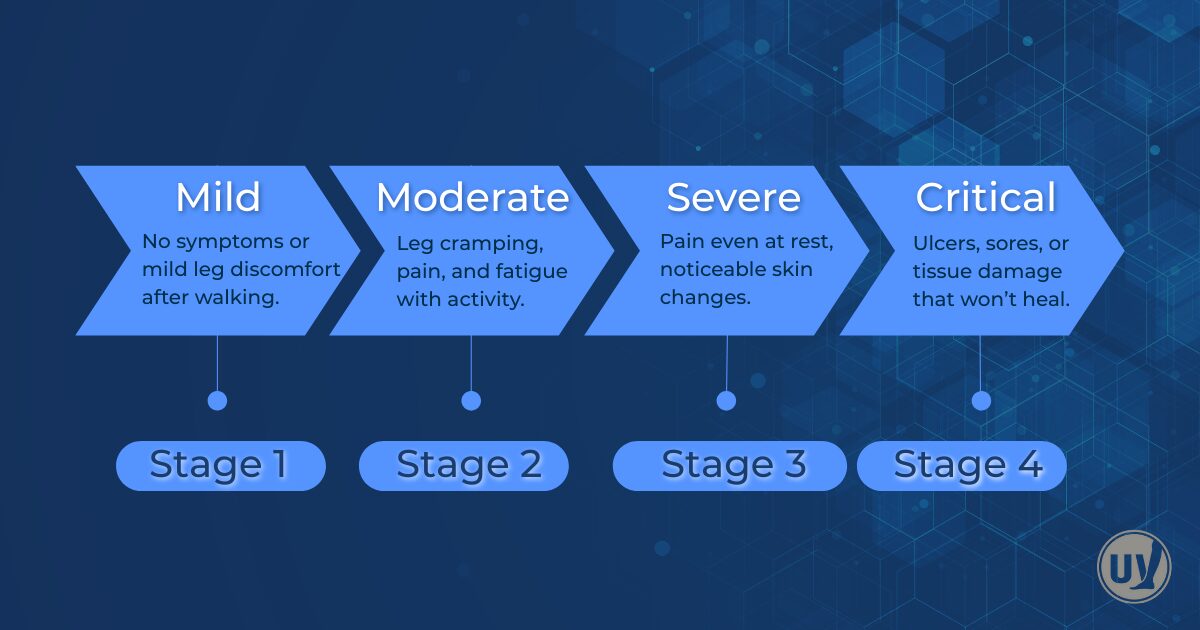
PAD can progress over time as blood flow to the legs and feet becomes increasingly restricted. Recognizing symptoms and seeking care early can help prevent the condition from progressing and reduce the risk of serious complications.
Stage 1 (Mild) – Possible symptoms include mild leg discomfort after walking
Stage 2 (Moderate) – Leg cramping, pain, and fatigue with activity
Stage 3 (Severe) – Pain even while at rest, possible skin discoloration
Stage 4 (Critical) – Ulcers, sore, and tissue damage that won’t heal
If leg pain is limiting your daily activities or you’re noticing symptoms that could indicate advanced PAD, schedule a consultation with a vascular specialist.
How PAD Symptoms Differ Between Gender
Symptoms in Men
Men are generally more likely to develop PAD than women, and they often experience the classic symptom of claudication, which is leg pain or cramping triggered by physical activity. This clear pattern usually prompts men to seek medical evaluation sooner, leading to earlier diagnosis and treatment.
Men may also experience erectile dysfunction as a result of reduced blood flow, which can serve as an early indicator of broader vascular issues. Lifestyle factors such as higher rates of smoking, physical inactivity, and certain dietary habits may contribute to the higher prevalence of PAD in men. Recognizing these risk factors can help men adopt preventive measures, such as quitting smoking and engaging in regular exercise.
Symptoms in Women
Women with PAD often present less specific and more diffuse symptoms, which can delay diagnosis. Common complaints among women include:
- Fatigue or heaviness in the legs
- Atypical leg or foot pain
- Rest pain that occurs even without physical activity
These subtle symptoms can be mistaken for other conditions, such as arthritis or neuropathy, and may lead to delayed medical care. Societal and psychological factors may also influence how women perceive and report their symptoms, sometimes causing them to prioritize other responsibilities over personal health.
Hormonal differences play a significant role in PAD development. Estrogen, which is more prevalent in premenopausal women, has a protective effect on blood vessels. This hormone helps maintain flexibility in artery walls and slows atherosclerotic buildup. However, after menopause, women lose this protective effect, increasing the likelihood of PAD onset and progression. Postmenopausal women need to be especially vigilant about cardiovascular health and consider regular screenings to catch PAD early.
Minimally Invasive PAD Treatment Options
Angioplastia
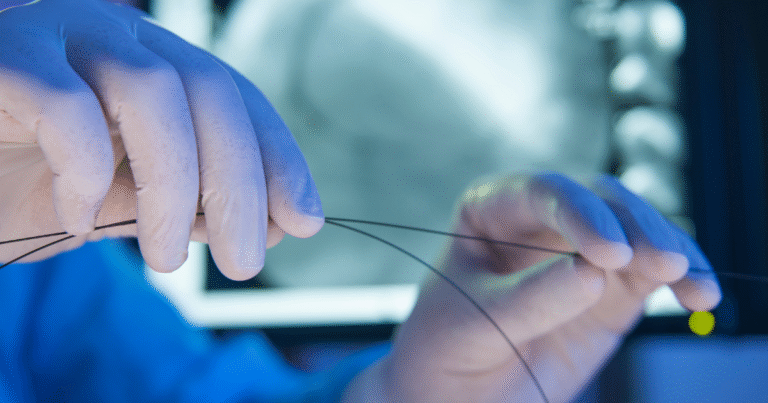
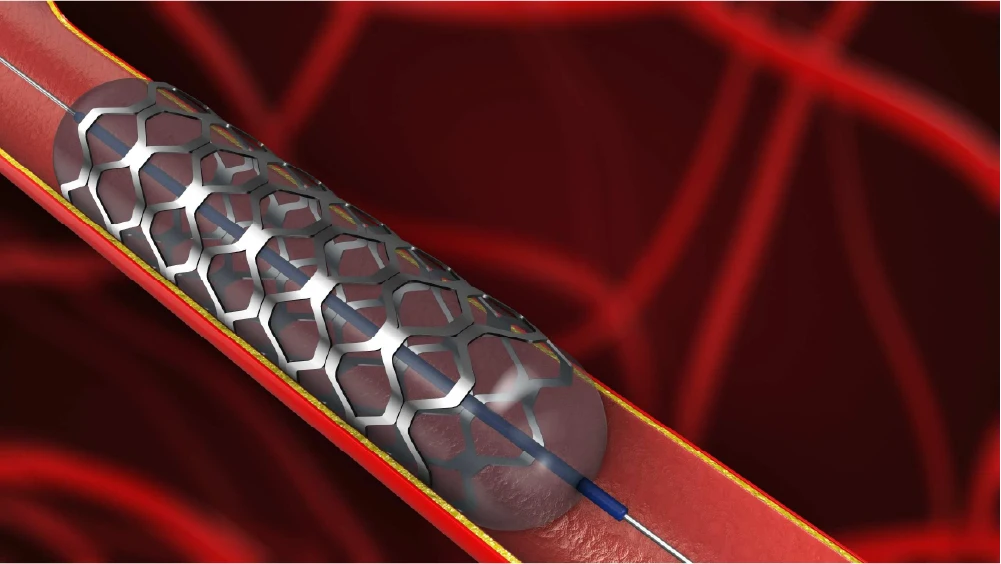
Angioplasty is one of the most common treatments for PAD. During this procedure a balloon is placed inside the narrowed artery using a thin catheter. Once in position, the balloon is inflated to widen the artery. This creates more space for blood to flow. Specialists use real-time imaging to ensure precise placement and effective results.
Stents en las piernas
Stents are small wire mesh tubes that provide support to arteries after angioplasty. The use of stents in the legs provides long-term support for artery walls and helps prevent re-narrowing. Patients often experience relief from pain and improved leg function following stent placement.
Aterectomía
Atherectomy involves removing plaque directly from the artery. A small device is inserted through a catheter to shave, cut, or collect the hardened buildup. This technique is especially helpful for patients with calcified or complex plaque that may not respond well to angioplasty alone.
These procedures require only small entry points in the skin, lowering the risk of complications and eliminating the need for general anesthesia in most cases.
Benefits of Minimally Invasive PAD Treatment
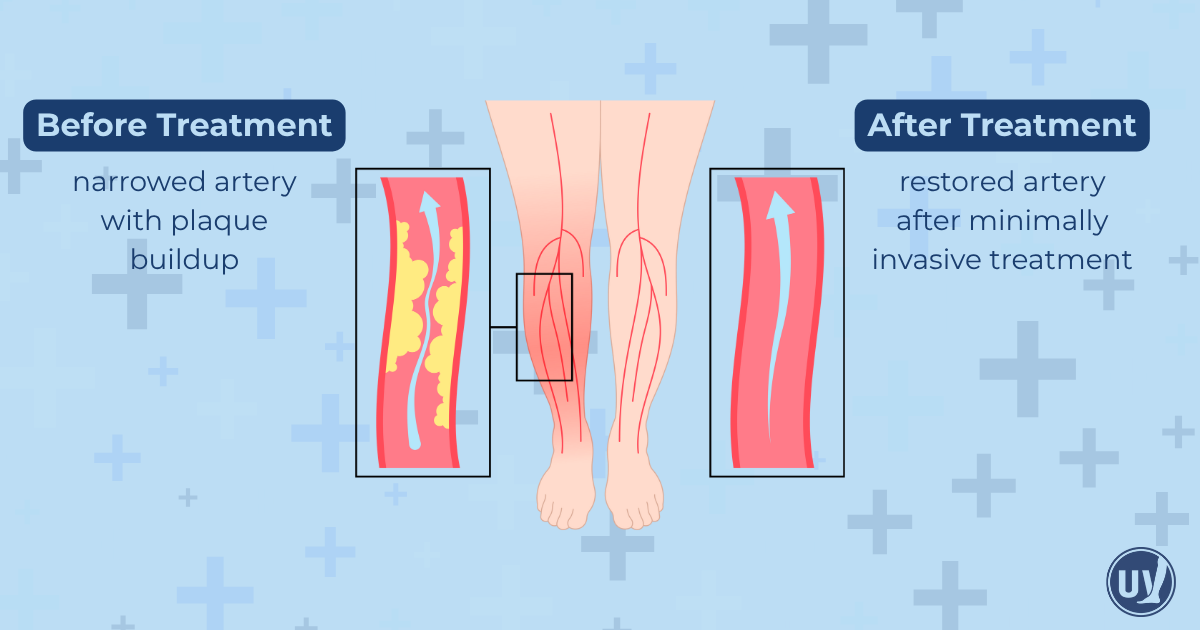
Minimally invasive PAD procedures offer numerous advantages over traditional open surgery. These benefits include:
- Less discomfort during and after treatment
- Shorter recovery times
- Same-day discharge for most patients
- Reduced risk of infection
- Faster return to normal daily activities
For many individuals, minimally invasive care provides a sense of control and relief. Patients appreciate returning to their routines sooner, often with noticeable improvements in comfort and mobility.
Preguntas frecuentes
Most patients with PAD qualify for minimally invasive procedures. If you have leg pain when walking, numbness, slow-healing wounds, or reduced circulation, a UVVC specialist can evaluate your arteries and determine which treatment is right for you.
Recovery is typically quick and comfortable. Most patients return home the same day and resume light activity within 24 to 48 hours. Because these procedures use small entry points instead of large incisions, there is usually less discomfort, fewer complications, and minimal downtime compared to open surgery.
PAD can progress over time, but the right combination of treatment and ongoing care helps manage symptoms long-term. UVVC provides personalized follow-up visits, lifestyle guidance, and ongoing monitoring to help protect your arteries and support healthy blood flow.
Many woman often overlook or do not have the subtle, early signs and symptoms of peripheral artery disease, such as leg cramps, weakness, and heaviness. Additionally, women tend to have smaller veins and arteries, making it more difficult for a pulse check in the ankle to accurately detect poor blood flow, highlighting the importance of seeking care from a board-certified vascular doctor.
Artículos relacionados