
Varicose veins are often associated with visible bulging in the legs, but when they appear in the feet and ankles, they can cause unexpected pain and discomfort. Many people ignore foot and ankle discomfort, thinking it is just fatigue from standing or walking. In reality, persistent aching, swelling, or throbbing in your lower extremities may be linked to underlying vein issues.
Understanding how varicose veins affect your feet and ankles is crucial for protecting your mobility, reducing discomfort, and preventing long-term complications.
How Varicose Veins Develop in the Feet and Ankles
Varicose veins form when the valves in your veins fail to work properly, allowing blood to pool instead of flowing efficiently back to the heart. While commonly seen in the calves, this pooling can also occur in the feet and ankles, where veins are under more pressure due to gravity.
Symptoms to Watch For
Varicose veins in the feet and ankles can present in subtle or obvious ways. Common symptoms include:
- Swelling or heaviness: A feeling of fullness in the feet or ankles, especially after standing or sitting.
- Aching or throbbing: Persistent discomfort that worsens toward the end of the day.
- Itching or tingling: Irritation caused by vein inflammation.
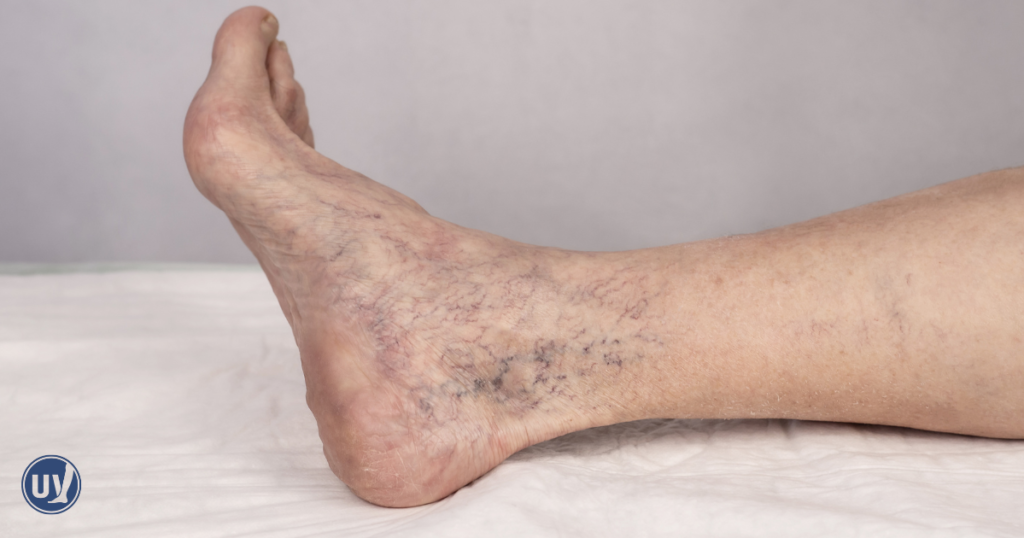
- Visible bulging veins: Raised or twisted veins that are noticeable under the skin.
- Restless legs: Nighttime discomfort that interrupts sleep and can make it difficult to relax.
- Skin changes: Discoloration, dryness, or thickened skin around the ankles or feet.
Even if the veins are not visibly bulging, persistent foot pain or swelling can indicate early vein problems that should be evaluated.
The Daily Impact of Varicose Veins in Feet and Ankles
Varicose veins in the lower extremities do more than look unsightly. They can significantly impact daily comfort and mobility:
- Difficulty walking or standing for long periods due to swelling or heaviness
- Pain while wearing shoes or performing physical activity
- Sleep disruption caused by nighttime discomfort or restless legs
- Anxiety about worsening symptoms or appearance of the legs
These challenges can affect work, exercise, and even simple daily tasks, making early recognition and management important.
Preventive Strategies for Foot and Ankle Vein Health
While varicose veins cannot always be completely prevented, there are proactive steps you can take to reduce strain on your veins, slow the progression of vein issues, and improve overall foot and ankle comfort. Adopting a combination of daily habits, lifestyle adjustments, and environmental awareness can make a significant difference.
- Move frequently throughout the day: Avoid staying in one position for long periods. Set reminders to stand, stretch, or take a short walk every hour. Even simple ankle rotations or calf raises while seated can help pump blood back toward the heart and reduce pooling in the feet and ankles.
- Elevate your legs regularly: When resting at home, prop your feet on a pillow or footstool so they are above the level of your heart. Elevating your legs for 10 to 15 minutes multiple times a day can relieve swelling, reduce discomfort, and support vein health.
- Choose supportive footwear: Shoes that provide proper arch support and cushioning reduce pressure on the veins in your feet and ankles. Avoid high heels for extended periods, as they can increase strain on your lower legs and interfere with circulation.
- Maintain a healthy weight: Extra body weight places added pressure on veins, contributing to pooling and swelling in the lower extremities. A balanced diet combined with regular physical activity can help manage weight and reduce the risk of worsening varicose veins.
- Incorporate low-impact exercises: Activities like swimming, cycling, yoga, and walking strengthen the muscles in your legs without placing excessive pressure on veins. These exercises enhance circulation, support vein valve function, and can also improve overall cardiovascular health.
- Stay hydrated and eat a vein-friendly diet: Adequate water intake keeps blood flowing smoothly, while a diet rich in antioxidants, fiber, and vitamins C and K can help maintain vein elasticity and reduce inflammation. Foods such as berries, leafy greens, citrus fruits, and nuts are particularly beneficial.
- Mind your posture and work environment: If your job requires prolonged sitting or standing, consider ergonomic adjustments. Use a footrest, stand on cushioned mats, or alternate between sitting and standing to prevent blood from pooling in your lower extremities.
- Wear compression garments when recommended: Compression socks or sleeves, as advised by a vein specialist, can provide gentle pressure to the lower legs, supporting blood flow and reducing swelling during daily activities or long periods of travel.
- Avoid extreme heat exposure: Hot baths, saunas, and prolonged sun exposure can cause veins to dilate, potentially worsening varicose vein symptoms. Cooling showers and keeping feet elevated after heat exposure can help prevent discomfort.
- Incorporate relaxation techniques: Stress can affect circulation and vascular health. Gentle stretching, meditation, and deep-breathing exercises can improve overall blood flow and support vein function.
By combining these strategies, you not only reduce daily discomfort from varicose veins but also help maintain the long-term health of your veins and prevent complications. Creating a consistent routine that addresses movement, posture, nutrition, and hydration can significantly improve the comfort and appearance of your feet and ankles.
When to Seek Medical Attention
Persistent foot or ankle pain from varicose veins should not be ignored. Consult a vein specialist if you notice:
- Ongoing swelling, throbbing, or itching
- Visible bulging or twisted veins
- Skin changes such as discoloration, dryness, or irritation
- Nighttime leg discomfort or restless legs
- Recurrent wounds, infections, or signs of cellulitis
Early evaluation can help prevent long-term complications and improve your daily comfort and mobility.
Frequently Asked Questions
Can varicose veins in my feet and ankles cause serious health problems?
Yes, while varicose veins are often seen as a cosmetic concern, untreated vein issues can lead to swelling, skin changes, ulcers, infections, and discomfort that interferes with daily activities. Early evaluation by a vein specialist can help prevent complications.
Absolutely. Regular movement, leg elevation, wearing supportive footwear, maintaining a healthy weight, staying hydrated, and doing low-impact exercises like walking or swimming can all reduce discomfort and support vein health.
Foot and ankle pain from varicose veins often improves with walking or leg elevation, while arterial-related pain usually worsens with activity and improves with rest. Visible bulging veins, swelling, itching, or restless legs can also indicate vein issues. A vein specialist can provide a proper diagnosis and recommend appropriate management.
Specialized Care for Varicose Veins in Feet and Ankles
Varicose veins in the feet and ankles can interfere with daily life, but expert evaluation and guidance can help manage symptoms and protect your mobility. United Vein & Vascular Centers provides access to vein specialists across the U.S. who can assess your condition, offer advice, and help you take steps toward healthier legs.
If your feet or ankles are painful, swollen, or showing signs of varicose veins, find a UVVC clinic near you today. Our specialists can help you understand your symptoms and create a plan to improve your comfort, mobility, and overall vein health.