Zawartość
- Lymphedema in the Legs: At a Glance
- What Is Lymphedema?
- Co powoduje obrzęk limfatyczny nóg?
- Why Does Leg Swelling Often Start in Your Veins?
- How Is Lymphedema Diagnosed?
- What Are Signs and Symptoms of Lymphedema in Legs?
- What Are the Four Stages of Lymphedema?
- Stages of Lymphedema Chart
- What Treatment Options Are Available for Lymphedema?
- How to Treat Lymphedema at Home
- When Should You See a Specialist for Leg Swelling?
- Lymphedema and Leg Swelling Care at United Vein & Vascular Centers
- Często zadawane pytania
- Find Out What’s Behind Your Leg Swelling
Lymphedema in the legs occurs when the lymphatic system cannot properly drain excess fluid, causing swelling in the feet, ankles, or legs. What may begin as occasional swelling or heaviness can become more persistent, sometimes affecting mobility, skin health, and daily activities.
Understanding lymphedema symptoms, causes, and stages can help you recognize changes in your legs and explore appropriate treatment options. Because lymphedema can also develop alongside vein disease, identifying the underlying cause of swelling is an important step toward finding the right care.
Lymphedema in the Legs: At a Glance
- Lymphedema develops when lymphatic fluid builds up in surrounding tissues, causing swelling and potentially long-term skin changes.
- There are four stages of lymphedema, numbered 0 through 3, ranging from impaired lymphatic function without visible swelling to advanced tissue changes.
- Chronic venous insufficiency (CVI) can contribute to lymphatic dysfunction, resulting in a condition called phlebolymphedema.
- Lymphedema treatment focuses on managing swelling and preventing complications through compression, specialized therapies, exercise, and other interventions.
- Persistent leg swelling deserves medical evaluation to determine whether symptoms are related to vein disease, lymphatic dysfunction, or another condition.
What Is Lymphedema?
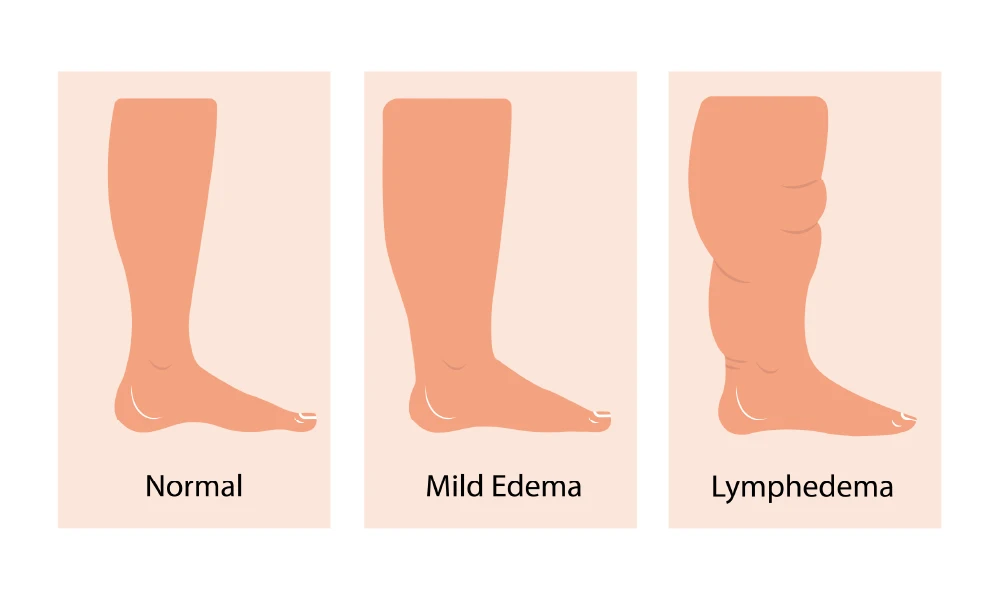
Lymphedema is a chronic condition that develops when the lymphatic system cannot transport fluid efficiently, allowing it to accumulate in surrounding tissues. Although lymphedema can affect different parts of the body, it commonly develops in the arms or legs. In the lower extremities, fluid buildup may cause swelling, heaviness, discomfort, and changes in skin texture.
How Does the Lymphatic System Work?
The lymphatic system is a network of vessels, lymph nodes, and organs that maintain fluid balance and support immune function.
Throughout the day, it collects excess fluid from surrounding tissues, filters it through lymph nodes, and returns it to the bloodstream. When lymphatic vessels become damaged, blocked, or overwhelmed, fluid can accumulate and cause swelling.
Primary vs. Secondary Lymphedema: What’s the Difference?
Lymphedema is classified into two types based on how it develops.
- Primary lymphedema: Results from abnormalities in the development or function of the lymphatic system. It may be inherited or occur without a known family history, with symptoms appearing at birth or later in life.
- Secondary lymphedema: Develops when the lymphatic system becomes damaged or its ability to transport fluid is reduced. Causes include surgery, cancer treatment, infection, obesity, and chronic vein disease.
How Does Lymphedema Affect the Legs?
Lymphedema can cause swelling in the feet, ankles, calves, or entire leg. Initially, you may notice tighter shoes, swollen ankles, or heaviness after prolonged activity.
As fluid accumulates, swelling may become harder to reduce with rest or elevation. In advanced cases, the skin can become thicker or firmer, making walking, bending the ankle, or wearing regular footwear more difficult.
Co powoduje obrzęk limfatyczny nóg?
Lymphedema develops when the lymphatic system cannot adequately remove fluid from surrounding tissues. Several medical conditions and risk factors can disrupt this process.
Chronic Venous Insufficiency and Phlebolymphedema
Chronic venous insufficiency (CVI) occurs when vein valves weaken, allowing blood to flow backward and collect in the legs. Increased venous pressure pushes additional fluid into surrounding tissues, forcing the lymphatic system to work harder.
Over time, prolonged fluid overload may impair lymphatic drainage. When chronic vein disease and lymphatic dysfunction occur together, the condition is called phlebolymphedema.
Cancer Treatment, Lymph Node Removal, and Radiation
Cancer treatments involving lymph node removal or radiation can damage lymphatic vessels and interfere with fluid drainage.
Lower-body lymphedema may develop after treatment for certain pelvic or abdominal cancers, sometimes months or years later. Understanding recommendations for preventing post-surgery lymphedema may help patients recognize potential complications.
Infection and Cellulitis
Infections can damage lymphatic vessels and contribute to fluid accumulation. Cellulitis, a bacterial skin infection, can both worsen existing lymphedema and develop as a complication of persistent swelling.
Symptoms such as redness, warmth, tenderness, and fever require prompt medical attention.
Obesity and Limited Mobility
Excess body weight can increase demands on the lymphatic and venous systems, while limited mobility can reduce the muscle activity that helps move fluid through the legs.
Severe obesity may contribute directly to lymphatic dysfunction, potentially worsening existing swelling.
Genetic and Congenital Causes (Primary Lymphedema)
Primary lymphedema develops when lymphatic vessels or nodes do not form or function normally. Some cases are inherited, while others have no identifiable genetic cause.
Symptoms may appear during childhood, adolescence, or adulthood.

Why Does Leg Swelling Often Start in Your Veins?
Leg swelling can develop when veins struggle to return blood toward the heart. Because the venous and lymphatic systems work together to maintain fluid balance, problems in the veins can place additional strain on lymphatic drainage.
However, not all leg swelling begins in the veins. Other possible causes include lymphatic disorders, blood clots, medications, and certain heart or kidney conditions.
How Does Vein Disease Overload the Lymphatic System?
Healthy leg veins contain small valves that keep blood moving toward the heart. When these valves weaken, blood can collect in the lower legs, increasing pressure inside the veins.
This pressure pushes additional fluid into surrounding tissues. Over time, the lymphatic system may become overwhelmed, potentially contributing to phlebolymphedema.
This explains why venous insufficiency can cause more than visible veins, including swelling, heaviness, discomfort, and skin changes.
Why Treating Vein Disease Can Help with Lymphedema Symptoms
When chronic venous insufficiency contributes to swelling, treating affected veins may reduce venous pressure and the amount of fluid entering surrounding tissues.
For patients with phlebolymphedema, addressing venous reflux may help manage swelling. However, vein treatment does not necessarily reverse established lymphatic damage, and ongoing lymphedema therapy may still be necessary.
How Is Lymphedema Diagnosed?
Lymphedema is diagnosed through medical history, physical examination, and specialized testing when necessary. Because several conditions cause similar symptoms, identifying or excluding other causes of swelling is an important part of the evaluation.
Physical Exam and Medical History
A healthcare provider may evaluate:
- The location and severity of swelling.
- Skin thickness, texture, and discoloration.
- Whether swelling improves with elevation.
- Pitting edema, which leaves a temporary indentation when pressure is applied.
- Previous surgeries, cancer treatment, infections, and medical conditions.
Specialized lymphatic imaging may be recommended when the diagnosis remains uncertain.
Rule Out Vein Disease with Duplex Ultrasound
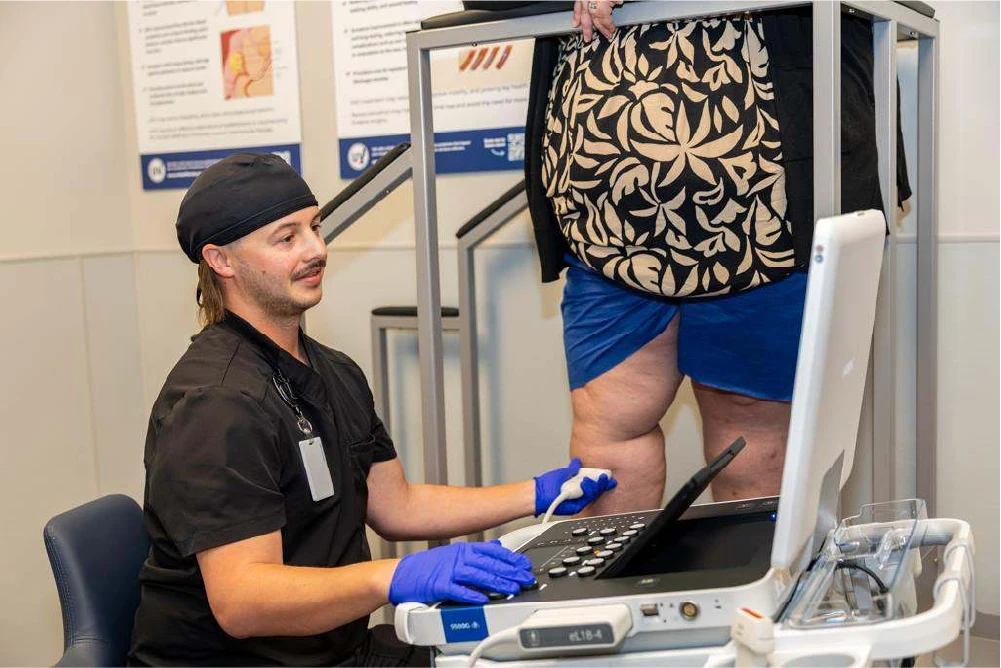
A duplex ultrasound uses sound waves to examine vein structure and blood flow.
This noninvasive test can identify venous reflux, blood clots, and certain venous abnormalities contributing to swelling. Although it does not directly diagnose lymphedema, it helps determine whether vein disease is involved.
What Are Signs and Symptoms of Lymphedema in Legs?
Lymphedema symptoms vary depending on the extent of fluid buildup and whether long-term tissue changes have developed.
Early Signs of Lymphedema
Early symptoms may be mild or intermittent, including:
- Swelling in the feet, ankles, or lower legs.
- Heaviness, fullness, or tightness.
- Shoes or socks fitting more tightly.
- Mild stiffness or discomfort.
- Swelling that improves with elevation.
- Temporary skin indentations after applying pressure.
Because these symptoms overlap with other causes of leg swelling, evaluation can help determine their source.
Later Signs of Lymphedema in the Legs
As lymphedema progresses, symptoms may include:
- Persistent swelling or significant leg enlargement.
- Thickened, firm, or hardened skin.
- Reduced ankle or knee flexibility.
- Difficulty walking or wearing footwear.
- Deepened skin folds.
- Recurrent skin infections.
Long-term fluid buildup can also cause fibrosis, making affected tissues thicker and less flexible.
Lymphedema vs. Lipedema vs. Venous Edema: What’s the Difference?
These conditions can cause similar changes in leg appearance but involve different underlying problems.
| Condition | Primary Cause | Common Characteristics |
| Obrzęk limfatyczny | Impaired lymphatic drainage | Swelling that may involve the feet and toes, heaviness, and progressive tissue changes |
| Lipedema | Abnormal fatty tissue accumulation | Typically symmetrical leg enlargement, tenderness, easy bruising, and relative sparing of the feet |
| Venous edema | Increased venous pressure | Swelling around the ankles and lower legs, often worsening with prolonged standing |
What Are the Four Stages of Lymphedema?
The four lymphedema stages describe the progression from impaired lymphatic function without visible swelling to advanced tissue changes.
The International Society of Lymphology classifies the condition into stages 0 through 3.
Stages of Lymphedema Chart
| Stage | Name | Key Characteristics | Management/Treatment |
| Stage 0 | Latent or Subclinical | Lymphatic function is impaired, but visible swelling is absent. Subtle heaviness or tightness may occur. | Monitoring, education, and individualized preventive measures. |
| Stage 1 | Mild or Reversible | Soft swelling that often improves with elevation. Pitting edema may be present. | Compression, movement, elevation, and lymphatic therapy. |
| Stage 2 | Moderate or Persistent | Swelling no longer consistently improves with elevation. Skin and underlying tissues may become firmer. | Consistent compression, complete decongestive therapy, and long-term management. |
| Stage 3 | Severe (Lymphostatic Elephantiasis) | Significant swelling, skin thickening, deepened folds, and extensive tissue changes. | Intensive management, specialized compression, infection prevention, and selected surgical options. |
Not everyone progresses through every stage. Appropriate treatment and consistent management may help control symptoms and reduce complications.
What Treatment Options Are Available for Lymphedema?
Lymphedema treatment focuses on reducing swelling, supporting lymphatic drainage, maintaining mobility, and preventing complications. The recommended approach depends on the underlying cause, stage, and individual needs.
Complete Decongestive Therapy (CDT)
Complete decongestive therapy (CDT) combines compression, exercise, skin care, and specialized lymphatic techniques.
Treatment typically begins with an intensive phase to reduce swelling, followed by long-term maintenance to preserve improvements. CDT is generally provided by professionals trained in lymphedema management.
Manual Lymphatic Drainage (MLD)
Manual lymphatic drainage (MLD) is a gentle, specialized massage technique that encourages lymphatic fluid movement through functioning drainage pathways.
It may be combined with compression and exercise but is not appropriate for every patient, particularly when certain untreated infections or medical conditions are present.
Compression Garments and Pneumatic Compression Pumps
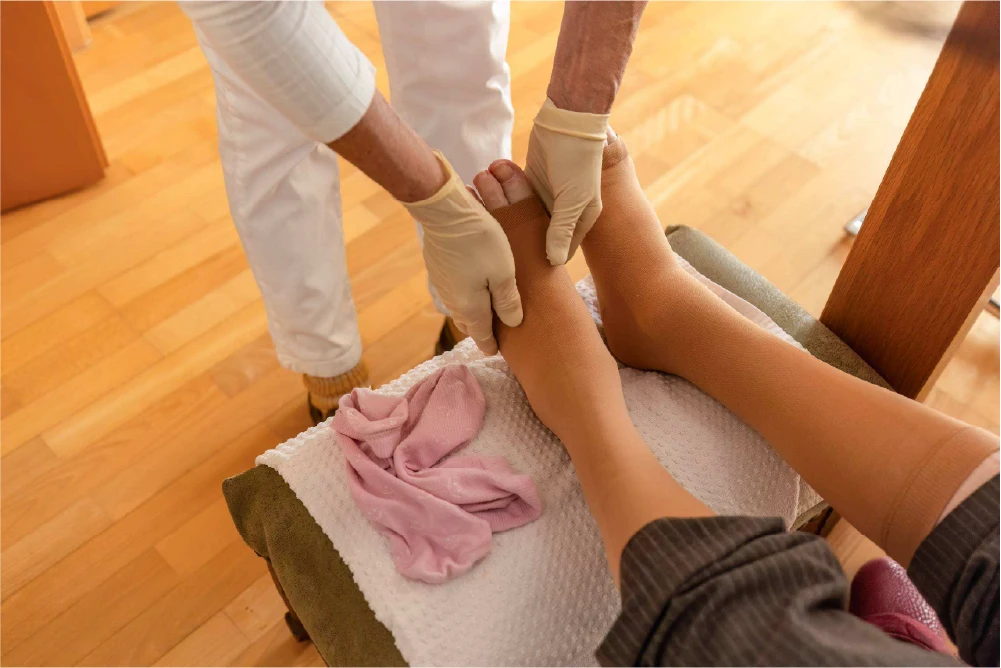
Compression therapy applies controlled pressure to help manage fluid accumulation.
Opcje obejmują:
- Compression garments: Stockings or sleeves designed to apply appropriate pressure.
- Lymphedema wraps: Adjustable or multilayer compression systems.
- Pneumatic compression pumps: Devices that use inflatable sleeves to apply intermittent pressure and encourage fluid movement.
A lymphedema pump for legs may be recommended for selected patients. Compression should be appropriately fitted, particularly for individuals with arterial circulation problems.
Treat Underlying Vein Disease
When chronic venous insufficiency contributes to swelling, minimally invasive vein procedures may help address the underlying venous problem.
Depending on ultrasound findings and individual needs, treatment options may include radiofrequency ablation (RFA), VenaSeal™, Varithena®, or ultrasound-guided sclerotherapy.
These procedures treat affected veins rather than directly repairing the lymphatic system. Patients with both conditions may require coordinated care.
Surgical Options for Advanced Lymphedema
Certain patients with advanced lymphedema may benefit from specialized surgery, including:
- Lymphaticovenous bypass: Creates additional drainage pathways by connecting lymphatic vessels to small veins.
- Vascularized lymph node transfer: Moves healthy lymph-node-containing tissue to an affected area.
- Liposuction or tissue-reduction procedures: May address significant tissue changes caused by long-standing lymphedema.
These procedures require specialized evaluation, and ongoing management is often necessary afterward.
How to Treat Lymphedema at Home
Daily habits can complement professional lymphedema treatment by supporting fluid movement, skin health, and mobility.
Daily Movement and Exercise
Walking, swimming, gentle stretching, and ankle exercises encourage muscle contractions that help move blood and lymphatic fluid.
Activity should be adjusted to individual mobility and symptoms, with compression used according to your healthcare provider’s instructions.
Skin Care and Infection Prevention
Persistent swelling can increase the risk of skin irritation and infection.
Protect your skin by:
- Washing and drying your legs and feet regularly.
- Moisturizing to prevent cracks and dryness.
- Checking for cuts, blisters, or redness.
- Wearing properly fitted, protective footwear.
- Seeking medical attention for possible infection.
Elevation and Healthy Weight Management
Leg elevation may temporarily reduce swelling, particularly in earlier stages or when venous disease contributes to symptoms.
Maintaining a healthy weight may also reduce strain on the venous and lymphatic systems. However, these measures do not replace appropriate medical treatment.
When Should You See a Specialist for Leg Swelling?
Seek medical evaluation when swelling persists, repeatedly returns, affects mobility, or develops alongside skin changes or discomfort.
Because leg swelling has several possible causes, appropriate evaluation helps determine whether venous, lymphatic, or other medical care is necessary.
Red Flags That Need Immediate Care
Seek prompt medical attention for:
- New or rapidly worsening swelling, particularly in one leg.
- Swelling accompanied by pain, warmth, or redness.
- Spreading redness, fever, chills, or skin tenderness.
- New wounds or significant skin changes.
Call 911 for sudden shortness of breath, chest pain, coughing up blood, or fainting, as these symptoms may indicate a pulmonary embolism or another emergency.
What to Expect at Your Vein Clinic Visit
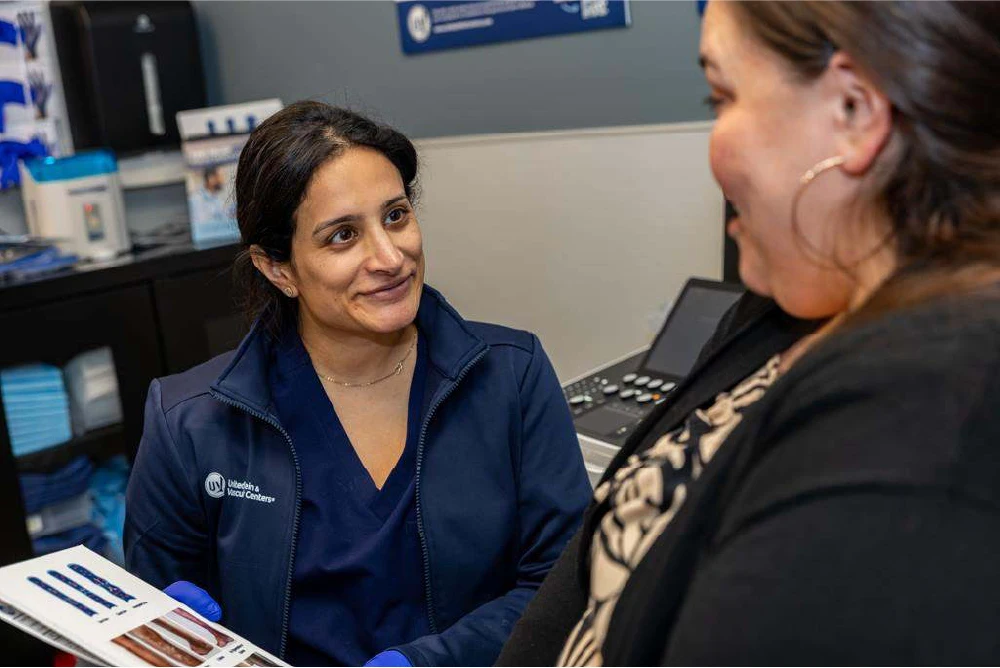
At United Vein & Vascular Centers, a specialist may review your medical history, symptoms, and risk factors to determine whether vein disease could be contributing to swelling.
Duplex ultrasound may be recommended to assess venous blood flow. If a vein condition is identified, your physician can discuss appropriate treatment options. Patients with suspected lymphatic disorders may require evaluation by another specialist.
Lymphedema and Leg Swelling Care at United Vein & Vascular Centers
Persistent leg swelling may be caused by chronic venous insufficiency, lymphedema, or both conditions together.
At United Vein & Vascular Centers, our specialists evaluate symptoms associated with venous disease and use ultrasound imaging when appropriate to identify abnormal vein function.
When underlying vein disease is present, minimally invasive treatment may help address its contribution to swelling and discomfort. Patients with lymphatic dysfunction may also need specialized lymphedema management.
Identifying the source of your symptoms is the first step toward determining the most appropriate care.
Często zadawane pytania
Lymphedema is generally a chronic condition, and established lymphatic damage may not be reversible. However, treatment can reduce swelling, improve comfort, and help prevent complications. Outcomes depend on the cause, stage, and response to treatment. Many patients require ongoing management to maintain improvements.
Lymphedema develops when the lymphatic system cannot adequately remove fluid from surrounding tissues. Causes include inherited abnormalities, cancer treatment, lymph node removal, infections, and chronic venous disease. When prolonged venous pressure overwhelms lymphatic drainage, a condition called phlebolymphedema may develop.
Can walking every day help with lymphedema in the legs?
Walking activates the leg muscles, helping move blood and lymphatic fluid. Regular movement may support swelling management, mobility, and circulation. However, walking does not replace compression therapy or specialized lymphedema treatment. Your healthcare provider can recommend an appropriate exercise routine.
Chronic vein disease can contribute to secondary lymphatic dysfunction. When weakened vein valves allow blood to collect in the legs, increased pressure pushes additional fluid into surrounding tissues. Over time, this may overwhelm lymphatic drainage and contribute to phlebolymphedema.
Find Out What’s Behind Your Leg Swelling
Persistent leg swelling should not automatically be dismissed as a normal part of aging. Whether symptoms are caused by vein disease, lymphedema, or another condition, understanding the underlying problem can help guide your next steps.
At United Vein & Vascular Centers, our specialists can evaluate whether venous disease may be contributing to your swelling. If treatment is appropriate, minimally invasive vein procedures may help improve circulation and reduce vein-related symptoms.
Many medically necessary vein treatments are covered by insurance, including Medicare, although individual coverage and eligibility vary.
Request a free vein screening to take the next step toward understanding your leg swelling.