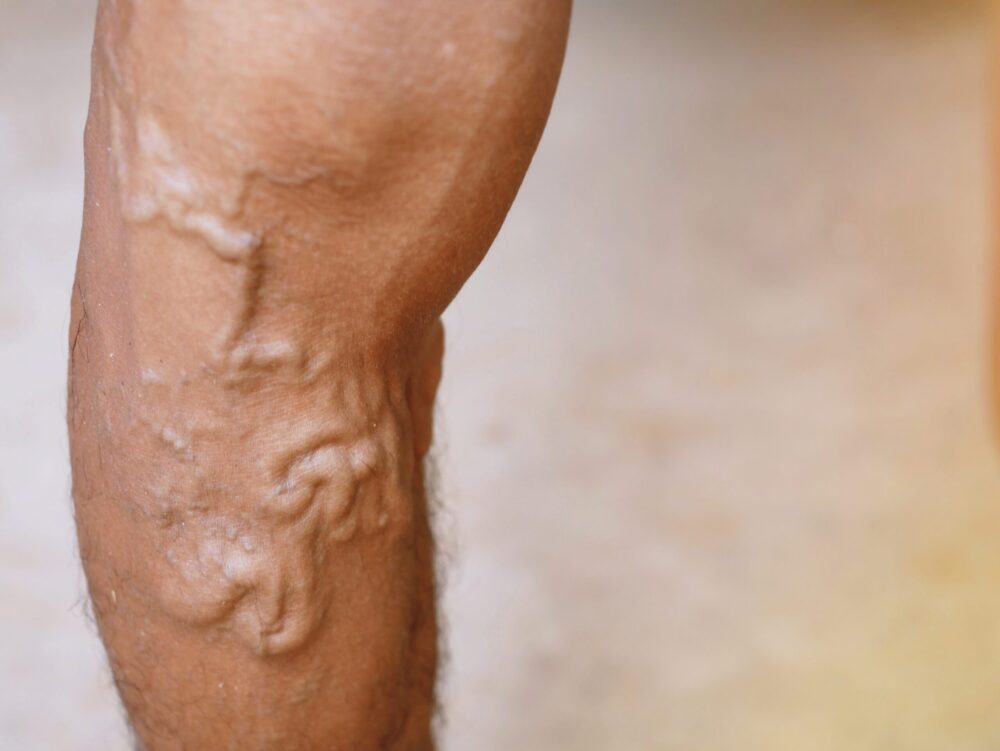
Varicose vein care has changed dramatically over the past decade, and in 2026, vein treatment options are safer, faster, and more effective than ever before. Surgical vein stripping is largely a thing of the past, replaced by minimally invasive procedures that treat the root cause of vein disease with little downtime.
If you’re living with aching, heaviness, swelling, or visible varicose veins, understanding today’s most effective treatment options can help you make informed decisions about your care.
Varicose Vein Treatment Has Evolved
Varicose veins develop when valves inside the veins weaken, allowing blood to flow backward and pool in the legs. This condition, known as chronic venous insufficiency (CVI), is progressive and typically worsens without treatment.
Modern treatments focus on:
- Closing diseased veins rather than removing them surgically
- Redirecting blood flow to healthier veins
- Minimizing trauma to surrounding tissue
- Allowing faster recovery and earlier return to normal activity
As a result, today’s treatments offer better outcomes with fewer complications.
How Vein Specialists Determine the Best Treatment
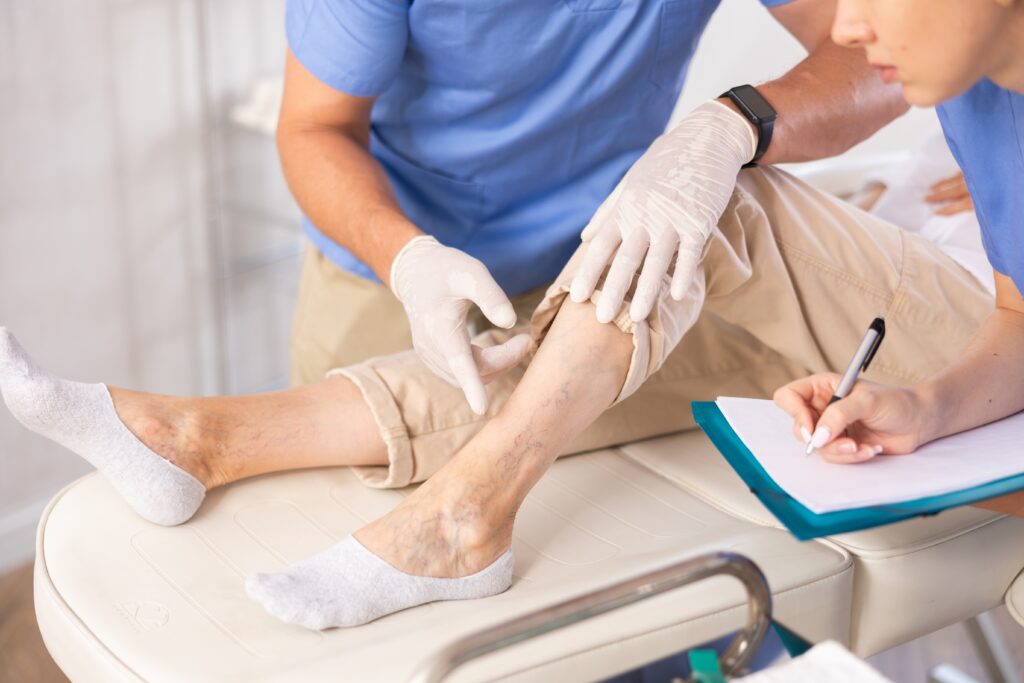
Before recommending any procedure, a vein specialist performs a detailed evaluation that includes:
- Medical history review
- Symptom assessment
- Physical exam
- Diagnostic ultrasound to assess blood flow
Treatment choice is based on several individualized factors, including the size and location of the affected veins, the severity of venous reflux, and how many veins are involved. Your specialist will also consider your specific symptoms and needs to determine the most appropriate vein treatment approach for long-term relief and recovery.
Many patients benefit from a combination of treatments, rather than a single approach.
Below are the most commonly used and effective modern treatments, each with unique benefits.
VenaSeal™
This vein treatment uses a medical adhesive to close diseased veins without heat or tumescent anesthesia.
Why Patients Choose VenaSeal™
- No heat = less inflammation
- No multiple numbing injections
- Minimal post-procedure discomfort
- Compression stockings often not required
- Many patients resume normal activity immediately
This treatment option is especially appealing for patients with busy schedules or upcoming travel.
Radiofrequency Ablation (RFA)
This vein ablation treatment uses controlled heat to close the diseased vein, redirecting blood flow to healthier pathways.
Benefits of RFA
- Long track record of success
- Excellent symptom relief
- Minimally invasive, in-office procedure
- High closure rates
- Predictable recovery timeline
Vein Ablation Recovery Time
Most patients return to daily activities within 24–48 hours, with walking encouraged immediately after treatment.
Phlebectomy
Phlebectomy, also known as micro-phlebectomy, is used to physically remove large, bulging varicose veins through tiny incisions. It is often performed alongside ablation procedures to address surface veins that won’t collapse on their own.
Why Phlebectomies Are Effective
- Immediate removal of visible veins
- Small incisions with minimal scarring
- Performed under local anesthesia
- Improves both symptoms and appearance
VenaSeal™ Vs Ablation: How They Compare
Both VenaSeal™ and Radiofrequency Ablation are effective, but they differ in technique and recovery experience.
VenaSeal™
- Non-thermal
- Less post-procedure inflammation
- Compression often optional
- Faster return to routine activity
RFA
- Thermal
- Long history of use
- Requires compression afterward
- Slightly longer recovery for some patients
Your specialist will recommend the option best suited to your anatomy and symptoms.
Frequently Asked Questions
Most patients describe modern vein treatments as very manageable. Procedures are performed with local anesthesia, and discomfort is typically mild and temporary.
Common sensations may include:
– Pressure
– Tightness
– Mild tenderness
These usually resolve within days.
Once a vein is properly closed or removed, it does not reopen. However, vein disease is a chronic condition, meaning new veins can become affected over time if underlying risk factors persist.
Ongoing care, lifestyle adjustments, and follow-up help reduce recurrence.
The varicose vein treatment with the fastest recovery time is VenaSeal. Most patients are able to walk and resume normal activities immediately after this procedure, with little to no downtime.
While there is no one single treatment that is considered the safest, minimally invasive vein treatments, such as RFA, VenaSeal, and phlebectomy all have very good safety records when used in appropriate patients by board-certified vein specialists.
Medically reviewed by UVVC National Medical Director, Dr. Domenic Zambuto