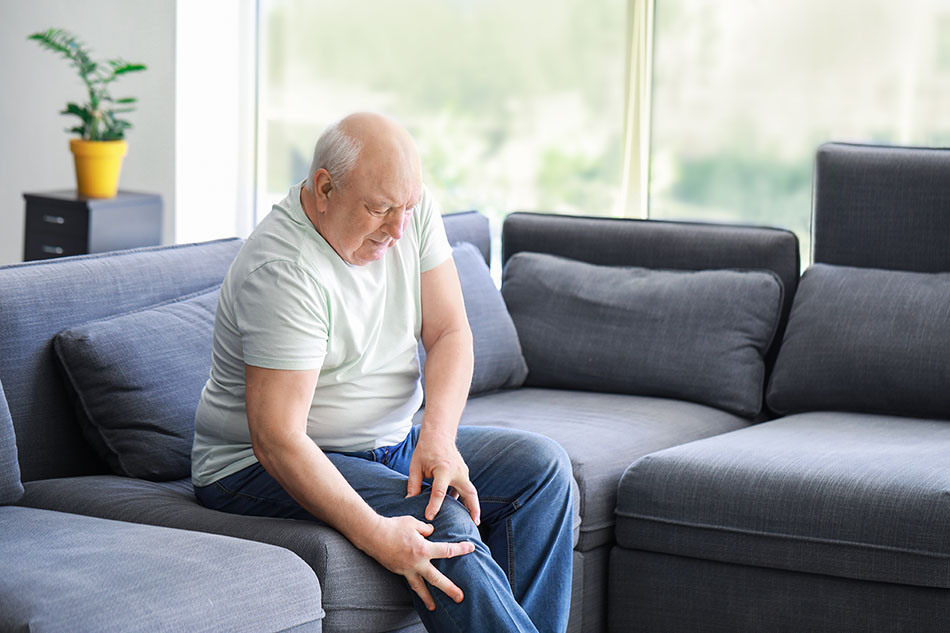
Many of us spend hours sitting at desks, commuting, or binge-watching our favorite shows. While convenient, this sedentary lifestyle can take a serious toll on your vascular system, particularly the veins in your legs.
Veins are responsible for returning blood from the lower body back to the heart. When they are not actively supported by movement, circulation can become sluggish, leading to symptoms such as swelling, heaviness, and even the development of varicose veins. Over time, these problems can worsen, affecting your mobility, comfort, and overall quality of life.
At United Vein & Vascular Centers, our vein specialists help patients identify the risks associated with prolonged inactivity and provide practical strategies and medical treatments to restore healthy circulation and vein function.
Understanding the Impact of a Sedentary Lifestyle on Veins
A sedentary lifestyle is defined by prolonged periods of inactivity or minimal physical movement. Sitting for long hours, avoiding exercise, or limiting daily movement can have significant consequences for your circulatory system.
Your leg veins rely on a combination of healthy valves and muscle contractions to push blood upward toward the heart. When muscles remain inactive, the natural “pump” that helps circulation slows down. As a result, blood can pool in your lower extremities, increasing pressure on the veins and potentially leading to long-term vascular issues.
The consequences of inactivity are not limited to minor discomfort. Over time, sedentary habits can contribute to chronic vein conditions that require medical attention.
Common Vein Problems Linked to Sedentary Behavior
1. Blood Pooling in the Legs
When your legs are inactive for extended periods, gravity causes blood to collect in the lower extremities. This blood pooling often results in:
- Swelling in the feet, ankles, or calves
- Heaviness or fatigue in the legs
- Increased pressure in the veins, which can damage valve function
This pressure can make veins less efficient over time and may set the stage for more serious vascular conditions.
2. Development of Varicose Veins
Varicose veins are enlarged, twisted veins that often appear on the legs and can be unsightly as well as uncomfortable. Sitting for long periods forces veins to work harder to push blood back toward the heart. Over time, the increased pressure can weaken vein walls and valves, causing veins to bulge.
Symptoms of varicose veins can include:
- Swollen, visible veins on the legs
- Pain or cramping
- Leg heaviness or itching
- Skin discoloration in severe cases
Without intervention, varicose veins may worsen and lead to chronic venous insufficiency, a condition where veins struggle to return blood efficiently, causing ongoing swelling, discomfort, and skin changes.
3. Leg Discomfort and Restlessness
A sedentary lifestyle can also contribute to feelings of leg restlessness or pain. When blood flow is limited, your legs may feel:
- Achy or throbbing
- Heavy or fatigued
- Restless, especially during the evening or night
These symptoms not only reduce comfort but can also interfere with sleep and daily activities. For some individuals, restless leg sensations can mimic or worsen conditions such as chronic venous insufficiency.
4. Increased Risk of Blood Clots
Prolonged inactivity can increase the risk of developing blood clots in the deep veins, known as deep vein thrombosis (DVT). DVT can be life-threatening if a clot dislodges and travels to the lungs, causing a pulmonary embolism.
Regular movement and circulation-friendly habits are critical for preventing blood clots, particularly for individuals with other risk factors such as obesity, recent surgery, or a family history of vascular conditions.
How to Protect Your Veins from a Sedentary Lifestyle
The good news is that you do not have to give up your desk job or stop enjoying modern conveniences to protect your vein health. Simple adjustments and proactive strategies can significantly improve circulation and reduce vein-related symptoms.
1. Incorporate Movement into Your Day
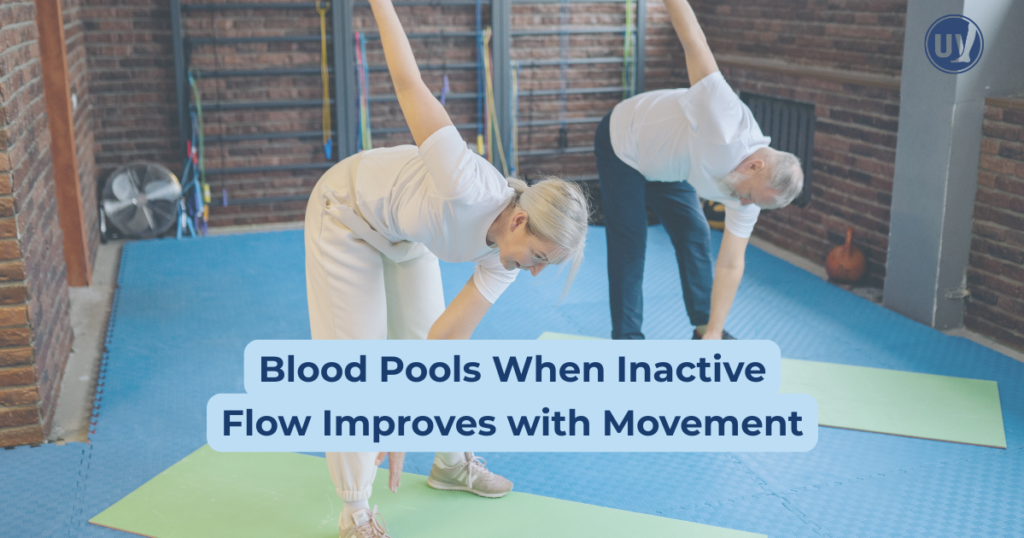
Even small bouts of activity help. Consider these strategies:
- Stand up and walk around every 30 to 60 minutes
- Stretch your legs and calves while seated
- Take short walks during breaks or lunch
- Use a standing desk if possible
- Try calf raises or ankle pumps while seated
These movements activate the leg muscles and support the natural pumping of blood back to the heart.
2. Exercise Regularly
In addition to frequent movement during the day, structured exercise routines promote overall vascular health.
Consistent exercise strengthens the muscles that support veins and helps prevent blood pooling and valve damage.
3. Wear Compression Garments
Compression stockings or socks are designed to apply gentle pressure to the legs, assisting veins in moving blood toward the heart. Benefits include:
- Reduced swelling
- Less leg heaviness or fatigue
- Prevention of blood pooling
- Support during long periods of sitting or standing
Your vein specialist can recommend the appropriate compression level and duration for maximum benefit.
4. Maintain a Healthy Weight and Diet
Excess body weight puts additional pressure on the veins, increasing the risk of varicose veins and chronic venous insufficiency. A heart-healthy, cholesterol-conscious diet also supports vein health by reducing plaque buildup in the arteries and improving circulation.
Tips include:
- Eating plenty of fruits, vegetables, and whole grains
- Choosing lean protein sources
- Limiting saturated fats, trans fats, and processed foods
- Staying hydrated to keep blood flowing smoothly
5. Consult a Vein and Vascular Specialist
Even with a healthy lifestyle, some individuals may develop vein problems due to genetics, age, or other risk factors.
Early intervention can prevent vein problems from progressing and dramatically improve your quality of life.
Frequently Asked Questions
Experts recommend standing or walking for at least a few minutes every 30 to 60 minutes. Prolonged sitting beyond two hours without movement can increase pressure in your leg veins and raise the risk of blood pooling and varicose veins.
Exercise and movement improve circulation and may reduce symptoms like swelling and heaviness. However, structural damage to veins, such as varicose veins or chronic venous insufficiency, often requires medical evaluation and treatment to fully restore vein function.
Not everyone needs compression stockings, but they are recommended for individuals with visible varicose veins, swelling, or a history of vein problems. Your vein specialist can determine the appropriate type and pressure level for your condition.
Take the Next Step Toward Healthy Veins
A sedentary lifestyle does not have to control your vein health. By incorporating regular movement, exercise, healthy habits, and medical guidance, you can improve circulation, reduce discomfort, and prevent long-term complications.
At United Vein & Vascular Centers, our board-certified vein specialists provide expert evaluation, minimally invasive treatments, and personalized guidance to help you maintain healthy, pain-free legs.
Find a UVVC clinic near you today and take the first step toward improved vein health and a more comfortable, active lifestyle.