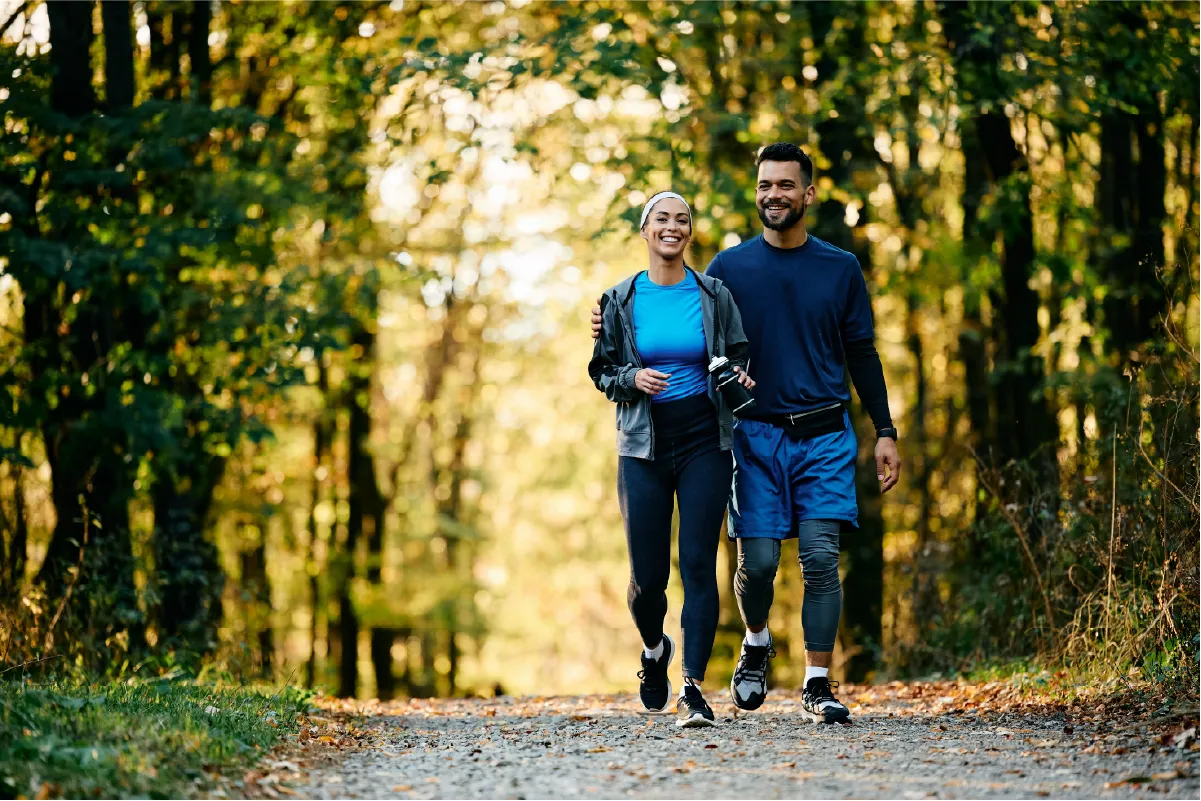
National Walking Day is a reminder of how simple movement can support your overall health, especially your circulation. Walking is one of the easiest and most effective ways to keep blood flowing through your body, helping your veins do their job more efficiently.
But for many people, walking isn’t always comfortable. Symptoms like leg heaviness, swelling, cramping, or fatigue can make even short distances feel challenging. In some cases, these symptoms may be more than just temporary discomfort, they can be signs of an underlying vein condition.
Understanding how walking supports vein health and what it means when movement becomes difficult can help you take the right next steps.
Why Walking Is Important for Circulation
Your veins work against gravity to return blood from your legs back to your heart. Walking plays a key role in this process.
Each step activates your calf muscles, which act like a pump to push blood upward through your veins. This is often called the “calf muscle pump,” and it’s essential for healthy circulation.
Regular walking can help:
- Improve blood flow in the legs
- Reduce pressure in the veins
- Support healthy vein function
- Prevent blood from pooling in the lower extremities
Even short, consistent walks throughout the day can make a meaningful difference in how your legs feel.
When Walking Doesn’t Feel Easy
While walking is beneficial, it shouldn’t feel like a struggle. If you find yourself needing to stop frequently or avoiding activity altogether, it may be a sign that something isn’t working properly in your circulation.
Common symptoms that can make walking difficult include:
- Ciężkość lub zmęczenie nóg
- Obrzęk podudzi lub kostek
- Aching or throbbing discomfort
- Cramping, especially after activity
- Restlessness or discomfort after standing or walking
These symptoms are often associated with conditions like chronic venous insufficiency, where vein valves are not functioning properly and blood begins to pool in the legs.

The Impact of Avoiding Movement
When walking becomes uncomfortable, many people naturally reduce their activity levels. While this may provide temporary relief, it can actually contribute to worsening circulation over time.
Reduced movement can lead to:
- Increased pressure in the veins
- Worsening swelling and discomfort
- Decreased muscle engagement
- Progression of vein disease
Staying active is important, but it’s equally important to address the root cause of the discomfort.
How Vein Treatment Can Help You Stay Active
If leg symptoms limit your ability to walk, treatment may help improve both your comfort and your mobility. Modern vein treatments are minimally invasive and designed to improve circulation, reduce symptoms like swelling and heaviness, and address the underlying vein dysfunction that can interfere with daily movement. By targeting the root cause of these issues, treatment can also help you return to normal daily activities with greater ease. Many patients find that after treatment, walking becomes easier, more comfortable, and more enjoyable.
Small Steps, Big Impact
You don’t need to start with long walks to see benefits. Simple, consistent movement throughout the day can support your circulation and overall health.
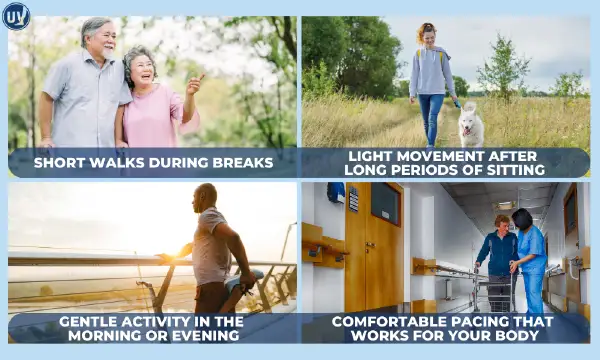
The goal is to keep your body moving in a way that feels manageable and sustainable.
When to Take the Next Step
If walking causes discomfort, heaviness, or swelling in your legs, it may be time to look beyond lifestyle changes alone.
An evaluation can help determine whether your symptoms are related to an underlying vein condition and what treatment options may be appropriate.
Często zadawane pytania
Yes, walking is one of the most beneficial activities for people with varicose veins. It helps activate the calf muscle pump, which supports healthy blood flow back to the heart. Regular walking can reduce pressure in the veins, ease symptoms like swelling and heaviness, and support overall circulation. While it won’t eliminate visible veins, it can play an important role in managing symptoms.
A heavy or tired feeling in the legs is often linked to poor circulation, particularly in conditions like chronic venous insufficiency. When vein valves are not working properly, blood can pool in the legs instead of flowing upward efficiently. This can create a sensation of heaviness, fatigue, or pressure, especially during or after walking or prolonged standing.
In most cases, walking does not make vein problems worse and is actually encouraged. However, if you experience significant pain, swelling, or discomfort while walking, it may indicate an underlying issue that should be evaluated. Walking should feel manageable, if it becomes difficult, it’s important to understand why.
Yes. In addition to walking, elevating your legs, wearing compression stockings when recommended, staying hydrated, and avoiding long periods of sitting or standing can all support circulation. These strategies can help reduce symptoms, but they may not address the underlying cause if a vein condition is present.
Yes, many patients report improved comfort, reduced swelling, and increased mobility after treatment. By addressing the underlying vein dysfunction, treatment can help restore more efficient circulation, making everyday activities like walking feel easier and more sustainable.
Take the Next Step Toward Comfortable Movement
Don’t let leg discomfort dictate how far you can go. Whether you’re walking around the block or staying active throughout your day, movement should feel natural, not limited by pain, heaviness, or fatigue.
Taking the next step toward better circulation starts with understanding what your body is telling you. If your legs don’t keep up with your lifestyle, it may be time to explore what’s causing your symptoms and how they can be treated.
Schedule a consultation with United Vein & Vascular Centers today and take the first step toward moving more comfortably, confidently, and without limitations.