If your legs feel heavy, achy, or swollen by the end of the day, it may be more than just fatigue. Chronic venous insufficiency, or CVI, affects millions of people and can silently disrupt circulation in the legs. When veins stop working properly, blood struggles to return to the heart, often pooling in the lower legs. Over time, this can lead to uncomfortable symptoms and even serious complications if left untreated.
Understanding how CVI affects your circulation and your daily life can help you take action before problems worsen.
What Is Chronic Venous Insufficiency?
Chronic venous insufficiency occurs when the one-way valves in your leg veins become weak or damaged. Healthy valves help blood flow upward toward the heart, but when they fail, blood can leak backward and pool in the legs. This increased pressure stresses the veins and surrounding tissues, causing a range of symptoms from swelling to skin changes.
CVI is more than a cosmetic concern. It is a circulation problem that can impact your mobility, comfort, and overall health.
How CVI Affects Circulation and Leg Health
When blood pools in the legs, it creates pressure that the veins cannot relieve on their own. This can lead to:
- Swelling in the lower legs or ankles
- Aching or heavy legs
- Tight or itchy skin
- Discoloration or darkening around the ankles
- Slow-healing wounds or ulcers
These symptoms are often worse at the end of the day or after long periods of standing or sitting. Left untreated, CVI can reduce mobility and quality of life while increasing the risk of complications such as venous ulcers or infections.
Why Chronic Venous Insufficiency Can Be Painful
Many people living with CVI report a persistent sense of heaviness or discomfort in their legs. Pain may vary from mild aching to sharp, throbbing sensations. Tightness, swelling, and dry or itchy skin can make standing or walking more difficult.
These symptoms do not simply go away on their own. A vein specialist can identify the source of the problem and guide you toward treatments that restore circulation, reduce discomfort, and prevent progression.
How CVI Can Limit Mobility
Poor circulation does more than cause pain; it can affect your ability to move freely. Swelling, fatigue, and aching legs may make everyday tasks like walking, climbing stairs, or standing for long periods more challenging.
Addressing CVI early can help maintain mobility and independence. Treatments range from lifestyle guidance, compression therapy, and exercise to minimally invasive procedures designed to restore proper blood flow.
Treatment Options for Circulation Issues Caused by CVI
The right treatment depends on the severity of your condition and your overall vein health.
Options often include:
- Lifestyle adjustments: Regular movement, leg elevation, and weight management to support circulation
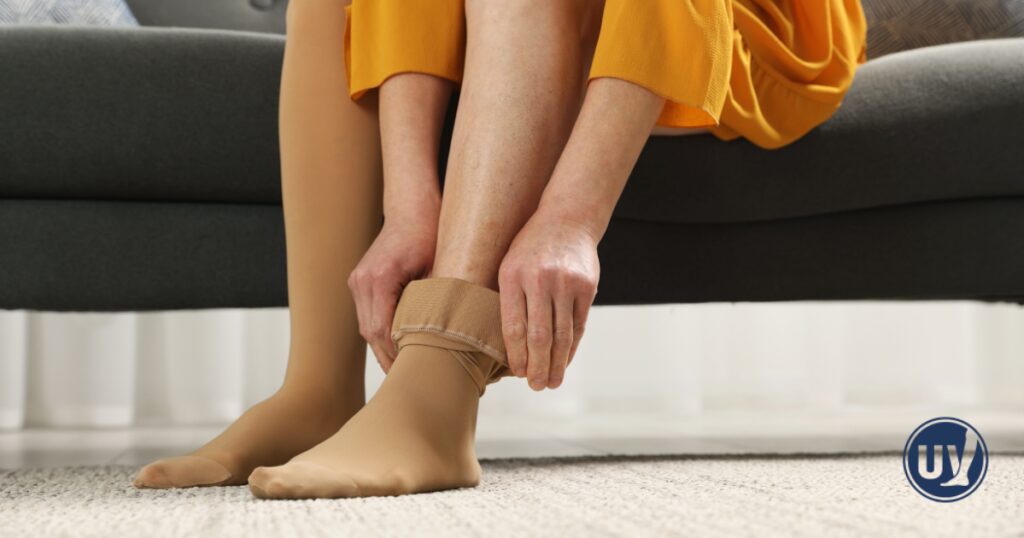
- Compression therapy: Specialized stockings that reduce swelling and encourage blood flow
- Minimally invasive procedures: Treatments such as radiofrequency ablation or sclerotherapy to close damaged veins and reroute blood to healthy veins
- Medication or wound care: For patients with ulcers or skin changes
A vein specialist develops a personalized care plan to address symptoms, improve circulation, and reduce the risk of complications.
Frequently Asked Questions
Can CVI get worse over time?
Yes. Without proper treatment, chronic venous insufficiency can progress, leading to increased swelling, pain, and risk of ulcers. Early evaluation can slow or prevent progression.
Are varicose veins a sign of CVI?
Varicose veins can indicate underlying CVI but not all varicose veins mean circulation problems. A vein specialist can determine whether they are a cosmetic issue or a sign of insufficient blood flow.
Is CVI only a leg problem?
While CVI primarily affects the legs, chronic poor circulation can influence overall vascular health and lead to complications if left untreated. Addressing the root cause improves both leg health and overall well-being.
Take Control of Your Circulation and Vein Health
Living with discomfort, swelling, or limited mobility caused by CVI can impact your daily life.
United Vein & Vascular Centers understands how vein disease affects comfort, confidence, and quality of life. They provide expert evaluation, treatment, and guidance to restore circulation, relieve symptoms, and help you move freely again.
Find a UVVC clinic near you and take the first step toward healthier, more comfortable legs today.