

Zawartość
- Q: What is chronic venous insufficiency?
- Q: Is chronic venous insufficiency serious?
- Q: What are early signs of CVI?
- Q: When do physicians become more concerned about CVI?
- Early vs. Advanced Signs of CVI
- Q: What happens if CVI progresses?
- Q: Can serious complications be prevented?
- Q: When should patients see a vein specialist?
- What’s Next in the Ask the Doc Series
- Często zadawane pytania
Welcome back to Ask the Doc, an educational series from United Vein & Vascular Centers designed to provide clear, physician-led answers to common questions about vein and vascular health. Each week, a UVVC physician explains everyday symptoms and what they may mean medically.
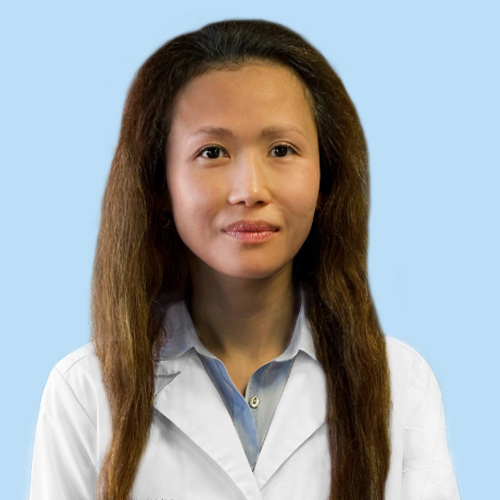
In this installment, Dr. Stephanie Bui answers a common question patients ask when symptoms begin to worsen: when does CVI become serious? She explains how chronic venous insufficiency can progress over time, which symptoms physicians pay close attention to, and why early evaluation can help patients better understand their vein health.
Q: What is chronic venous insufficiency?
Dr. Bui:
Chronic venous insufficiency, or CVI, is a vein condition that occurs when the valves in the leg veins do not work properly. These valves are supposed to help blood move upward from the legs toward the heart. When they weaken or become damaged, blood can flow backward and pool in the legs.
This backward flow is known as venous reflux. Over time, venous reflux can increase pressure inside the veins and contribute to symptoms such as swelling, heaviness, aching, fatigue, visible varicose veins, and skin changes.
CVI is considered chronic because it often develops gradually. Some patients notice symptoms for months or years before realizing they may be connected to an underlying vein problem.

Q: Is chronic venous insufficiency serious?
Dr. Bui:
Chronic venous insufficiency can be serious, especially when symptoms are persistent, worsening, or associated with changes in the skin. In the early stages, symptoms may seem mild or easy to dismiss. A patient may notice tired legs, mild swelling, aching after standing, or visible varicose veins.
The concern is that CVI can progress if the underlying vein dysfunction is not evaluated. As pressure builds in the veins over time, symptoms can become more uncomfortable and may begin to affect daily life, mobility, sleep, and skin health.
Not every patient with CVI develops complications, but it is important to take recurring symptoms seriously. A vein screening can help determine whether venous reflux or another vein condition may be contributing to what a patient is experiencing.
Q: What are early signs of CVI?
Dr. Bui:
Early signs of CVI can vary from patient to patient. Some people notice visible veins first, while others experience symptoms that feel more like leg fatigue or discomfort.
Early signs may include:
- Ciężkość lub zmęczenie nóg
- Aching, throbbing, or cramping
- Mild swelling around the ankles or lower legs
- Restless legs or nighttime discomfort
- Widoczne żylaki
- Spider veins with discomfort
- Itching or burning near visible veins
- Symptoms that worsen after standing or sitting for long periods
- Symptoms that improve with walking or leg elevation
These symptoms are easy to attribute to aging, a busy schedule, or being on your feet all day. However, when they keep returning or begin to interfere with daily comfort, it may be time to schedule a vein screening.
Q: When do physicians become more concerned about CVI?
Dr. Bui:
Physicians become more concerned when symptoms are worsening, lasting longer, or beginning to affect the skin. Skin changes are especially important because they can suggest that vein pressure has been present for a long time.
Signs that CVI may be progressing include:
- Swelling that becomes more frequent or harder to manage
- Heaviness or aching that affects daily activities
- Varicose veins that become larger or more painful
- Skin discoloration near the ankles or lower legs
- Dry, itchy, irritated, or thickened skin
- Tenderness, inflammation, or skin sensitivity near affected veins
- Slow-healing wounds near the lower legs, ankles, or feet
When these changes appear, evaluation becomes more important. The goal is to understand what is happening beneath the surface and determine whether venous reflux is contributing to worsening symptoms.
Early vs. Advanced Signs of CVI
| Early Signs | More Advanced Signs |
| Mild leg heaviness | Persistent or worsening heaviness |
| Occasional swelling | Swelling that becomes frequent or difficult to manage |
| Aching after standing | Discomfort that affects daily activities or sleep |
| Widoczne żylaki | Larger, painful, or worsening varicose veins |
| Itching or burning | Skin discoloration, irritation, or thickening |
| Symptoms improve with elevation | Symptoms become harder to relieve |
| No skin breakdown | Slow-healing wounds or venous ulcers |
This progression can look different for every patient. Some people may have mild symptoms for a long time, while others notice changes more quickly. A vein specialist can help determine where symptoms may fall and whether additional evaluation is recommended.
Q: What happens if CVI progresses?
Dr. Bui:
If CVI progresses, pressure can continue building inside the leg veins. Over time, that pressure may affect the surrounding tissue and skin. Patients may notice swelling that becomes more persistent, skin that looks darker or discolored, or irritation around the ankles or lower legs.
In more advanced cases, CVI can contribute to venous ulcers. These are wounds that can develop when long-term vein pressure affects the skin’s ability to heal properly. Venous ulcers often occur near the ankles or lower legs and should be evaluated promptly.
Progression does not happen the same way for every patient, and not everyone with CVI will develop advanced complications. However, persistent symptoms should not be ignored, especially when swelling, skin changes, or slow-healing wounds are present.
Q: Can serious complications be prevented?
Dr. Bui:
Early evaluation may help reduce the risk of symptoms getting worse. When we identify venous reflux or chronic venous insufficiency early, we can better understand which veins are affected and whether treatment may be appropriate.
Treatment is designed to address veins that are not moving blood properly so blood can reroute through healthier veins nearby. For some patients, this may help reduce symptoms such as swelling, heaviness, aching, and visible varicose veins.
It is also important to understand that vein disease can be chronic. Treatment can address diseased veins, but it does not stop every future vein issue from developing. That is why follow-up care, symptom awareness, and ongoing evaluation can all play a role in long-term vein health.
Q: When should patients see a vein specialist?
Dr. Bui:
Patients should consider seeing a vein specialist when symptoms are persistent, worsening, or affecting comfort, mobility, sleep, or daily routine. Evaluation is especially important when symptoms are accompanied by visible vein changes or changes in the skin.
You may want to schedule a vein screening if you notice:
- Recurring leg swelling
- Ciężkość lub zmęczenie nóg
- Aching, throbbing, or cramping
- Restless legs or nighttime discomfort
- Żylaki
- Spider veins with discomfort
- Itching, burning, or tenderness near visible veins
- Skin discoloration near the ankles or lower legs
- Dry, irritated, thickened, or sensitive skin
- Slow-healing wounds near the lower legs, ankles, or feet
A screening can help determine whether your symptoms may be related to chronic venous insufficiency and whether a diagnostic ultrasound should be scheduled as the next step.
What’s Next in the Ask the Doc Series
Chronic venous insufficiency can become more concerning when symptoms continue to progress or begin affecting the skin, comfort, and daily routine. Knowing when CVI may require medical attention can help patients take symptoms seriously before complications develop.
The Ask the Doc series continues to explore common questions about vein symptoms, treatment options, and long-term vein health.
In our next installment, Dr. Constantine Andrew will answer another frequently asked question: do compression socks treat CVI or just manage symptoms? He’ll explain how compression can support symptom management, what it can and cannot do for underlying vein disease, and when patients may need additional evaluation.
If you are experiencing symptoms that may be related to vein disease, schedule a screening with United Vein & Vascular Centers to learn whether further evaluation may be right for you.
Często zadawane pytania
CVI can become more serious when symptoms worsen or complications develop. Persistent swelling, skin discoloration, irritation, thickened skin, or slow-healing wounds may suggest more advanced vein disease and should be evaluated.
Yes. In more advanced cases, chronic venous insufficiency can contribute to venous ulcers, which are wounds that commonly develop near the lower legs or ankles. These wounds should be evaluated promptly because they may be connected to long-term vein pressure and circulation concerns.
CVI can become more common or more noticeable with age, but age is not the only factor. Family history, pregnancy, prolonged standing or sitting, prior vein issues, and other factors may also contribute. Symptoms that worsen over time should be evaluated by a vein specialist.
Treatment may help address diseased veins and reduce symptoms related to venous reflux or chronic venous insufficiency. While treatment cannot prevent every future vein issue, early evaluation and appropriate care may help reduce the risk of symptoms progressing.
You should consider seeing a vein specialist if you have recurring leg swelling, heaviness, aching, visible varicose veins, skin changes, or symptoms that worsen after standing or sitting. A vein screening can help determine whether chronic venous insufficiency may be contributing to your symptoms.
Medically reviewed by Dr. Domenic Zambuto, National Medical Director at United Vein & Vascular Centers. Board-certified in vascular and interventional radiology, Dr. Zambuto has more than 20 years of experience treating vascular disease and helping patients manage complex vein and circulatory conditions.