Lymphedema: Symptoms, Causes, & Treatments
What is Lymphedema?
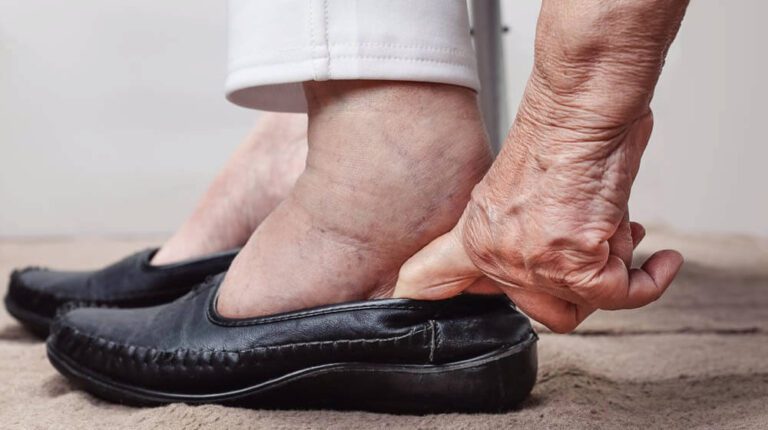
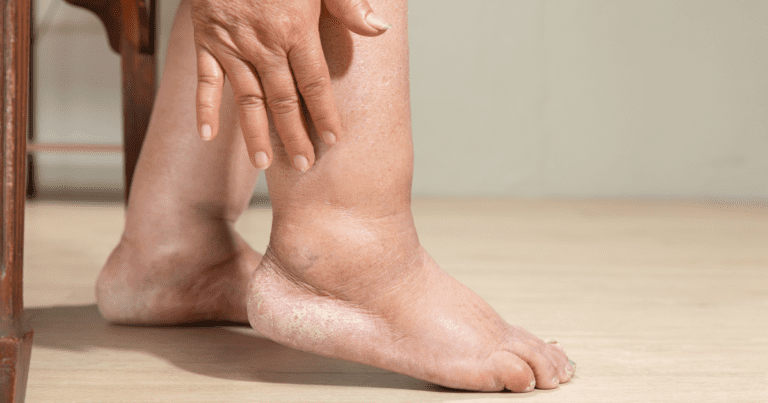
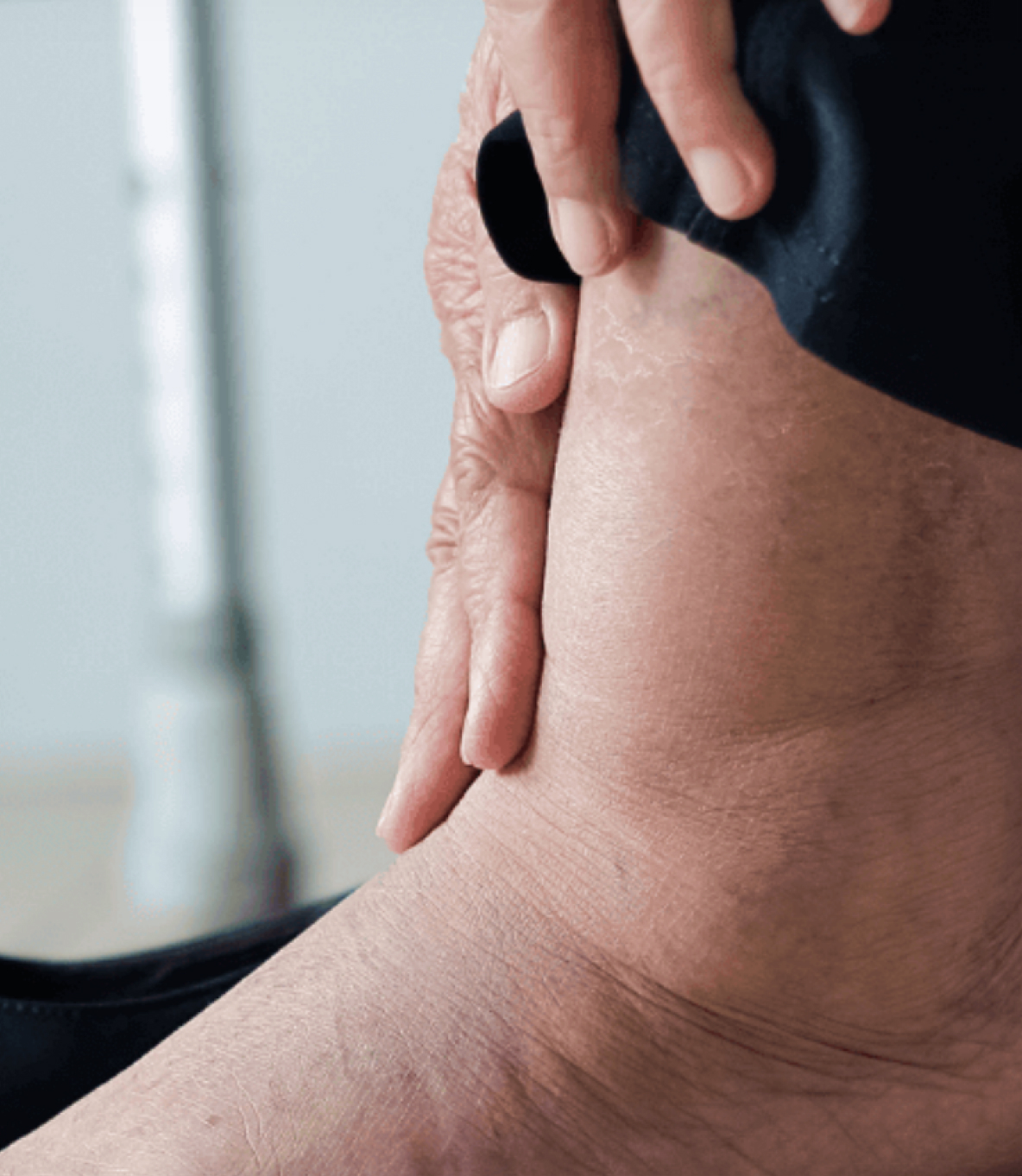
Lymphedema is a long-term condition caused by damaged lymph vessels resulting in fluid buildup in the surrounding tissues, which mostly affects the legs. This causes a build-up of lymph fluid. This fluid frequently pools in the legs, causing swelling, heaviness, discomfort, loss of range of motion, recurring infections, and ultimately, damage to the vessels and tissues in the area.
Symptoms of Lymphedema
- Swelling in one or multiple limbs, including in the fingers and toes
- Discomfort and achiness
- Heaviness
- Fatigue
- Recurring infection
- Thickening of the skin and/or discoloration
If you’re experiencing any of the symptoms listed above, don’t put off seeing a specialist any longer. Find a UVVC vascular clinic today and request a consultation.

Request a Consultation
What Causes Lymphedema?
There are several potential causes of lymphedema, and causes differ depending on the type of lymphedema:
- Primary (rare) – caused by defects in the formation of lymph nodes, Meige disease, and Milroy disease
- Secondary – caused by another condition, such as CVI, cancer treatment, surgery, or infection
Treatment Options for Lymphedema
Receiving treatment can improve your quality of life and reduce the rise of complications due to the condition. Early detection can lead to a better quality of life.
Treatment Options include:
- Exercise Therapy – Movement helps the lymph vessels drain excess lymphatic fluid and can therefore help prevent the condition from worsening
- Radiofrequency Ablation (RFA) – Closing off damaged veins to reroute blood
- Manual Lymph Drainage – This is a gentle massage technique used to help manually push lymph fluid out of the affected limb, encouraging proper drainage. This massage technique may be done by a physical therapist, and your therapist may show you some techniques you can use at home, as well
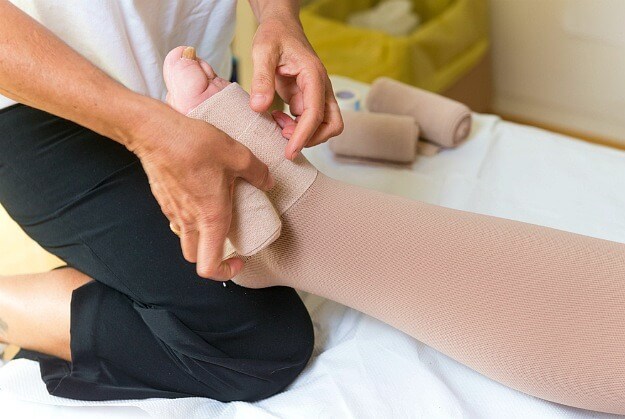
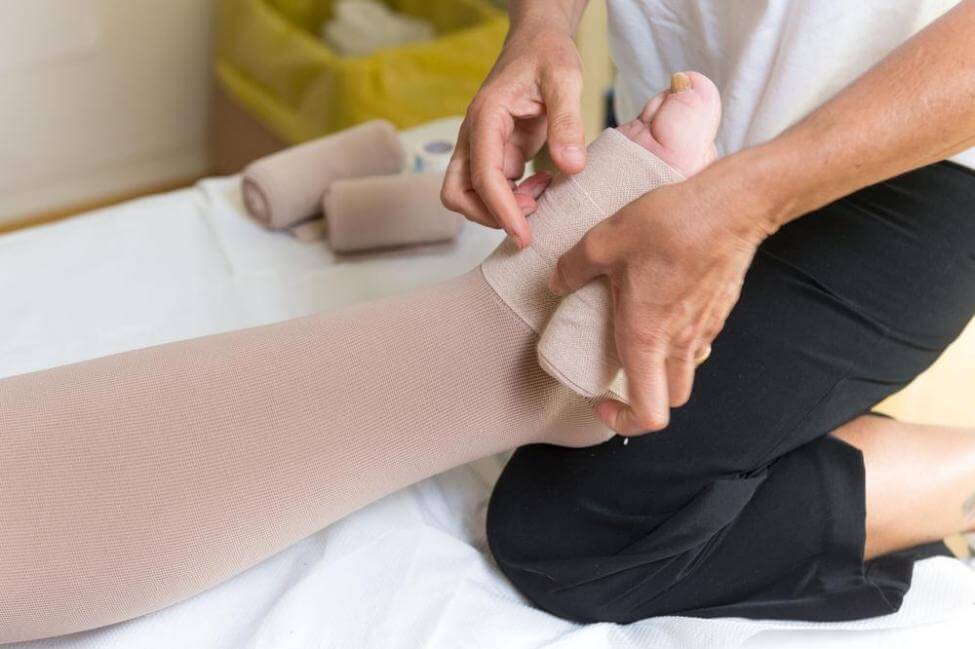
- Bandaging – Your doctor or therapist may teach you special bandaging techniques to help lymph fluid drain. Bandaging involves wrapping tighter at your toes and loosening the wrapping as you work your way towards the trunk, creating a funnel of sorts to direct lymph fluid out of the limb
- Compression Therapy – Your doctor may recommend that compression garments be worn on the affected limb to encourage lymph drainage. Exercise is often combined with compression therapy to improve drainage even further
- Pneumatic Compression – Pneumatic compression uses a sleeve that attaches to a pump and fills with air intermittently to help pump the lymph fluid back to the trunk

Benefits of Treatment
Since lymphedema is a longterm condition, you may wonder what good all the treatments offered for it really does. The main goals of lymphedema treatment are as follows:
- Reducing the retention of lymph fluid
- Improving the quality of life; improving both physical and mental health
- Improving mobility and range of motion
- Prevent infection
- Treating the underlying cause of lymphedema (e.g. Chronic Venous Insufficiency)
Since lymphedema may cause a great deal of discomfort and several complications if left untreated, it’s important to begin treatment early and keep up with the therapies recommended by your doctor. Severe lymphedema can make it difficult to use the affected limb and may require surgery, so a proactive approach can keep those suffering from the condition from many hardships.
If one has lymphedema, one should undergo a diagnostic ultrasound evaluation to identify if venous insufficiency is an underlying factor. If venous insufficiency is diagnosed, patients should undergo treatment. The combination of lymphedema and venous insufficiency is called phlebolymphedema.
Related Articles