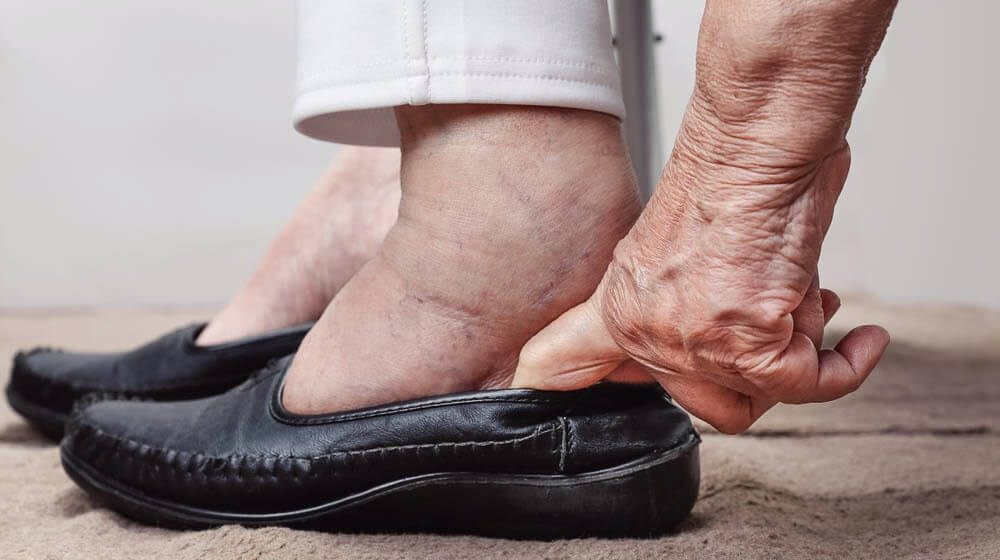
Swelling in the legs, ankles, and feet can be more than just uncomfortable, it can be a sign of lymphedema, a condition caused by a blockage in the lymphatic system. Lymphedema occurs when lymph fluid, which normally circulates through lymph nodes and vessels, becomes trapped in the tissue, causing persistent swelling. While it most commonly affects the legs, lymphedema can also appear in the abdomen, genitals, and neck.
Left untreated, lymphedema can lead to serious complications, including skin infections, cellulitis, or even sepsis in severe cases. However, with the right treatment and guidance from vascular and vein specialists, you can effectively manage your symptoms and maintain a high quality of life.
Understanding Lymphedema in the Legs
Lymphedema is a chronic condition that develops when the lymphatic system, responsible for removing excess fluid and waste from the body, is impaired. This leads to swelling and discomfort, especially in the lower extremities.
Some common symptoms include:
- Persistent swelling in the legs, ankles, or feet
- A feeling of heaviness or tightness in the legs
- Restricted movement or difficulty walking
- Thickened or hardened skin in the affected area
- Recurrent infections or skin changes
There are two types of lymphedema:
- Primary lymphedema – Caused by congenital malformations of the lymphatic system.
- Secondary lymphedema – Develops after injury, surgery, radiation therapy, or infection that affects the lymph nodes.
Early recognition and treatment are key to preventing progression and minimizing complications.
Why Seeking Specialized Care Matters
While primary care providers can monitor general health, vein and vascular specialists have the expertise needed to manage lymphedema effectively. Specialists can provide comprehensive care that addresses the root causes of swelling and prevents further progression.
Benefits of working with a vascular specialist include:
- Tailored treatment plans: Specialists evaluate the severity of lymphedema and recommend therapies that are customized for your condition.
- Advanced treatment options: From compression therapy to surgical interventions, specialists offer procedures that go beyond standard care.
- Monitoring and prevention: Specialists help manage risk factors, provide education on skin care, and reduce the likelihood of infections.
By consulting a board-certified vascular expert, you gain access to a team that can help you maintain mobility, comfort, and independence.
Treatment Options for Lymphedema in the Legs
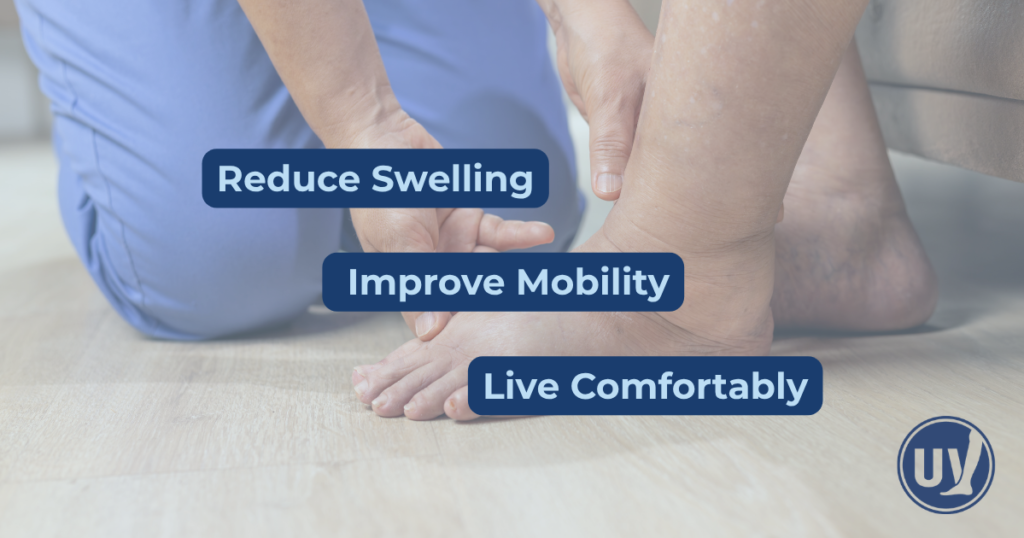
Although there is currently no cure for lymphedema, there are multiple ways to manage symptoms, reduce swelling, and improve quality of life. Treatment options may include:
1. Compression Therapy
Compression garments such as stockings or wraps are essential for managing leg lymphedema. They work by:
- Applying consistent pressure to reduce fluid buildup
- Supporting lymphatic drainage
- Preventing the progression of swelling
Patients often find that wearing compression garments during the day helps alleviate heaviness and improves mobility. A vascular specialist can determine the correct fit and pressure level for your needs.
2. Manual Lymphatic Drainage (MLD)
MLD is a specialized massage technique designed to stimulate lymph flow and encourage drainage from the affected area. This therapy can:
- Reduce swelling
- Improve circulation
- Promote comfort and flexibility
MLD is often combined with compression therapy for best results.
3. Exercise and Movement
Gentle exercise supports lymph flow and overall circulation. Recommended activities for patients with leg lymphedema include:
- Walking
- Swimming
- Low-impact stretching and yoga
Exercise helps prevent fluid from pooling in the legs, reduces heaviness, and supports long-term mobility.
4. Skin Care and Infection Prevention
Because lymphedema can make the skin more vulnerable, proper skin care is critical. Specialists recommend:
- Keeping the skin clean and moisturized
- Checking for cuts, sores, or infections daily
- Promptly treating any infections to avoid complications
5. Advanced and Surgical Treatments
For severe cases, surgical interventions may be considered. These include procedures to remove excess tissue or improve lymphatic drainage. UVVC specialists evaluate patients carefully to determine the safest and most effective approach.
Lifestyle Tips to Manage Lymphedema
Along with professional treatment, everyday lifestyle adjustments can make a significant difference in managing lymphedema:
- Elevate your legs when resting to encourage fluid movement
- Avoid prolonged sitting or standing without breaks
- Wear properly fitted shoes and compression garments daily
- Maintain a healthy weight and balanced diet to reduce strain on your lymphatic system
- Stay hydrated to support lymph fluid circulation
- Exercise regularly, but avoid high-impact activities that could injure your legs
Small, consistent changes can help reduce swelling and improve your comfort and mobility.
Frequently Asked Questions
Currently, there is no cure for lymphedema. However, treatment can effectively reduce swelling, manage symptoms, and prevent complications. With proper care, patients can maintain mobility and improve quality of life.
Persistent swelling, heaviness, and skin changes in the legs are common signs. A vascular specialist can perform an evaluation, including imaging tests, to confirm the diagnosis and rule out other conditions.
Wearing compression garments, elevating your legs, exercising regularly, maintaining a healthy weight, and following proper skin care routines all support lymphatic drainage and symptom management.
Take Control of Your Leg Health Today
Living with lymphedema can feel overwhelming, but you do not have to face it alone. United Vein & Vascular Centers offers expert evaluation, personalized treatment plans, and advanced care options to help you manage symptoms, reduce swelling, and improve mobility.
Our specialists work closely with you to design a care plan that addresses your unique needs and helps you live a more comfortable, active life. From compression therapy and lifestyle guidance to minimally invasive procedures, UVVC is here to support every step of your journey.
Find a UVVC clinic near you today to schedule a consultation and start managing your leg lymphedema with confidence. Your legs and your health deserve expert care.