
Vein Disease Symptoms
Vein disease symptoms can range from mild leg discomfort to persistent swelling, visible veins, skin changes, and chronic wounds. While these symptoms may seem like they’re caused by normal aging or standing for long periods, they are often signs of an underlying vein condition that can worsen over time if left untreated.
Understanding the early signs of vein disease is the first step toward protecting your vein health. Explore the most common symptoms, learn what they may mean, and discover when it’s time to schedule a screening with a vein specialist at United Vein & Vascular Centers.

Request a Vein Screening
What Are the Symptoms of Vein Disease?
Vein disease can cause a wide range of symptoms, from mild discomfort to more serious complications that affect your daily life. Many people first notice mild changes, such as tired, achy legs or slight swelling after standing for long periods. As the condition progresses, symptoms may become more frequent, more severe, and harder to ignore.
Common symptoms of vein disease include leg swelling, aching or heavy legs, leg pain, muscle cramps, itching, burning sensations, visible varicose or spider veins, skin discoloration, and slow-healing wounds. While not everyone experiences the same symptoms, persistent or worsening changes in your legs should be discussed with a board-certified vein specialist.
Explore the common symptoms below to learn what they may mean, what causes them, and when it’s time to seek treatment.
Síntomas comunes de las enfermedades venosas
Vein disease can affect your legs in many different ways. Some symptoms develop slowly, while others become more noticeable as blood continues to pool in damaged veins. Recognizing these warning signs early can help you seek treatment before the condition progresses and leads to more serious complications.
Select a symptom below to learn more about its causes, associated vein conditions, treatment options, and when to see a vein specialist.
Leg Swelling
Swelling in the feet, ankles, or lower legs often becomes worse after prolonged sitting or standing. It may also cause socks or shoes to leave noticeable indentations.
Leg Pain
Vein-related leg pain may feel aching, throbbing, tender, or sore. It often becomes more noticeable later in the day or after spending long periods on your feet.
Heavy Legs
Legs may feel unusually heavy, making walking, standing, or completing everyday tasks difficult.
Foot and Leg Cramps
Painful muscle cramps may occur at night or while resting. Recurring calf or foot cramps can be associated with poor circulation in the legs.
Burning Legs
A persistent burning sensation may develop as increased venous pressure irritates the skin and surrounding tissues.
Itchy Legs
Persistent lower leg itching may develop as increased venous pressure expands the vein walls and surrounding skin.
Visible Veins
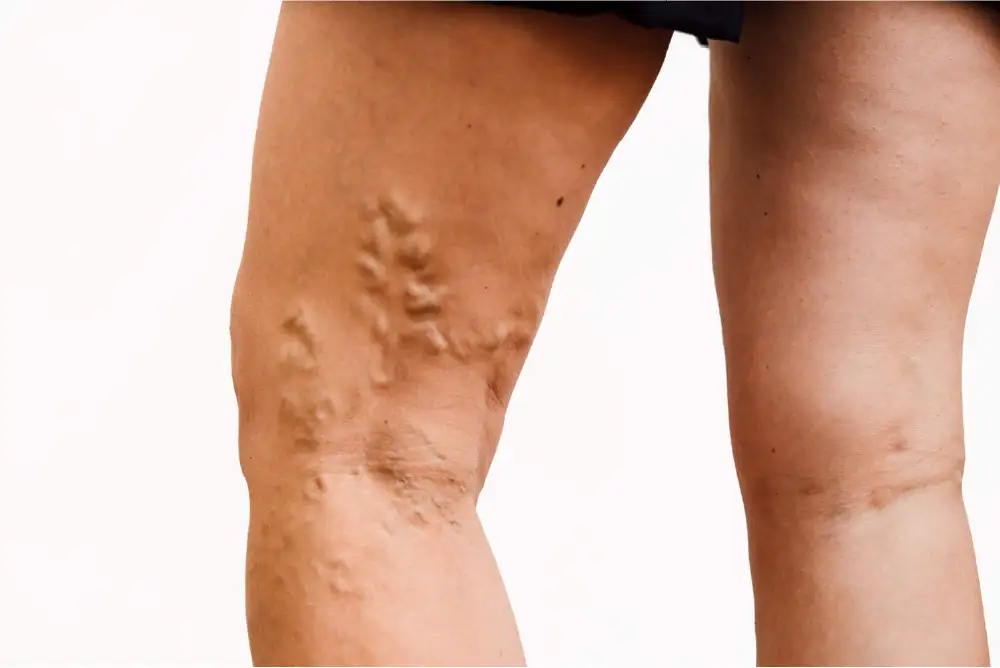
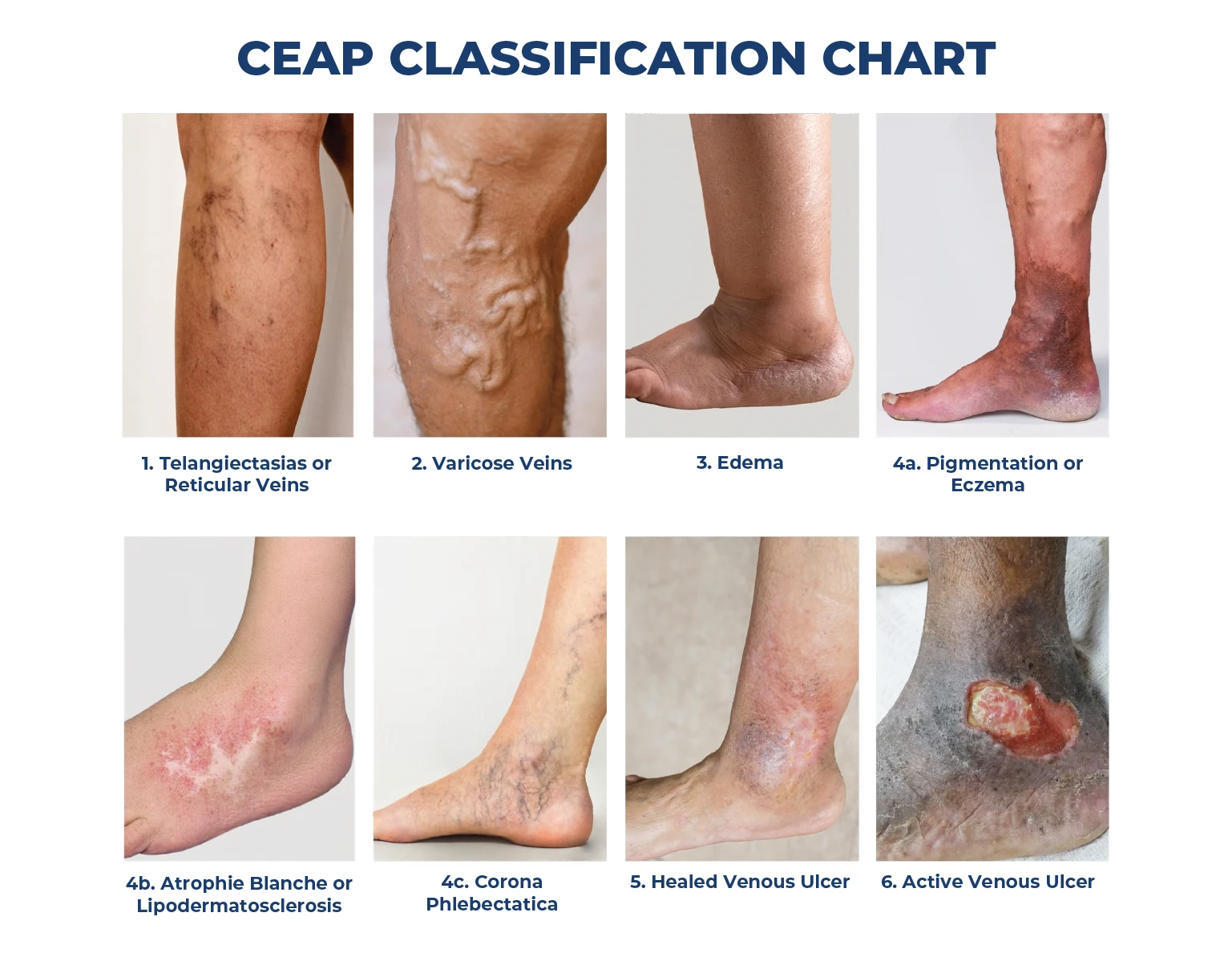
Varicose veins may appear enlarged, twisted, or raised beneath the skin, while spider and reticular veins are typically smaller and closer to the skin’s surface.
Skin Discoloration
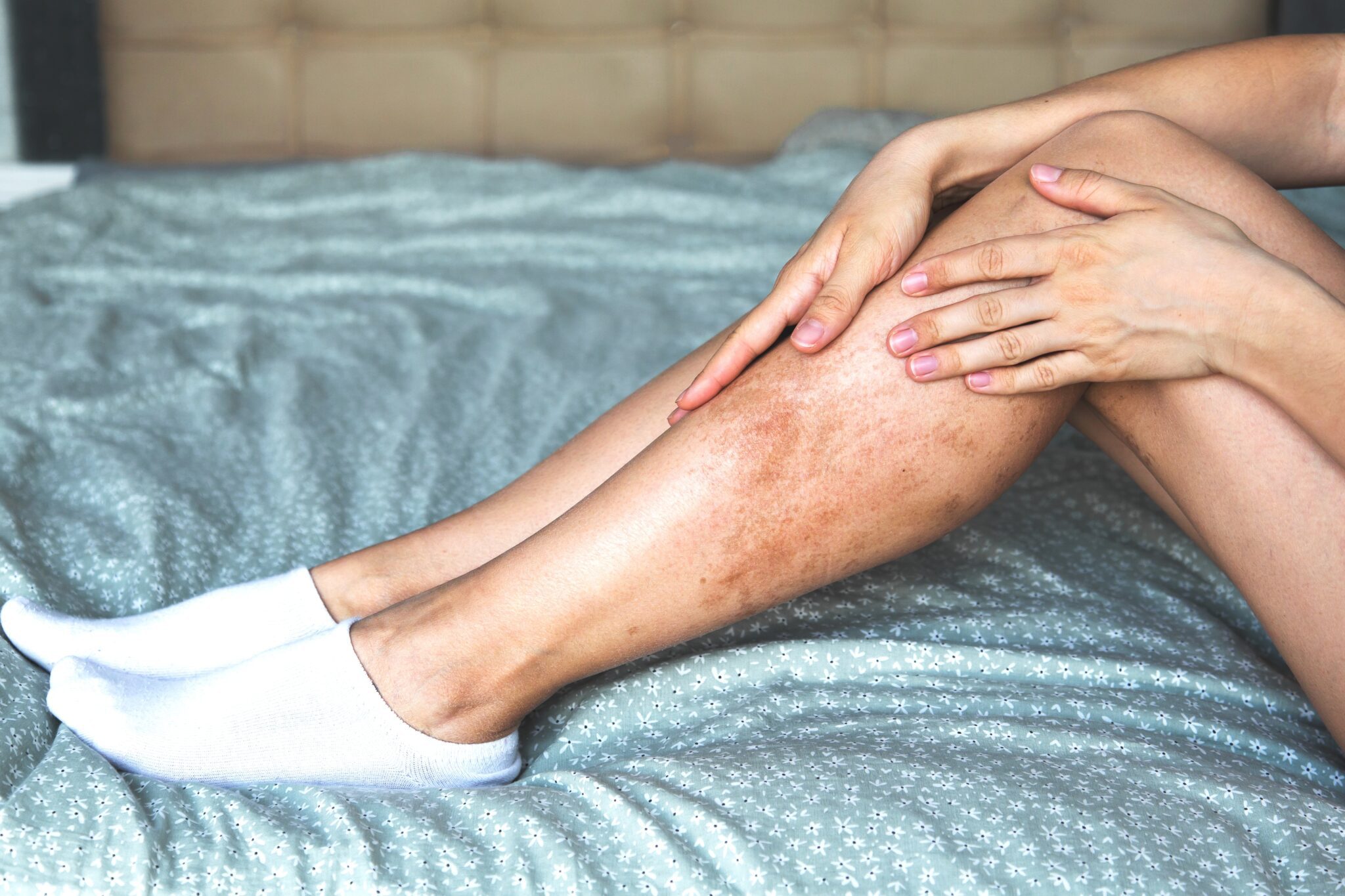
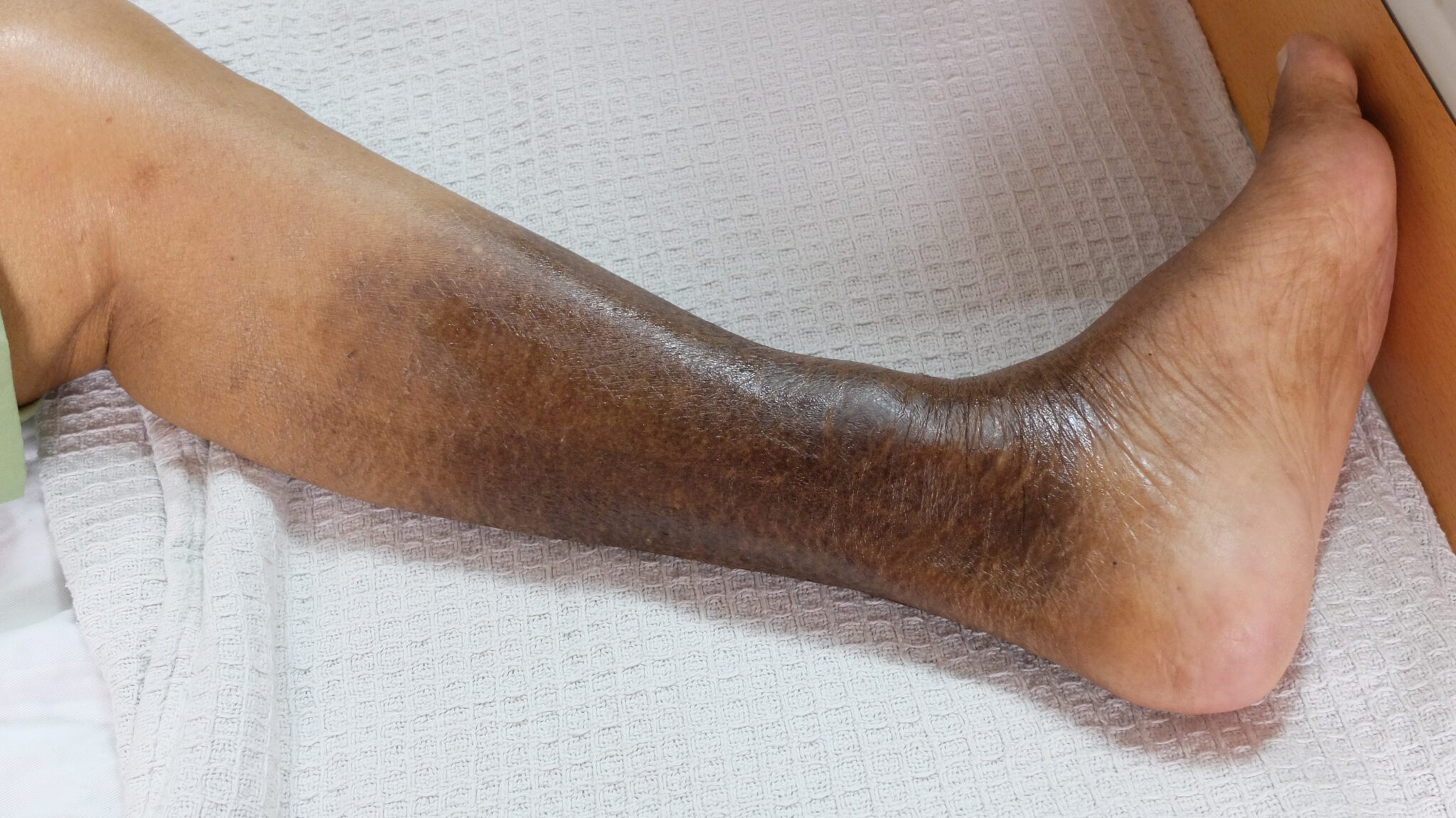
Brown, red, or purple skin changes around the lower legs and ankles may develop when vein disease has been present for an extended period.
Úlceras de pierna
Slow-healing sores, especially near the ankle, can be a sign of advanced chronic venous insufficiency and should be evaluated by a medical professional.
Why Does Vein Disease Cause These Symptoms?
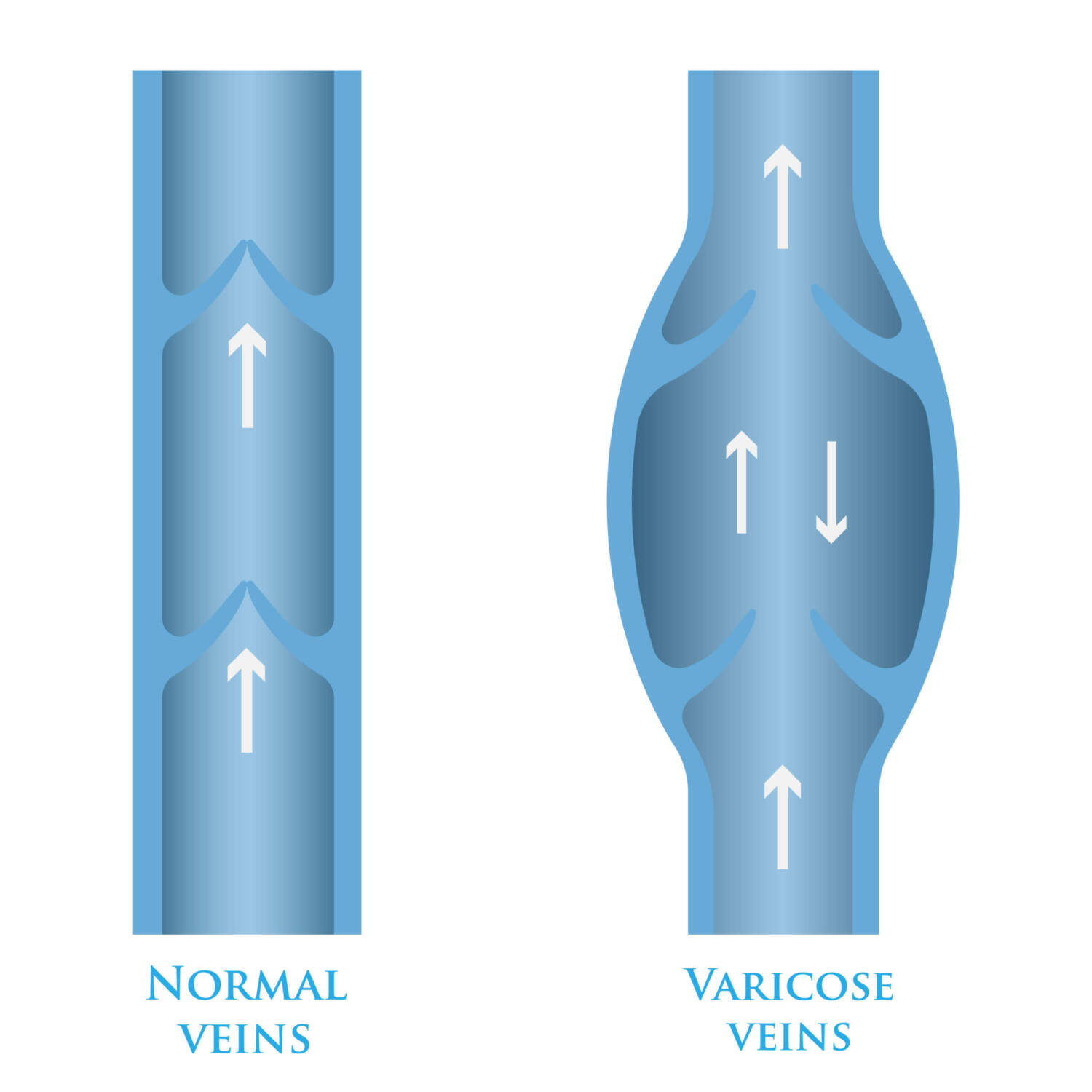
Healthy leg veins contain one-way valves that keep blood moving upward toward the heart. When these valves become weak or damaged, blood can flow backward and collect in the veins, a condition known as venous insufficiency or venous reflux.
As blood pools in the lower legs, pressure inside the veins increases. Over time, this extra pressure can cause fluid to leak into surrounding tissues, reduce healthy circulation, and trigger inflammation. These changes are responsible for many of the common symptoms of vein disease, including leg swelling, aching, heaviness, muscle cramps, itching, skin discoloration, and the development of varicose veins.
Without treatment, vein disease is often progressive, meaning symptoms may become more frequent or severe over time. Fortunately, early diagnosis and minimally invasive vein treatments can restore healthy blood flow, relieve symptoms, and help prevent long-term complications.
When Are Vein Disease Symptoms a Sign of Something Serious?
While many symptoms of vein disease develop gradually, some should never be ignored. Early evaluation by a vein specialist can help prevent complications and relieve symptoms before they become more severe.
Schedule an Evaluation if You Experience:
- Leg swelling that occurs regularly or worsens throughout the day
- Aching, heaviness, or fatigue in your legs that interferes with daily activities
- Painful varicose veins
- Skin discoloration around the ankles or lower legs
- Itching, burning, or persistent leg discomfort
- Leg cramps that occur frequently, especially at night
These symptoms may be signs of chronic venous insufficiency or another underlying vein condition that can often be treated with minimally invasive procedures.
Seek Immediate Medical Attention If You Have:
- Sudden swelling in one leg
- Severe leg pain that develops suddenly
- A leg that becomes warm, red, and tender
- Uncontrolled bleeding from a varicose vein
- Chest pain or shortness of breath along with sudden leg swelling
These symptoms may indicate a more serious condition, such as a deep vein thrombosis (DVT) or pulmonary embolism, and require immediate medical evaluation.
Don’t Wait for Symptoms to Progress
Vein disease is often progressive, meaning symptoms typically worsen over time without treatment. What begins as mild swelling or occasional aching can eventually lead to chronic pain, skin changes, or slow-healing venous leg ulcers. Seeking treatment early can help relieve symptoms, improve circulation, and reduce the risk of long-term complications.
Common Vein Conditions Associated With These Symptoms
Many vein disease symptoms share similar causes, making it difficult to determine the underlying condition based on symptoms alone. While leg swelling, aching, heaviness, skin changes, and visible veins are common signs of vein disease, they can be associated with several different venous disorders. A comprehensive evaluation, including a duplex ultrasound, can help identify the cause and determine the most appropriate treatment.
Chronic Venous Insufficiency (CVI)
Chronic venous insufficiency occurs when the valves inside your leg veins no longer function properly, allowing blood to pool in the lower legs. It is one of the most common causes of leg swelling, heaviness, aching, skin discoloration, and venous leg ulcers.
Learn more about Chronic Venous Insufficiency
Varices
Varicose veins are enlarged, twisted veins that develop when weakened vein valves allow blood to collect in the veins. They may cause aching, throbbing, swelling, itching, or a feeling of heaviness in the legs.
Learn more about Varicose Veins
Arañas vasculares
Spider veins are small, damaged blood vessels that appear close to the surface of the skin. Although they are often considered cosmetic, some people experience burning, itching, or mild discomfort.
Reticular Veins
Reticular veins are blue or green veins located just beneath the skin’s surface. They are larger than spider veins and may contribute to aching, burning, or discomfort while also serving as feeder veins for spider veins.
Learn more about Reticular Veins
Venous Leg Ulcers
Venous leg ulcers are slow-healing wounds that develop as a complication of advanced chronic venous insufficiency. They most commonly occur near the ankles and require prompt medical evaluation and treatment.
Learn more about Venous Leg Ulcers
Not all leg symptoms are caused by vein disease. Conditions such as peripheral artery disease (PAD), lymphedema, arthritis, nerve disorders, and deep vein thrombosis (DVT) can produce similar symptoms. That’s why a comprehensive evaluation at United Vein & Vascular Centers is essential to determine the cause of your symptoms and recommend the right treatment.
How Vein Disease Symptoms Are Diagnosed
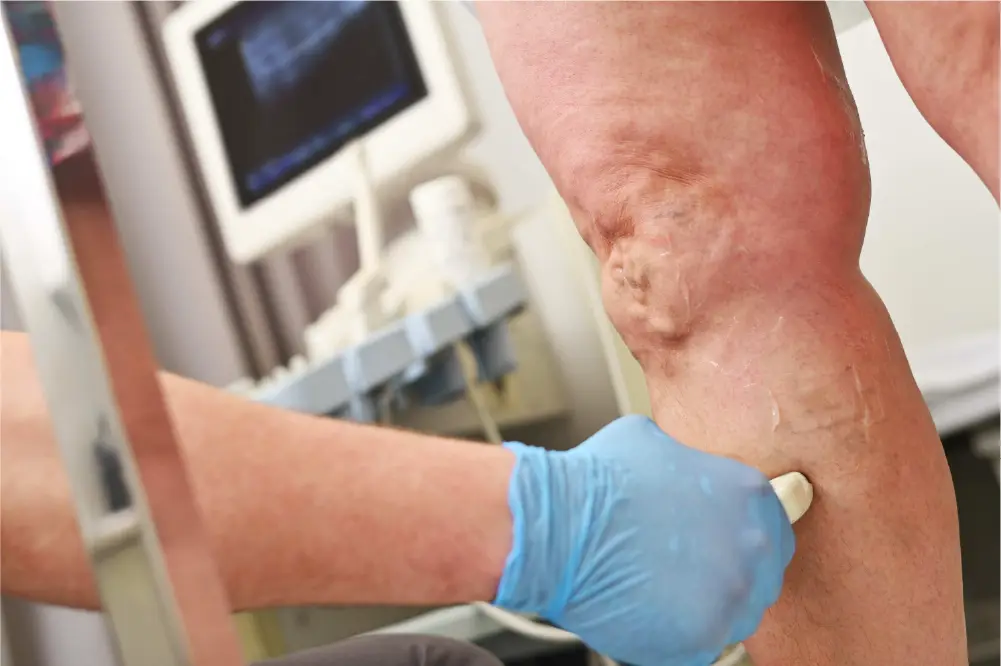
Diagnosing vein disease begins with a comprehensive evaluation by a vein specialist. Because many conditions can cause similar symptoms, an accurate diagnosis is essential to determine the underlying cause and recommend the most effective treatment.
Your evaluation typically includes:
Medical History
Your provider will discuss your symptoms, medical history, family history, lifestyle, and any factors that may increase your risk for vein disease, such as prolonged standing, pregnancy, or previous blood clots.
Physical Examination
A physical exam allows your provider to evaluate visible signs of vein disease, including varicose veins, spider veins, leg swelling, skin discoloration, and other changes that may indicate poor circulation.
Ecografía dúplex
A duplex ultrasound is the gold standard for diagnosing vein disease. This painless, non-invasive imaging test uses sound waves to evaluate blood flow, assess the health of your veins, and identify venous reflux, also known as chronic venous insufficiency. The results help your provider determine the source of your symptoms and develop a personalized treatment plan.
If vein disease is causing your symptoms, many patients are candidates for minimally invasive treatments that can improve circulation, relieve discomfort, and help prevent the condition from progressing.
Treatment Options for Vein Disease Symptoms
The right treatment for vein disease depends on the underlying cause, the severity of your symptoms, and your overall health. After diagnosing your condition, your vein specialist will recommend a personalized treatment plan designed to improve circulation, relieve symptoms, and help prevent the disease from progressing.
Conservative Treatment
For some patients, early symptoms can be managed with conservative measures such as compression stockings, regular exercise, elevating the legs, maintaining a healthy weight, and avoiding prolonged sitting or standing. While these approaches may help relieve symptoms, they do not correct damaged vein valves.
Minimally Invasive Vein Treatments
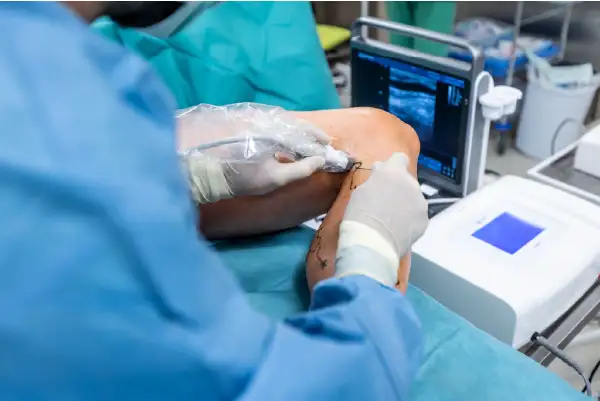
Many patients are candidates for minimally invasive outpatient procedures that close or remove damaged veins, allowing blood to reroute through healthier veins. These treatments typically require little downtime and can provide long-lasting symptom relief.
Treatment options may include:
- VenaSeal™ – Uses a medical adhesive to close diseased veins without heat or tumescent anesthesia.
- Radiofrequency Ablation (RFA) – Uses controlled heat to seal damaged veins and restore healthy blood flow.
- Varithena® – An injectable microfoam treatment used to close certain varicose veins.
- Sclerotherapy – Uses a specialized solution to treat spider veins and smaller varicose veins.
- Microphlebectomy – Removes bulging varicose veins through tiny incisions with minimal scarring.
Your vein specialist will build a personalized treatment plan that is best suited to your condition, symptoms, and ultrasound findings.
When Should You See a Vein Specialist?
Many people live with the symptoms of vein disease for years, assuming they’re a normal part of aging or an active lifestyle. However, persistent leg symptoms are not something you have to live with. Seeking evaluation early can help identify the cause of your symptoms and prevent the condition from progressing.
You should consider scheduling an appointment with a vein specialist if you experience:
- Leg swelling that occurs regularly or worsens throughout the day
- Aching, heaviness, or fatigue in your legs
- Leg pain, cramping, burning, or itching that doesn’t improve
- Visible varicose veins or spider veins that are painful or worsening
- Skin discoloration, hardening, or changes around your ankles or lower legs
- Slow-healing sores or ulcers on your legs
- Symptoms that interfere with your daily activities or quality of life
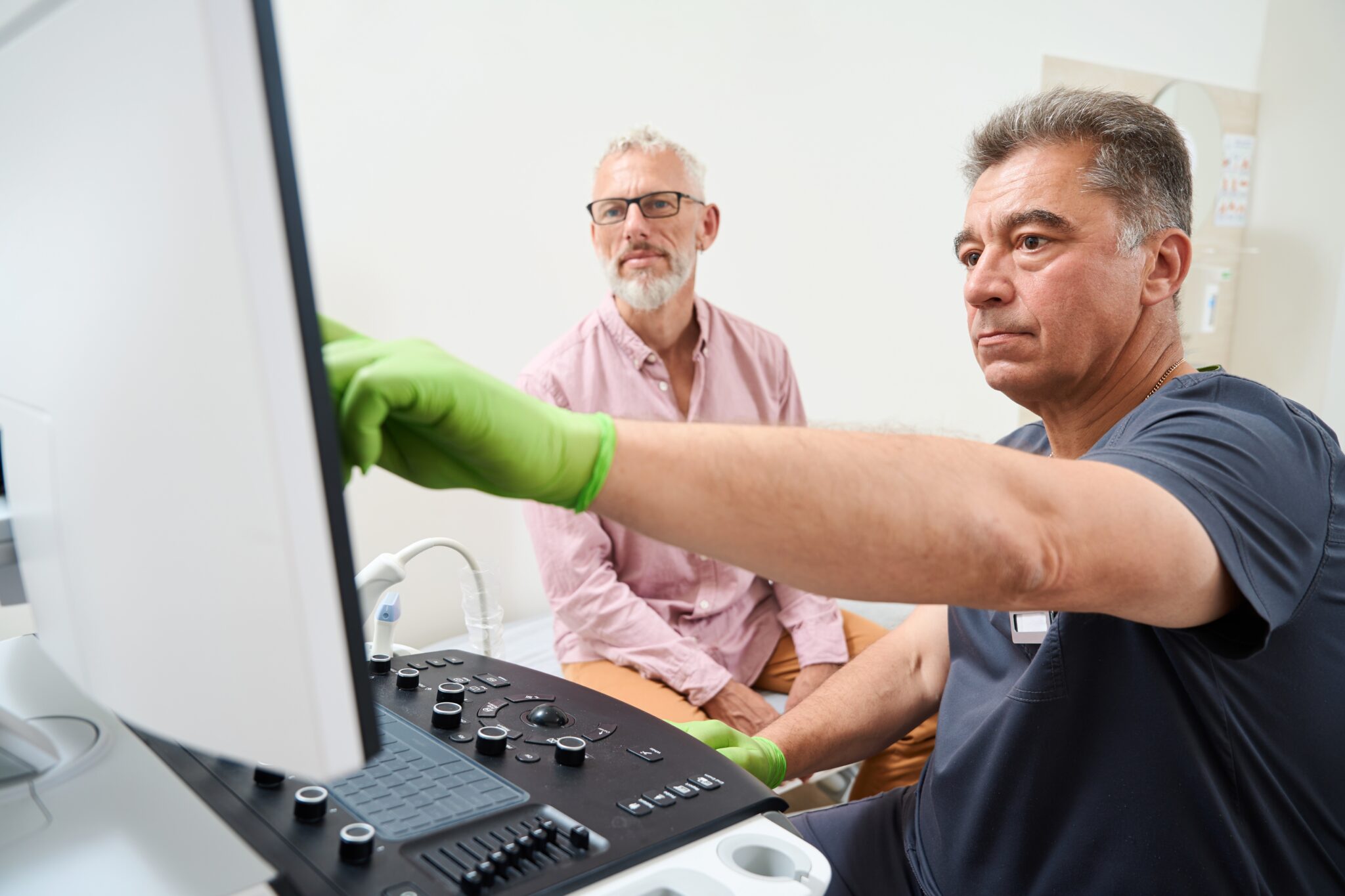
A vein specialist will perform a comprehensive screening, and a duplex ultrasound will follow if needed, to determine whether vein disease is causing your symptoms and recommend the most appropriate treatment. Many vein conditions can be treated with minimally invasive outpatient procedures that require little downtime and can provide lasting symptom relief.
If you’re experiencing symptoms of vein disease, don’t wait for them to become more severe. Early diagnosis and treatment can help improve circulation, relieve discomfort, and protect your long-term vein health.
Preguntas frecuentes
The early signs of vein disease often include aching or heavy legs, mild swelling in the feet or ankles, leg fatigue, nighttime leg cramps, and visible spider or varicose veins. These symptoms may come and go at first but often become more noticeable over time if the underlying vein disease is not treated.
Vein disease is typically a progressive condition, meaning it does not go away on its own. While elevating your legs, exercising, or wearing compression stockings may temporarily relieve symptoms, these steps do not fix damaged vein valves. Without treatment, symptoms often become more frequent or painful over time.
Yes, vein disease symptoms often become more noticeable later in the day or at night. Spending long periods sitting or standing allows blood to pool in the leg veins, increasing pressure and contributing to symptoms such as aching, heaviness, swelling, burning, and leg cramps. Many people also notice that discomfort is more pronounced when they’re relaxing in the evening after a full day of activity.
Elevating your legs and staying physically active may provide temporary relief, but persistent or worsening symptoms should be evaluated by a vein specialist. If vein disease is the underlying cause, minimally invasive vein treatments can improve circulation and provide lasting symptom relief.
Yes. Vein disease can cause aching, throbbing, cramping, or a feeling of heaviness in the legs. The pain often becomes worse after standing or sitting for long periods and may improve with walking or elevating your legs.
Yes, vein disease can cause swelling in just one leg, particularly if the affected veins are only present in that leg. Swelling caused by chronic venous insufficiency often develops gradually and may worsen throughout the day, especially after prolonged standing or sitting. Some people may also experience aching, heaviness, varicose veins, or skin changes in the affected leg.
However, sudden or significant swelling in only one leg should never be ignored. It may be a sign of a more serious condition, such as a deep vein thrombosis (DVT), which requires immediate medical evaluation. If you develop sudden one-sided leg swelling, especially if it is accompanied by pain, redness, warmth, chest pain, or shortness of breath, seek emergency medical care right away.
If you’ve noticed persistent swelling in one or both legs, a United Vein & Vascular Centers vein specialist can perform a comprehensive screening to determine the underlying cause and recommend the most appropriate treatment.
Without treatment, vein disease may gradually worsen over time. Symptoms can become more severe and may lead to chronic swelling, skin discoloration, painful varicose veins, venous leg ulcers, or other complications. Early diagnosis and treatment can help prevent progression and improve your quality of life.
Ready to Find a Vein Clinic Near You?
Si usted está experimentando cualquiera de estos síntomas, es hora de tomar medidas. Reserve una prueba de detección de venas gratis en United Vein & Vascular Centers hoy mismo y descubra cómo podemos ayudarle a sentirse lo mejor posible.