
Burning Legs
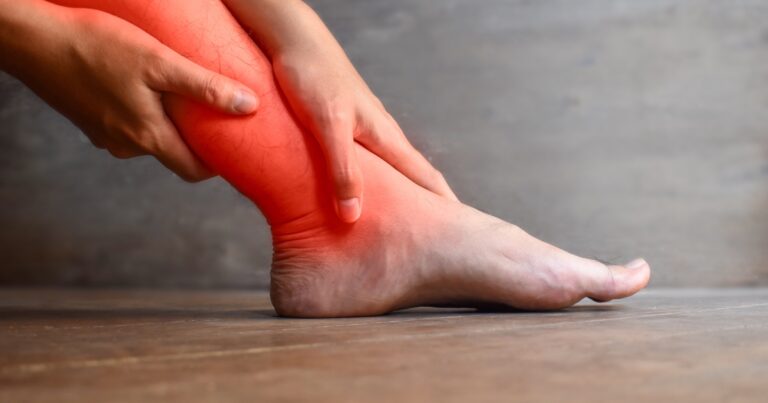
Burning legs may feel like heat, stinging, pins and needles, or deep discomfort affecting the thighs, calves, ankles, or feet. The sensation may remain constant, come and go, worsen after activity, or become more noticeable at night. When burning persists, regularly returns, limits walking, or occurs with swelling, numbness, weakness, skin changes, or visible veins, an evaluation can help identify whether a skin, nerve, circulation, or other health issue may be contributing.
Symptoms That May Occur Along with Burning Legs
- Tingling, numbness, or increased skin sensitivity
- Aching, throbbing, cramping, swelling, or heaviness
- Redness, discoloration, dryness, rash, or visible veins
Don’t ignore burning legs. Request a vein screening today and get expert answers about what’s causing your symptoms.
Solicitar una evaluación
What Causes Burning Legs?
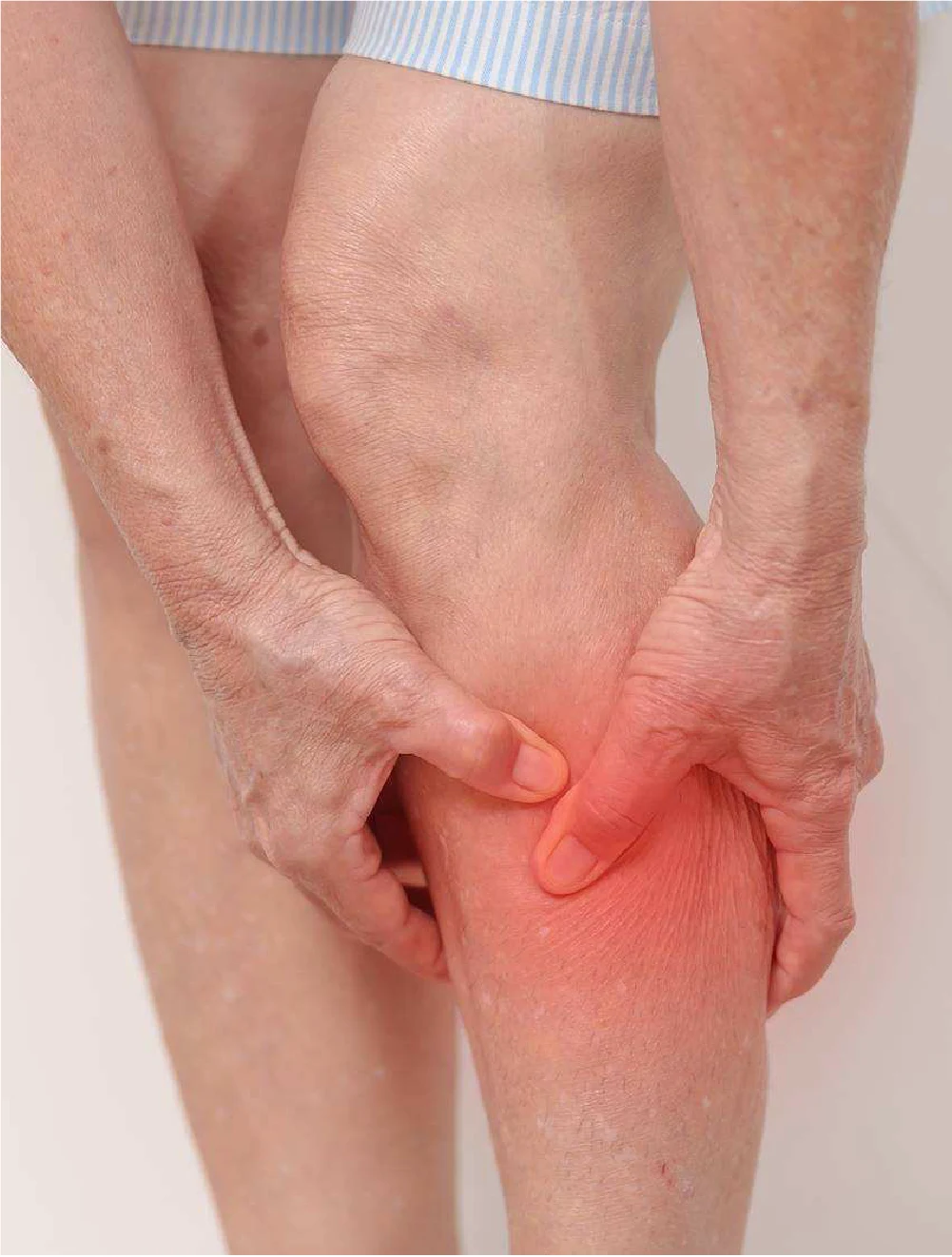
Burning legs can develop when the skin is irritated, nerves are damaged or compressed, muscles are overworked, or circulation is disrupted. The sensation may be associated with dermatitis, peripheral neuropathy, sciatica, infection, medication effects, or another health condition. When vein disease is contributing, increased pressure in the lower legs may occur with burning, swelling, aching, heaviness, skin discoloration, or visible veins. Burning that begins during walking and improves with rest may instead be related to reduced arterial blood flow.
Common causes include:
- Dry skin
- Eczema
- Contact dermatitis
- Skin infections
- Muscle strain or overuse
- Peripheral neuropathy
- Diabetes-related nerve damage
- Sciatica or other nerve compression
- Shingles
- Certain medications
- Varices
- Chronic venous insufficiency or venous reflux
- Venous stasis dermatitis
- Peripheral artery disease (PAD)
A vein screening can help identify the source of the burning and determine whether vein care or another type of medical care may be appropriate.

When Should You Seek Care for Burning Legs?
Schedule a medical evaluation if burning sensations in your legs:
- Persist for several days or occur frequently
- Gradually worsen over time
- Interfere with walking, exercise, sleep, or daily activities
- Are accompanied by leg swelling, heaviness, cramping, aching, or visible varicose veins
- Occur with numbness, tingling, or changes in skin color or temperature
- Develop without an obvious cause or do not improve with self-care measures
Because burning sensations can result from circulation problems, nerve conditions, injuries, or other underlying health issues, a medical evaluation can help identify the cause and determine whether treatment is needed.
Seek Urgent or Emergency Care If You Experience:
- Sudden severe burning or pain along with a cold, pale, numb, weak, or difficult-to-move foot or leg
- Rapidly spreading redness, warmth, swelling, severe tenderness, drainage, or fever
- Burning sensations accompanied by widespread hives, blistering or peeling skin, swelling of the face, lips, or tongue, difficulty breathing, or throat tightness
How Is the Cause of Burning Legs Diagnosed?
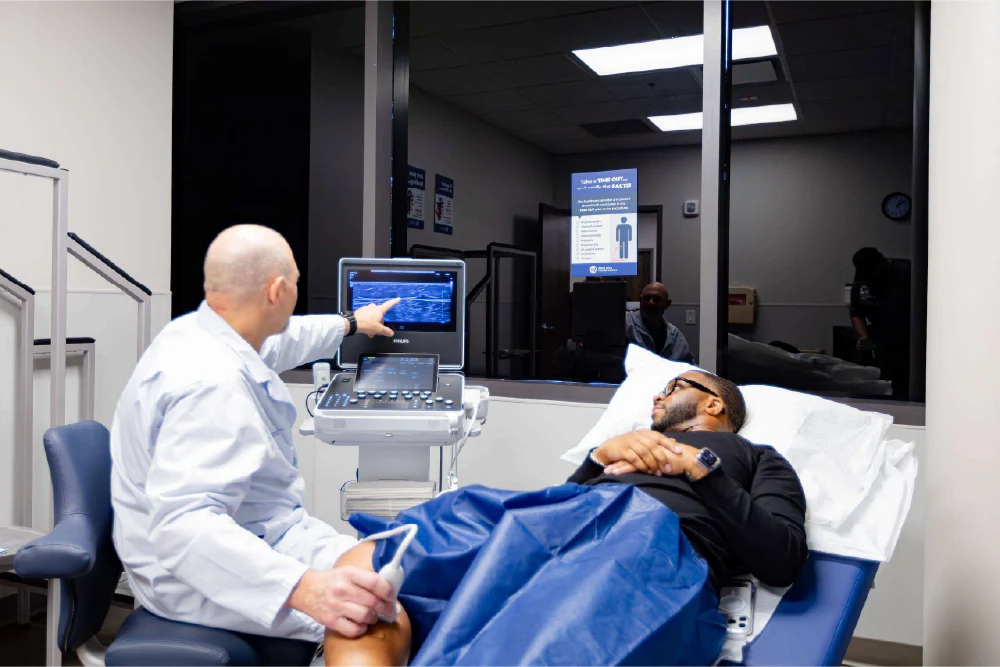
Diagnosing burning legs begins with identifying where the sensation occurs, when it starts, and what other symptoms accompany it. A provider may ask whether the burning affects the skin or feels deeper, occurs in one or both legs, worsens with activity or prolonged standing, and improves with rest or elevation. The examination may assess the skin, sensation, muscle strength, swelling, temperature, pulses, and visible veins. Testing depends on whether the pattern points toward a skin, nerve, vein, artery, or other medical cause.
Evaluation may include:
- A review of symptoms, medical history, medications, activity patterns, and existing nerve or circulation conditions
- A physical examination of the skin, sensation, strength, temperature, pulses, swelling, and visible veins
- Duplex ultrasound when a vein-related cause is suspected, with bloodwork, nerve testing, skin evaluation, or arterial testing when appropriate
The findings can help determine whether vein care or another type of medical evaluation is needed.
What Doctors May Evaluate for Burning Legs
Skin and Nerve Clues
Rashes, dryness, redness, tenderness, or sensitivity may point toward a skin condition. Numbness, tingling, reduced sensation, muscle weakness, or burning that follows a nerve path may lead to additional evaluation for neuropathy or nerve compression.
Circulation Clues
Swelling, heaviness, visible veins, ankle discoloration, or symptoms that worsen after prolonged standing may suggest a vein-related cause. A cold or pale foot, weak pulses, slow-healing wounds, or burning during walking may point toward an arterial circulation problem.
Treatment Options for Burning Legs Due to Poor Circulation
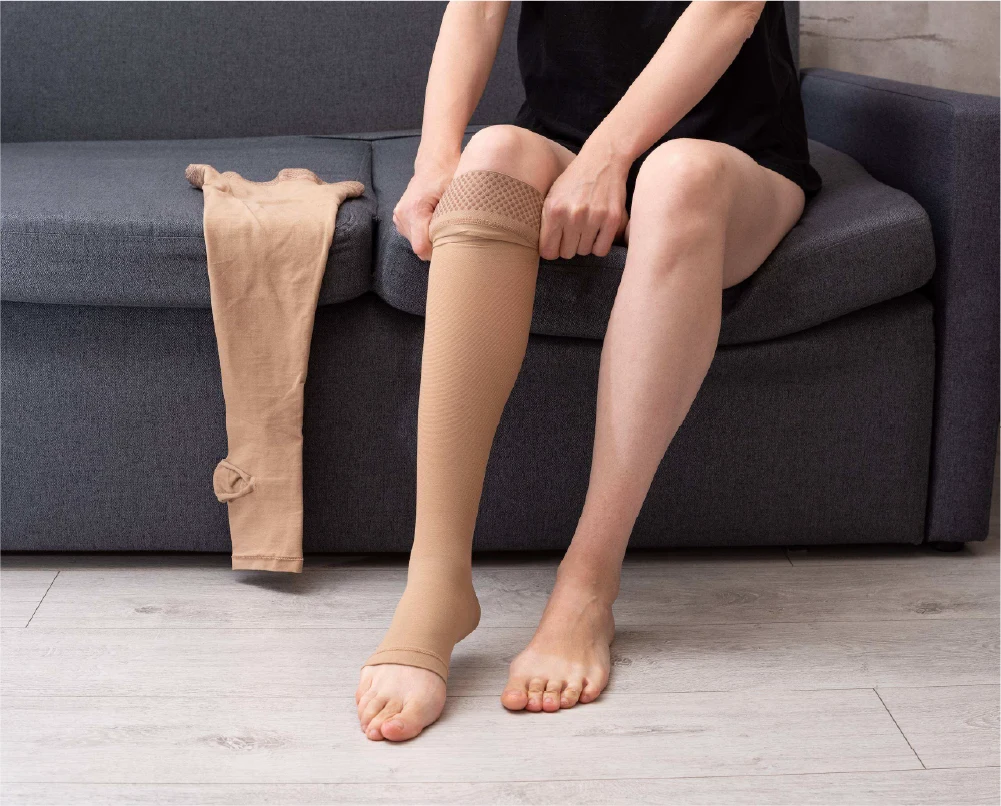
Treatment for burning legs depends on the underlying cause. Skin conditions, infections, or nerve-related problems may require care from a primary care provider, dermatologist, neurologist, or another appropriate specialist. When vein disease is contributing, recommendations are individualized based on symptoms, medical history, ultrasound findings, vein anatomy, and skin changes. A vein care plan may include compression therapy, lifestyle recommendations, or minimally invasive vein treatments.
Treatment options may include:
- Compression therapy: Properly fitted compression stockings may help manage vein-related symptoms while supporting circulation.
- Lifestyle recommendations: Walking, leg elevation, and regular breaks from prolonged sitting or standing may help reduce pressure in the lower legs.
- Radiofrequency ablation (RFA): Uses controlled heat to close an affected vein so blood can reroute through healthier veins nearby.
- VenaSeal™: Uses a medical adhesive to close an affected vein without heat.
- Varithena®: Uses an injectable microfoam to close certain affected veins that are not circulating blood properly.
- Ultrasound-guided sclerotherapy: Uses ultrasound imaging to guide a medical solution or foam into an affected vein, causing it to close.
For patients whose burning leg symptoms are related to vein disease, minimally invasive treatment may help address the underlying venous problem. Read testimonials from United Vein & Vascular Centers patients who experienced burning legs and learn more about their treatment experiences.
Artículos relacionados