


Contenido
- Q: What causes a burning sensation in the legs?
- Q: Why do my lower legs and feet feel hot or burning?
- Q: Can poor circulation cause a burning sensation in the legs?
- Q: Why do my legs burn after standing for a long time?
- Q: Why do my legs burn at night or when I lie down?
- Q: How can you tell whether burning legs are related to veins, arteries, or nerves?
- Q: When should I worry about burning legs?
- Q: How is the cause of burning legs diagnosed?
- Q: How can you treat a burning sensation in the legs?
- Q: How can UVVC help when vein disease is causing burning legs?
- Preguntas frecuentes
- Don’t Ignore Burning Legs
Welcome back to Ask the Doc, an educational series from United Vein & Vascular Centers where our physicians help patients make sense of symptoms that can be noticeable, uncomfortable, and sometimes difficult to describe. By looking beyond the symptom itself, each installment explores the patterns that may help identify its source and determine when further evaluation is appropriate.
In this installment, Dr. Kevin Fradkin explains what can cause burning legs, how vein-related burning differs from nerve and arterial symptoms, and when the sensation should be evaluated.
The short answer: Burning legs are not always a reason for alarm, but persistent, worsening, or unexplained burning should not be ignored. Possible causes include nerve irritation, peripheral neuropathy, skin inflammation, muscle strain, medications, and circulation problems. When burning develops after prolonged standing and occurs with aching, heaviness, swelling, visible veins, or ankle discoloration, chronic venous insufficiency may be contributing. Burning that begins during walking, affects the feet at rest, or occurs with coldness, numbness, weakness, or wounds may require evaluation for an arterial or neurological condition.
Q: What causes a burning sensation in the legs?
Dr. Fradkin:
Burning legs are a symptom rather than a diagnosis. The sensation may originate in the skin, muscles, nerves, veins, arteries, or surrounding tissue. Some causes are temporary, while others require medical evaluation.
Possible causes include:
- Muscle fatigue, overuse, or strain
- Dry skin, eczema, contact dermatitis, or another skin condition
- Peripheral neuropathy or other forms of nerve damage
- Nerve compression involving the lower back, hips, or legs
- Chronic venous insufficiency or venous reflux
- Varicose veins and inflammation around affected veins
- Peripheral artery disease
- Restless legs syndrome
- Medication side effects
- Diabetes, vitamin deficiencies, thyroid disorders, or other metabolic conditions
- Shingles or another condition affecting the skin and nerves
The location and timing of the burning can help narrow the possibilities. A surface-level sensation with redness or a rash suggests a different cause than burning that travels from the back into one leg. Likewise, burning that worsens after standing follows a different pattern from discomfort that consistently begins after walking a certain distance.

Q: Why do my lower legs and feet feel hot or burning?
Dr. Fradkin:
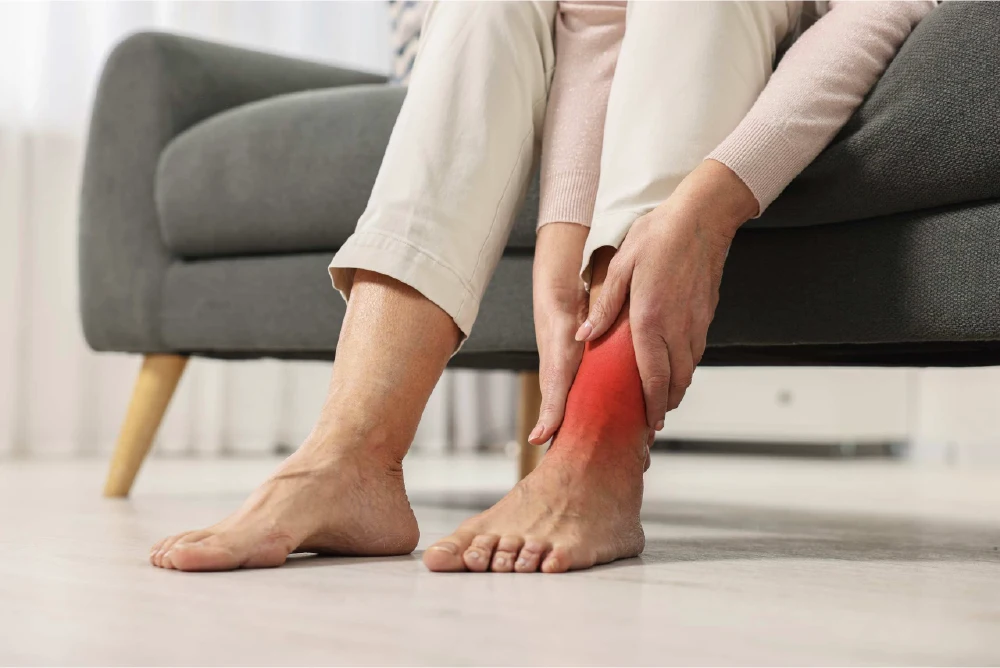
A leg or foot can feel hot even when the skin is not actually warmer. This often happens when sensory nerves send or process signals abnormally. The brain may interpret those signals as burning, heat, tingling, pins and needles, or electric pain.
Peripheral neuropathy commonly begins in the feet and may gradually move upward. Depending on the nerves affected, the burning may occur with numbness, sensitivity to touch, balance problems, or reduced awareness of temperature and injuries.
Circulation problems can also produce burning sensations. Venous insufficiency may contribute to burning around the lower legs or ankles as pressure and inflammation build in the tissue. Peripheral artery disease can cause burning, aching, or cramping when the working muscles are not receiving enough oxygen-rich blood.
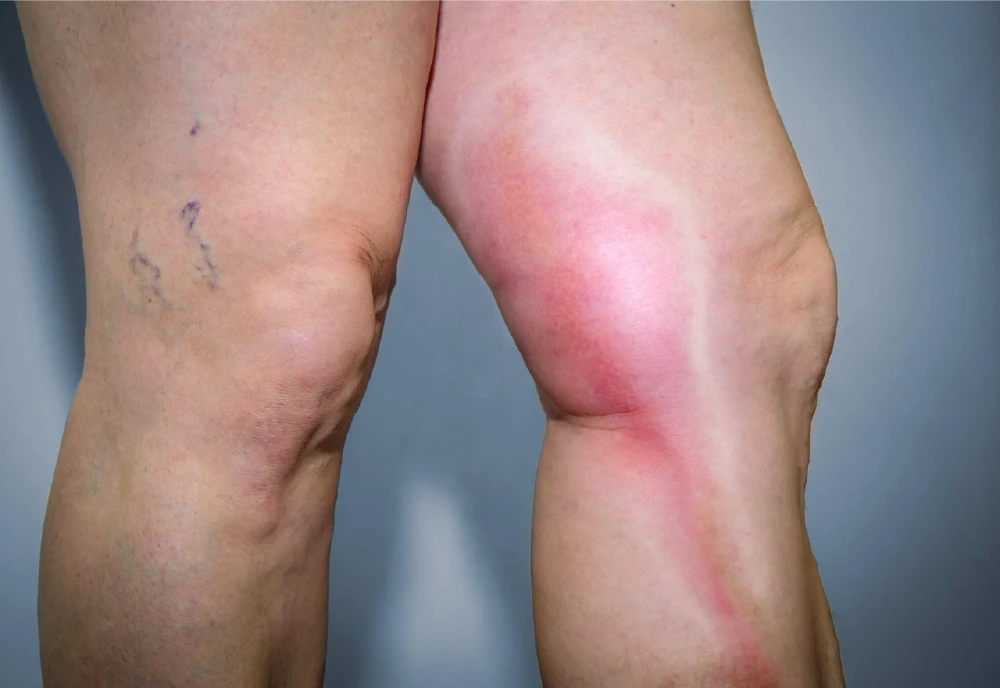
The distinction between feeling hot and being hot is important. A leg that is visibly red, swollen, tender, and warmer than the other leg may indicate inflammation, infection, a blood clot, or another condition requiring prompt medical attention.
Q: Can poor circulation cause a burning sensation in the legs?
Dr. Fradkin:
Yes, but “poor circulation” can refer to two different systems.
Veins carry blood from the legs back toward the heart. When vein valves become weakened or damaged, blood may flow backward and collect in the lower legs. The resulting pressure can contribute to heaviness, aching, swelling, itching, throbbing, cramping, and sometimes burning.
Arteries carry oxygen-rich blood from the heart into the legs. When the arteries become narrowed or blocked, the leg muscles may not receive enough blood during activity which may cause burning, aching, cramping, fatigue, or weakness while walking. These symptoms often improve after several minutes of rest and return with activity.
More advanced arterial disease may cause pain or burning in the feet while resting, particularly at night. This discomfort may become worse when the legs are elevated and improve when the feet are lowered toward the floor.
Because venous and arterial disease require different evaluations and treatments, it is important not to treat every circulation-related symptom as though it comes from the same problem.
Q: Why do my legs burn after standing for a long time?
Dr. Fradkin:
Burning that develops after prolonged standing may be related to pressure building inside the leg veins.
Healthy vein valves help prevent blood from flowing backward as it travels toward the heart. Standing still for an extended period places additional pressure on this system because the veins must move blood upward against gravity without as much assistance from the calf muscles.
When the valves are not working properly, blood can pool in the lower legs. Patients may notice burning along with:
- Aching or throbbing
- Pesadez o fatiga en las piernas
- Ankle or lower-leg swelling
- Tightness around the calves
- Itching or dry skin
- Varices
- Brownish discoloration near the ankles
- Symptoms that become worse later in the day
Walking may provide some relief because the calf muscles help push blood upward. Elevating the legs may also reduce pressure by allowing gravity to assist blood flow back toward the heart.
Burning after standing is not specific enough to diagnose vein disease, however. Footwear, muscle fatigue, joint problems, nerve compression, and skin irritation may produce similar discomfort.
Q: Why do my legs burn at night or when I lie down?
Dr. Fradkin:
Nighttime burning can have several possible explanations. Nerve-related symptoms are often more noticeable at night because the body is still and there are fewer competing sensations. Peripheral neuropathy may cause burning, tingling, numbness, or sensitivity that begins in the feet and becomes more noticeable in bed.
Restless leg syndrome may also cause burning or other uncomfortable sensations, but it typically includes a strong urge to move the legs. Symptoms begin or worsen during rest, become more noticeable in the evening or at night, and temporarily improve with movement.
The position of the body can provide another clue. Venous symptoms often improve when the legs are elevated because elevation reduces pressure in the lower-leg veins. In contrast, severe arterial disease may cause pain or burning in the feet that worsens when the legs are raised or when a person lies flat.
Some patients with venous insufficiency still notice aching, cramping, restlessness, or burning at night after pressure has accumulated throughout the day. For that reason, the nighttime timing alone cannot identify the source.
Q: How can you tell whether burning legs are related to veins, arteries, or nerves?
Dr. Fradkin:
No single sensation can reliably identify the affected system, but the trigger, location, accompanying symptoms, and source of relief provide useful clues.
| Possible Source | Common Burning Pattern | Other Symptoms That May Occur | What May Provide Relief |
| Venous circulation | Builds after prolonged sitting or standing and may worsen later in the day | Heaviness, aching, swelling, visible veins, itching, ankle discoloration | Walking, changing position, elevation, or overnight rest |
| Arterial circulation | Begins after walking a predictable distance or affects the feet at rest in advanced disease | Cramping, fatigue, coldness, color changes, weak pulses, slow-healing wounds | Rest may relieve walking-related symptoms; lowering the feet may relieve ischemic rest pain |
| Nerves | Burning, tingling, electric pain, pins and needles, or hypersensitivity | Numbness, weakness, reduced sensation, balance changes, back pain | Depends on the affected nerve and underlying cause |
| Skin or soft tissue | Feels closer to the surface and may affect a defined area | Rash, redness, scaling, swelling, tenderness, warmth, or irritation | Removing the irritant or treating the underlying skin condition |
These are general patterns rather than diagnostic rules. A patient may have more than one condition, such as diabetes-related neuropathy and venous insufficiency, at the same time.
Q: When should I worry about burning legs?
Dr. Fradkin:
Occasional burning after unusual activity may improve with rest. A medical evaluation becomes more important when the sensation is persistent, worsening, recurring without a clear trigger, or interfering with walking, sleep, or daily activities.
Arrange an evaluation when burning:
- Continues for several days or repeatedly returns
- Becomes more intense or spreads
- Occurs with numbness, tingling, or weakness
- Begins after standing or walking and follows a consistent pattern
- Occurs with swelling, heaviness, visible veins, or skin changes
- Affects one leg differently from the other
- Is accompanied by a wound that is not healing
- Develops after a medication change
- Occurs in a patient with diabetes or known circulation problems
Seek prompt medical attention for new one-sided swelling, pain, tenderness, warmth, redness, or discoloration because these may be signs of deep vein thrombosis or another acute condition.
Call 911 for chest pain, sudden shortness of breath, fainting, coughing up blood, or other possible signs of a pulmonary embolism.
A pale, cold, numb, severely painful, or weak leg or foot may indicate a sudden loss of arterial blood flow and also requires emergency care.
Q: How is the cause of burning legs diagnosed?
Dr. Fradkin:
The evaluation begins with the symptom history. A provider may ask:
- Where does the burning begin?
- Does it affect one leg or both?
- Does it feel close to the skin or deeper within the leg?
- Does it begin after standing, walking, resting, or lying down?
- Is the skin actually warmer than the other leg?
- Does walking, resting, elevation, or lowering the feet help?
- Is the burning accompanied by swelling, heaviness, numbness, weakness, or skin changes?
- Are there visible veins, wounds, or areas of discoloration?
- Has the patient recently changed medications or activity levels?
- Does the patient have diabetes, back problems, neuropathy, or known circulation disease?
The physical examination may include comparing the legs, checking pulses and skin temperature, evaluating swelling and visible veins, and looking for weakness, altered sensation, tenderness, discoloration, or wounds.
When symptoms suggest chronic venous insufficiency, a duplex ultrasound may be recommended. This noninvasive test uses sound waves to evaluate blood flow and determine whether the vein valves are allowing blood to move backward.
An arterial evaluation may include comparing blood pressure in the ankle and arm through an ankle-brachial index or using other vascular imaging. Suspected nerve-related burning may require laboratory testing, a neurological examination, nerve studies, or evaluation of the back and spine.
If the pattern does not appear vein-related, the appropriate next step may involve a primary care provider, neurologist, dermatologist, endocrinologist, podiatrist, or another specialist.
Q: How can you treat a burning sensation in the legs?
Dr. Fradkin:
Treatment depends on the underlying cause. There is no single home remedy or medication that is appropriate for every type of burning leg sensation.
For mild or occasional symptoms, a healthcare provider may recommend:
- Changing position regularly instead of sitting or standing still for long periods
- Taking short walks when movement is safe and comfortable
- Gradually increasing activity rather than making sudden changes
- Elevating the legs when swelling or venous pressure is suspected
- Wearing supportive footwear
- Avoiding clothing that presses tightly against irritated nerves or skin
- Using gentle skin care when dryness or irritation is present
- Reviewing medications and supplements with the prescribing provider
- Managing diabetes and other underlying medical conditions
- Using compression only when it has been recommended and properly fitted
Compression stockings may help manage burning, aching, heaviness, or swelling associated with venous insufficiency. They are not appropriate for everyone, particularly patients with reduced arterial blood flow or certain other medical conditions. Compression also does not repair weakened vein valves.
Persistent burning should not be repeatedly treated at home without identifying its source. A method that helps venous pressure may not address peripheral neuropathy, while elevating the legs may worsen symptoms caused by severe arterial disease.
Q: How can UVVC help when vein disease is causing burning legs?
Dr. Fradkin:
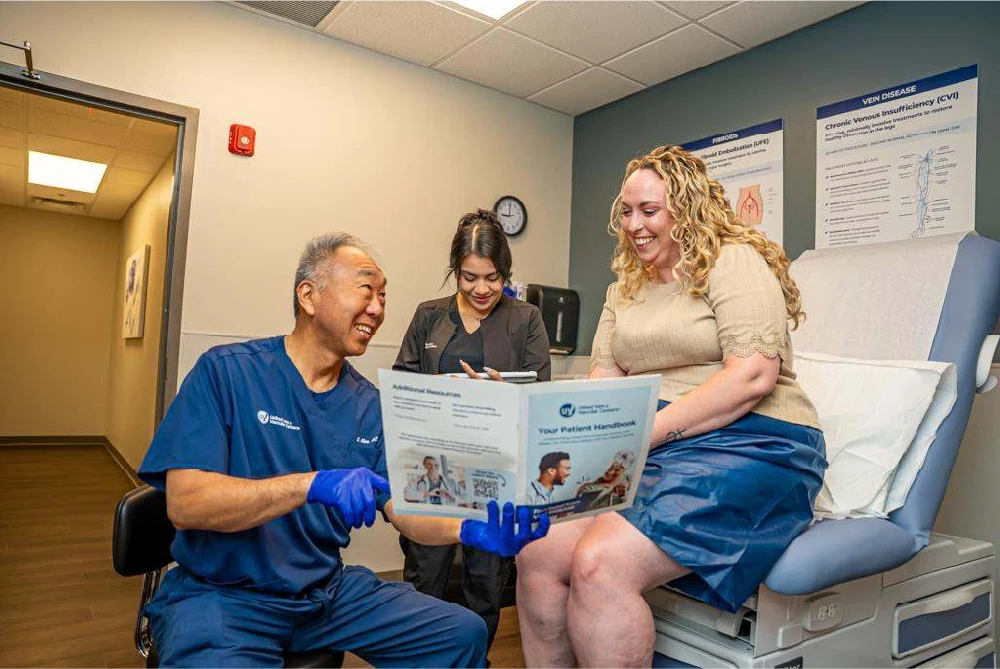
United Vein & Vascular Centers begins by evaluating the full symptom pattern rather than assuming that every burning sensation comes from the veins.
During a vein screening, the care team may review when the burning begins, what makes it better or worse, whether one or both legs are affected, and which other symptoms are present. Swelling, heaviness, visible veins, skin changes, previous blood clots, family history, medications, and relevant health conditions may also be considered.
If the findings suggest chronic venous insufficiency, a diagnostic duplex ultrasound may be scheduled. The test allows the care team to identify affected veins, examine blood flow, and determine whether venous reflux corresponds with the patient’s symptoms.
When venous reflux is confirmed and treatment is clinically appropriate, recommendations may include movement, elevation, compression, skin care, or a minimally invasive vein procedure. Depending on the veins involved and the ultrasound findings, treatment options may include:
- Radiofrequency ablation (RFA): A thin catheter delivers controlled thermal energy inside an affected vein, causing it to close. Blood then reroutes through healthier veins nearby.
- VenaSeal™: A small amount of medical adhesive is placed inside a malfunctioning vein to seal it without thermal energy. Blood is redirected through veins that are functioning properly.
- Varithena®: An injectable microfoam fills and closes certain diseased veins, allowing blood to move through healthier pathways.
- Ultrasound-guided sclerotherapy: Ultrasound imaging helps the physician locate an affected vein beneath the skin and guide an injectable solution or foam into it. The treated vein closes and is gradually absorbed by the body.
Treatment recommendations depend on the patient’s symptoms, medical history, anatomy, ultrasound findings, and individual needs. Treating confirmed venous reflux may reduce related burning, aching, swelling, or heaviness, but results vary. Burning caused by nerves, arteries, skin conditions, or another source requires different care.
Preguntas frecuentes
Yes. Varicose veins may cause burning, aching, throbbing, itching, heaviness, or tenderness around an affected area. These symptoms may become worse after prolonged sitting or standing. Burning near a visible vein should still be evaluated because other conditions can produce similar discomfort.
A false sensation of heat commonly occurs when sensory nerves send abnormal signals. Peripheral neuropathy, nerve compression, or another neurological condition may cause burning or heat without changing the skin’s actual temperature. Venous pressure and inflammation may also contribute to burning in the lower legs.
Occasional burning may follow muscle fatigue or an unusually active day, but recurring nighttime burning should not automatically be considered normal. Neuropathy, restless legs syndrome, medication effects, arterial disease, and venous insufficiency are among the possible causes. Evaluation is particularly important when the burning disrupts sleep or occurs with numbness, weakness, swelling, skin changes, or foot wounds.
Elevation may help when burning is associated with venous pressure or swelling because it assists blood and fluid movement out of the lower legs. It may not help nerve-related burning and can worsen pain caused by severe arterial disease. The way symptoms respond to elevation is useful information to share with a provider.
A blood clot cannot be identified by burning alone. Deep vein thrombosis more commonly causes new swelling, pain or tenderness, warmth, redness, or discoloration in one leg. Prompt medical evaluation is needed when these symptoms appear. Call 911 if they occur with chest pain, shortness of breath, fainting, or coughing up blood.
Don’t Ignore Burning Legs
A burning sensation may come from overworked muscles, irritated skin, compressed nerves, or another temporary cause. When it keeps returning, follows a recognizable pattern, or occurs with other leg changes, identifying the source becomes more important than simply masking the discomfort.
If burning becomes worse after prolonged sitting or standing and occurs with aching, heaviness, swelling, visible veins, or ankle discoloration, request a vein screening at United Vein & Vascular Centers. Our care team can determine whether vein disease may be contributing and explain the appropriate next step.
Patients whose burning begins while walking and improves with rest, affects the feet while lying down, or occurs with coldness, color changes, numbness, or slow-healing wounds may need a vascular consultation to evaluate arterial blood flow.
Medically reviewed by Dr. Domenic Zambuto, National Medical Director at United Vein & Vascular Centers. Board-certified in vascular and interventional radiology, Dr. Zambuto has more than 20 years of experience treating vascular disease and helping patients manage complex vein and circulatory conditions.