
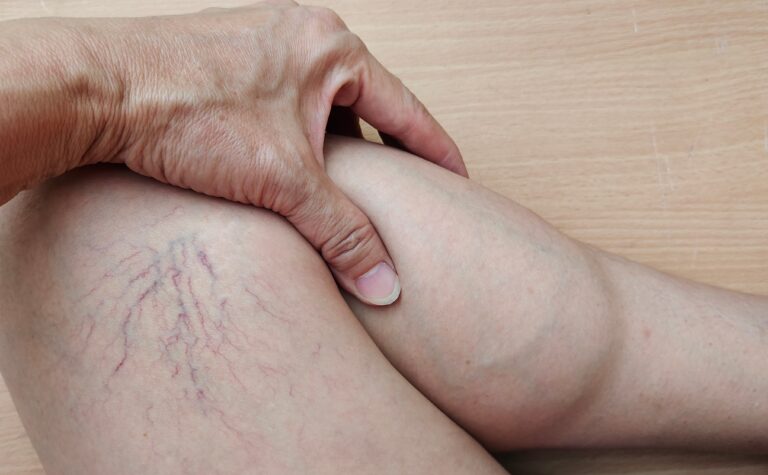
Reticular Veins: Causes, Symptoms, & Treatments
What are Reticular Veins?
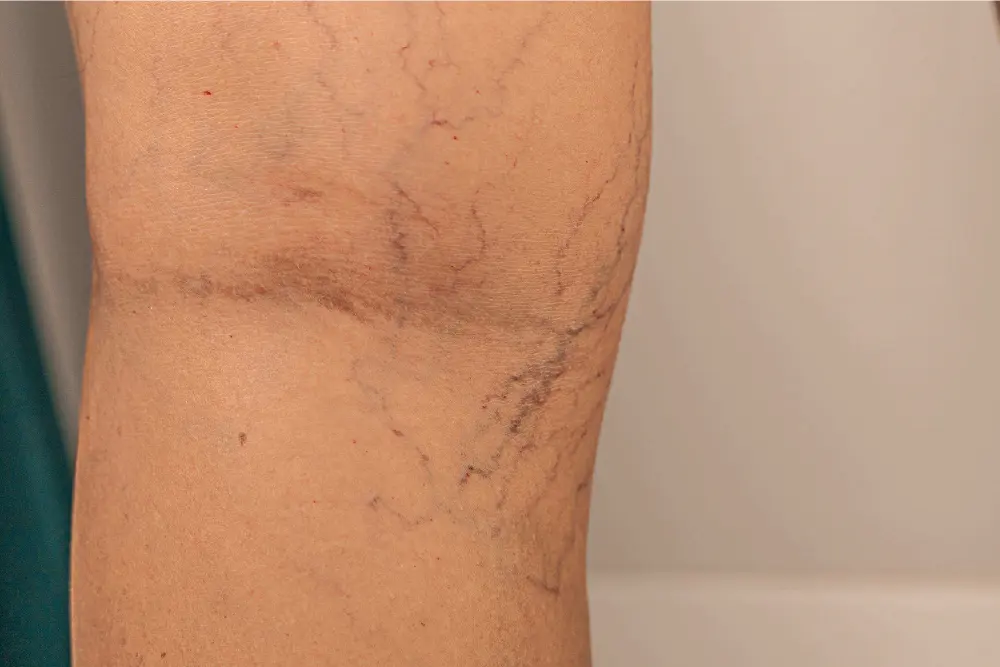
Reticular veins are enlarged veins that sit beneath the skin’s surface. They are typically larger than spider veins but smaller than varicose veins. These veins often appear as flat or slightly raised blue-green lines, usually on the legs, ankles, thighs, or behind the knees.
Reticular veins may develop on their own, or they may appear near spider veins or varicose veins. In some cases, reticular veins act as “feeder veins”, meaning they supply pressure to a cluster of smaller spider veins nearby. This is why a spider vein cluster can sometimes return after treatment if the feeder vein behind it isn’t treated first, closing the reticular vein at the source often makes treatment of the spider veins it feeds more durable.
Varicose veins, for example, are associated with high pressure inside the leg veins when valves are damaged or not working properly. Reticular veins can be an early visible sign of that same pressure building beneath the surface, and the only way to know for sure what’s happening with your veins is a proper evaluation.
Request a Vein Screening
What Causes Reticular Veins?
Reticular veins can develop when small veins weaken, stretch, or become more visible beneath the skin. This may happen when vein valves do not move blood upward as effectively as they should. When blood does not flow efficiently, pressure can build inside the vein, causing it to enlarge or become more noticeable.
Common factors that may contribute to reticular veins include:
- Antecedentes familiares de enfermedades venosas
- Permanecer mucho tiempo sentado o de pie
- Envejecimiento
- Cambios hormonales
- Embarazo
- Weight changes
- Reducción de la actividad física
- A history of varicose veins or spider veins
Because vein disease can progress over time, reticular veins should not always be dismissed as only cosmetic, especially when they appear with leg discomfort, heaviness, swelling, or fatigue.
Reticular Veins vs. Varicose Veins
Reticular Veins
Size: Medium, larger than spider veins, but smaller than varicose veins
Color: Blue or green
Appearance: Flat or slightly raised lines
Common Symptoms: Often none, possible ache or itch, especially with periods of standing
Common Locations: Legs, ankles, thighs, behind the knees
Varices
Size: Large, often bulging
Color: Blue or dark purple
Appearance: Twisted, rope-like, bulging
Common Symptoms: Aching, heaviness, cramping, leg fatigue, swelling
Common Locations: Legs, especially calves and thighs
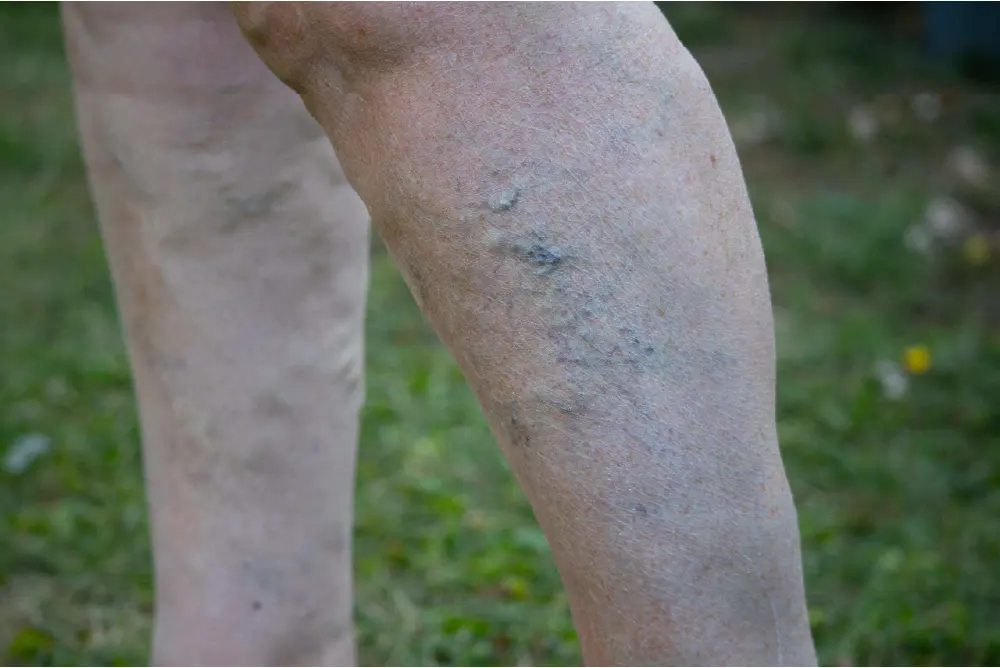
Symptoms That May Occur with Reticular Veins
Reticular veins may not always cause symptoms. However, some patients notice discomfort in the same area where visible veins appear.
Possible symptoms include:
- Aching or soreness in the legs
- Heaviness or tiredness
- Itching around visible veins
- Burning or tenderness
- Mild swelling
- Throbbing or cramping
- Restless or uncomfortable legs
- Worsening discomfort after long periods of sitting or standing
If these symptoms are becoming part of your daily routine, a vein screening can help identify whether an underlying circulation issue may be contributing.
Venas reticulares frente a arañas vasculares
Reticular Veins
Size: Medium, larger than spider veins, but smaller than varicose veins
Color: Blue or green
Appearance: Flat or slightly raised lines
Common Symptoms: Often none, possible ache or itch, especially with periods of standing
Common Locations: Legs, ankles, thighs, behind the knees
Arañas vasculares
Size: Very small, similar to “spider” webs
Color: Red, blue, or purple
Appearance: Fine lines, branches, webs
Common Symptoms: Usually none, possible burning or itching
Common Locations: Thighs, calves, ankles, face
How Are Reticular Veins Treated?
Treatment depends on the size, location, symptoms, and underlying cause of the veins. At UVVC, treatment recommendations are based on a patient’s individual evaluation.
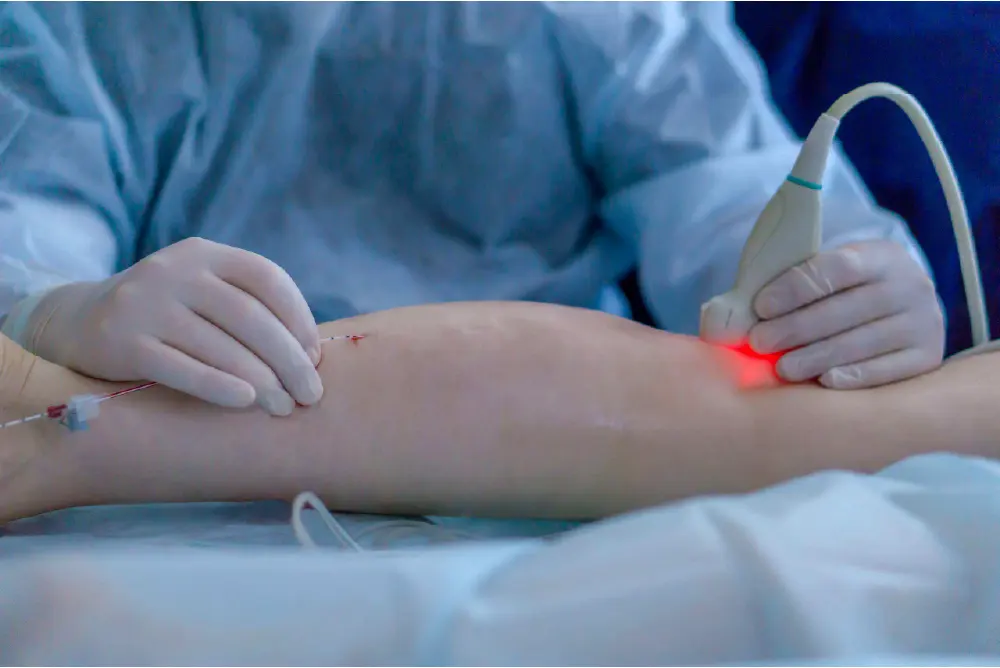
One common treatment option for reticular veins is ultrasound-guided sclerotherapy. This treatment combines ultrasound imaging with targeted injections to locate affected veins in real time and guide a medical solution, called a sclerosant, directly into the targeted vein. The solution causes the vein to collapse and close, allowing blood to reroute through healthier veins.
Depending on what is found during evaluation, other vein treatments may be recommended if larger varicose veins, venous reflux, or deeper affected veins are present.
Benefits of Treating Reticular Veins
For appropriate patients, reticular vein treatment may help:
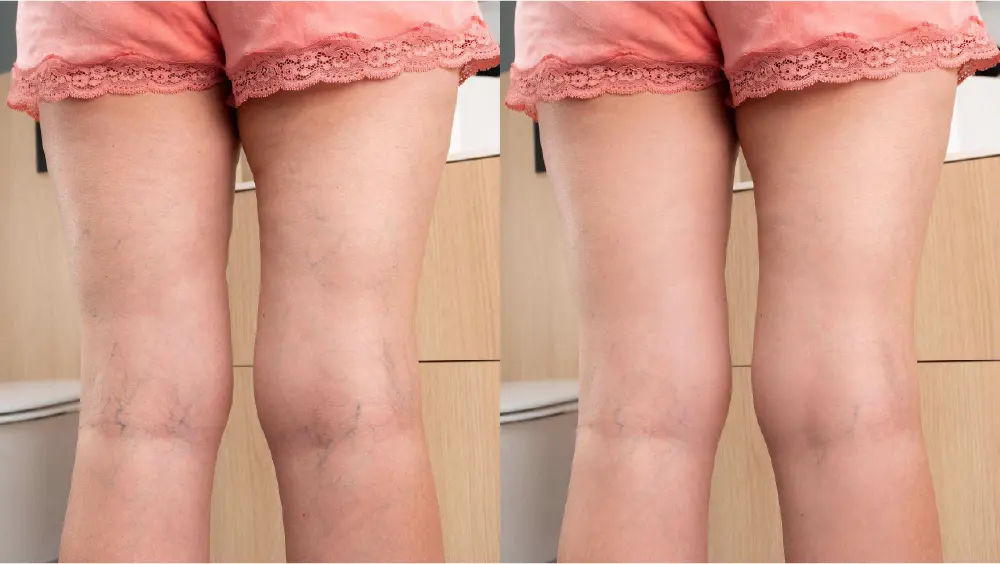
- Reduce the appearance of visible blue or green veins
- Address uncomfortable symptoms related to affected veins
- Improve confidence in the appearance of the legs
- Support healthier blood flow by closing problematic veins
- Identify and address underlying vein concerns when present
Results vary depending on the individual, the veins being treated, and whether there are deeper vein issues contributing to symptoms.
Are Reticular Veins a Sign of Vein Disease?
Reticular veins are not always a sign of serious vein disease. However, they can sometimes be associated with venous insufficiency, spider veins, or varicose veins.
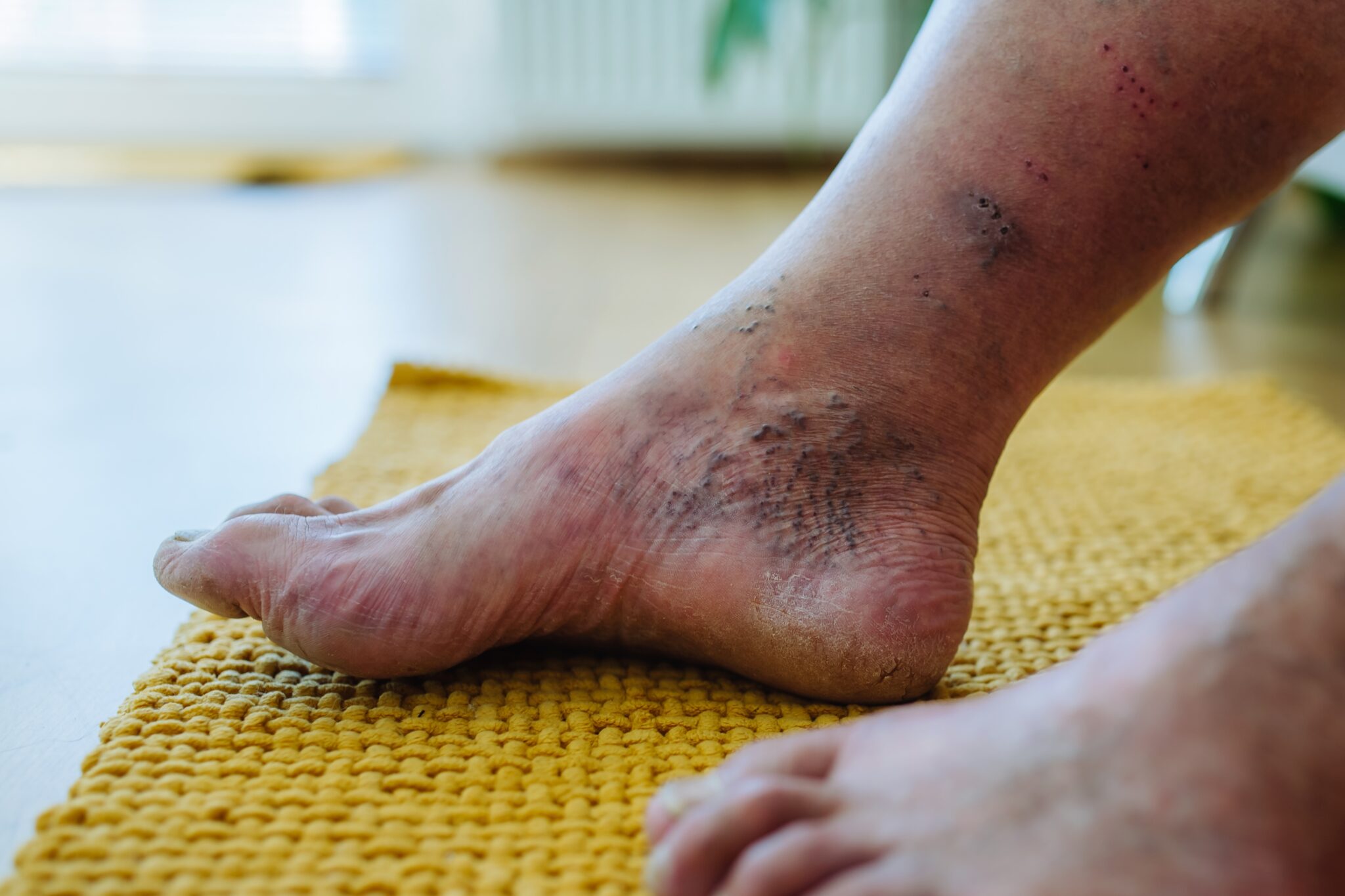
Chronic venous insufficiency occurs when the veins in the legs have difficulty moving blood back toward the heart. Over time, this can lead to blood pooling, increased pressure in the veins, and symptoms such as swelling, visible veins, skin changes, and leg discomfort.
Because the appearance of visible veins alone does not always show what is happening beneath the surface, a professional evaluation may be recommended if reticular veins are painful, spreading, or accompanied by other symptoms.
What to Expect During a Vein Screening
A vein screening is an opportunity to better understand your symptoms and visible veins. During your visit, a provider may review your medical history, discuss your symptoms, and perform a physical assessment of the affected areas.
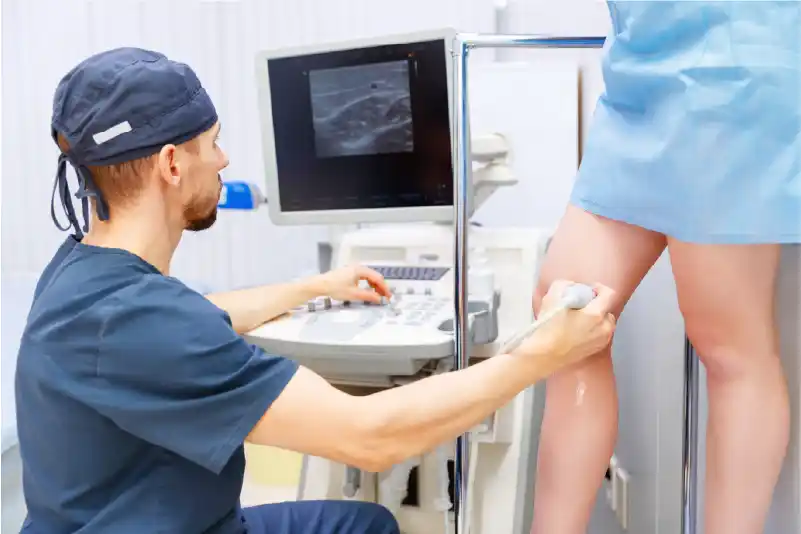
If signs of vein disease are present, your provider may recommend a diagnostic ultrasound to evaluate blood flow and check for venous reflux. This helps identify whether the visible veins are connected to a larger circulation issue beneath the surface.
From there, your care team can explain your options and help determine whether treatment may be right for you.
Preguntas frecuentes
Reticular veins can cause leg pain sometimes, but most people have no symptoms. However, even with no symptoms, reticular veins can still be a sign of underlying vein disease.
They can be both, but many people first seek help to reduce the appearance of them without realizing that there may be a deeper issue causing the reticular veins in the first place. A vein specialist will be able to determine if there is an underlying cause or if they are just cosmetic.
Pregnancy is one of the most common causes of reticular veins in women due to the increased hormones, blood flow, and added pressure.
While exercise is one of the best things you can do for your circulation overall, it does not make existing visible veins go away.
You should see a vein specialist if you have any leg heaviness, burning, itching, pain, swelling, changes in skin color, or new visible veins pop up.
Artículos relacionados