Compression Therapy
Gentle pressure. Better circulation.
Compression therapy uses medically graded pressure to support your veins and lymphatic system, helping blood flow back to the heart and reduce swelling, aching, and fatigue in the legs. It’s a simple, non-invasive way to relieve symptoms temporarily, and it’s often an important part of a comprehensive vascular treatment plan at United Vein & Vascular Centers.
Request a Consultation
Why Compression Therapy?
- Relieves symptoms: reduces leg swelling, heaviness, cramping, and fatigue
- Supports circulation: encourages healthy blood flow and venous return
- Pairs with treatment: helpful before and after minimally invasive procedures
- Daily-friendly: easy to integrate into work, exercise, and travel routines
Important: Compression therapy provides temporary relief, it does not eliminate varicose veins, spider veins, or circulation problems. The best long-term results come from identifying and treating the underlying cause of vein disease.
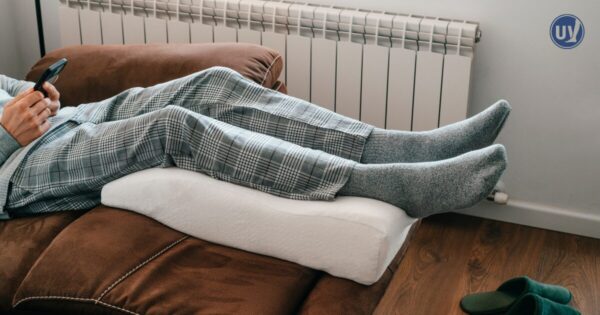
Conditions Compression Therapy Can Help Improve
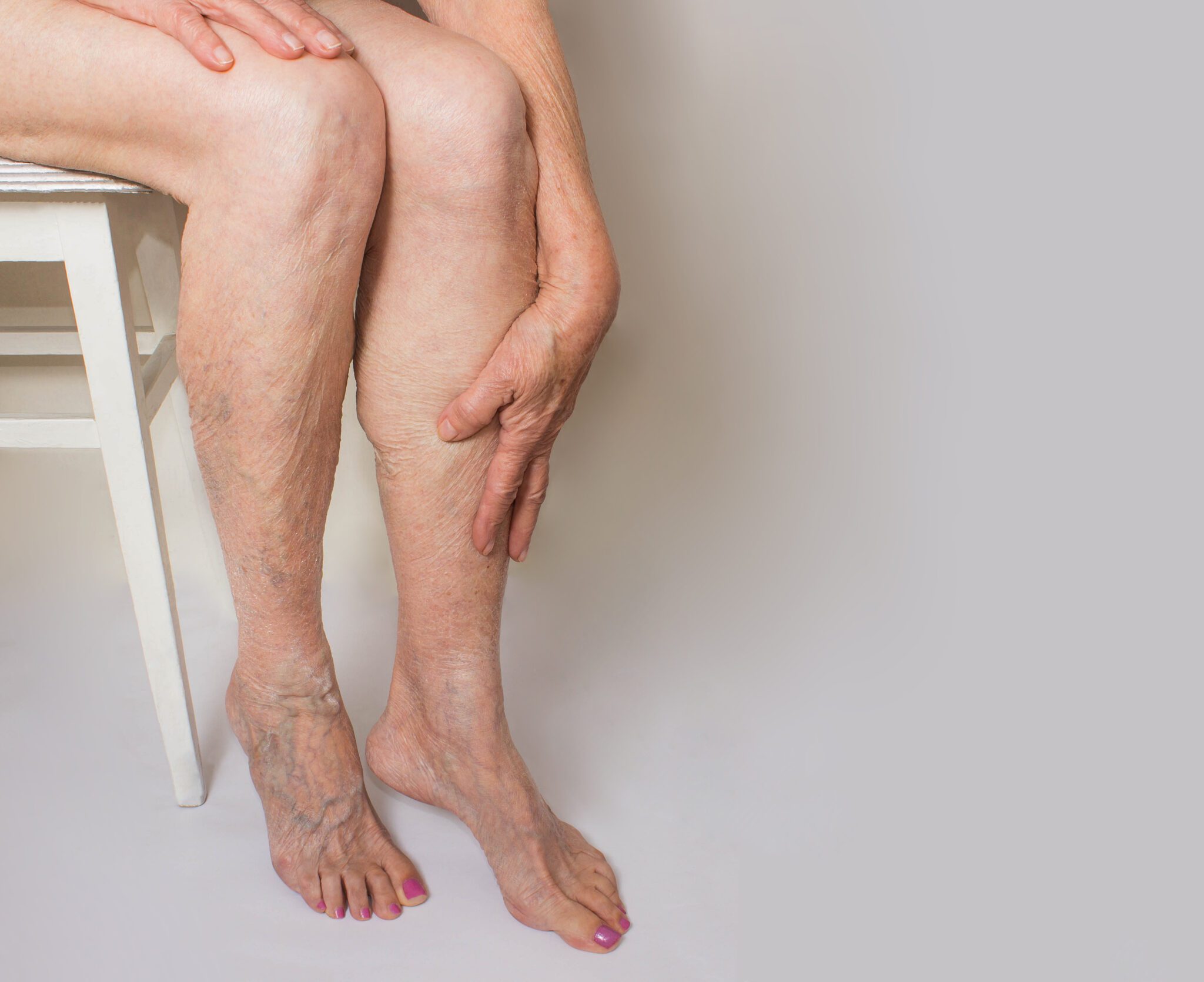
- Varicose veins & spider veins
- Chronic venous insufficiency (CVI)
- Leg edema (swelling) from prolonged standing or sitting
- Healed or at-risk venous ulcers (as advised by your clinician)
- Pregnancy-related leg swelling (with provider guidance)
- Lymphedema and post-procedural recovery plans (as prescribed)
Note: Compression is not right for everyone. People with significant arterial disease (such as PAD), active skin infections, acute heart failure, or certain neuropathies need medical evaluation before use. Our specialists will guide you.
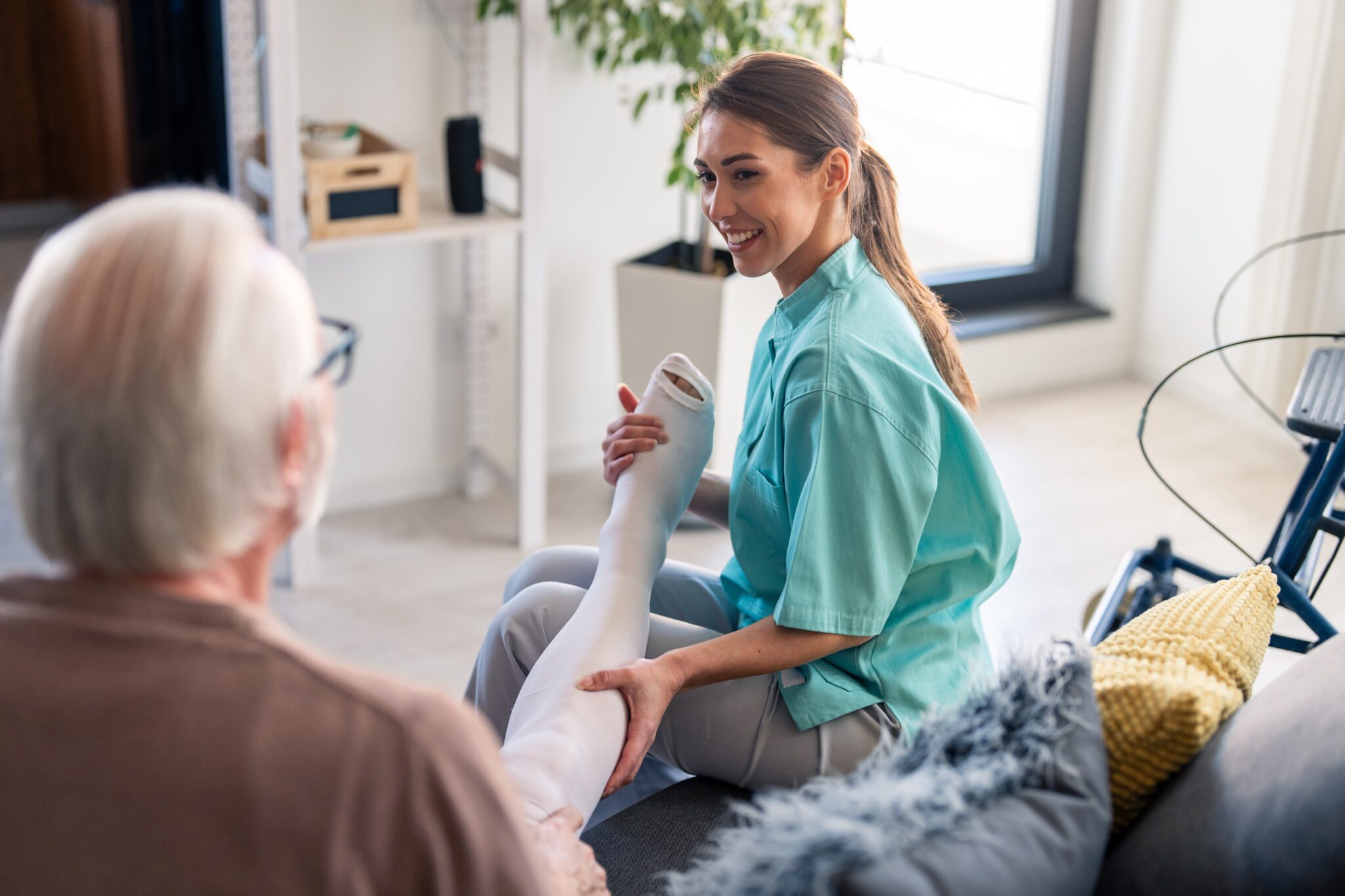
How Compression Therapy Works
Medical-grade garments apply graduated pressure—snugger at the ankle and lighter toward the knee or thigh—to counter gravity and assist the calf muscle pump. This helps reduce pooling in surface veins, limit fluid buildup in tissues, and support lymphatic drainage.
However, once compression garments are removed, symptoms may gradually return if the underlying venous issue remains untreated.
Types of Compression We Recommend
- Knee-high & thigh-high stockings: most common for venous symptoms
- Pantyhose/maternity styles: added support for pelvis/abdomen
- Wraps & bandaging systems: adjustable options for larger or fluctuating swelling
- Pneumatic compression pumps: intermittent, device-based compression for select cases (by prescription)
Pressure Levels (Typical Ranges)
- 15–20 mmHg: light support for travel or mild symptoms
- 20–30 mmHg: common therapeutic level for varicose veins/CVI
- 30–40 mmHg: advanced support for significant edema or ulcer care (prescription only)
Your UVVC physician will match the pressure, length, and style to your diagnosis, lifestyle, and mobility.
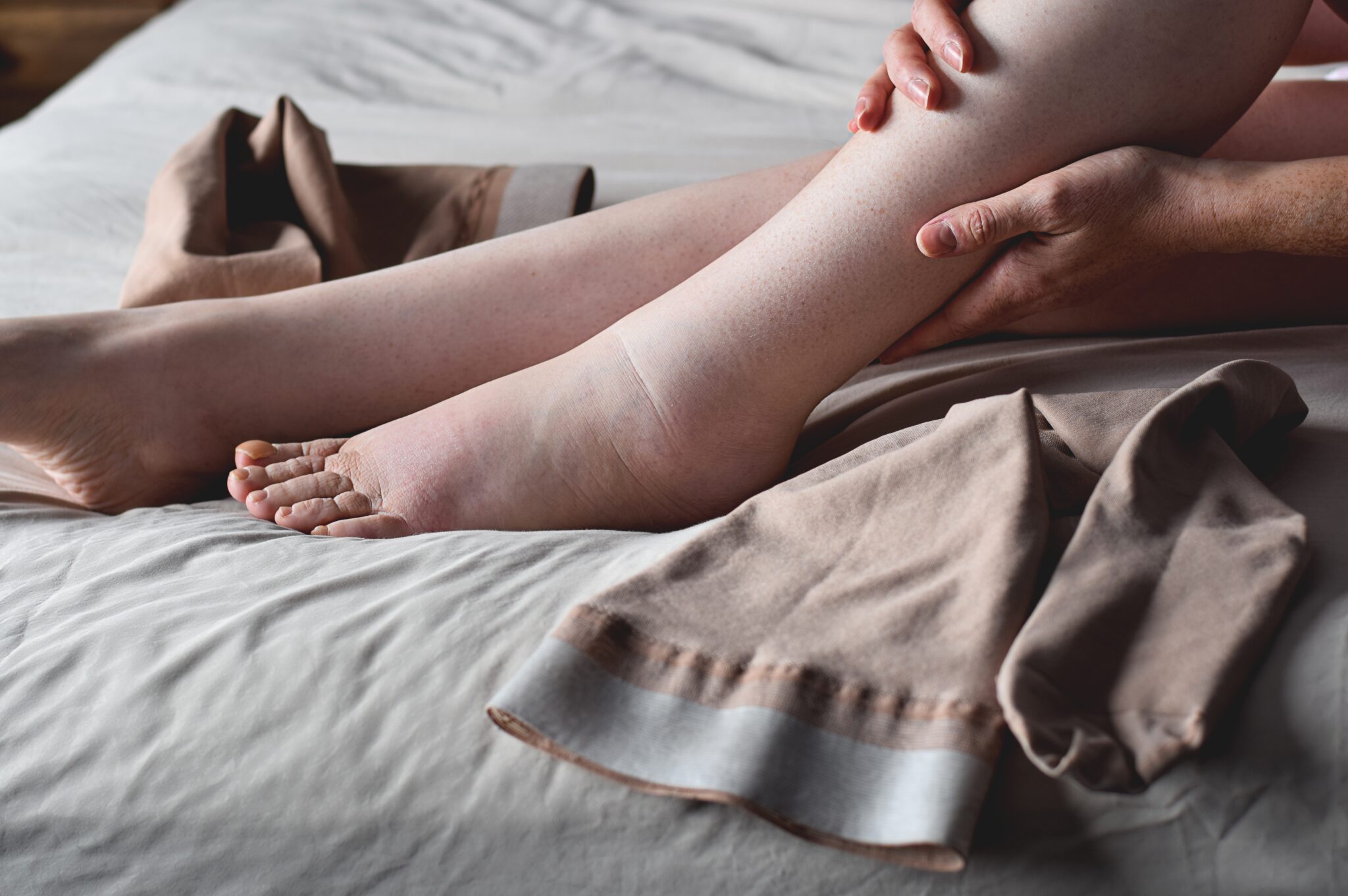
Tips for Comfortable Daily Use
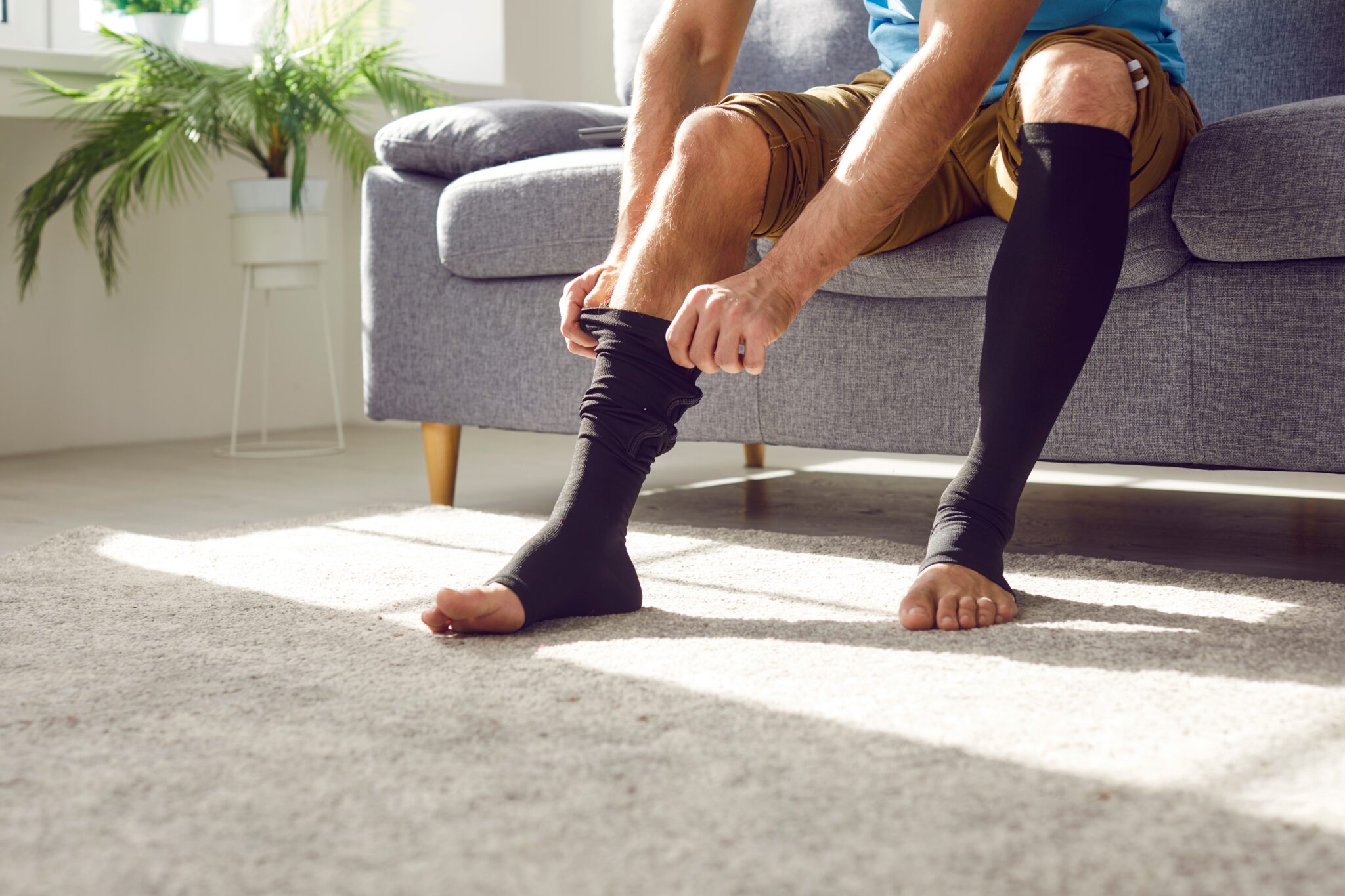
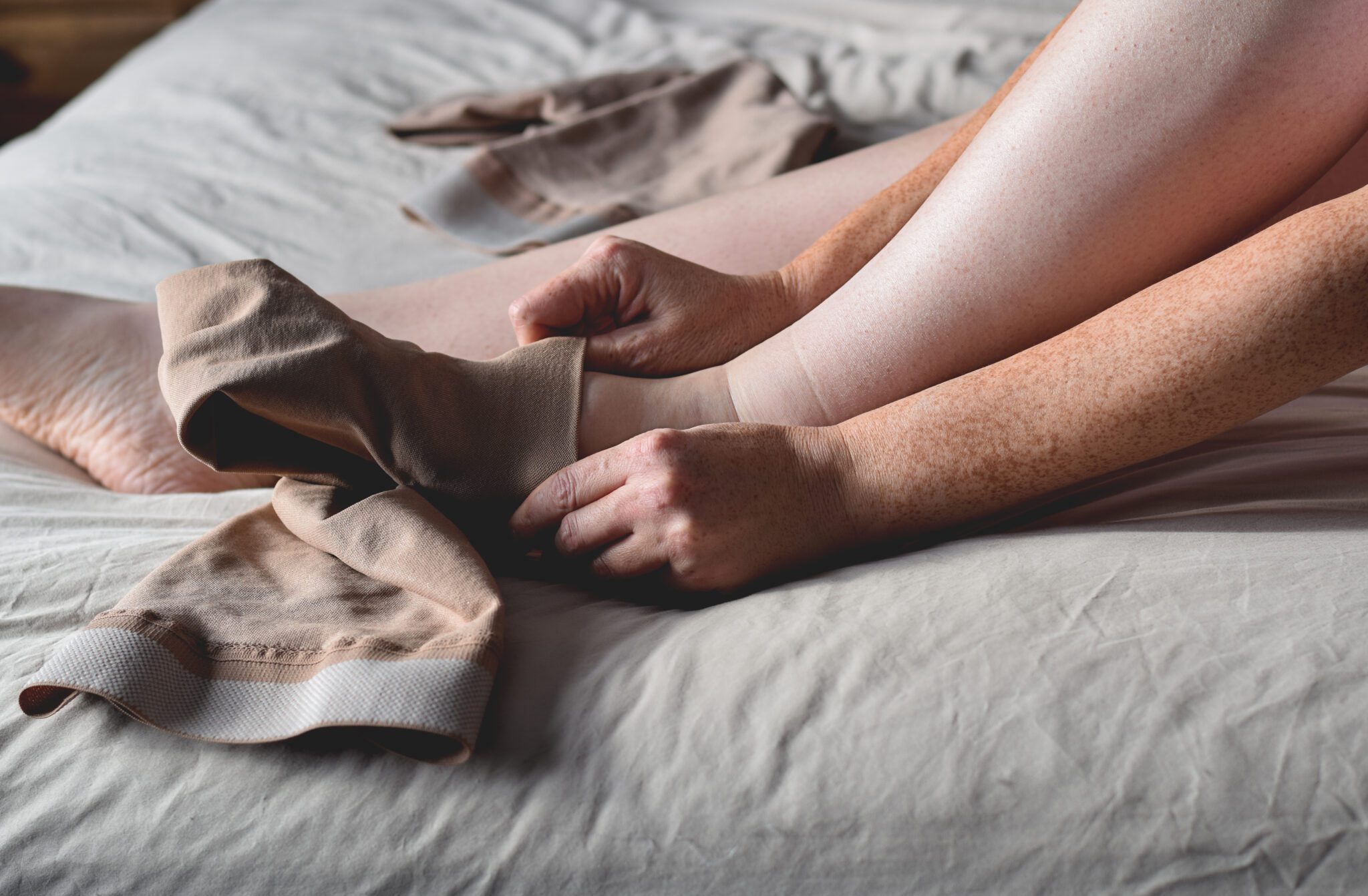
- Put stockings on first thing in the morning before swelling builds.
- Use donning gloves or a slip sleeve to make it easier.
- Smooth out wrinkles; don’t fold the top band (it can constrict).
- Wash in cool water; air-dry to protect elastic.
- Replace every 3–6 months for consistent pressure.

Coverage & Cost of Compression Therapy
Many insurance plans cover compression therapy when medically necessary and prescribed for a diagnosed condition (like CVI, edema, or ulcer care). Benefits vary by plan.
You can contact your insurance company directly to verify coverage and any out-of-pocket costs.

Compression Helps, But It's Not a Cure
Compression stockings can reduce pain, swelling, and fatigue, but they don’t correct diseased veins or restore proper valve function. If you stop wearing them, your symptoms will likely return.
That’s why our specialists take a deeper look using ultrasound imaging to identify where blood flow is restricted or veins have become damage and develop a plan that may include minimally invasive procedures for lasting relief.
Frequently Asked Questions
Yes! Compression therapy has strong evidence showing that, when used correctly on the right conditions, it can complement many first-line treatment options. United Vein and Vascular Centers’ board-certified vascular surgeons are here to help you live a more comfortable life. Call us today to schedule a consultation.
Compression therapy can be uncomfortable at times if garments fit too tightly, they are put on incorrectly, or they fit too loosely. If compression garments are worn for too much time frequently, the underlying skin can start to breakdown, causing pain, ulcers, and blistering. Always consult an experienced vascular specialist before starting any compression therapy routine.
Most patients will start to notice significantly reduced heaviness and aching the same day as starting compression therapy. For others with more severe swelling, it could be a matter of days to weeks before improvement can be seen or felt.
Compression therapy should always be provided under the supervision of a skilled vascular specialist, especially when blood flow to the heart is reduced, the skin’s elasticity is poor, open wounds or ulcers are present, and/or there is a loss of sensation in the limb. Always consult a physician before attempting compression therapy.
Related Articles