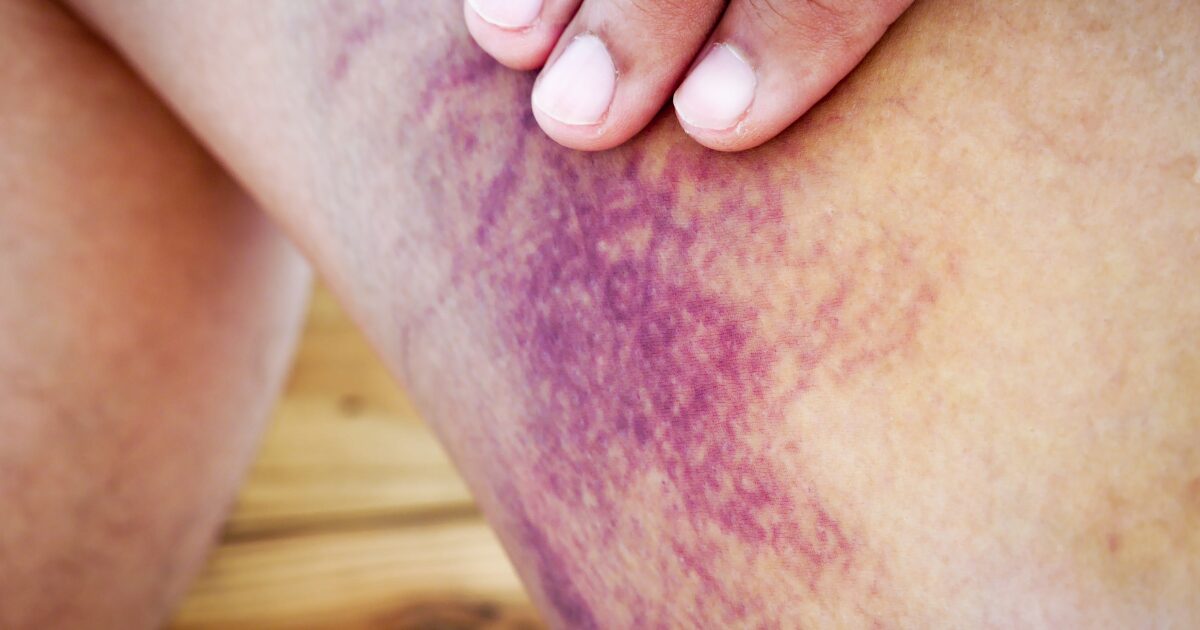
Skin changes in the lower legs are easy to dismiss at first. A patch of darker color near the ankle. A brownish tint that does not fade. A spot you assume is bruising that never really goes away. For many people, these changes are the first visible signs of hemosiderin staining, a condition closely tied to vein health and circulation.
While hemosiderin staining often starts as a cosmetic concern, it is usually a signal that something deeper is happening beneath the skin. Understanding what causes it, why it develops, and what you can do about it is an important step toward protecting your long-term leg health.
What Is Hemosiderin Staining?
Hemosiderin staining is a type of skin discoloration that typically appears on the lower legs, ankles, or feet. The skin may take on a brown, reddish, purple, or yellowish tone that gradually darkens over time. Unlike a bruise, this discoloration does not fade within a few weeks.
The staining occurs when small blood vessels, known as capillaries, become damaged and begin to leak blood into the surrounding tissue. As the red blood cells break down, they release iron. This iron is stored in the skin as a compound called hemosiderin, which causes the visible staining.
Because gravity pulls blood downward, hemosiderin staining most commonly develops in the lower extremities. The condition is often linked to chronic circulation problems that place ongoing pressure on the veins in the legs.
Why Hemosiderin Staining Should Not Be Ignored
Although the discoloration itself may not cause pain at first, it is rarely just a surface-level issue. In many cases, hemosiderin staining is a sign of chronic venous disease that has been developing over time.
If left untreated, the underlying vein condition can progress and lead to additional symptoms such as:
- Persistent leg swelling
- Aching or heaviness in the legs
- Skin that becomes thin, dry, or itchy
- Increased risk of skin breakdown or venous ulcers
- Slow-healing wounds near the ankles
Addressing hemosiderin staining early gives patients the opportunity to manage vein disease before more serious complications occur.
What Causes Hemosiderin Staining?
Chronic Venous Insufficiency
One of the most common causes of hemosiderin staining is chronic venous insufficiency, often referred to as CVI. CVI occurs when the valves inside the leg veins no longer work properly. These valves are responsible for keeping blood moving upward toward the heart. When they weaken or fail, blood flows backward and pools in the lower legs.
This increased pressure damages the vein walls and nearby capillaries, allowing blood to leak into surrounding tissue. Over time, repeated leakage leads to iron deposits in the skin and the discoloration associated with hemosiderin staining.
CVI often develops gradually and may go unnoticed for years before visible symptoms appear.
Varicose Veins and Venous Hypertension
Varicose veins and chronically elevated pressure in the leg veins can also contribute to hemosiderin staining. As veins enlarge and blood flow becomes inefficient, the surrounding tissue is placed under constant strain. This environment makes capillary damage more likely and increases the risk of skin changes.
Other Circulatory or Vascular Conditions
While venous disease is the most common cause, hemosiderin staining can also occur in people with other conditions that affect blood flow. These may include a history of blood clots, cardiovascular disease, or long-standing leg swelling due to poor circulation.
In all cases, staining reflects an issue with how blood is moving through the lower extremities.
How Hemosiderin Staining Progresses Over Time
Hemosiderin staining often begins subtly. Early discoloration may appear light brown or yellow and may be limited to a small area near the ankle. As circulation problems continue, the staining can spread and darken, becoming more noticeable and harder to cover.
Without treatment, the skin in affected areas may also become:
- Thicker or leathery
- More sensitive or itchy
- Prone to inflammation
- More vulnerable to injury
In advanced cases, skin damage can lead to open sores known as venous ulcers, which require medical care and can take a long time to heal.
What Can Be Done About Hemosiderin Staining?
While it is difficult to completely reverse existing staining, there are effective ways to slow progression, manage symptoms, and address the underlying vein disease.
Stay Active and Support Healthy Circulation
Regular movement plays an important role in promoting blood flow in the legs. Activities such as walking, gentle stretching, and low-impact exercise help the calf muscles push blood upward toward the heart.
Simple daily habits can also make a difference, including:
- Taking breaks from prolonged sitting or standing
- Elevating the legs when resting
- Avoiding tight clothing that restricts blood flow
Improving circulation reduces pressure on the veins and may help prevent further skin changes.

Wear Compression Stockings
Compression stockings are a common and effective tool for managing venous disease. These specialized garments apply graduated pressure to the legs, helping veins move blood more efficiently.
When worn consistently, compression stockings can:
- Reduce swelling
- Improve leg comfort
- Lower the risk of additional capillary damage
- Help slow the progression of skin discoloration
A vein specialist can recommend the appropriate compression level based on your specific condition.
Address the Underlying Vein Condition
Topical creams and skin treatments may improve the appearance of discoloration, but they do not treat the cause of hemosiderin staining. Long-term improvement depends on managing the vein disease responsible for the condition.
Modern vein treatments are minimally invasive and designed to improve blood flow by closing or redirecting damaged veins. These treatments can help relieve symptoms, protect skin health, and prevent further complications.
Frequently Asked Questions
In many cases, the discoloration does not fully disappear on its own. Treating the underlying vein condition can prevent the staining from worsening and may lead to gradual improvement in skin appearance over time.
Hemosiderin staining often indicates chronic venous insufficiency or another form of vein disease. While not always dangerous on its own, it should be evaluated by a vein specialist to prevent progression and complications.
If you notice persistent skin discoloration, swelling, aching, or heaviness in your legs, it is a good idea to schedule an evaluation. Early diagnosis allows for more treatment options and better long-term outcomes.
Take the Next Step Toward Healthier Legs
You do not have to live with uncertainty, discomfort, or visible signs of vein disease. At United Vein & Vascular Centers, our experienced vein specialists focus on identifying the root cause of your symptoms and creating personalized treatment plans tailored to your needs.
Whether you are concerned about hemosiderin staining, leg swelling, or other vein-related symptoms, our team is here to help you understand your condition and explore effective treatment options.
Find a UVVC clinic near you and schedule a consultation today to take the next step toward healthier circulation and improved quality of life.