Vein ablation is one of the most commonly recommended treatments for vein disease, yet many patients are unfamiliar with what the procedure involves or how it helps improve circulation. If you’ve been experiencing symptoms such as leg heaviness, swelling, discomfort, or visible varicose veins, your provider may recommend vein ablation as part of your treatment plan.
Understanding how vein ablation works and knowing what questions to ask can help you feel more informed and confident as you explore your treatment options.
What Is Vein Ablation?
Vein ablation is a minimally invasive procedure used to treat veins that are not functioning properly. The goal of treatment is to close the affected vein so blood can reroute to healthier veins with properly functioning valves.
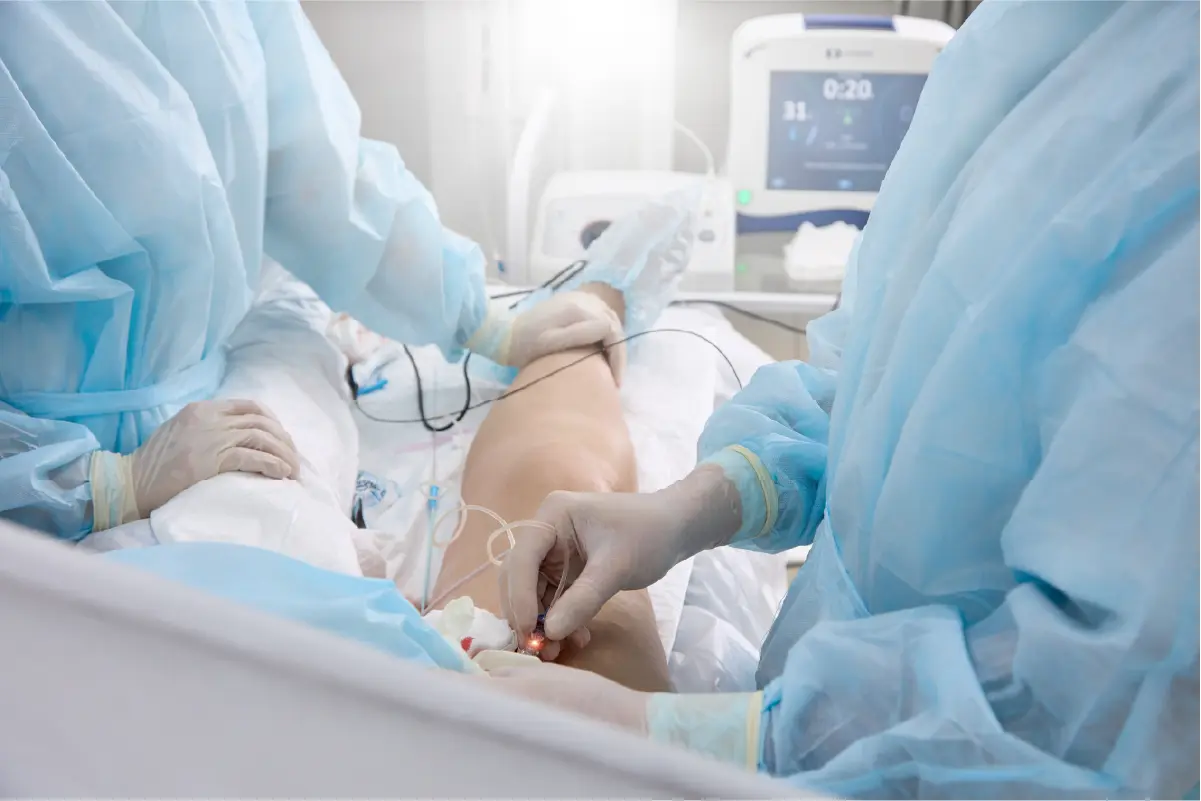
At UVVC, radiofrequency ablation (RFA) is commonly used to treat venous reflux and other vein conditions. During the procedure, a small catheter is inserted into the targeted vein, and controlled heat energy is delivered to the vein wall. This causes the vein to close, allowing circulation to improve as blood naturally flows through healthier veins.
Because vein ablation is performed in an outpatient setting using local anesthesia for comfort, it offers an effective alternative to traditional surgical approaches.
Conditions Vein Ablation May Treat
Vein ablation is often used to treat conditions related to poor circulation and vein dysfunction, including:
- Varices
- Reflujo venoso
- Insuficiencia venosa crónica
- Pesadez o fatiga en las piernas
- Hinchazón de las piernas o los tobillos
- Aching or throbbing discomfort
A comprehensive vein screening helps determine whether vein ablation is appropriate based on your symptoms and ultrasound findings.
What Happens During the Procedure?
Treatment begins after a vein evaluation and ultrasound assessment have identified the affected veins. During the procedure, a small catheter is guided into the targeted vein using ultrasound imaging.
Once positioned, radiofrequency energy is delivered through the catheter to close the vein. The procedure is designed to be precise, allowing providers to treat the affected vein while preserving surrounding tissue.
Most treatments are completed in an outpatient setting, and patients are typically encouraged to walk shortly after the procedure to support healthy circulation.

Questions to Ask Before Treatment
Being informed before treatment can help you better understand your diagnosis and treatment plan. Consider asking your provider:
- What is causing my symptoms?
- Is vein ablation the most appropriate treatment for my condition?
- What results can I reasonably expect?
- Are there alternative treatment options available?
- ¿Qué debo esperar durante la recuperación?
- Will I need additional treatments after vein ablation?
These conversations can help ensure you understand your options and feel confident moving forward.
Recuperación y resultados
Recovery after vein ablation is typically quicker than traditional vein surgery. Many patients are able to resume normal activities relatively quickly, although individual recovery experiences may vary.
Some temporary bruising, tenderness, or swelling may occur following treatment. Over time, the treated vein is absorbed by the body while blood flow continues through healthier veins.
As circulation improves, many patients notice relief from symptoms such as heaviness, swelling, and discomfort. Results may continue to develop in the weeks and months following treatment.
Preguntas frecuentes
Vein ablation is used to treat veins that are not functioning properly, helping improve circulation and relieve symptoms associated with vein disease.
The procedure is typically performed using local anesthesia for comfort and is generally well tolerated by patients.
Recovery is usually shorter than traditional surgery, and many patients return to normal activities relatively quickly.
Coverage varies by insurance plan and medical necessity. Patients should contact their insurance provider to verify coverage details.
Candidates often include patients with venous reflux, chronic venous insufficiency, varicose veins, or symptoms such as swelling, heaviness, and leg discomfort. A vein evaluation and ultrasound help determine eligibility.
Dé el siguiente paso hacia el alivio
If vein symptoms are affecting your comfort or quality of life, understanding your treatment options is an important first step. Vein ablation is one of several minimally invasive approaches that may help improve circulation and address the underlying cause of vein disease.
At United Vein & Vascular Centers (UVVC), our specialists provide comprehensive vein evaluations and personalized treatment plans designed to support long-term vein health.
Schedule a vein screening with UVVC to learn whether vein ablation may be right for you.
Medically reviewed by Dr. Domenic Zambuto, National Medical Director at United Vein & Vascular Centers. Board-certified in vascular and interventional radiology, Dr. Zambuto has more than 20 years of experience treating vascular disease and helping patients manage complex vein and circulatory conditions.