
Contenido
- Q: Does vein restoration work?
- Q: What is vein restoration?
- Q: What conditions may vein treatments help improve?
- Q: How do minimally invasive vein treatments work?
- Q: What are the benefits of early treatment?
- Q: When should patients schedule a vein screening?
- Q: What should patients know before treatment?
- Preguntas frecuentes
- What’s Next in the Ask the Doc Series
Welcome back to Ask the Doc, an educational series from United Vein & Vascular Centers designed to provide clear, physician-led answers to common questions about vein and vascular health. Each week, a UVVC physician explains everyday symptoms and what they may mean medically.
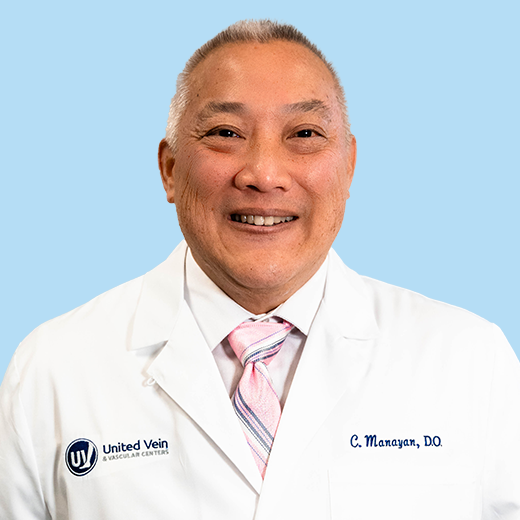
In this installment, Dr. Conrad Manayan answers a question many patients ask when they are searching for ways to improve uncomfortable vein symptoms:
Q: Does vein restoration work?
Dr. Manayan:
If by “vein restoration” a patient means repairing a diseased vein and making that same vein function normally again, then no, that is not typically how modern vein treatment works. Once a vein is damaged by valve dysfunction or venous reflux, the goal is usually not to restore that individual vein.
However, if “vein restoration” means improving how blood moves through the healthy vein system by treating diseased veins, then yes, modern vein treatment can be effective for many patients.
By closing or removing veins that are not functioning properly, blood can naturally reroute through healthier veins nearby. This may help reduce symptoms such as swelling, heaviness, aching, throbbing, and discomfort when those symptoms are related to venous reflux or chronic venous insufficiency.
Results vary, and treatment recommendations depend on each patient’s symptoms, ultrasound findings, vein anatomy, and overall health. It is also important to understand that vein disease can be chronic. Treating one diseased vein does not prevent all future vein problems from developing. New vein issues may appear over time, especially in patients with risk factors such as family history, aging, pregnancy, prolonged standing or sitting, or weight changes.
That is why evaluation, personalized treatment planning, and follow-up care are important parts of supporting long-term vein health.
Q: What is vein restoration?
Dr. Manayan:
When physicians talk about “vein restoration,” they are usually referring to restoring healthier blood flow patterns, reducing symptoms, and improving how the overall vein system functions. It is not true restoration in the sense of repairing a diseased vein and making that same vein work normally again.
In many cases, the affected vein is not moving blood efficiently because the valves inside the vein are weakened or damaged. When these valves do not close properly, blood can flow backward and pool in the legs. This is known as venous reflux.
Because that diseased vein is no longer functioning the way it should, modern vein treatment often focuses on closing or removing the problem vein. Once that vein is treated, blood naturally reroutes through healthier veins nearby. So, while the diseased vein itself is not being “restored,” the goal is to help restore more efficient circulation through the healthy vein system.
For patients, this can mean improvement in symptoms such as swelling, heaviness, aching, throbbing, or visible varicose veins when those symptoms are related to underlying vein disease.
Q: What conditions may vein treatments help improve?
Dr. Manayan:
Vein treatments may help patients who have symptoms related to venous reflux, chronic venous insufficiency, or varicose veins. These conditions can develop when the veins in the legs have difficulty returning blood to the heart.
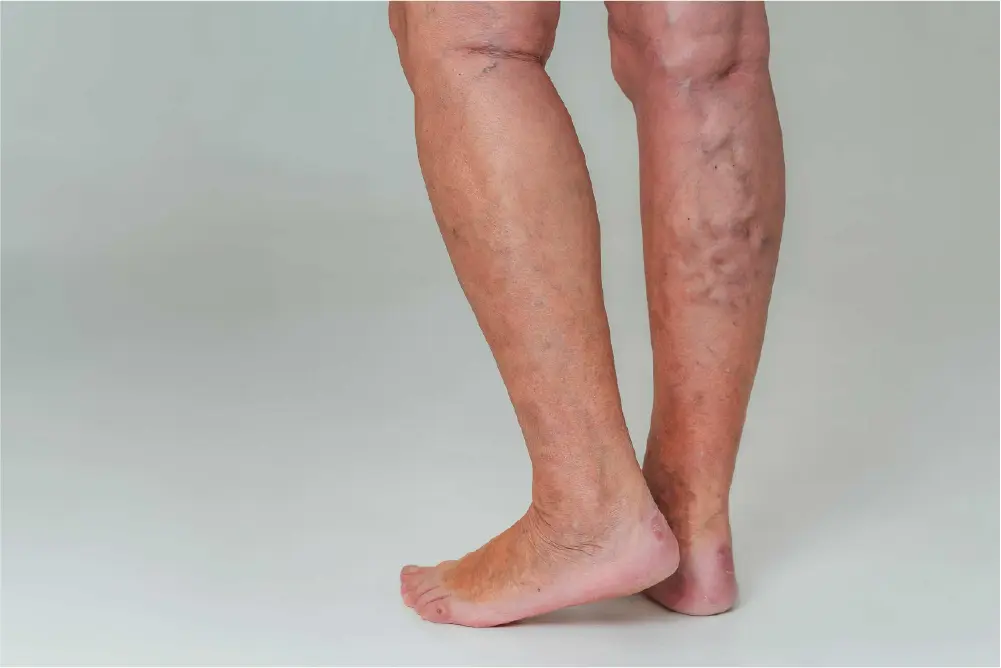
Patients often seek care because they are experiencing symptoms such as leg swelling, heaviness, aching, throbbing, cramping, itching, burning, restless legs, or visible varicose veins. Some patients may also notice skin discoloration, skin texture changes, or wounds that are slow to heal near the lower legs, ankles, or feet.
Not every symptom is caused by vein disease, which is why evaluation is important. A vein screening can help determine whether symptoms may be related to underlying vein dysfunction.
Q: How do minimally invasive vein treatments work?
Dr. Manayan:
Minimally invasive vein treatments work by targeting veins that are not functioning properly. Once a diseased vein is closed or removed, blood naturally reroutes through healthier veins. The body no longer relies on the diseased vein, and circulation can continue through the veins that are working well.
Different treatment options may be used depending on the patient’s symptoms, ultrasound findings, vein anatomy, and overall health. These may include:
- Radiofrequency ablation, or RFA: Uses controlled heat delivered through a thin catheter to close a diseased vein.
- VenaSeal™: Uses a medical adhesive to seal an affected vein so blood can reroute through healthier veins.
- Varithena®: Uses an injectable foam to help certain diseased veins collapse and close.
- Ultrasound-guided sclerotherapy: Uses imaging guidance and targeted injections to close problematic veins beneath the surface of the skin.
- Microphlebectomy: Removes certain visible, bulging varicose veins through tiny punctures in the skin.
The right treatment depends on what is found during evaluation and, when appropriate, diagnostic ultrasound.
Q: What are the benefits of early treatment?
Dr. Manayan:
Early evaluation can help patients better understand what is causing their symptoms before they become more disruptive. Many people wait to seek care because they assume leg swelling, heaviness, or aching is simply part of aging or a busy routine.
When vein disease is identified earlier, patients may have more treatment options and may be able to address symptoms before they progress. Early care may also help reduce the risk of worsening swelling, skin changes, or other complications related to chronic venous insufficiency.
Patients should not wait until symptoms are severe to ask questions. If symptoms keep coming back, interfere with daily activities, or worsen after standing or sitting for long periods, a vein screening may be a helpful first step.
Q: When should patients schedule a vein screening?
Dr. Manayan:
Patients should consider scheduling a vein screening when leg symptoms are persistent, worsening, or beginning to affect comfort, mobility, sleep, or daily routine.
Symptoms that may be worth evaluating include:
- Recurring leg swelling
- Pesadez o fatiga en las piernas
- Aching or throbbing
- Cramping or restless legs
- Itching or burning
- Varices visibles
- Spider veins with discomfort
- Skin changes near the ankles or lower legs
- Wounds near the lower legs, ankles, or feet that are slow to heal
A vein screening typically includes:
- A conversation about symptoms, medical history, and daily routine
- A physical evaluation to look for visible veins, swelling, skin changes, or other signs that may be related to vein disease
- A discussion about whether additional testing may be appropriate.
Q: What should patients know before treatment?
Dr. Manayan:
Patients should know that vein treatment is not one-size-fits-all. The treatment plan depends on the veins involved, the severity of symptoms, ultrasound findings, medical history, and patient goals.
The goal of treatment is not just to improve the appearance of visible veins. It is to identify and address diseased veins that may be contributing to symptoms. For many patients, treating the underlying issue can help improve comfort, mobility, and confidence in daily life.
Patients should also understand that recovery instructions vary depending on the treatment performed. Many minimally invasive vein procedures are performed in-office and are generally well tolerated, but your provider will explain what to expect before, during, and after treatment.
Preguntas frecuentes
When physicians refer to “vein restoration,” they are usually talking about restoring healthier blood flow patterns, not repairing a diseased vein so that same vein works normally again. Modern vein treatments typically close or remove veins that are not functioning properly, allowing blood to reroute through healthier veins nearby.
Vein treatments may help improve how blood moves through the healthy vein system by closing or removing diseased veins that are not functioning properly. When symptoms are caused by venous reflux or chronic venous insufficiency, treatment may help reduce swelling, heaviness, aching, and discomfort for some patients.
Minimally invasive vein treatments can be effective for many patients with symptoms related to vein disease. The right treatment depends on symptoms, ultrasound findings, vein anatomy, and overall health. A vein specialist can determine which option may be appropriate.
Recovery varies depending on the treatment performed and the patient’s individual condition. Many minimally invasive vein procedures allow patients to return to normal daily activities shortly after treatment, although specific instructions may vary. Your provider may recommend walking, compression stockings, or temporary activity adjustments.
You should consider seeing a vein specialist if you have recurring leg swelling, heaviness, aching, visible varicose veins, restless legs, cramping, itching, burning, skin changes, or symptoms that worsen after sitting or standing. A vein screening can help determine whether underlying vein disease may be contributing to your symptoms.
What’s Next in the Ask the Doc Series
The phrase “vein restoration” can mean different things to different patients. In medical terms, it often refers to restoring healthier blood flow patterns rather than repairing a diseased vein so that same vein works normally again. Understanding that distinction can help patients better understand how modern vein treatments work and what realistic outcomes may look like.
The Ask the Doc series continues to explore common questions about vein conditions, symptoms, and treatment options.
In our next installment, Dr. Adam Phillips will answer another frequently asked question: what do my vein ultrasound results mean? He’ll explain how ultrasound helps evaluate blood flow, what findings such as venous reflux may indicate, and how results can guide a personalized treatment plan.
If you are experiencing symptoms that may be related to vein disease, schedule a screening with United Vein & Vascular Centers to learn whether further evaluation may be right for you.
Medically reviewed by Dr. Domenic Zambuto, National Medical Director at United Vein & Vascular Centers. Board-certified in vascular and interventional radiology, Dr. Zambuto has more than 20 years of experience treating vascular disease and helping patients manage complex vein and circulatory conditions.