

Contenido
- Q: Do compression socks treat CVI?
- Q: How do compression socks work?
- Q: What symptoms can compression socks help improve?
- Q: What can compression socks not do?
- What Compression Socks Can and Cannot Do
- Q: When do physicians recommend additional treatment?
- Q: Are compression socks right for every patient?
- Q: How do I know if I need more than compression socks?
- Preguntas frecuentes
- What’s Next in the Ask the Doc Series
Welcome back to Ask the Doc, an educational series from United Vein & Vascular Centers designed to provide clear, physician-led answers to common questions about vein and vascular health. Each week, a UVVC physician explains everyday symptoms and what they may mean medically.
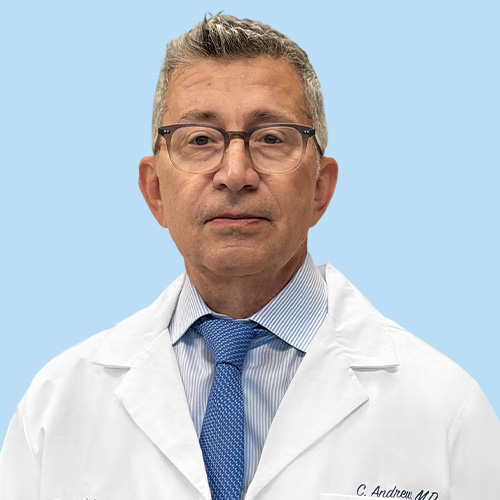
In this installment, Dr. Constantine Andrew answers a question many patients ask when they are managing leg swelling, heaviness, aching, or fatigue: do compression socks treat CVI or just manage symptoms?
Compression socks can be helpful for many patients with chronic venous insufficiency, or CVI, because they support blood flow and may reduce symptoms while they are being worn. However, compression socks do not repair damaged vein valves, eliminate venous reflux, or close diseased veins.
That distinction is important for patients trying to understand their next step. Compression therapy may help the legs feel better day to day, but persistent symptoms may still need to be evaluated to determine whether an underlying vein problem is contributing to the discomfort.
Dr. Andrew explains how compression socks work, what they can and cannot do, and when additional evaluation or treatment may be recommended.
Q: Do compression socks treat CVI?
Dr. Andrew:
Compression socks can help manage CVI symptoms, but they do not truly treat chronic venous insufficiency at its source. CVI is usually caused by venous reflux, which happens when the valves inside the leg veins do not close properly. When those valves are damaged, blood can flow backward and pool in the legs.
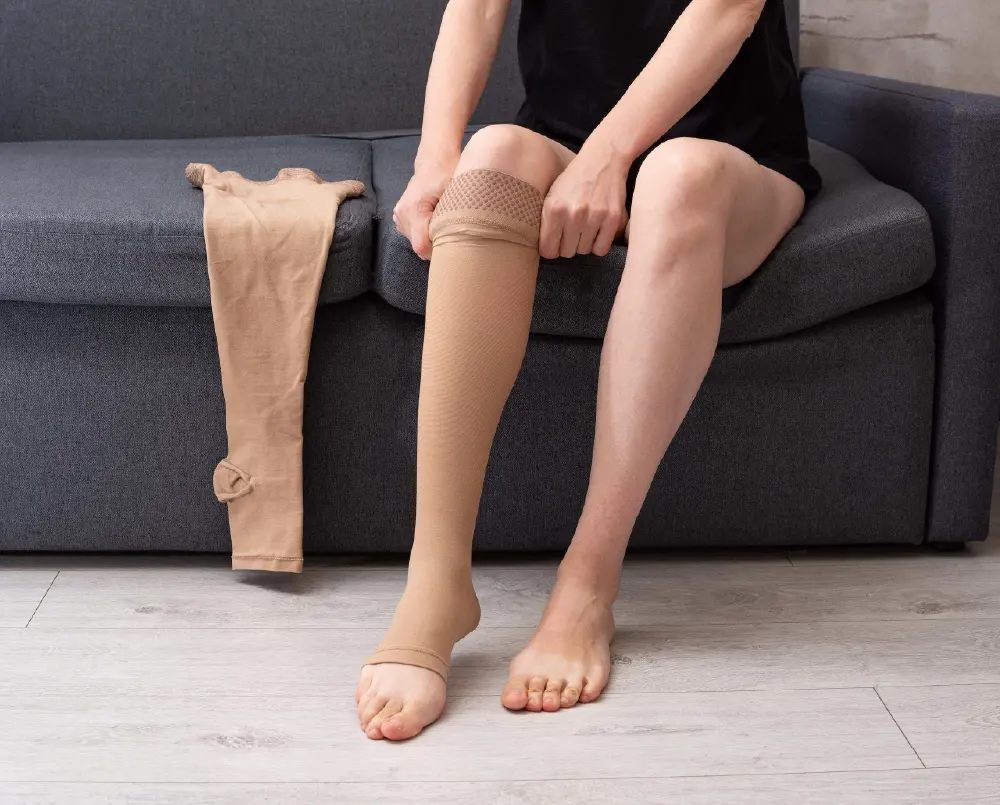
Compression socks apply pressure from the outside of the leg to help support blood flow and reduce fluid buildup. This can help improve symptoms such as swelling, heaviness, aching, and tired legs.
However, compression socks do not repair the damaged valves causing reflux. They also do not remove or close veins that are no longer functioning properly. For that reason, compression therapy is often best understood as symptom management, not a cure for CVI.
Q: How do compression socks work?
Dr. Andrew:
Compression socks apply graduated pressure to the legs. This means the pressure is usually strongest near the ankle and gradually decreases higher up the leg. That pressure helps support the movement of blood upward from the legs toward the heart.
For patients with chronic venous insufficiency, this support can be helpful because blood may otherwise pool in the lower legs. Compression can also help reduce swelling around the ankles and may make standing, sitting, walking, or working more comfortable.
Compression socks may be especially helpful during:
- Long periods of standing
- Long periods of sitting
- Travel
- Workdays spent on your feet
- Recovery after certain vein procedures
- Times when swelling or heaviness tends to worsen
While compression socks may improve comfort, they only work while they are being worn. Once the socks are removed, the underlying valve dysfunction may still allow blood to flow backward if venous reflux is present.
Q: What symptoms can compression socks help improve?
Dr. Andrew:
Compression socks may help reduce symptoms related to fluid buildup and poor vein function. They can be useful for patients who experience symptoms that worsen throughout the day or after standing or sitting for long periods.
Compression socks may help manage:
- Hinchazón de las piernas
- Leg heaviness
- Aching or discomfort
- Tired or fatigued legs
- Mild throbbing
- Symptoms that worsen after standing or sitting
- Symptoms that improve with walking or leg elevation
Some patients notice that their legs feel lighter or less swollen when they wear compression consistently. Others may find that compression helps them get through work, travel, or daily activities more comfortably.
However, symptom improvement with compression does not always mean the underlying vein disease has been corrected. If symptoms keep returning or worsening, a vein screening may help determine whether venous reflux is contributing to the problem.
Q: What can compression socks not do?
Dr. Andrew:
Compression socks cannot repair the damaged vein valves that cause venous reflux, and they cannot close or remove diseased veins. That is the main difference between compression therapy and vein treatment. Compression helps support the leg from the outside, while vein treatment is designed to address veins that are not moving blood properly.
Compression may help reduce swelling, heaviness, aching, or discomfort, but it does not eliminate venous reflux, cure chronic venous insufficiency, remove varicose veins, replace diagnostic ultrasound when symptoms persist, or prevent every future vein issue. This does not mean compression is not valuable. It can be an important part of CVI management, but if a patient has ongoing symptoms despite compression, it may be time to look deeper.
What Compression Socks Can and Cannot Do
| Compression Socks Can… | Compression Socks Cannot… |
| Help reduce swelling | Repair damaged valves |
| Support blood flow while worn | Eliminate venous reflux |
| Reduce leg heaviness | Cure CVI |
| Improve daily comfort | Close or remove diseased veins |
| Help manage symptoms | Replace evaluation by a vein specialist |
This is why some patients feel better while wearing compression socks but notice symptoms return when they take them off. Compression can support circulation during use, but it does not usually correct the underlying vein dysfunction.
Q: When do physicians recommend additional treatment?
Dr. Andrew:
Physicians may recommend additional evaluation or treatment when symptoms continue despite compression therapy, or when diagnostic ultrasound shows venous reflux that matches the patient’s symptoms and physical exam.
For example, if a patient continues to have leg swelling, heaviness, aching, visible varicose veins, restless legs, or skin changes even after using compression, we may recommend a vein screening and, if appropriate, a diagnostic ultrasound.
If ultrasound confirms venous reflux or chronic venous insufficiency, treatment may be recommended to address the diseased veins. Modern vein treatments are designed to close or remove veins that are not functioning properly so blood can reroute through healthier veins nearby.
Treatment options may include radiofrequency ablation, VenaSeal™, Varithena®, ultrasound-guided sclerotherapy, or microphlebectomy. The right option depends on the patient’s symptoms, ultrasound findings, vein anatomy, and overall health.
Q: Are compression socks right for every patient?
Dr. Andrew:
Compression socks can be helpful for many patients, but they are not the right solution for every person in the same way. The best compression level, style, and length of use can depend on the patient’s symptoms, medical history, circulation, and treatment plan.
Some patients may be advised to wear compression socks during work, travel, long periods of standing or sitting, or recovery after certain procedures. Others may use compression as part of conservative management before additional treatment is considered.
Proper fit matters. Compression socks that are too loose may not provide enough support, while socks that are too tight may be uncomfortable or difficult to wear. Patients with certain circulation problems, skin conditions, or medical concerns should speak with a healthcare provider before using compression.
If compression socks cause significant pain, numbness, skin irritation, or worsening symptoms, patients should contact their provider.
Q: How do I know if I need more than compression socks?
Dr. Andrew:
Patients may need more than compression socks when symptoms are recurring, worsening, or affecting daily life. Compression can make symptoms feel more manageable, but it should not be the only step if symptoms continue or progress.
You may want to schedule a vein screening if you notice:
- Leg swelling that keeps returning
- Heaviness or aching that worsens throughout the day
- Varices visibles
- Skin discoloration near the ankles or lower legs
- Restless legs or nighttime discomfort
- Symptoms that return when compression is removed
- Symptoms that interfere with walking, standing, sleep, or daily activities
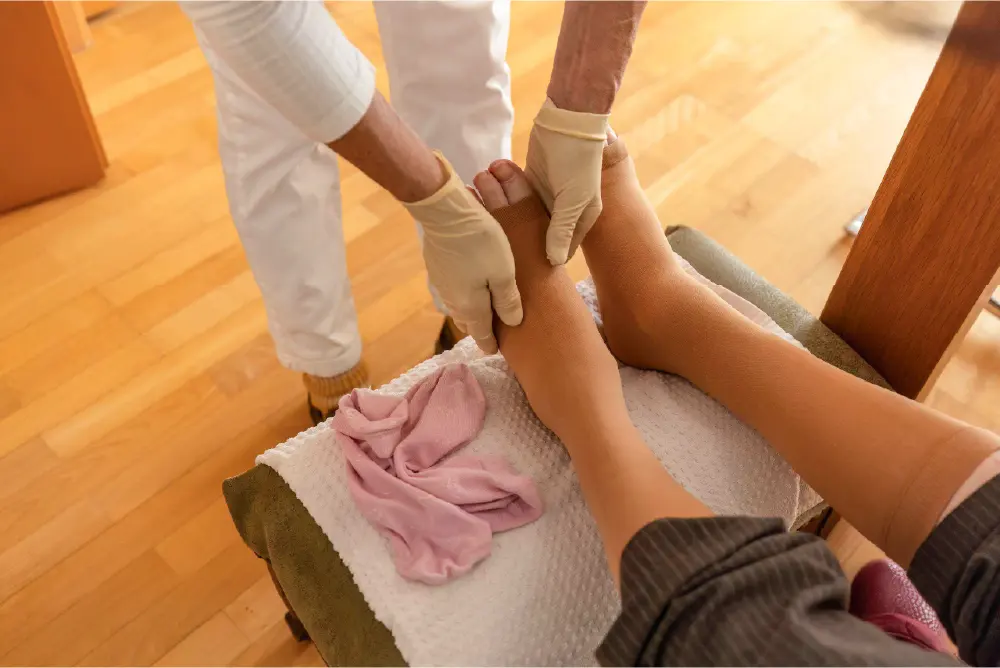
A vein screening can help determine whether symptoms may be related to chronic venous insufficiency and whether a diagnostic ultrasound should be recommended.
Preguntas frecuentes
No. Compression socks cannot reverse chronic venous insufficiency or repair damaged vein valves. They may help manage symptoms such as swelling, heaviness, aching, and fatigue, but they do not eliminate venous reflux.
Compression socks can help support blood flow and reduce pooling while they are being worn. However, they do not correct the valve dysfunction that causes venous reflux.
How long you should wear compression socks depends on your symptoms, medical history, and provider’s recommendations. Some patients wear them during work, travel, or long periods of standing or sitting, while others may be advised to wear them after certain vein procedures.
In some cases, patients may be asked to try compression before treatment, depending on their symptoms, insurance requirements, and care plan. Your provider can explain whether compression is recommended before or after treatment in your specific situation.
You should consider seeing a vein specialist if you have recurring leg swelling, heaviness, aching, visible varicose veins, skin changes, or symptoms that worsen after standing or sitting. A vein screening can help determine whether chronic venous insufficiency may be contributing to your symptoms.
What’s Next in the Ask the Doc Series
Compression socks can play an important role in symptom management, but they do not address every part of chronic venous insufficiency. Understanding what compression can and cannot do can help patients know when conservative care may be enough and when further evaluation may be needed.
The Ask the Doc series continues to explore common questions about vein symptoms, treatment options, and long-term vein health.
In our next installment, Dr. Jing Li will answer another frequently asked question: can exercise improve venous reflux? She’ll explain how movement can support circulation, what exercise can and cannot do for damaged vein valves, and when lifestyle changes may not be enough to manage symptoms.
If you are experiencing symptoms that may be related to vein disease, schedule a screening with United Vein & Vascular Centers to learn whether further evaluation may be right for you.
Medically reviewed by Dr. Domenic Zambuto, National Medical Director at United Vein & Vascular Centers. Board-certified in vascular and interventional radiology, Dr. Zambuto has more than 20 years of experience treating vascular disease and helping patients manage complex vein and circulatory conditions.