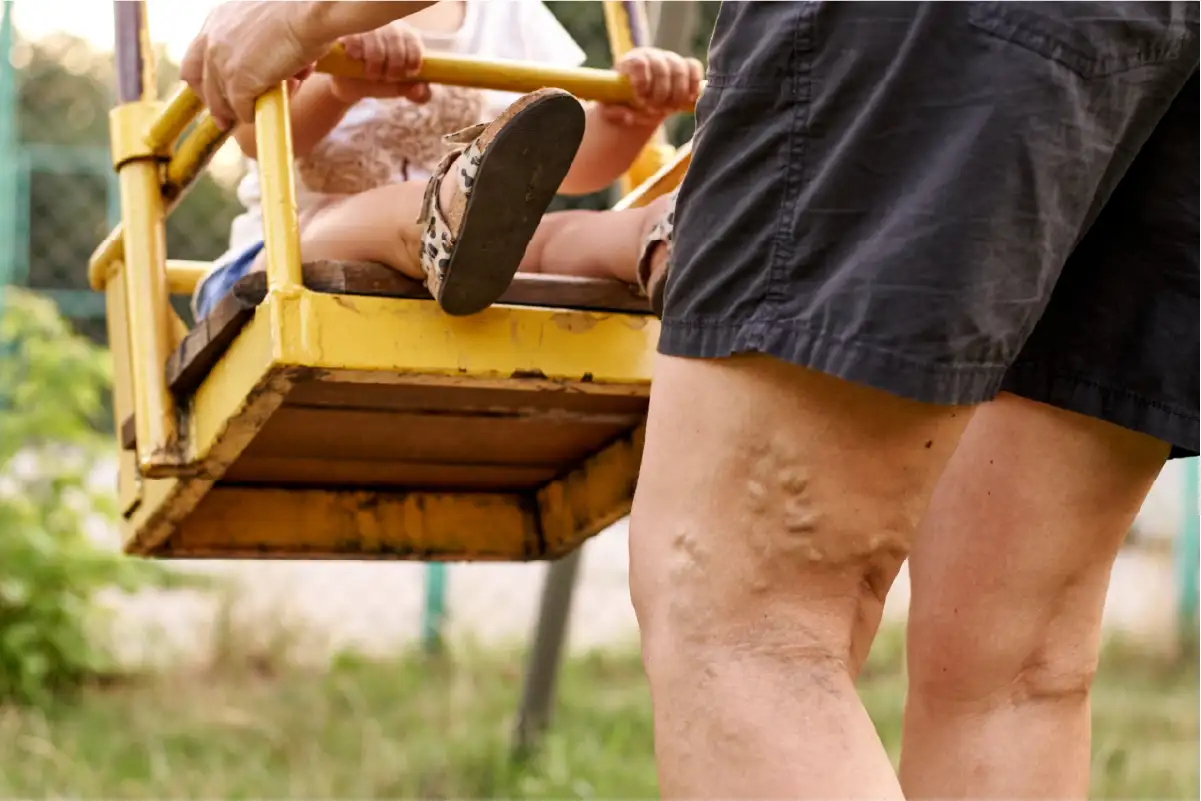
If you have noticed veins in your legs that feel firm, raised, or rope-like under the skin, you are not alone. These changes are often associated with underlying vein problems and may be an early sign of circulation issues.
While some visible veins are harmless, veins that feel hard or cord like can signal that blood is not flowing properly through the leg veins.
Varicose Veins
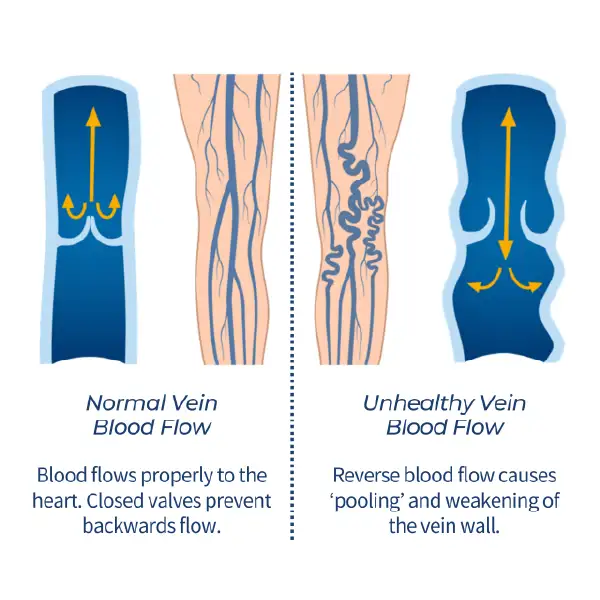
One of the most common reasons veins feel ropelike is varicose veins. Varicose veins develop when the valves inside the veins weaken and allow blood to pool. Over time, this extra pressure causes the veins to enlarge, twist, and become more noticeable.
Varicose veins often feel:
- Raised above the surface of the skin
- Thick or cord like
- Twisted in appearance
- Tender or uncomfortable
These veins may be accompanied by leg heaviness, aching, or swelling.
Venous Reflux and Chronic Venous Insufficiency
Hard or ropelike veins are often linked to venous reflux, a condition where blood flows backward in the veins. Venous reflux is a key part of chronic venous insufficiency (CVI).
When blood pools in the legs, pressure builds up in the veins. Over time, this can cause veins to enlarge and feel firm or ropelike. Skin changes, swelling, and discomfort may also develop.
Superficial Thrombophlebitis
In some cases, a hard, tender vein may be caused by superficial thrombophlebitis. This occurs when a small blood clot forms in a vein close to the surface of the skin, leading to inflammation.
Signs of superficial thrombophlebitis may include:
- A firm, cordlike vein
- Redness over the vein
- Warmth or tenderness
- Localized swelling
While this condition often affects surface veins, it should still be evaluated by a medical professional to rule out deeper clotting problems.
When Should You See a Vein Specialist?
You should consider a vein evaluation if you have:
- Veins that feel hard, thick, or ropelike
- Pain or tenderness along a vein
- Swelling in the lower legs or ankles
- Skin discoloration near the ankles
- Symptoms that worsen after standing
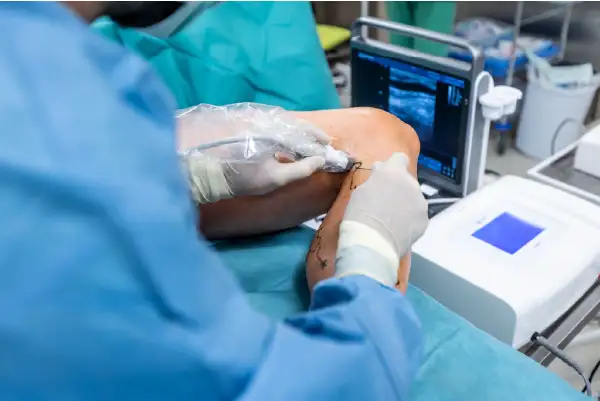
A vein specialist can use duplex ultrasound to evaluate blood flow and determine whether venous reflux or another issue is present.
How Are Hard or Rope-like Veins Treated?
Treatment depends on the underlying cause of the hard or ropelike veins. In many cases, compression therapy may be recommended to help support circulation and reduce discomfort. If damaged veins or venous reflux are contributing to the issue, minimally invasive procedures can be used to close the affected veins and redirect blood flow to healthier vessels.
For patients with varicose veins, targeted treatments may help relieve pressure and improve overall vein function. If superficial thrombophlebitis is present, management may also focus on reducing inflammation and easing symptoms. Addressing the root cause is key to relieving discomfort and lowering the risk of future vein problems.
Frequently Asked Questions
Often, yes. Ropelike veins are commonly varicose veins, but inflammation or clotting in a surface vein can also cause this feeling.
They can be associated with circulation problems or inflammation. A medical evaluation can help determine the cause and any needed treatment.
Tender, firm veins may be due to varicose veins or superficial thrombophlebitis, which involves inflammation in a surface vein.
A vein specialist usually uses duplex ultrasound to evaluate blood flow and check for venous reflux or clotting.
Yes. Many minimally invasive treatments can reduce or eliminate problematic veins and improve symptoms.
When Changes in Your Veins Deserve Attention
Veins that feel hard or rope-like are often associated with varicose veins, venous reflux, or inflammation in a surface vein. While they may first appear to be a cosmetic concern, these changes can signal underlying circulation issues that shouldn’t be ignored.
A professional vein evaluation can help identify the cause of your symptoms and determine whether treatment is recommended. Early assessment not only provides clarity but can also help prevent symptoms from progressing over time.
If you’re noticing changes in how your veins look or feel, schedule an evaluation with a vein specialist to better understand your options and next steps.